

 Предпросмотр
 Поделиться
 Поделиться
 Детали произведения

 Скачать
 Похожие работы
 Рентгенография
 Слайд-шоу
 Статистика
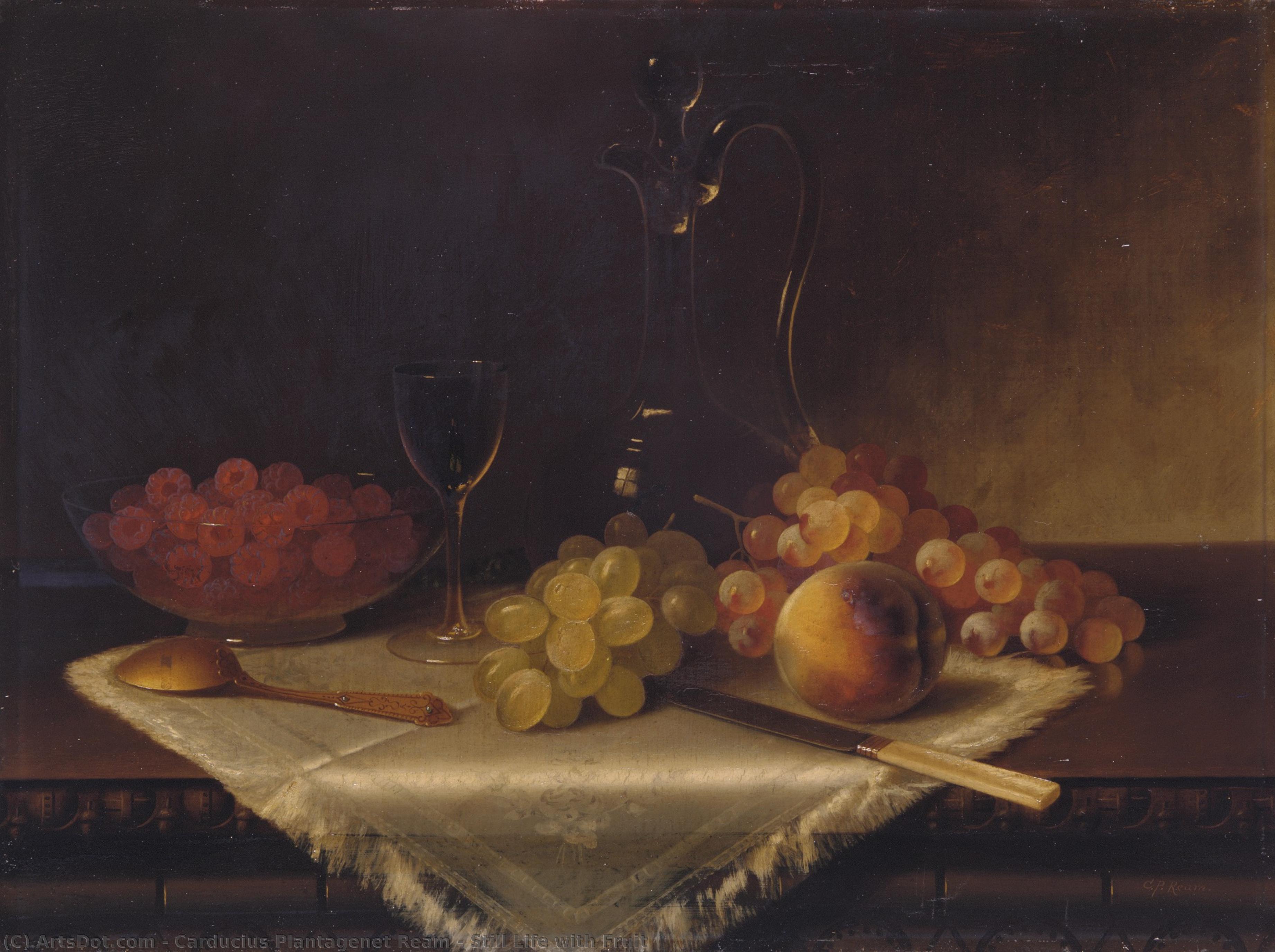
Still Life with Fruit
 Oil On Canvas
- WallArt
- Classical Realism
 19th Century
 46.0 x 61.0 cm
 Музей Метрополитен
 Читать далее
Масляная репродукция ручной работы
Картина маслом на холсте в выбранном вами размере и раме, написанная на заказ нашими художниками. ( Перейти к печати Перейти к цифровым изображениям)




P118B $10

P118H $10

P118W $10

P438Z $10

P508JH $12

P508YH $12

P805H $10

P805Z $10

P919BZ $10

P919G $10

P919XJ $10

P959ZH $10

P968JZ $12

W106C $8

W218G $10

W218JH $8

W218Y $10

W307PJ $10

W316G $10

W316PJ $8

W316Y $10

W398PJ $8

W4111J $10

W500HY $15

W500JH $15

W692G $12

W849H $8

W940BG $15

W953PJ $8




Выберите один из наших стандартных размеров, соответствующих оригинальным пропорциям произведения искусства.

Вы можете указать собственные размеры, чтобы картина идеально вписалась в выбранную раму или пространство. Если выбранный вами размер не соответствует пропорциям оригинала, мы либо обрежем полотно, либо расширим его за счет дополнительных элементов, написанных вручную. Цифровой макет будет отправлен вам на утверждение перед началом производства.
Обратите внимание, что предварительный просмотр на экране не отражает фактическую обрезку или расширение. Только макет точно покажет окончательную композицию.
Хотя доступны индивидуальные размеры, мы рекомендуем выбирать вариант из предопределенного списка, чтобы сохранить исходные пропорции.
После оформления заказа команда ArtsDot.com свяжется с клиентом по электронной почте для уточнения деталей и предоставит предварительный макет
Доставка по всему миру () за 3–4 недели вместо стандартных 5 недель. (10 Сентябрь). Без компромиссов в качестве.

Бесплатная экспресс-доставка по всему миру

Высококачественный льняной холст

Полное страхование доставки

Гарантия возмещения таможенных пошлин

Гарантия точного соответствия цветов

100-дневная политика возврата (только при обнаружении дефектов)

Гарантия возврата 100% средств

Предложение оптовых скидок
 Вариант со стеклом доступен только для размеров менее 110 см

Still Life with Fruit
Техника репродукции
Размер репродукции
-


Итоговая стоимость
$ 263
A Study in Abundance: The Allure of Still Life
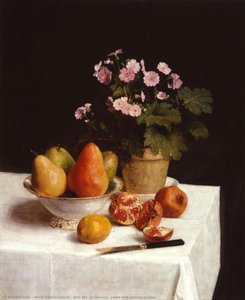
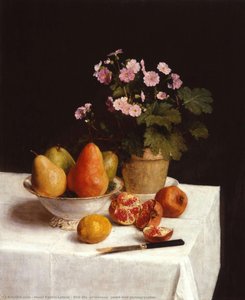
To gaze upon this still life with fruit is to be invited into a moment suspended in time—a quiet celebration of earthly bounty and meticulous craftsmanship. The arrangement, laden with ripe fruits nestled alongside gleaming silverware, speaks volumes without uttering a single word. It captures that quintessential elegance of the mid-19th century, an era when the domestic sphere was often elevated to the status of high art. One cannot help but feel the gentle weight of history in the careful placement of every peach and curve of polished metal. The artist, channeling the sensibilities of masters from that period, has created a scene that is both deeply realistic and profoundly inviting.
Mastery of Light and Texture
Observe closely how the light enters this composition; it seems to emanate from an unseen source, bathing the table in a warm, golden glow. This single-source illumination is key to the painting's dramatic effect, carving out deep shadows that give every object palpable weight and form. The technique employed here is one of exquisite observation—the artist has built up forms through careful layering of oil pigments. Notice the velvety sheen on the grapes, or the subtle dusting of color on a ripe peach; these textures are not merely painted, they seem almost touchable. The meticulous rendering of both the organic curves of nature and the hard gleam of metal speaks to a highly skilled hand, achieving a classical realism that rewards prolonged contemplation.
Compositional Harmony and Depth
The structure itself is a lesson in visual balance. The composition guides the eye with an almost architectural precision. Everything seems anchored by the central grouping of fruit, while the silverware provides elegant vertical accents that draw the gaze upward. The use of one-point linear perspective creates a convincing illusion of depth, pulling the viewer right into the scene as if they could reach out and pluck a piece of fruit. This careful arrangement transforms simple objects—fruit and cutlery—into a harmonious tableau, embodying a sense of ordered beauty.
Symbolism of Domestic Splendor
Beyond its technical brilliance, this painting resonates with deeper emotional currents. Still life paintings from this era often served as meditations on the fleeting nature of life, yet here, the overwhelming feeling is one of abundance and enduring domestic pleasure. The rich palette of reds, yellows, and warm browns evokes feelings of comfort, harvest, and settled prosperity. It speaks to a time when beauty was found in the tangible—in the perfect curve of a piece of fruit or the polished reflection on silver. For the collector or designer, this piece offers not just decoration, but a curated atmosphere of timeless, cultivated grace.
Похожие произведения
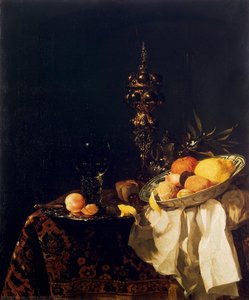
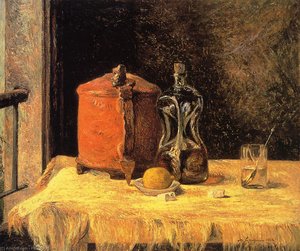
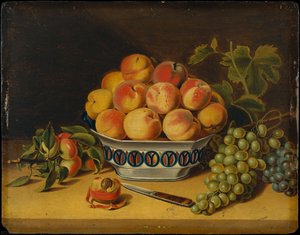
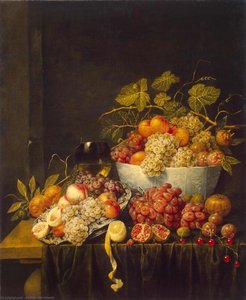
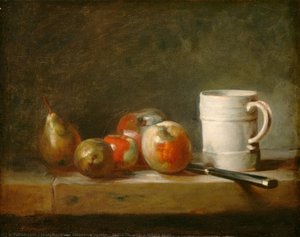
Биография художника
A Life Devoted to Stillness: The World of Carducius Plantagenet Ream
Carducius Plantagenet Ream, a name that resonates with the quiet elegance of 19th-century American still life painting, was born on May 8, 1838, in Sugar Grove, Ohio. While some sources list his given name as Cadurcis, the artist himself often used Carducius, reflecting a perhaps deliberate embrace of a more approachable identity. His early life, steeped in the rural landscapes of Fairfield County, Ohio, provided an initial connection to the natural world that would become the defining subject of his artistic career. The Ream family’s history was one of pioneering spirit and intellectual curiosity—his grandfather, Sampson, was known for both hunting prowess and inventive tinkering, while his father, Jonas Alexander Ream, practiced law with a fondness for classical learning. This blend of practicality and erudition seems to have subtly shaped the young Carducius, fostering an appreciation for detail and a sense of refined aesthetic sensibility. The tragic loss of his sister Victoria in 1843 and his mother Hannah in 1845 cast a shadow over his childhood, perhaps contributing to a contemplative nature that found expression in the focused intimacy of his later work.Early Artistic Development and European Influences
Ream’s artistic inclinations manifested early, with indications he was largely self-taught from the age of ten. His initial forays into the art world involved displaying works at a photography shop in Cleveland during the late 1850s—a testament to his ambition and willingness to seek opportunities. The mid-1860s saw him venture east to New York, where he began selling paintings through Henry H. Leeds & Miner’s gallery. However, it was his time spent studying abroad that truly solidified his artistic foundation. He traveled extensively throughout Europe—London, Paris, and Munich—immersing himself in the traditions of Old Master painting. This period proved pivotal, exposing him to techniques and styles that would inform his own distinctive approach. While details regarding specific mentors remain scarce, it’s clear that Ream absorbed the meticulous realism of Dutch still life masters like Willem Kalf and Jan van Huysum, as well as the luminous quality of French academic painting. His collaboration with lithographer Louis Prang in the 1870s to create a series titled “Desserts” marked an early success, bringing his work to a wider audience through reproduction.Chicago Years: Establishing a Reputation
In 1878, Ream made the significant move to Chicago, establishing a studio and becoming deeply integrated into the city’s burgeoning art scene. This period witnessed the full flowering of his artistic talent and the establishment of his national reputation. He exhibited regularly at the Art Institute of Chicago, alongside works shown at the National Academy of Design and the Brooklyn Art Association—and even the prestigious Royal Academy of London. Ream was a shrewd self-promoter, recognizing the importance of visibility in a competitive market. He pioneered the use of “boosters”—individuals hired to actively promote his work—a novel approach for the time. His auctions were carefully orchestrated events designed to generate excitement and demand. The partnership with his brother, Morston Constantine Ream, also a skilled still life painter, further enhanced their collective visibility.The Art of Stillness: Technique, Symbolism, and Subject Matter
Carducius Plantagenet Ream’s paintings are characterized by an exquisite attention to detail, a masterful use of light and shadow, and a profound sense of tranquility. He specialized in depictions of fruit—peaches, grapes, raspberries, plums—arranged on silver platters, marble surfaces, or within delicately draped fabrics. His compositions were often intimate and focused, inviting the viewer to appreciate the subtle textures, rich colors, and inherent beauty of his subjects. Peaches, in particular, became a signature motif, their velvety skin and luscious forms rendered with remarkable realism. Beyond mere representation, Ream’s still lifes possessed a symbolic depth. The abundance of fruit evoked notions of prosperity and earthly delight, while the fleeting nature of ripeness hinted at the transience of life. The overturned cup on raspberries, for example, suggests a moment of casual elegance disrupted—a subtle reminder of mortality. His paintings were not simply about what they depicted; they were about evoking a mood, capturing a feeling, and inviting contemplation.Legacy and Historical Significance
Carducius Plantagenet Ream’s work represents a significant contribution to 19th-century American still life painting. He was among the first artists to achieve widespread recognition for this genre, elevating it from a minor decorative form to a respected art historical category. His paintings were highly sought after during his lifetime and continue to be admired today for their technical brilliance and aesthetic appeal. In 1899, “Purple Plums” became the first work by a Chicago artist to enter the permanent collection of the Art Institute of Chicago—a landmark achievement that solidified his place in the city’s artistic heritage. Despite facing health challenges in later life—including deafness and paralysis—Ream remained dedicated to his craft until his death in 1917. His legacy endures as a testament to the power of stillness, the beauty of everyday objects, and the enduring appeal of masterful realism.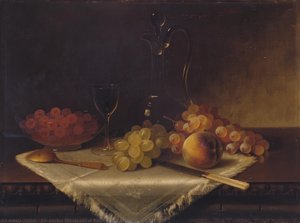
carducius plantagenet ream
1837 - 1917 , United States of America
Основные сведения
- Artistic Movement Or Style: Still Life
- Artists Or Movements Influenced By This Artist: ['']
- Artists Who Influenced This Artist: ['']
- Date Of Birth: May 8, 1838
- Date Of Death: June 20, 1917
- Full Name: Cardurcis Plantagenet Ream
- Nationality: American
- Notable Artworks:
- Raspberries
- Still Life - Overturned Cup
- Still Life with Grapes
- Place Of Birth: Lancaster, United States
Похожие статьи

Romantic Realism's Finest: 10 Masterpieces for Your Home | ArtsDot
Explore 10 defining masterpieces of Romantic Realism! Discover Courbet, Millet & Daumier's powerful paintings—capturing emotion and social realities. Find museum-quality reproductions for your home at ArtsDot.com.

Oil on Canvas: A Historical & Technical Exploration of a Timeless Artistic Medium
Explore the rich history & enduring techniques of oil painting on canvas. Discover the science behind its longevity, conservation practices, and contemporary relevance. Expert insights for art enthusiasts.

Giclée Prints: Archival Quality & Aesthetic Nuances for the Discerning Collector
Explore the world of giclée prints with ArtsDot. Learn about archival quality, aesthetic nuances & investment potential. Expert guidance for discerning art collectors seeking museum-quality reproductions and lasting value.
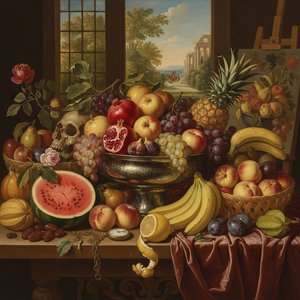
The Bountiful Still Life: Symbolism & Artistic Representation of Fruit Across Art History
Explore the rich history of still life painting & the symbolism of fruit across art movements. Discover masterpieces from Caravaggio to Cézanne with ArtsDot – expert guidance & museum-quality reproductions.
10 Шедевров Неоклассицизма: Искусство, Определившее Эпоху | ArtsDot
Погрузитесь в мир неоклассицизма! 10 шедевров от Давида, Канновы и других великих художников. Узнайте историю создания культовых картин и вдохновитесь для интерьера. Репродукции музейного качества на ArtsDot.com