

 Предпросмотр
 Поделиться
 Поделиться
 Детали произведения

 Скачать
 Похожие работы
 Рентгенография
 Слайд-шоу
 Статистика
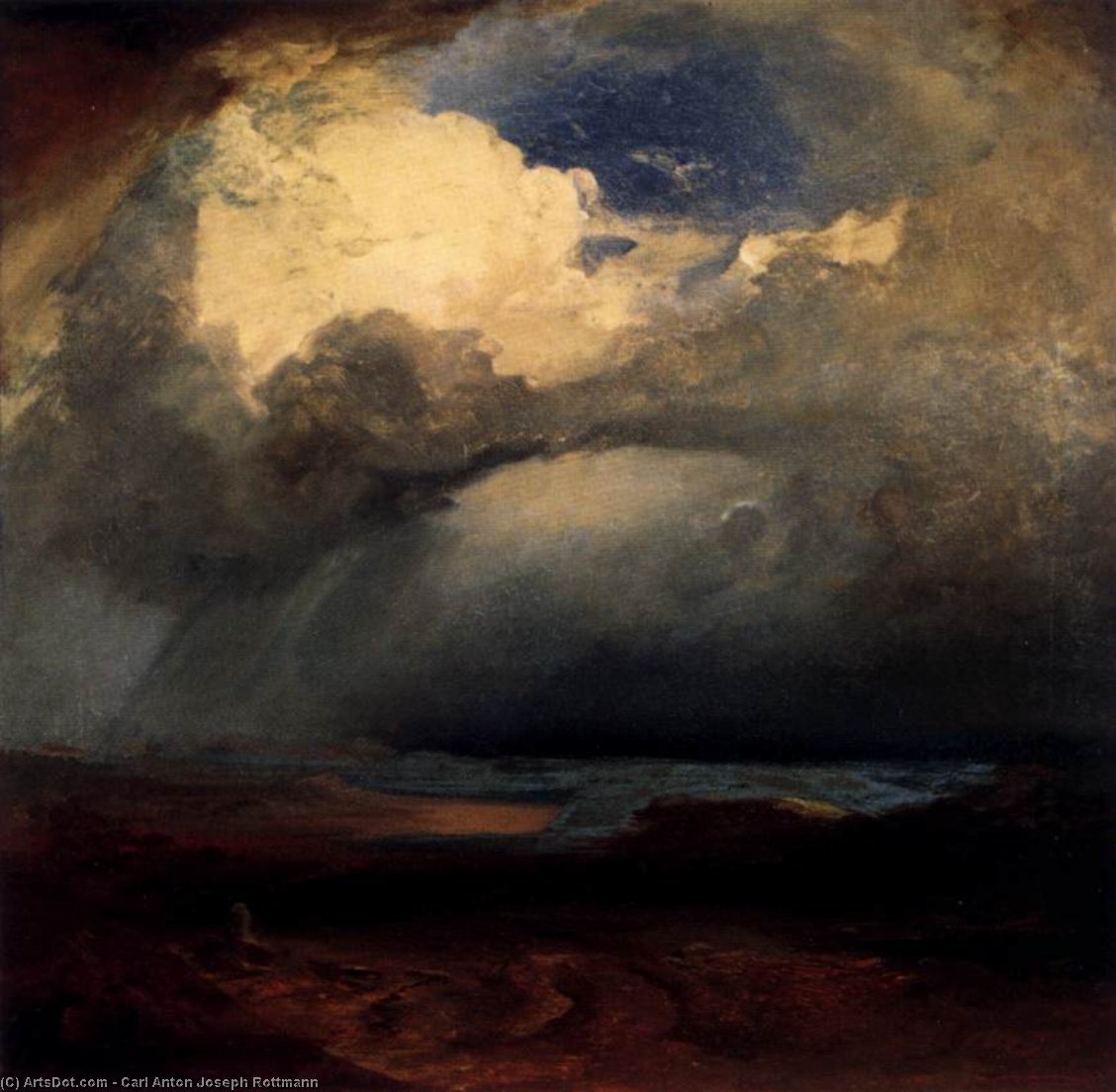
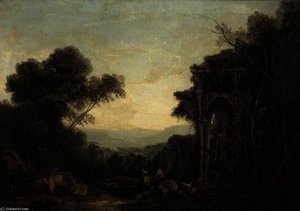
The Battlefield at Marathon
 Acrylic On Canvas
- WallArt
- Romanticism
 1849
1849 91.0 x 91.0 cm
 Национальная галерея
 Читать далее
Приобретите цифровое изображение высокого разрешения в улучшенном качестве, которое значительно превосходит онлайн-превью.
Каждый файл тщательно подготавливается нашими специалистами с использованием передовых инструментов и экспертной ручной ретуши. Мы гарантируем исключительную четкость, точную цветопередачу и детальную проработку каждого изображения.
Финальный файл доставляется по электронной почте в течение 72 часов и оптимизирован для немедленного использования в профессиональной среде, при верстке и печати. Это тот же уровень качества, которому доверяют ведущие дизайнерские студии, издательства и галереи.
Цифровое изображение
Скачайте файл высокого разрешения для личного использования, печати и творческих проектов. ( Перейти к печати Купить картину ручной работы)
Включено в каждый заказ цифровых изображений
Гарантия экспертной цифровой доставки
Выбирая ArtsDot.com, вы получаете не просто изображение — вы приобретаете профессионально обработанное цифровое произведение искусства, созданное с безупречной точностью и под защитой гарантии качества. Вот всё, что автоматически входит в ваш заказ:

Мгновенная доставка по e-mail
Ваш цифровой файл в высоком разрешении будет отправлен вам по электронной почте в течение 72 часов после оформления заказа — и сразу станет доступен для использования.

Цифровой файл с ИИ-улучшением
Ваше произведение искусства проходит профессиональную оптимизацию с использованием передовых инструментов ИИ и ручной обработки, что гарантирует максимальную детализацию, четкость и точность цветопередачи.

Бессрочная бесплатная повторная доставка
Случайно удалили или потеряли файл? Не беспокойтесь — мы отправим его вам повторно в любое время и совершенно бесплатно.

Без импортных пошлин — навсегда
Наслаждайтесь вашим произведением искусства мгновенно без таможенных пошлин, сборов или затрат на доставку — цифровые загрузки всегда не облагаются налогом.

Гарантия точности цветопередачи
Мы гарантируем, что ваше цифровое изображение максимально точно передает оригинальные цвета благодаря использованию профессиональных инструментов и систем управления цветом.

Гарантия удовлетворенности 100 дней
Если вы не будете удовлетворены своим цифровым изображением, мы внесем правки или вернем 100% стоимости в течение 100 дней — без лишних вопросов.

100% Гарантия возврата средств
Не удовлетворены покупкой? Получите полный возврат средств в течение 100 дней после получения цифрового файла — без лишних вопросов.

Скидки на оптовые заказы
Купите 3 изображения, сэкономьте 10% — Купите 5, сэкономьте 15% — Купите 10+, сэкономьте 20%. Отличное решение для творческих проектов, галерей и агентств.
The Battlefield at Marathon - A Romantic Vision of Courage and Impermanence
“The Battlefield at Marathon,” painted in 1849 by Carl Anton Joseph Rottmann, stands as a monumental testament to the Romantic movement’s fascination with dramatic landscapes and emotive storytelling. More than just a depiction of an historical event—the decisive Battle of Marathon against invading Persian forces—it embodies a profound meditation on human vulnerability confronted by the overwhelming power of nature.
- Subject Matter: Rottmann meticulously recreated the scene of the battle, capturing the chaos and intensity of the conflict. The painting portrays soldiers engaged in combat amidst a rocky shoreline and turbulent sea, emphasizing the immediacy of the moment.
- Style & Technique: Rottmann’s approach aligns perfectly with Romantic ideals. He employed loose brushwork—particularly prominent in the swirling clouds and crashing waves—to convey movement and dynamism. The impasto technique – applying paint thickly onto the canvas – lends textural richness to the composition, mirroring the ruggedness of the battlefield itself.
- Historical Context: The Battle of Marathon holds immense significance in Greek history as it marked a pivotal victory for Athens against Persia, safeguarding Western civilization’s independence. Rottmann's artwork reflects this triumph while simultaneously acknowledging the fragility of human existence within the grand scheme of cosmic forces.
- Symbolism: The dominant iceberg-like formation serves as a powerful symbol representing the immensity and indifference of nature. Its partially submerged state underscores humanity’s insignificance in comparison, prompting contemplation on mortality and resilience. Rottmann's masterful use of light—primarily diffused and subdued—creates an atmosphere of melancholy and reinforces this thematic core.
- Emotional Impact: Viewing “The Battlefield at Marathon” evokes a visceral response – awe mingled with apprehension. Rottmann’s artistic vision compels the viewer to confront existential questions about human destiny amidst the relentless march of time, cementing its place as a cornerstone of Romantic art.
Further research into Rottmann's oeuvre reveals his dedication to capturing sublime landscapes and portraying heroic narratives—a stylistic hallmark that distinguishes him from many of his contemporaries. His meticulous attention to detail and expressive brushwork ensured that “The Battlefield at Marathon” would endure as a timeless masterpiece, resonating with audiences across generations.
Material & Composition Details
Painted on canvas using oil paints, Rottmann’s technique involved layering pigment to achieve remarkable textural depth and atmospheric effects. The predominantly grey palette—accentuated by subtle hints of ochre—effectively communicates the bleakness of the battlefield environment.
Exploring Related Artworks
To appreciate Rottmann's artistic vision fully, consider examining his other celebrated landscapes, notably “Ammer Lake” and “Castle Eltz.” These works demonstrate his unwavering commitment to portraying nature’s grandeur alongside narratives of courage and human endeavor.
Resources for Further Investigation
For a deeper understanding of Rottmann's life and artistic legacy, consult scholarly articles on Romantic landscape painting and biographical accounts detailing his formative years in Heidelberg.
Похожие произведения


Биография художника
The Visionary Landscapes of Carl Rottmann
Born in the tranquil setting of Handschuhsheim, Germany, in 1797, Carl Anton Joseph Rottmann emerged as a profound voice within the movement of German Romanticism. His life and artistry were deeply intertwined with the shifting landscapes of 19th-century Europe, reflecting a period where the sublime beauty of nature met the burgeoning spirit of national identity. Unlike many of his contemporaries who focused on the intimate or the domestic, Rottmann possessed an expansive vision, seeking to capture the monumental scale of the world through sweeping vistas and mythic atmospheres. His journey was one of constant movement, traveling through the rugged terrains of Greece, Italy, and the Bavarian Alps, each location leaving an indelible mark on his palette and his perception of the divine within the natural world.
The development of Rottmann’s style was a masterful evolution from classical precision to a more emotive, atmospheric approach. Influenced by the grand traditions of landscape painting, he moved beyond mere topographical accuracy to embrace the sublime—that specific Romantic quality of awe and terror inspired by the vastness of nature. His technique involved a sophisticated understanding of light and shadow, using them not just to define form, and shape, but to evoke a sense of historical weight and mythic presence. In his hands, a mountain range was never just stone and ice; it was a silent witness to antiquity, a stage for the legends of old. This ability to infuse physical geography with spiritual and historical narrative became the hallmark of his mature period.
A Legacy of Light and Myth
Rottmann’s achievements are most notably seen in his ability to bridge the gap between the tangible world and the realm of imagination. His works often serve as windows into a lost era, where the ruins of ancient civilizations seem to breathe under the soft glow of a Mediterranean sun or the misty shroud of a northern forest. Through his meticulous attention to the interplay of light upon textures—the roughness of weathered stone, the translucency of water, and the softness of clouds—he achieved a level of luminosity that captivated the art world of his time.
The historical significance of his oeuvre lies in its role as a cornerstone of Romantic landscape art. His contributions can be summarized through several key artistic pillars:
- The Synthesis of History and Nature: He pioneered a method of painting where the landscape itself acts as a vessel for historical memory, blending archaeological interest with poetic expression.
- Mastery of Atmospheric Perspective: His use of color temperature and clarity to create depth allowed viewers to feel immersed in the vastness of his depicted scenes.
- Cultural Documentation: Through his travels, he provided a visual record of the European landscapes that were central to the Romantic identity, particularly the Greek and Bavarian vistas.
Ultimately, the work of Carl Rottmann remains a testament to the power of the gaze to transform the ordinary into the extraordinary. He did not merely paint what he saw; he painted what he felt in the presence of greatness. His legacy continues to resonate with those who find beauty in the monumental and meaning in the silent, enduring features of our earth, ensuring his place as a vital figure in the tapestry of 19th-century European art.
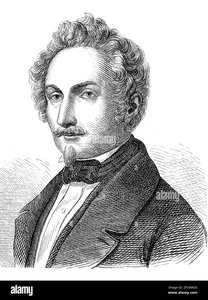
carl anton joseph rottmann
1797 - 1850 , Germany
Основные сведения
- Artistic Movement Or Style: Romanticism, Neoclassicism
- Artists Or Movements Influenced By This Artist:
- Joshua Reynolds
- Romanticism
- Artists Who Influenced This Artist:
- Janys Zedres
- Rembrandt
- Date Of Birth: September 3, 1734
- Date Of Death: August 29, 1797
- Full Name: Joseph Wright of Derby
- Nationality: English
- Notable Artworks:
- An Experiment on a Bird in the Air Pump
- The Slaughtered Horse
- A Man Defending His Cart
- Place Of Birth: Derby, England