

 Предпросмотр
 Поделиться
 Поделиться
 Детали произведения

 Скачать
 Похожие работы
 Рентгенография
 Слайд-шоу
 Статистика
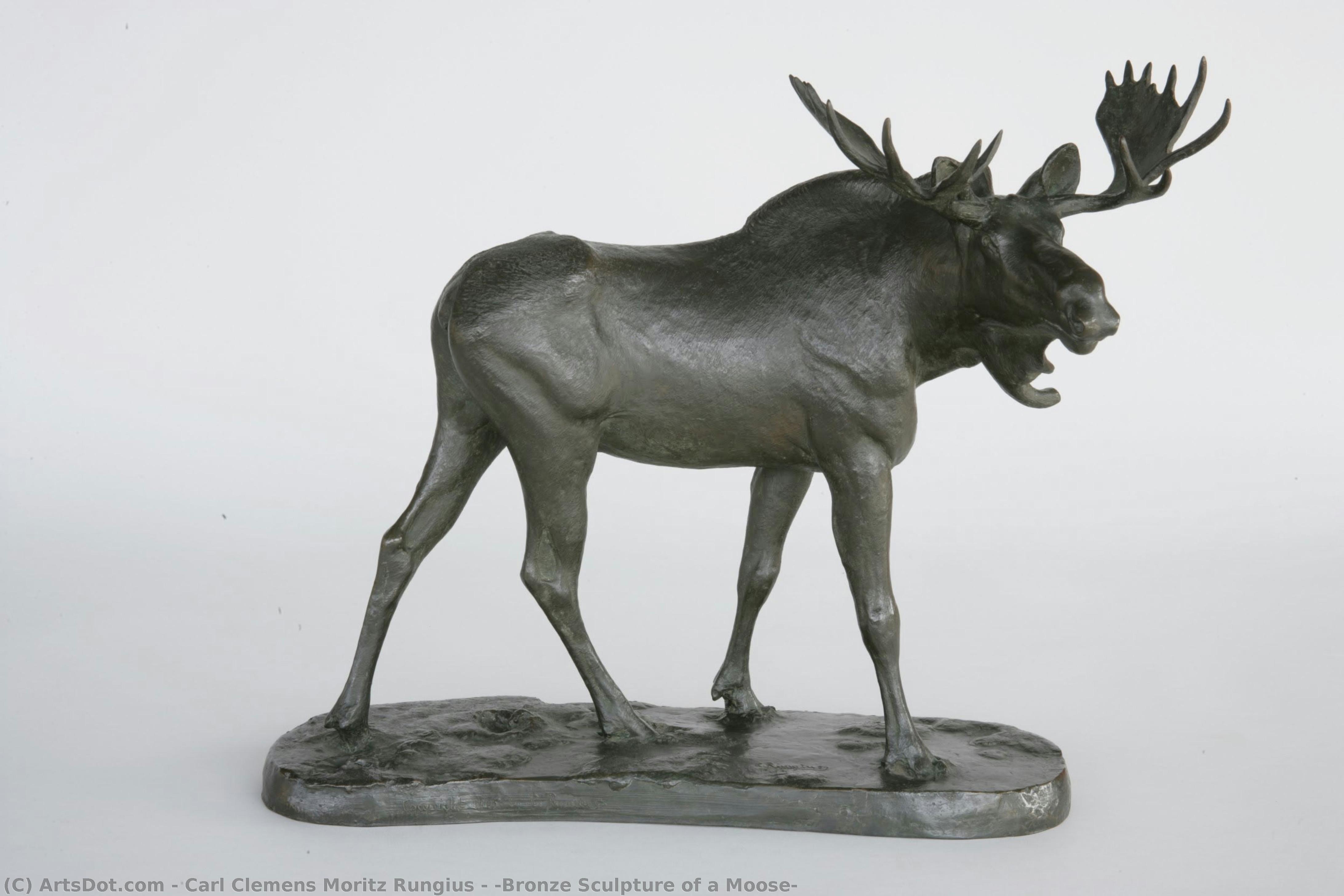
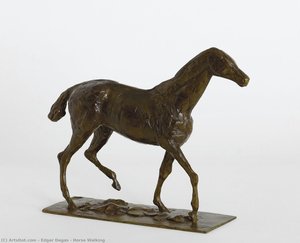
(Bronze Sculpture of a Moose)


 Читать далее
Приобретите цифровое изображение высокого разрешения в улучшенном качестве, которое значительно превосходит онлайн-превью.
Каждый файл тщательно подготавливается нашими специалистами с использованием передовых инструментов и экспертной ручной ретуши. Мы гарантируем исключительную четкость, точную цветопередачу и детальную проработку каждого изображения.
Финальный файл доставляется по электронной почте в течение 72 часов и оптимизирован для немедленного использования в профессиональной среде, при верстке и печати. Это тот же уровень качества, которому доверяют ведущие дизайнерские студии, издательства и галереи.
Цифровое изображение
Скачайте файл высокого разрешения для личного использования, печати и творческих проектов. ( Перейти к печати Купить картину ручной работы)
Включено в каждый заказ цифровых изображений
Гарантия экспертной цифровой доставки
Выбирая ArtsDot.com, вы получаете не просто изображение — вы приобретаете профессионально обработанное цифровое произведение искусства, созданное с безупречной точностью и под защитой гарантии качества. Вот всё, что автоматически входит в ваш заказ:

Мгновенная доставка по e-mail
Ваш цифровой файл в высоком разрешении будет отправлен вам по электронной почте в течение 72 часов после оформления заказа — и сразу станет доступен для использования.

Цифровой файл с ИИ-улучшением
Ваше произведение искусства проходит профессиональную оптимизацию с использованием передовых инструментов ИИ и ручной обработки, что гарантирует максимальную детализацию, четкость и точность цветопередачи.

Бессрочная бесплатная повторная доставка
Случайно удалили или потеряли файл? Не беспокойтесь — мы отправим его вам повторно в любое время и совершенно бесплатно.

Без импортных пошлин — навсегда
Наслаждайтесь вашим произведением искусства мгновенно без таможенных пошлин, сборов или затрат на доставку — цифровые загрузки всегда не облагаются налогом.

Гарантия точности цветопередачи
Мы гарантируем, что ваше цифровое изображение максимально точно передает оригинальные цвета благодаря использованию профессиональных инструментов и систем управления цветом.

Гарантия удовлетворенности 100 дней
Если вы не будете удовлетворены своим цифровым изображением, мы внесем правки или вернем 100% стоимости в течение 100 дней — без лишних вопросов.

100% Гарантия возврата средств
Не удовлетворены покупкой? Получите полный возврат средств в течение 100 дней после получения цифрового файла — без лишних вопросов.

Скидки на оптовые заказы
Купите 3 изображения, сэкономьте 10% — Купите 5, сэкономьте 15% — Купите 10+, сэкономьте 20%. Отличное решение для творческих проектов, галерей и агентств.
Похожие произведения






Биография художника
A Pioneer of the American Wilderness: The Life and Art of Carl Rungius
Carl Clemens Moritz Rungius, a name synonymous with the golden age of North American wildlife art, wasn’t born into the vast landscapes he so masterfully depicted. He arrived at his artistic destiny through a fascinating journey that began in the bustling heart of Germany in 1869. Born near Berlin to Pastor Heinrich Rungius and Magdalene Fulda, young Carl's childhood was steeped in an unusual blend of religious upbringing and a familial fascination with the natural world—a grandfather who practiced taxidermy ensured animals were not merely subjects for sermons but objects of keen observation. This early exposure ignited within him a passion for hunting and, crucially, a desire to capture the essence of wild creatures on canvas. Though initially resistant to formal schooling, Rungius pursued artistic training at the Berlin Art Academy, finding himself more captivated by sketching animals at the Berlin Zoo than mastering ornamental design. He even undertook rather unconventional studies—visiting glue factories to understand animal anatomy and observing the effects of hunting firsthand—demonstrating a commitment to realism that would define his career.From European Roots to American Horizons
Despite early artistic promise, Rungius faced obstacles. His father initially disapproved of a painting career, insisting on a more “respectable” trade. For three summers, Carl apprenticed as a house painter, but the call of the wild proved too strong. A pivotal moment arrived with an invitation from his uncle Clemens Fulda to hunt moose in Maine in 1894, followed by a transformative trip to Wyoming in 1895. The open skies, majestic mountains, and abundant big game of the American West ignited a passion that would forever alter his artistic course. He realized he had found his true home, declaring his heart belonged “in the west.” In 1896, Rungius immigrated to the United States, determined to dedicate himself to portraying the untamed beauty of North America. This wasn’t merely a geographical shift; it was an ideological one. He sought to capture a wilderness that was rapidly changing, recognizing its intrinsic value and fragility.The First Career Wildlife Artist
Rungius quickly established himself as a unique voice in American art. While European artists had long depicted wildlife, Rungius was the first to pursue it as a full-time profession in North America. He didn’t simply paint animals; he immersed himself in their world, meticulously studying their behavior, anatomy, and habitat. Hunting wasn't just a pastime for him—it was research. His summers were spent on expeditions to New Brunswick, the Yukon, and throughout the Rocky Mountains, sketching, painting *en plein air*, and gathering reference material. This dedication to authenticity set his work apart. He became renowned for his realistic depictions of moose, caribou, deer, and other iconic North American game animals, often placing them within dramatic landscapes that conveyed a sense of both grandeur and vulnerability. His technique blended German realism with an impressionistic sensibility, resulting in paintings that were both scientifically accurate and emotionally evocative.Legacy and Lasting Influence
Rungius’s impact on American wildlife art is immeasurable. He wasn't just a painter; he was a conservationist before the term became commonplace. His work helped to raise awareness about the importance of preserving wild spaces and protecting endangered species. Throughout his career, Rungius received numerous accolades, including membership in the National Academy of Design. His paintings were exhibited widely and acquired by prominent museums and collectors. He established a summer studio in Banff, Canada, further solidifying his connection to the North American wilderness. Today, Carl Rungius is remembered as the foremost big game painter in North America—a true pioneer who captured the spirit of the wild with unparalleled skill and passion. His legacy continues to inspire artists and conservationists alike, reminding us of the enduring power of art to connect us to the natural world and advocate for its preservation.Key Characteristics of Rungius’s Work
- Realism and Accuracy: Meticulous attention to anatomical detail, informed by direct observation and hunting experience.
- Dramatic Landscapes: Animals are often depicted within expansive, evocative landscapes that emphasize their natural habitat.
- Impressionistic Technique: A blend of German realism with loose brushwork and a focus on light and atmosphere.
- Emphasis on Big Game: Rungius is particularly known for his paintings of moose, caribou, deer, and other large North American mammals.
- Conservation Ethos: His work implicitly promotes the preservation of wildlife and wild spaces.
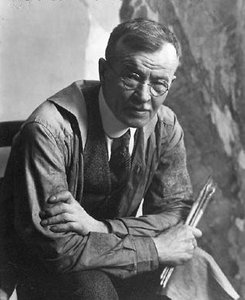
Carl Clemens Moritz Rungius
1869 - 1959 , Germany
Основные сведения
- Artistic Movement Or Style: Wildlife Realism
- Artists Or Movements Influenced By This Artist: ['North American wildlife art']
- Artists Who Influenced This Artist: ['Richard Friese']
- Date Of Birth: August 18, 1869
- Date Of Death: October 21, 1959
- Full Name: Carl Clemens Moritz Rungius
- Nationality: German and American
- Notable Artworks:
- Mule Deer
- Cliff Dwellers
- Woodland Stag
- Place Of Birth: Rixdorf, Germany