 Предпросмотр
 Поделиться
 Поделиться
 Детали произведения

 Скачать
 Похожие работы
 Рентгенография
 Слайд-шоу
 Статистика
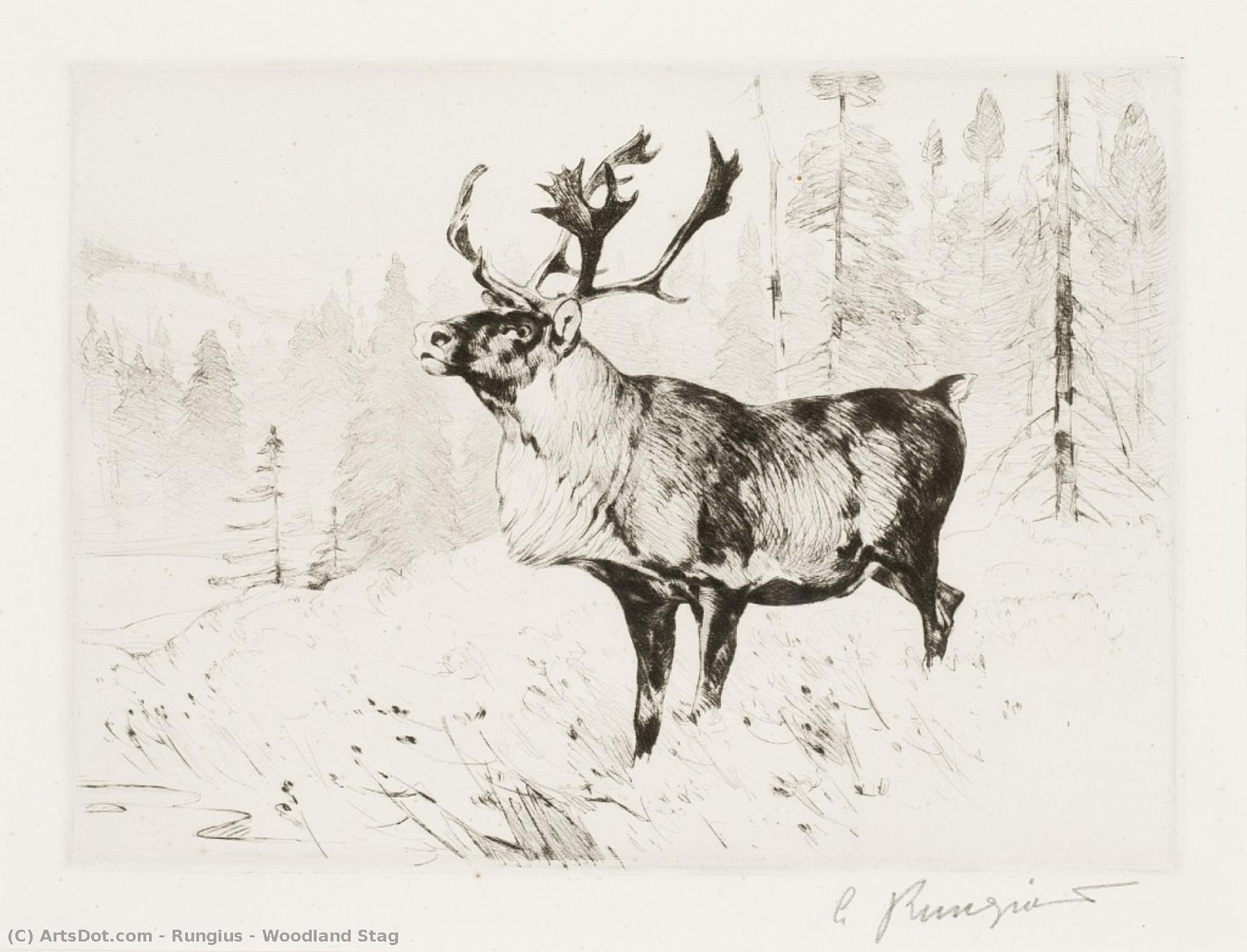
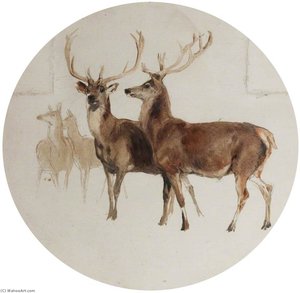
Woodland Stag
 Naturalism
 1926
1926 6.0 x 8.0 cm
 Читать далее
Масляная репродукция ручной работы
Картина маслом на холсте в выбранном вами размере и раме, написанная на заказ нашими художниками. ( Перейти к печати Перейти к цифровым изображениям)




































Выберите один из наших стандартных размеров, соответствующих оригинальным пропорциям произведения искусства.

Вы можете указать собственные размеры, чтобы картина идеально вписалась в выбранную раму или пространство. Если выбранный вами размер не соответствует пропорциям оригинала, мы либо обрежем полотно, либо расширим его за счет дополнительных элементов, написанных вручную. Цифровой макет будет отправлен вам на утверждение перед началом производства.
Обратите внимание, что предварительный просмотр на экране не отражает фактическую обрезку или расширение. Только макет точно покажет окончательную композицию.
Хотя доступны индивидуальные размеры, мы рекомендуем выбирать вариант из предопределенного списка, чтобы сохранить исходные пропорции.
После оформления заказа команда ArtsDot.com свяжется с клиентом по электронной почте для уточнения деталей и предоставит предварительный макет
Доставка по всему миру () за 3–4 недели вместо стандартных 5 недель. (12 Сентябрь). Без компромиссов в качестве.

Бесплатная экспресс-доставка по всему миру

Высококачественный льняной холст

Полное страхование доставки

Гарантия возмещения таможенных пошлин

Гарантия точного соответствия цветов

100-дневная политика возврата (только при обнаружении дефектов)

Гарантия возврата 100% средств

Предложение оптовых скидок
 Вариант со стеклом доступен только для размеров менее 110 см

Woodland Stag
Техника репродукции
Размер репродукции
-


Итоговая стоимость
$ 263
Похожие произведения

Биография художника
A Pioneer of the American Wilderness: The Life and Art of Carl Rungius
Carl Clemens Moritz Rungius, a name synonymous with the golden age of North American wildlife art, wasn’t born into the vast landscapes he so masterfully depicted. He arrived at his artistic destiny through a fascinating journey that began in the bustling heart of Germany in 1869. Born near Berlin to Pastor Heinrich Rungius and Magdalene Fulda, young Carl's childhood was steeped in an unusual blend of religious upbringing and a familial fascination with the natural world—a grandfather who practiced taxidermy ensured animals were not merely subjects for sermons but objects of keen observation. This early exposure ignited within him a passion for hunting and, crucially, a desire to capture the essence of wild creatures on canvas. Though initially resistant to formal schooling, Rungius pursued artistic training at the Berlin Art Academy, finding himself more captivated by sketching animals at the Berlin Zoo than mastering ornamental design. He even undertook rather unconventional studies—visiting glue factories to understand animal anatomy and observing the effects of hunting firsthand—demonstrating a commitment to realism that would define his career.From European Roots to American Horizons
Despite early artistic promise, Rungius faced obstacles. His father initially disapproved of a painting career, insisting on a more “respectable” trade. For three summers, Carl apprenticed as a house painter, but the call of the wild proved too strong. A pivotal moment arrived with an invitation from his uncle Clemens Fulda to hunt moose in Maine in 1894, followed by a transformative trip to Wyoming in 1895. The open skies, majestic mountains, and abundant big game of the American West ignited a passion that would forever alter his artistic course. He realized he had found his true home, declaring his heart belonged “in the west.” In 1896, Rungius immigrated to the United States, determined to dedicate himself to portraying the untamed beauty of North America. This wasn’t merely a geographical shift; it was an ideological one. He sought to capture a wilderness that was rapidly changing, recognizing its intrinsic value and fragility.The First Career Wildlife Artist
Rungius quickly established himself as a unique voice in American art. While European artists had long depicted wildlife, Rungius was the first to pursue it as a full-time profession in North America. He didn’t simply paint animals; he immersed himself in their world, meticulously studying their behavior, anatomy, and habitat. Hunting wasn't just a pastime for him—it was research. His summers were spent on expeditions to New Brunswick, the Yukon, and throughout the Rocky Mountains, sketching, painting *en plein air*, and gathering reference material. This dedication to authenticity set his work apart. He became renowned for his realistic depictions of moose, caribou, deer, and other iconic North American game animals, often placing them within dramatic landscapes that conveyed a sense of both grandeur and vulnerability. His technique blended German realism with an impressionistic sensibility, resulting in paintings that were both scientifically accurate and emotionally evocative.Legacy and Lasting Influence
Rungius’s impact on American wildlife art is immeasurable. He wasn't just a painter; he was a conservationist before the term became commonplace. His work helped to raise awareness about the importance of preserving wild spaces and protecting endangered species. Throughout his career, Rungius received numerous accolades, including membership in the National Academy of Design. His paintings were exhibited widely and acquired by prominent museums and collectors. He established a summer studio in Banff, Canada, further solidifying his connection to the North American wilderness. Today, Carl Rungius is remembered as the foremost big game painter in North America—a true pioneer who captured the spirit of the wild with unparalleled skill and passion. His legacy continues to inspire artists and conservationists alike, reminding us of the enduring power of art to connect us to the natural world and advocate for its preservation.Key Characteristics of Rungius’s Work
- Realism and Accuracy: Meticulous attention to anatomical detail, informed by direct observation and hunting experience.
- Dramatic Landscapes: Animals are often depicted within expansive, evocative landscapes that emphasize their natural habitat.
- Impressionistic Technique: A blend of German realism with loose brushwork and a focus on light and atmosphere.
- Emphasis on Big Game: Rungius is particularly known for his paintings of moose, caribou, deer, and other large North American mammals.
- Conservation Ethos: His work implicitly promotes the preservation of wildlife and wild spaces.
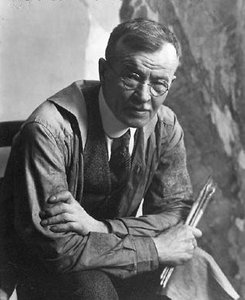
Carl Clemens Moritz Rungius
1869 - 1959 , Germany
Основные сведения
- Artistic Movement Or Style: Wildlife Realism
- Artists Or Movements Influenced By This Artist: ['North American wildlife art']
- Artists Who Influenced This Artist: ['Richard Friese']
- Date Of Birth: August 18, 1869
- Date Of Death: October 21, 1959
- Full Name: Carl Clemens Moritz Rungius
- Nationality: German and American
- Notable Artworks:
- Mule Deer
- Cliff Dwellers
- Woodland Stag
- Place Of Birth: Rixdorf, Germany