

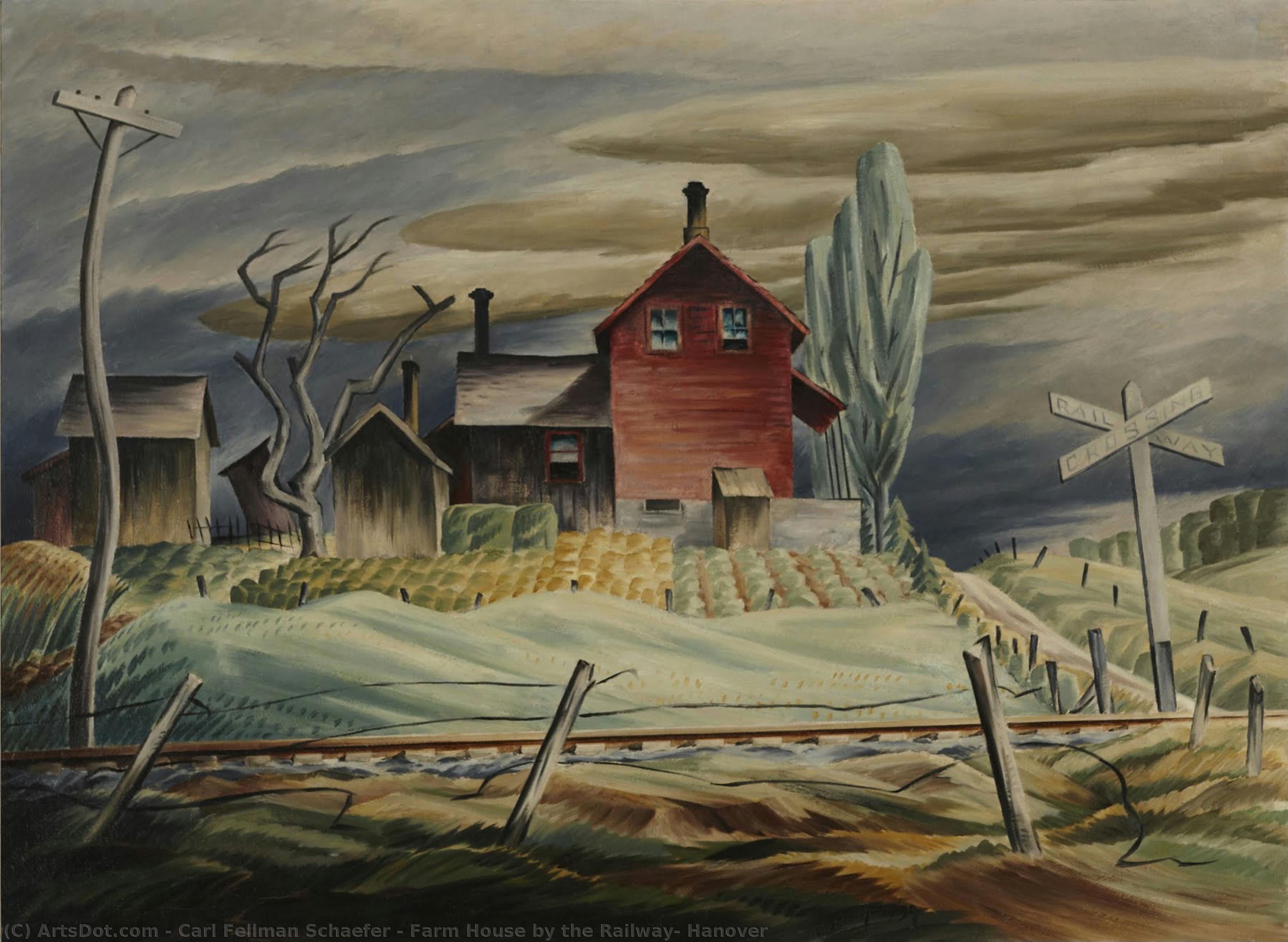
 Предпросмотр
 Поделиться
 Поделиться
 Детали произведения

 Скачать
 Похожие работы
 Рентгенография
 Слайд-шоу
 Статистика
Farm House by the Railway, Hanover


 Читать далее
Приобретите цифровое изображение высокого разрешения в улучшенном качестве, которое значительно превосходит онлайн-превью.
Каждый файл тщательно подготавливается нашими специалистами с использованием передовых инструментов и экспертной ручной ретуши. Мы гарантируем исключительную четкость, точную цветопередачу и детальную проработку каждого изображения.
Финальный файл доставляется по электронной почте в течение 72 часов и оптимизирован для немедленного использования в профессиональной среде, при верстке и печати. Это тот же уровень качества, которому доверяют ведущие дизайнерские студии, издательства и галереи.
Цифровое изображение
Скачайте файл высокого разрешения для личного использования, печати и творческих проектов. ( Перейти к печати Купить картину ручной работы)
Включено в каждый заказ цифровых изображений
Гарантия экспертной цифровой доставки
Выбирая ArtsDot.com, вы получаете не просто изображение — вы приобретаете профессионально обработанное цифровое произведение искусства, созданное с безупречной точностью и под защитой гарантии качества. Вот всё, что автоматически входит в ваш заказ:

Мгновенная доставка по e-mail
Ваш цифровой файл в высоком разрешении будет отправлен вам по электронной почте в течение 72 часов после оформления заказа — и сразу станет доступен для использования.

Цифровой файл с ИИ-улучшением
Ваше произведение искусства проходит профессиональную оптимизацию с использованием передовых инструментов ИИ и ручной обработки, что гарантирует максимальную детализацию, четкость и точность цветопередачи.

Бессрочная бесплатная повторная доставка
Случайно удалили или потеряли файл? Не беспокойтесь — мы отправим его вам повторно в любое время и совершенно бесплатно.

Без импортных пошлин — навсегда
Наслаждайтесь вашим произведением искусства мгновенно без таможенных пошлин, сборов или затрат на доставку — цифровые загрузки всегда не облагаются налогом.

Гарантия точности цветопередачи
Мы гарантируем, что ваше цифровое изображение максимально точно передает оригинальные цвета благодаря использованию профессиональных инструментов и систем управления цветом.

Гарантия удовлетворенности 100 дней
Если вы не будете удовлетворены своим цифровым изображением, мы внесем правки или вернем 100% стоимости в течение 100 дней — без лишних вопросов.

100% Гарантия возврата средств
Не удовлетворены покупкой? Получите полный возврат средств в течение 100 дней после получения цифрового файла — без лишних вопросов.

Скидки на оптовые заказы
Купите 3 изображения, сэкономьте 10% — Купите 5, сэкономьте 15% — Купите 10+, сэкономьте 20%. Отличное решение для творческих проектов, галерей и агентств.
Похожие произведения









Биография художника
Paul Gauguin: A Savage Soul and a Revolutionary Vision
Eugène Henri Paul Gauguin (1848-1903) remains one of the most enigmatic and influential figures in modern art. Born in Paris amidst the fervor of Europe’s revolutionary year, his life was a relentless pursuit of artistic authenticity, marked by wanderlust, social upheaval, and a profound rejection of academic conventions. More than simply an artist, Gauguin cultivated a dual image – that of the “wolfish wild man” and the sensitive martyr for art – a carefully constructed persona designed to both challenge and captivate the world. His journey from stockbroker to iconoclast is a testament to his unwavering commitment to expressing his inner vision, regardless of societal expectations.
Gauguin’s early life was characterized by instability and travel. His family moved to Peru when he was young, an experience that profoundly shaped his worldview and instilled in him a fascination with the exotic and primitive. This early exposure to different cultures would later inform his artistic choices, particularly his depictions of native life and landscapes. Returning to France, he received a largely informal education, primarily through association with other artists like Camille Pissarro, who became a crucial mentor and guide. Initially drawn to Impressionism, Gauguin quickly outgrew its limitations, seeking a more direct and emotionally charged approach to representation.
The Seeds of Rebellion: Style and Influences
Gauguin’s artistic development was not linear; it involved a complex interplay of influences and a deliberate rejection of established norms. He began his career working with Impressionists like Pissarro, absorbing their techniques for capturing light and color. However, he soon sought to move beyond mere observation, aiming instead to express deeper emotions and symbolic meanings. He studied the works of Dutch masters such as Rembrandt and Vermeer, admiring their use of chiaroscuro (contrast between light and dark) and their ability to convey psychological depth. The writings of Charles Baudelaire, with his exploration of the subconscious and the exotic, also profoundly impacted his artistic sensibilities.
Crucially, Gauguin was influenced by Spanish masters like Velázquez, whose use of bold color and flattened perspective resonated deeply with his desire for a more direct and expressive style. He deliberately distanced himself from the rigid rules of academic art, embracing instead a looser, more intuitive approach to painting. This rebellion manifested in his distinctive brushwork – broad, sweeping strokes applied with a confident disregard for traditional detail—and his use of vibrant, often non-naturalistic colors.
Tahitian Dreams: A New Eden
In 1893, Gauguin embarked on a transformative journey to Tahiti, seeking refuge from the perceived corruption and materialism of European society. This move marked a radical shift in his artistic practice and personal life. He envisioned Tahiti as a “new Eden,” a place where he could create art free from the constraints of Western civilization. His Tahitian paintings—such as *Vision of Iriéné* (1892) and *Nafea fa tatoua?* (1892)—are characterized by their bold colors, simplified forms, and symbolic imagery.
These works represent a departure from Impressionism and a move towards a more personal and expressive style. Gauguin employed flattened perspectives, stylized figures, and potent symbolism to convey his emotional responses to the island’s beauty and its inhabitants. He depicted scenes of daily life—fishing, dancing, and religious rituals—but always filtered them through his own subjective vision. His use of red, a color often associated with passion and violence, further underscored the intensity of his experience.
Legacy and Lasting Impact
Gauguin’s impact on 20th-century art is undeniable. He challenged conventional notions of beauty and representation, paving the way for movements like Fauvism and Expressionism. His emphasis on color, emotion, and personal expression profoundly influenced artists such as Van Gogh, Matisse, and Picasso. Despite facing criticism during his lifetime, Gauguin’s work gained increasing recognition after his death in 1903, solidifying his place as a pivotal figure in the development of modern art.
More than just an artist, Gauguin was a complex and contradictory individual—a self-proclaimed savage, a sensitive martyr for art, and a restless wanderer. His life and work continue to fascinate and inspire, reminding us of the power of art to challenge conventions, express profound emotions, and offer a glimpse into the depths of the human soul.
carl fellman schaefer
1903 - 1995 , Canada
Основные сведения
- Artistic Movement Or Style:
- Post-Impressionism
- Symbolism
- Artists Or Movements Influenced By This Artist:
- Paul Cézanne
- Fauvism
- Expressionism
- Artists Who Influenced This Artist:
- Camille Pissarro
- Vincent van Gogh
- Date Of Birth: July 7, 1848
- Date Of Death: May 8, 1903
- Full Name: Eugène Henri Paul Gauguin
- Nationality: French
- Notable Artworks:
- Vision of the Sermon
- Iahona and Her Son
- Place Of Birth: Paris, France