

 Предпросмотр
 Поделиться
 Поделиться
 Детали произведения

 Скачать
 Похожие работы
 Рентгенография
 Слайд-шоу
 Статистика
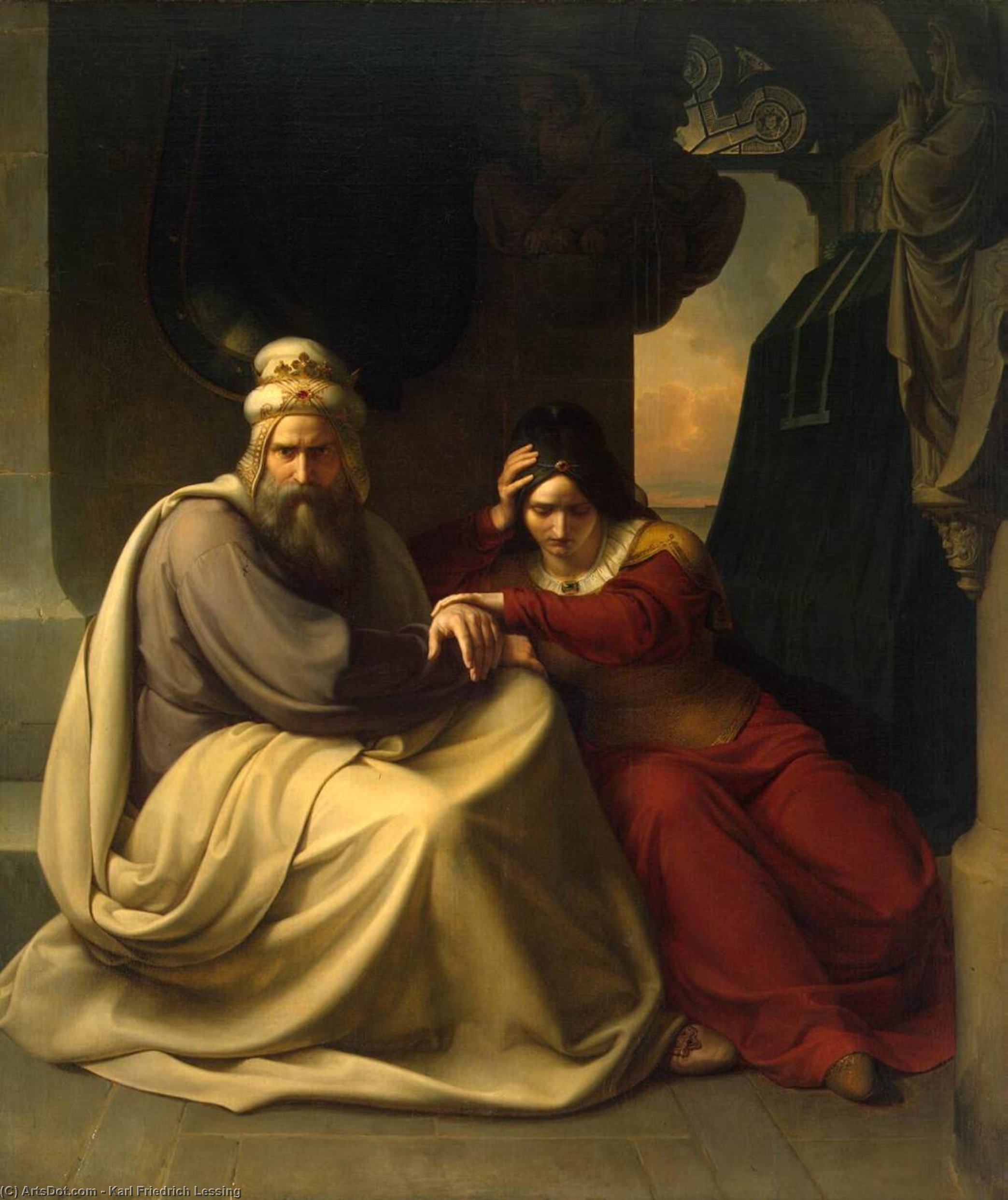
Royal Couple Mourning for their Dead Daughter
 Oil On Canvas
- WallArt
- Romanticism
 1830
1830- 19th Century
 215.0 x 193.0 cm
 Эрмитаж
 Читать далее
Масляная репродукция ручной работы
Картина маслом на холсте в выбранном вами размере и раме, написанная на заказ нашими художниками. ( Перейти к печати Перейти к цифровым изображениям)




P118B $10

P118H $10

P118W $10

P438Z $10

P508JH $12

P508YH $12

P805H $10

P805Z $10

P919BZ $10

P919G $10

P919XJ $10

P959ZH $10

P968JZ $12

W106C $8

W218G $10

W218JH $8

W218Y $10

W307PJ $10

W316G $10

W316PJ $8

W316Y $10

W398PJ $8

W4111J $10

W500HY $15

W500JH $15

W692G $12

W849H $8

W940BG $15

W953PJ $8




Выберите один из наших стандартных размеров, соответствующих оригинальным пропорциям произведения искусства.

Вы можете указать собственные размеры, чтобы картина идеально вписалась в выбранную раму или пространство. Если выбранный вами размер не соответствует пропорциям оригинала, мы либо обрежем полотно, либо расширим его за счет дополнительных элементов, написанных вручную. Цифровой макет будет отправлен вам на утверждение перед началом производства.
Обратите внимание, что предварительный просмотр на экране не отражает фактическую обрезку или расширение. Только макет точно покажет окончательную композицию.
Хотя доступны индивидуальные размеры, мы рекомендуем выбирать вариант из предопределенного списка, чтобы сохранить исходные пропорции.
После оформления заказа команда ArtsDot.com свяжется с клиентом по электронной почте для уточнения деталей и предоставит предварительный макет
Доставка по всему миру () за 3–4 недели вместо стандартных 5 недель. (11 Сентябрь). Без компромиссов в качестве.

Бесплатная экспресс-доставка по всему миру

Высококачественный льняной холст

Полное страхование доставки

Гарантия возмещения таможенных пошлин

Гарантия точного соответствия цветов

100-дневная политика возврата (только при обнаружении дефектов)

Гарантия возврата 100% средств

Предложение оптовых скидок
 Вариант со стеклом доступен только для размеров менее 110 см

Royal Couple Mourning for their Dead Daughter
Техника репродукции
Размер репродукции
-


Итоговая стоимость
$ 263
A Symphony of Sorrow: The Poignant World of Carl Friedrich Lessing
In the quiet, heavy atmosphere of 1830, a masterpiece emerged that would capture the very essence of human fragility. Carl Friedrich Lessing’s "Royal Couple Mourning for Their Dead Daughter" is not merely a portrait of nobility; it is an intimate window into the universal experience of grief. As one gazes upon this profound composition, the viewer is immediately drawn into a landscape where the boundaries between the external world and internal heartache dissolve. The painting presents a man and woman, draped in the somber tones of loss, seated together on a bench. The man, distinguished by his long white beard and thoughtful hat, sits in a state of quiet contemplation, while the woman, dressed in striking red, provides a singular, vibrant pulse of life amidst the surrounding melancholy. This splash of color does not signify joy, but rather serves as a poignant reminder of the warmth and vitality that has been extinguished by death.
The setting itself acts as a silent participant in this tragedy. Set against a backdrop of weathered stone walls and the distant, hazy silhouettes of mountains, the environment reflects the crumbling nature of life itself. The presence of a small cup placed near the couple serves as a subtle yet devastating symbol—a memento mori that suggests a moment interrupted, a ritual left unfinished. This careful placement of objects invites collectors and enthusiasts to look beyond the surface, finding deep narrative layers within the stillness of the scene.
The Düsseldorf School: Mastery of Texture and Tone
To understand the technical brilliance of this work, one must look to the legacy of the Düsseldorf School. Lessing was a master of this movement, a group of artists who moved away from the sterile perfection of idealized landscapes toward a more visceral, emotional realism. His technique in this piece is nothing short of masterful, utilizing meticulous tonal gradations of grey, ochre, and muted earth tones to craft an atmosphere of subdued solemnity. There is a palpable weight to the air within the frame, achieved through the artist's skilled use of impasto brushstrokes.
These thick, textured applications of pigment are particularly evident in the depiction of the rugged terrain and the decaying architectural elements. This tactile quality does more than just mimic physical stone or earth; it adds a layer of emotional resonance, where the roughness of the paint mirrors the jagged edges of a broken heart. For the interior designer or art lover, this texture offers an incredible depth that brings a sense of history and gravity to any space, making a high-quality reproduction feel like a window into a much larger, more complex world.
Romanticism and the Sublime Beauty of Loss
The historical heartbeat of this painting is found within the Romantic era, a period defined by an intense fascination with the sublime—the overwhelming feeling of awe and terror when confronting the vastness of nature and mortality. Influenced by the philosophical currents of thinkers like Goethe, Lessing sought to evoke feelings rather than simply document facts. In "Royal Couple Mourning for Their Dead Daughter," he achieves this by blending historical grandeur with a deeply personal tragedy.
The painting invites a contemplative state of mind, making it an ideal centerpiece for those seeking art that stimulates thought and emotional connection. It is a work that celebrates the beauty found in sadness and the dignity found in remembrance. Whether displayed in a private study or a grand living hall, this piece serves as a powerful testament to the enduring human spirit and the ability of art to transform the most painful of memories into something timeless, beautiful, and profoundly moving.
Похожие произведения


Биография художника
early life and education
carl friedrich lessing, a renowned german historical and landscape painter, was born on february 15, 1808, in breslau (now wrocław), poland. he was the grandnephew of the esteemed poet and dramaturge gotthold ephraim lessing. lessing's early education laid the foundation for his future artistic pursuits. he studied architecture at the berlin bauakademie in 1822, followed by enrollment at the königlich-preussische akademie der wissenschaften (royal prussian academy of the sciences) from 1823 to 1826.artistic career and influences
lessing's artistic career was marked by his association with friedrich wilhelm von schadow, under whose guidance he developed his skills in historical painting. in 1830, lessing's works, blending history and landscape elements, earned him recognition as one of the finest artists of the düsseldorf school. his notable paintings include:- landscape with castle ruins and riders (1878)
- soldiers at rest (1877)
- motif from the harz mountains (1870)
- landscape (1862)
- upper rhine chapel (1860)
leadership and legacy
lessing co-founded the artists' association malkasten (paint box) in 1848. from 1858 until his death in 1880, he served as the director of the grand ducal painting gallery and print collection in karlsruhe. key achievements:- first success with a painting at the berlin art exhibition (1826)
- accepted into schadow's atelier
- co-founder of malkasten (paint box) artists' association
- director of the grand ducal painting gallery and print collection in karlsruhe
references and further reading
for more on carl friedrich lessing, explore these links: note: the provided links are from ArtsDot.com and wikipedia, as per the instruction to only include relevant links from these sources.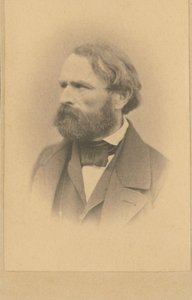
carl friedrich lessing
1808 - 1880 , Poland
Основные сведения
- Artistic Movement Or Style: Düsseldorf School
- Artists Or Movements Influenced By This Artist: ['Romanticism']
- Artists Who Influenced This Artist: ['Friedrich Wilhelm von Schadow']
- Date Of Birth: February 15, 1808
- Date Of Death: January 4, 1880
- Full Name: Karl Friedrich Lessing
- Nationality: German
- Notable Artworks:
- Landscape with Crows
- Bode Museum
- Place Of Birth: Wrocław, Poland
Похожие статьи

Echoes of Absence: Loss & Grief in Visual Art Through the Ages
Explore the profound history of grief in art, from Renaissance masterpieces to contemporary expressions. Discover how artists have captured loss, mourning, and mortality through powerful imagery & symbolism. ArtsDot offers expert insights.
The Visceral Language of Loss: Exploring Grief's Depiction in Art History
Explore the profound history of grief in art with ArtsDot. Discover Renaissance & Baroque masterpieces depicting loss, mourning, and faith. Expert insights & handmade reproductions available.
Echoes of Loss: Exploring Representations of Grief Across Art History
Explore the profound history of grief in art, from Renaissance masterpieces to Baroque drama. Discover how artists captured loss, mourning & faith through powerful imagery. Expert insights at ArtsDot.

Caspar David Friedrich: Romanticism's Master of Landscape & the Sublimity of Inner Experience
Explore the profound landscapes of Caspar David Friedrich, a master of German Romanticism. Discover the symbolism, themes & enduring influence of this iconic artist. A deep dive into his life and work.

Романтический пейзаж: 10 шедевров, изменивших искусство | ArtsDot.com
Погрузитесь в мир романтического пейзажа! 10 шедевров Фридриха, Тёрнера и других гениев. Узнайте историю создания культовых картин и вдохновитесь для декора интерьера. Репродукции высокого качества на ArtsDot.com.