

 Предпросмотр
 Поделиться
 Поделиться
 Детали произведения

 Скачать
 Похожие работы
 Рентгенография
 Слайд-шоу
 Статистика
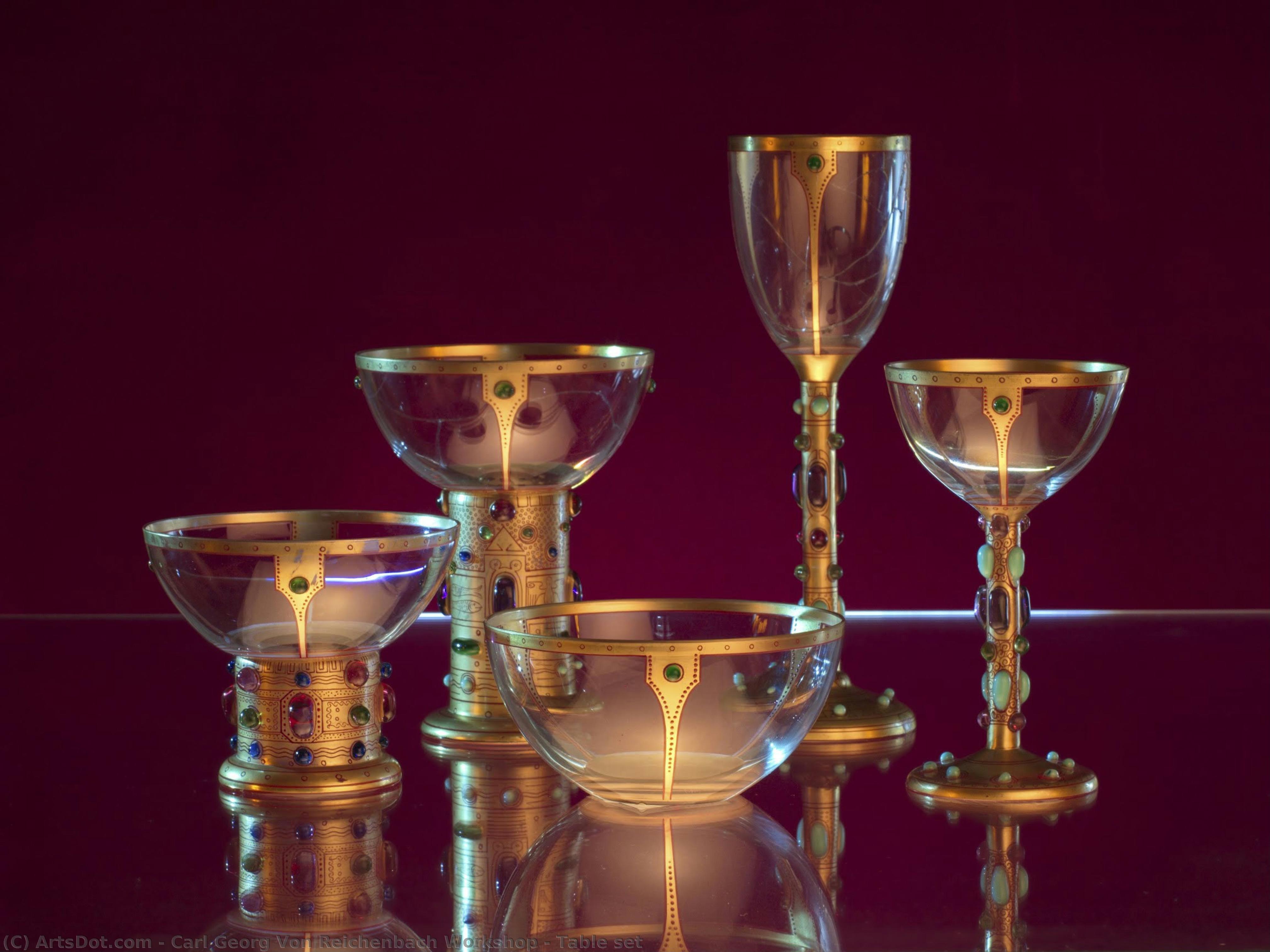
Table set


 Читать далее
Масляная репродукция ручной работы
Картина маслом на холсте в выбранном вами размере и раме, написанная на заказ нашими художниками. ( Перейти к печати Перейти к цифровым изображениям)




P118B $10

P118H $10

P118W $10

P438Z $10

P508JH $12

P508YH $12

P805H $10

P805Z $10

P919BZ $10

P919G $10

P919XJ $10

P959ZH $10

P968JZ $12

W106C $8

W218G $10

W218JH $8

W218Y $10

W307PJ $10

W316G $10

W316PJ $8

W316Y $10

W398PJ $8

W4111J $10

W500HY $15

W500JH $15

W692G $12

W849H $8

W940BG $15

W953PJ $8




Выберите один из наших стандартных размеров, соответствующих оригинальным пропорциям произведения искусства.

Вы можете указать собственные размеры, чтобы картина идеально вписалась в выбранную раму или пространство. Если выбранный вами размер не соответствует пропорциям оригинала, мы либо обрежем полотно, либо расширим его за счет дополнительных элементов, написанных вручную. Цифровой макет будет отправлен вам на утверждение перед началом производства.
Обратите внимание, что предварительный просмотр на экране не отражает фактическую обрезку или расширение. Только макет точно покажет окончательную композицию.
Хотя доступны индивидуальные размеры, мы рекомендуем выбирать вариант из предопределенного списка, чтобы сохранить исходные пропорции.
После оформления заказа команда ArtsDot.com свяжется с клиентом по электронной почте для уточнения деталей и предоставит предварительный макет
Доставка по всему миру () за 3–4 недели вместо стандартных 5 недель. (10 Сентябрь). Без компромиссов в качестве.

Бесплатная экспресс-доставка по всему миру

Высококачественный льняной холст

Полное страхование доставки

Гарантия возмещения таможенных пошлин

Гарантия точного соответствия цветов

100-дневная политика возврата (только при обнаружении дефектов)

Гарантия возврата 100% средств

Предложение оптовых скидок
 Вариант со стеклом доступен только для размеров менее 110 см

Table set
Техника репродукции
Размер репродукции
-


Итоговая стоимость
$ 263
A Moment Frozen in Time: The Elegance of Reichenbach’s Table Set
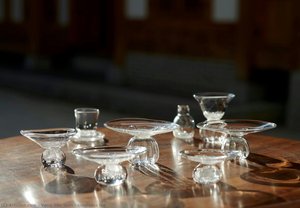
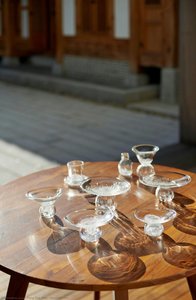
In the quiet corners of the English countryside, where the light of 1906 seemed to linger with a particular softness, Carl Georg von Reichenbach’s workshop captured a scene of profound domestic serenity. Table Set is not merely a depiction of objects; it is a meticulously composed tableau that invites the viewer into a world of refined stillness. The artwork presents a carefully arranged collection of glassware—three cups positioned with intentionality across the center and edges, flanked by four wine glasses that trace the perimeter of the table like silent sentinels. A single bowl rests gracefully to the left, anchoring the composition and completing this delicate arrangement of light and glass.
The technique employed by the Reichenbach workshop leans into the Impressionistic tradition, utilizing a loose brushstroke method that prioritizes the ephemeral quality of atmosphere over rigid, academic precision. Through the medium of oil on canvas, the artist achieves a masterful handling of light and shadow, reminiscent of the legendary Thomas Gainsborough. This approach allows the viewer to experience the subtle gradations of color and the way light dances through the transparent surfaces of the glassware, creating a palpable sense of warmth and tranquility that feels both intimate and timeless.
Symbolism and the Spirit of the Belle Époque
Beyond its visual charm, Table Set serves as a window into the cultural optimism of the Belle Époque. This era, marked by a flourishing of art and technological advancement, is reflected in the painting's themes of refinement and connection. The arrangement itself acts as a powerful symbol of hospitality and conviviality—elements deeply woven into the fabric of English social customs. Each element carries its own poetic weight: the glassware represents a clarity of thought and intention, while the presence of the bowl suggests nourishment, abundance, and the simple joys of a shared meal.
For the discerning collector or interior designer, this piece offers more than just decorative value; it provides an emotional anchor for a room. The muted palette and soft, flowing strokes evoke a deep sense of calm reflection, making it an ideal centerpiece for spaces designed for contemplation, such as a formal dining room, a quiet study, or a luxurious living area. It speaks to a yearning for peace amidst the modern bustle, offering a window into a period where beauty and simplicity were celebrated with utmost grace.
Похожие произведения




Биография художника
Thomas Gainsborough: A Master of Light and Landscape
Thomas Gainsborough, a name synonymous with the quintessential English countryside, was more than just a painter; he was a chronicler of his time, a keen observer of human nature, and a revolutionary in his approach to landscape art. Born on May 14th, 1727, in Sudbury, Suffolk, into a family of cloth merchants, Gainsborough’s early life offered little indication of the artistic path he would forge. His apprenticeship as a silversmith provided a grounding in craftsmanship, but it was his time with Hubert Gravelot, a French book-illustrator and portraitist, that truly ignited his passion for art – specifically, the delicate rendering of detail and the subtle play of light. This early influence shaped his distinctive style, characterized by loose brushwork, atmospheric effects, and an uncanny ability to capture both the grandeur and intimacy of the natural world. Gainsborough’s artistic journey began modestly, initially focusing on portraiture in Ipswich around 1752. However, it was his relocation to Bath in 1759 that marked a pivotal shift. The city's fashionable atmosphere provided a fertile ground for his talent, attracting a wealthy clientele eager for portraits of themselves and their families. He quickly established himself as a leading portraitist, mastering the conventions of the genre while simultaneously injecting a sense of spontaneity and naturalism rarely seen in contemporary works. Yet, despite his commercial success, Gainsborough always maintained that he preferred landscape painting – a sentiment powerfully expressed in his own words: “I’m sick of portraits and wish very much to take my Viol da Gamba and walk off to some sweet Village, where I can paint Landskips and enjoy the fag End of life in quietness and ease.” This inherent desire for the outdoors would ultimately define his legacy. The late 1760s and early 1770s witnessed a remarkable flowering of Gainsborough’s artistic vision. He embarked on extensive tours of the West Country and the Lake District, meticulously documenting the landscapes he encountered. These journeys weren't merely for pleasure; they were deeply formative, allowing him to refine his technique and develop an unparalleled understanding of light, color, and composition. His paintings from this period – works like *The Red Mill* (1779) and *Peach Tree* (1782) – are testaments to his mastery, showcasing a remarkable ability to capture the fleeting effects of weather and season. The loose brushwork, vibrant palette, and sense of immediacy in these landscapes were revolutionary for their time, moving away from the rigid formality of earlier landscape painting and embracing a more expressive and subjective approach. Gainsborough’s artistic development wasn't without its challenges. He famously clashed with the Royal Academy over the hanging of his paintings in 1773, leading to a period of estrangement. This conflict underscored a broader tension between the established conventions of the art world and Gainsborough’s independent spirit. Undeterred, he continued to exhibit his work independently through annual exhibitions at his studio in London, establishing a loyal following among discerning collectors. His later portraits, particularly those of members of the royal family, demonstrated his enduring skill and popularity. Notably, his portrait of George III (1765) is considered one of his finest achievements, capturing the King’s personality with remarkable insight and grace. Thomas Gainsborough's legacy extends far beyond his individual works. He profoundly influenced generations of British artists, paving the way for Romanticism by prioritizing emotional response and subjective experience over strict adherence to classical ideals. His innovative approach to landscape painting established a new standard for capturing the beauty and drama of the English countryside. His willingness to experiment with light, color, and brushwork continues to inspire artists today. Furthermore, recent scholarship has shed light on Gainsborough’s complex relationship with colonialism, revealing that many of his subjects were connected to wealth derived from enslaved people – a crucial element in understanding the full scope of his artistic context. His work remains a vibrant testament to the power of observation, imagination, and the enduring allure of the natural world. He died on August 2nd, 1788, leaving behind a body of work that continues to captivate and inspire audiences worldwide.Key Works
- The Blue Boy (1770) – National Gallery, London
- Mrs. Baker and Her Grandson (1775) – Yale Center for British Art
- Thomas Gainsborough Self-Portrait (1779) – National Portrait Gallery, London
- The Red Mill (1779) – Compton Verney Museum
- Peach Tree (1782) – National Trust, Knole House
- Musidora (c. 1775-78) – Tate Britain
- The Baillie Family (1784) – Tate Britain
Influences and Artistic Style
Key Influences:- Hubert Gravelot: Early training in book illustration.
- William Hogarth: Initially, Gainsborough was influenced by Hogarth’s satirical portraits, though he quickly moved beyond this style.
- Loose Brushwork: Characterized by visible brushstrokes and a sense of spontaneity.
- Atmospheric Effects: Mastery of capturing light, color, and weather conditions.
- Naturalism: A focus on portraying subjects in a realistic and unidealized manner.
- Romantic Sensibility: An emphasis on emotional response and subjective experience.
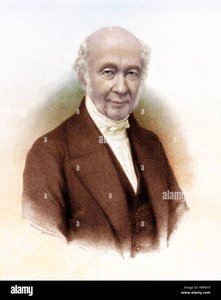
carl georg von reichenbach workshop
1788 - 1869 , Germany
Основные сведения
- Artistic Movement Or Style: Picturesque, Landscape
- Artists Or Movements Influenced By This Artist:
- Rococo
- Romanticism
- Artists Who Influenced This Artist: ['Hubert Gravelot']
- Date Of Birth: May 14, 1727
- Date Of Death: August 2, 1788
- Full Name: Thomas Gainsborough
- Nationality: British
- Notable Artworks:
- Musidora
- The Baillie Family
- Lady Rufford
- Place Of Birth: Sudbury, Suffolk
Похожие статьи

Топ-10 легендарных акварелей, изменивших искусство навсегда | ArtsDot
Погрузитесь в мир акварели! Откройте топ-10 легендарных картин Turner, Monet и других великих художников. История искусства, техники живописи и вдохновение для вашего интерьера. Репродукции музейного качества на ArtsDot.com.

Ephemeral Visions: Exploring the History & Emotional Resonance of Watercolor Painting
Explore the captivating history of watercolor painting, from ancient techniques to modern masters like Kandinsky & Blake. Discover essential artists, collecting tips & the emotional power of this luminous medium. Expert insights for art enthusiasts.
Акварель: История, Техники и Современная Практика
Узнайте историю акварели от древности до современности, познакомьтесь с техниками и секретами мастеров. Пошаговое руководство для начинающих и вдохновение для опытных художников.

Ephemeral Visions: Exploring the Artistic Legacy & Contemporary Practice of Watercolor Painting
Explore the captivating world of watercolor painting! Discover its rich history, essential techniques, influential artists & collecting tips. A comprehensive guide for art enthusiasts from ArtsDot.

Ephemeral Visions: Exploring the Artistic Legacy & Nuances of Watercolor Painting
Explore the captivating world of watercolor painting! Discover its rich history, essential techniques, influential artists & collecting tips from art experts. A comprehensive guide for enthusiasts.