

 Предпросмотр
 Поделиться
 Поделиться
 Детали произведения

 Скачать
 Похожие работы
 Рентгенография
 Слайд-шоу
 Статистика
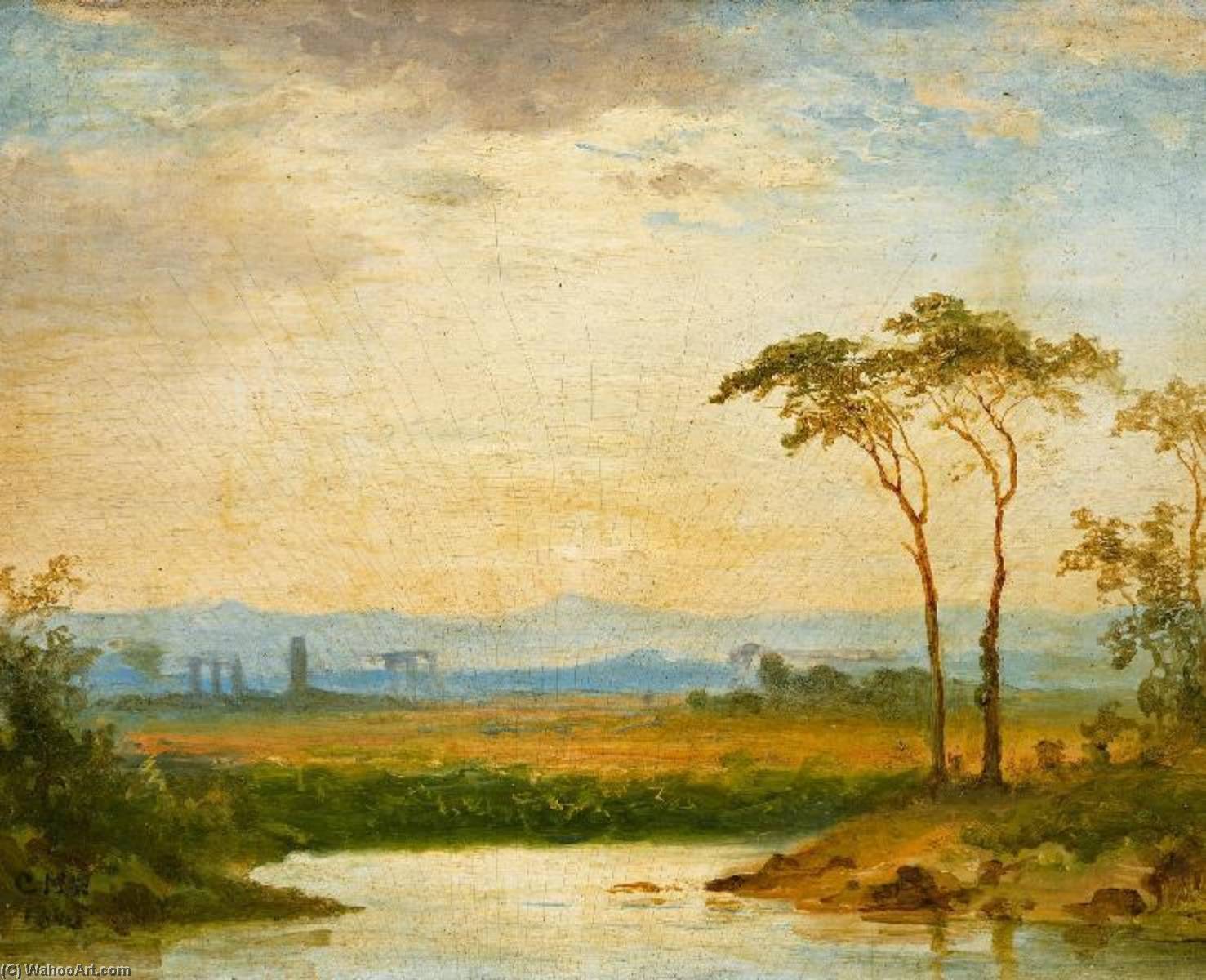
Italian Landscape

 Читать далее
Масляная репродукция ручной работы
Картина маслом на холсте в выбранном вами размере и раме, написанная на заказ нашими художниками. ( Перейти к печати Перейти к цифровым изображениям)




































Выберите один из наших стандартных размеров, соответствующих оригинальным пропорциям произведения искусства.

Вы можете указать собственные размеры, чтобы картина идеально вписалась в выбранную раму или пространство. Если выбранный вами размер не соответствует пропорциям оригинала, мы либо обрежем полотно, либо расширим его за счет дополнительных элементов, написанных вручную. Цифровой макет будет отправлен вам на утверждение перед началом производства.
Обратите внимание, что предварительный просмотр на экране не отражает фактическую обрезку или расширение. Только макет точно покажет окончательную композицию.
Хотя доступны индивидуальные размеры, мы рекомендуем выбирать вариант из предопределенного списка, чтобы сохранить исходные пропорции.
После оформления заказа команда ArtsDot.com свяжется с клиентом по электронной почте для уточнения деталей и предоставит предварительный макет
Доставка по всему миру () за 3–4 недели вместо стандартных 5 недель. (12 Сентябрь). Без компромиссов в качестве.

Бесплатная экспресс-доставка по всему миру

Высококачественный льняной холст

Полное страхование доставки

Гарантия возмещения таможенных пошлин

Гарантия точного соответствия цветов

100-дневная политика возврата (только при обнаружении дефектов)

Гарантия возврата 100% средств

Предложение оптовых скидок
 Вариант со стеклом доступен только для размеров менее 110 см

Italian Landscape
Техника репродукции
Размер репродукции
-


Итоговая стоимость
$ 263
Italian Landscape by Carl Morgenstern: A Serene Glimpse of 19th-Century Italy
- Artist: Carl Morgenstern
- Birth Year: 1811
- Death Year: 1893
Subject and Composition
Carl Morgenstern's "Italian Landscape" offers a tranquil view of a riverbank scene, evocative of the picturesque landscapes popular in 19th-century Europe. The painting centers around two prominent trees standing sentinel near the water’s edge, their forms anchoring the composition. Several smaller trees populate the background, creating depth and contributing to the overall sense of serenity. Three figures are subtly integrated into the landscape – one closer to the left side and two further back on the right – adding a touch of human presence without disrupting the peaceful atmosphere. The river itself flows gently through the scene, reflecting the sky and surrounding foliage.
Style and Technique
"Italian Landscape" exemplifies the Romantic style prevalent during Morgenstern’s time. This artistic movement emphasized emotion, individualism, and the sublime beauty of nature. Morgenstern masterfully employs a soft palette of greens, blues, and browns to capture the idyllic Italian countryside. His brushwork appears delicate and refined, suggesting a focus on capturing light and atmosphere rather than stark realism. The painting's composition utilizes atmospheric perspective – details become softer and colors cooler as they recede into the distance – creating a convincing illusion of depth.
Historical Context and Influences
Morgenstern’s fascination with Italy was a defining characteristic of his artistic career. He spent several years studying in Italy, immersing himself in its landscapes and culture. This work reflects the "Grand Tour" tradition, where European artists and intellectuals would travel to Italy for inspiration and education. The painting also aligns with the broader 19th-century interest in depicting idyllic rural scenes as a counterpoint to the rapid industrialization occurring across Europe. Morgenstern’s teacher, Carl Rottmann, significantly influenced his style, encouraging him to embrace landscape painting and capture its atmospheric qualities.
Emotional Impact and Symbolism
“Italian Landscape” evokes a sense of calm and tranquility. The gentle flow of the river, the lush greenery, and the soft light all contribute to a feeling of peaceful contemplation. While not overtly symbolic, the trees can be interpreted as representing strength, resilience, or perhaps even the enduring beauty of nature. The presence of the figures suggests human connection with this natural world, hinting at leisure and enjoyment. Overall, the painting offers a respite from the anxieties of modern life, inviting viewers to immerse themselves in a moment of serene beauty.
Похожие произведения
Биография художника
Carl Morgenstern: A Visionary Landscape Painter of Late Romantic Germany
Carl Fredricksen (1770 – 1852) stands as a singular figure in German art history, recognized primarily for his evocative landscapes and portraits that embody the spirit of the late Romantic era. Born in Magdeburg, Prussia, Morgenstern’s artistic journey began with rigorous academic training under Johann August Eberhard at Halle University, grounding him firmly in classical philology alongside philosophical inquiry – an intellectual duality that profoundly shaped his creative output. While overshadowed by contemporaries like Friedrich Schlegel and Ludwig Tieck, Morgenstern carved out a distinctive niche through meticulous observation of nature and a masterful manipulation of tonal color palettes, establishing himself as one of the foremost landscape painters of his time.- Early Influences: Morgenstern’s formative years were marked by exposure to Enlightenment ideals championed by Immanuel Kant, fostering a preoccupation with rationalism and moral philosophy that subtly permeated his artistic sensibilities. However, he swiftly embraced the burgeoning Romantic movement, captivated by its emphasis on emotion, imagination, and the sublime—a shift powerfully reflected in his increasingly dramatic depictions of mountainous vistas and stormy seas.
- The Dorpat Years: His relocation to Dorpat University Library in 1802 proved pivotal, transforming Morgenstern from a contemplative philosopher into a prolific artist dedicated to capturing the grandeur of Estonia’s Baltic landscape. During this period, he abandoned his initial focus on Plato's dialogues and turned instead toward literary criticism and art history, analyzing texts by Goethe and Schiller with unparalleled insight.
- Technique & Style: Morgenstern’s artistic technique was characterized by a deliberate restraint—a calculated avoidance of excessive brushwork that prioritized tonal harmony and atmospheric depth. He favored muted earth tones – ochres, siennas, umbers – blended seamlessly to convey the subtle nuances of light and shadow, creating landscapes imbued with an almost palpable sense of stillness and contemplation. His portraits similarly demonstrated meticulous attention to detail, capturing not merely physical likeness but also psychological character—a hallmark of Romantic portraiture.
Notable Works & Artistic Legacy
Morgenstern’s oeuvre comprises approximately 300 paintings, predominantly landscapes executed in oil on canvas. Among his most celebrated compositions are “The Baltic Coast,” depicting the rugged coastline of Estonia with breathtaking realism and expressive color; “Mount Königsberg,” a monumental depiction of Prussia's highest peak showcasing Morgenstern’s mastery of tonal gradation; and numerous portraits of prominent intellectuals and dignitaries—including depictions of Friedrich Nietzsche and Hermann Diels—that reveal his keen understanding of human psychology. His meticulous documentation of geological formations and botanical specimens underscores his commitment to scientific observation alongside artistic creativity.- Georg Schäfer & Ny Carlsberg Glyptotek: Morgenstern’s paintings are housed in prestigious institutions such as the Georg Schäfer Museum in Tartu, Estonia, and the Ny Carlsberg Glyptotek in Copenhagen, Denmark, ensuring their enduring presence within the canon of German Romantic art.
- Influence on Spitzweg Collection: His legacy extends beyond museum collections; Morgenstern’s works are included in the Spitzweg Collection, demonstrating his impact on subsequent generations of artists and scholars interested in landscape painting and psychological portraiture.
Symbolism & Philosophical Depth
Beyond mere visual representation, Morgenstern's paintings resonate with philosophical considerations rooted in Kantian epistemology—a preoccupation with perceiving the sublime as an experience that transcends rational understanding. He sought to convey not just what he saw but also what he felt—the awe and wonder inspired by confronting the immensity of nature and the complexities of human consciousness. This intellectual underpinning informs his artistic vision, elevating his landscapes from picturesque depictions into meditations on beauty, morality, and the relationship between humanity and the cosmos. Morgenstern’s contribution to German art lies not only in his technical prowess but also in his ability to infuse his canvases with profound philosophical ideas—a testament to the enduring power of Romantic thought.Concluding Remarks: A Quiet Giant
Carl Morgenstern remains a relatively obscure figure compared to many of his contemporaries, yet his paintings continue to captivate viewers with their understated elegance and atmospheric depth. His unwavering dedication to observation combined with intellectual rigor cemented his position as one of the foremost landscape painters of his era—a quiet giant whose artistic legacy persists through the enduring beauty of his landscapes and the insightful portrayal of human character.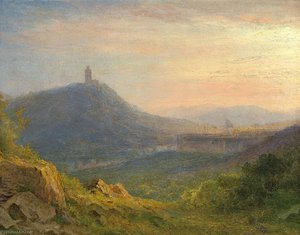
carl morgenstern
1811 - 1893
Основные сведения
- Artistic Movement Or Style: Romanticism
- Artists Or Movements Influenced By This Artist: ['Bildungsroman']
- Artists Who Influenced This Artist: ['Friedrich August Wolf']
- Date Of Birth: August 28 [O.S. August 17] 1770
- Date Of Death: September 15 [O.S. September 3] 1852
- Full Name: Johann Karl Simon Morgenstern
- Nationality: German
- Notable Artworks:
- De Platonis Republica commentationes tres
- Auszüge aus den Tagebüchern und Papieren eines Reisenden
- Place Of Birth: Magdeburg, Germany
Похожие статьи

Романтический пейзаж: 10 шедевров, изменивших искусство | ArtsDot.com
Погрузитесь в мир романтического пейзажа! 10 шедевров Фридриха, Тёрнера и других гениев. Узнайте историю создания культовых картин и вдохновитесь для декора интерьера. Репродукции высокого качества на ArtsDot.com.

Джон Констебль: 25 шедевров английского пейзажа для вашего интерьера
Погрузитесь в мир английского пейзажа с Джоном Констеблом! 25 шедевров романтизма, история создания картин и вдохновение для вашего интерьера. Репродукции высокого качества на ArtsDot.com – искусство для ценителей.
Arboreal Echoes: A Historical & Artistic Exploration of Trees in Painting
Explore the rich history of trees in painting! Discover symbolism, Romantic masterpieces by Caspar David Friedrich & beyond. A curated journey for art enthusiasts.
Flowing Narratives: Rivers in Painting – A Historical Exploration
Explore the rich history of rivers in painting! Discover masterpieces from ancient times to Impressionism & beyond. Learn about symbolism, artists like Monet & Daubigny, and find your perfect serene artwork at ArtsDot.
Evoking Nature's Sublime: A Comprehensive Exploration of 19th-Century Landscape Painting
Explore the captivating world of 19th-century landscape painting! Discover renowned artists like Friedrich & Monet, key movements, and find the perfect artwork to bring nature's serenity into your home. Expert insights at ArtsDot.