

 Предпросмотр
 Поделиться
 Поделиться
 Детали произведения

 Скачать
 Похожие работы
 Рентгенография
 Слайд-шоу
 Статистика
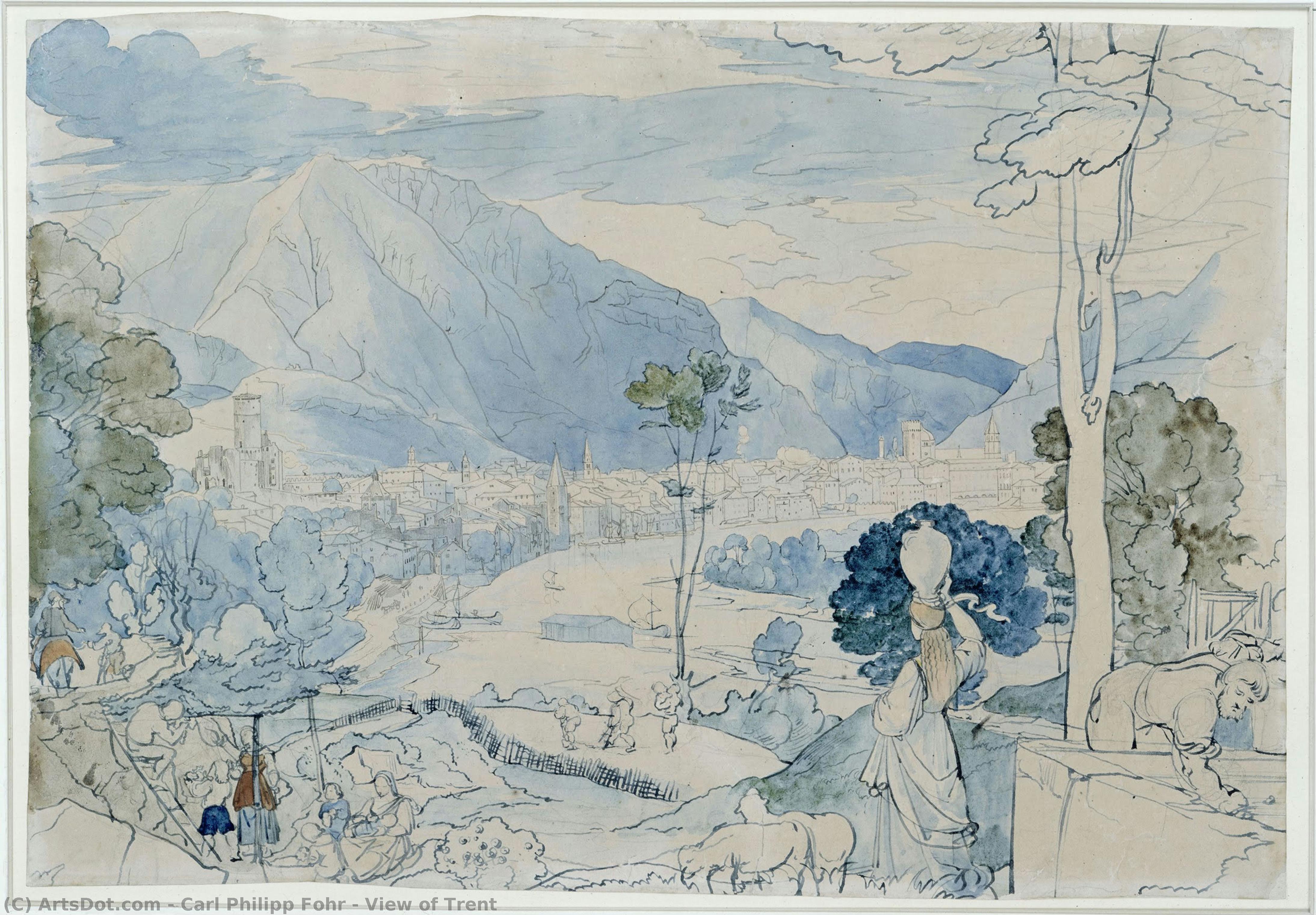
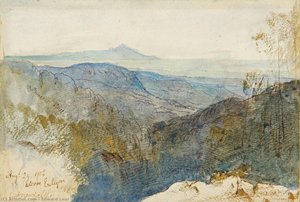
View of Trent
 42.0 x 29.0 cm
 Кюпперстихкабинетт
 Читать далее
Жикле / Арт-принт
Печать (жикле) или холст музейного качества с быстрыми сроками изготовления и широким выбором вариантов отделки. ( Купить картину ручной работы Перейти к цифровым изображениям)
































Выберите один из наших стандартных размеров, соответствующих оригинальным пропорциям произведения искусства.

Вы можете указать свои собственные размеры, чтобы репродукция идеально подошла под конкретную раму или пространство. Если выбранный вами размер не будет соответствовать пропорциям оригинала, мы либо обрежем произведение, либо дополним изображение зеркальным отражением краев или однотонной заливкой. Перед началом производства вам будет отправлен цифровой макет для утверждения.
Пожалуйста, обратите внимание, что предварительный просмотр на экране не отображает фактическую обрезку или расширение изображения. Только макет точно покажет финальную композицию.
Несмотря на возможность заказа индивидуальных размеров, мы рекомендуем выбирать размер из предопределенного списка, чтобы сохранить оригинальные пропорции.
Доставка по всему миру () за 2 недели вместо стандартных 4/5 недель. (13 Сентябрь)

Бесплатная экспресс-доставка по всему миру

Высококачественный льняной холст

Полное страхование доставки

Гарантия возмещения таможенных пошлин

Гарантия точного соответствия цветов

100-дневная политика возврата (только при обнаружении дефектов)

Гарантия возврата 100% средств

Предложение оптовых скидок
 Вариант со стеклом доступен только для размеров менее 110 см

View of Trent
Жикле / Арт-принт
Размер репродукции
-


Итоговая стоимость
$ 62
Похожие произведения





Биография художника
A Life of Melancholic Beauty: The Brief Brilliance of Carl Philipp Fohr
The story of Carl Philipp Fohr is one of profound, fleeting brilliance—a narrative of a young talent whose life was tragically truncated, yet whose artistic legacy remains etched in the evocative landscapes of the Romantic era. Born in 1795 in the historic city of Heidelberg, Germany, Fohr emerged from an intellectual lineage that provided the fertile soil necessary for his burgeoning creativity. Though his time on this earth was remarkably short, spanning only twenty-three years, he managed to capture a specific, haunting essence of the natural world that continues to resonate with collectors and historians alike. His early years were defined by a pursuit of mastery that bypassed the rigid constraints of traditional academia in favor of a more visceral, emotional connection to his subject matter.
Fohr’s artistic journey was shaped by pivotal encounters and the patronage of the influential. Under the guidance of Friedrich Rottmann, he began to refine his technical sensibilities, but it was his move to Darmstadt in 1811 that truly catalyzed his career. Through the recognition of Georg Wilhelm Issel, Fohr entered the orbit of Grand Duchess Wilhelmine of Hesse, whose generous commissions provided him with the stability and resources to explore the depths of his imagination. This period of patronage allowed him to bridge the gap between student and professional, as he sought further refinement through collaborations with figures like Ludwig Sigismund Ruhl at the Munich Academy of Fine Arts. These early connections instilled in him a dual mastery of both the delicate transparency of watercolor and the rich, textured depth of oil painting.
The Roman Wanderlust and the Romantic Spirit
In 1816, driven by an insatiable thirst for new light and classical inspiration, Fohr abandoned the structured paths of his German training to embark on a transformative journey to Northern Italy. This pilgrimage to Rome was more than a mere change in scenery; it was a spiritual immersion into the heart of the classical world. In the vibrant, sun-drenched atmosphere of Italy, Fohr encountered the works of Joseph Anton Koch, whose sweeping, dramatic landscapes provided a profound template for his own developing aesthetic. The influence of the Roman landscape—the interplay of ancient ruins against the timeless flow of the Tiber River—infused his work with a sense of grandeur and historical weight.
His technique during this period reached a zenith of sensitivity, characterized by an exquisite command over light and color. Fohr possessed a rare ability to use watercolor over graphite to create atmospheres that felt both tangible and dreamlike. His compositions often captured the following elements with unparalleled emotion:
- The Drama of Light: Capturing the fleeting moments of dawn and dusk that define the Romantic mood.
- Architectural Grandeur: Integrating ruins and historical structures into the natural landscape to evoke a sense of passing time.
- Atmospheric Depth: Utilizing soft washes and precise linework to create a sense of immense, breathing space within his vistas.
Legacy and Artistic Significance
Perhaps no work encapsulates Fohr’s ability to marry the monumental with the intimate better than his design for “The Four Castles of Neckarsteinach.” In this magnificent watercolor, he depicts the imposing ruins of Heidelberg Castle, not merely as stone and mortar, but as a dramatic protagonist set against a turbulent, emotive sky. It is in these moments—where the landscape becomes a mirror for the human soul—that Fohr’s true significance lies. He was a painter who understood that the landscape was never just scenery; it was a vessel for memory, longing, and the sublime.
Though his death in 1818 left the art world mourning a voice that had only just begun to sing, Carl Philipp Fohr’s contributions to German Romanticism remain indelible. He stands as a testament to the power of the independent spirit, an artist who sought truth in the shadows of ruins and the brilliance of the Italian sun. Today, his works serve as precious windows into a bygone era, inviting us to experience the same sense of wonder and melancholy that defined his short but luminous life.
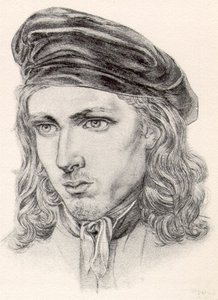
Carl Philipp Fohr
1795 - 1818 , Germany
Основные сведения
- Artistic Movement Or Style: Romanticism
- Artists Or Movements Influenced By This Artist: ['Joseph Anton Koch']
- Artists Who Influenced This Artist: ['Georg Wilhelm Issel']
- Date Of Birth: Heidelberg, Germany (1795)
- Date Of Death: 1818
- Full Name: Carl Philipp Fohr
- Nationality: German
- Notable Artworks:
- The Four Castles of Neckarsteinach
- View of Trent
- Portrait of Heinrich Karl Hofmann
- Place Of Birth: Heidelberg