

 Поделиться
 Поделиться
 Детали произведения

 Скачать
 Похожие работы
 Слайд-шоу
 Статистика
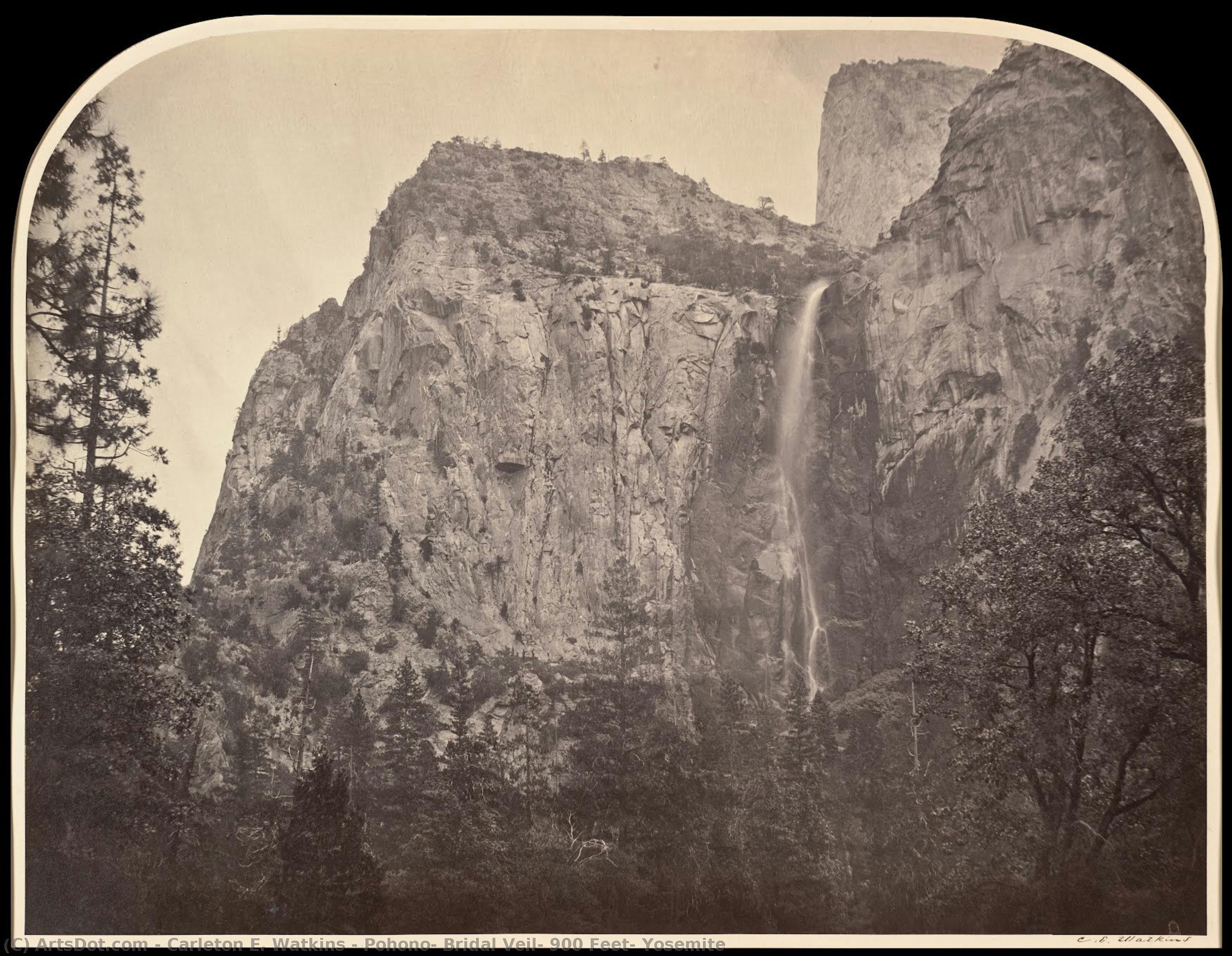
Pohono, Bridal Veil, 900 Feet, Yosemite
 Black and White Photography
- Photo
- Landscape Photography
 1861
1861- 19th Century
 Музей современного искусства Сан-Франциско (SFMOMA)
 Читать далее
Жикле / Арт-принт
Печать (жикле) или холст музейного качества с быстрыми сроками изготовления и широким выбором вариантов отделки. ( Купить картину ручной работы Перейти к цифровым изображениям)




































Выберите один из наших стандартных размеров, соответствующих оригинальным пропорциям произведения искусства.

Вы можете указать свои собственные размеры, чтобы репродукция идеально подошла под конкретную раму или пространство. Если выбранный вами размер не будет соответствовать пропорциям оригинала, мы либо обрежем произведение, либо дополним изображение зеркальным отражением краев или однотонной заливкой. Перед началом производства вам будет отправлен цифровой макет для утверждения.
Пожалуйста, обратите внимание, что предварительный просмотр на экране не отображает фактическую обрезку или расширение изображения. Только макет точно покажет финальную композицию.
Несмотря на возможность заказа индивидуальных размеров, мы рекомендуем выбирать размер из предопределенного списка, чтобы сохранить оригинальные пропорции.
Доставка по всему миру () за 2 недели вместо стандартных 4/5 недель. (13 Сентябрь)

Бесплатная экспресс-доставка по всему миру

Высококачественный льняной холст

Полное страхование доставки

Гарантия возмещения таможенных пошлин

Гарантия точного соответствия цветов

100-дневная политика возврата (только при обнаружении дефектов)

Гарантия возврата 100% средств

Предложение оптовых скидок
 Вариант со стеклом доступен только для размеров менее 110 см

Pohono, Bridal Veil, 900 Feet, Yosemite
Жикле / Арт-принт
Размер репродукции
-


Итоговая стоимость
$ 62
A Monumental Encounter with the Sublime
Pohono, Bridal Veil, 900 Feet, Yosemite is more than a mere photograph; it is a window into the soul of the American wilderness as it was first encountered by the modern eye. Captured in 1861 by the legendary Carleton E. Watkins, this breathtaking image presents a dramatic and awe-inspiring view of the towering granite cliffs and the cascading white veil of the waterfall. The composition masterfully emphasizes scale and grandeur, utilizing a wide-scale perspective that draws the viewer into the very heart of Yosemite Valley. Through the lens of Watkins’ immense custom camera, we are confronted with the sheer verticality of the rock formations and the powerful, rhythmic flow of water that seems to tumble from the heavens themselves. The monochromatic sepia tones, characteristic of the era's mammoth-plate photography, wrap the scene in a sense of timelessness, emphasizing the rugged textures of weathered stone and the ethereal, misty spray of the falls.The Mastery of the Mammoth Plate
To understand the profound detail within this work, one must appreciate the Herculean technical feat performed by Watkins. Working in the mid-19th century, he utilized a custom-built mammoth-plate camera capable of exposing massive 18-by-22-inch glass plates. This was an incredibly demanding process; each plate had to be sensitized and processed in the field, often under challenging environmental conditions. Yet, the reward for this labor was unparalleled. The resulting albumen silver print offers a remarkable level of clarity, where every fissure in the granite face and every delicate movement of the forest canopy is rendered with exceptional precision. This technical prowess allows for a rich layering of depth—from the intimate textures of foreground vegetation to the distant, hazy cliffs—creating an immersive experience that feels almost three-dimensional.A Vision of Edenic Grandeur
Historically, Watkins’ work served a purpose far greater than mere documentation. In the mid-1800s, as cities like San Francisco grew increasingly congested and industrial, the landscapes of Yosemite were viewed as an Edenic alternative—a pure, untouched sanctuary. This photograph embodies the Romantic ideals of the 19th century, portraying the wilderness not as a place of danger, but as a site of spiritual reverence and sublime beauty. The image evokes a profound sense of wonder and a deep connection to the natural world, making it an ideal centerpiece for those who seek to bring the tranquility and majesty of nature into their living spaces.An Inspiration for the Modern Collector
For art lovers, collectors, and interior designers alike, a high-quality reproduction of this masterpiece offers a unique opportunity to anchor a room with historical significance and emotional depth. The neutral, sepia-toned palette makes it a versatile choice for various decor styles, from classic traditionalism to contemporary minimalist aesthetics. Whether placed in a grand gallery wall or as a standalone focal point in a study, this work commands attention, inviting contemplation and providing a constant source of inspiration through its depiction of the eternal strength and delicate beauty of the American West.Похожие произведения





Биография художника
Early Life and Artistic Awakening
The story of E. Watkins is one steeped in quiet observation and a gradual unfolding of talent, rather than a sudden burst onto the art scene. Born into a modest family, details surrounding their early life remain somewhat elusive – a deliberate choice by the artist to keep the focus firmly on the work itself. What *is* known is that Watkins displayed an aptitude for drawing from a very young age, filling notebooks with meticulous studies of the natural world and everyday objects. This wasn’t formal training; rather, it was a self-directed exploration born out of curiosity and a deep connection to their surroundings. The rural landscapes where they spent their childhood proved formative, instilling a lifelong appreciation for subtle shifts in light, texture, and form. Early influences were less about specific artists and more about the inherent beauty found in nature – the intricate patterns of leaves, the weathered surfaces of old wood, the ever-changing moods of the sky. This foundational period was crucial in developing Watkins’ distinctive visual language, characterized by a remarkable attention to detail and an almost meditative quality. It wasn't until later that they began to formally study art, but this early immersion in observation would remain the cornerstone of their practice.Formal Training and Emerging Style
Watkins’ decision to pursue formal artistic education marked a turning point, though not necessarily a dramatic departure from their earlier inclinations. They enrolled at a regional art school known for its emphasis on traditional techniques – drawing, painting, sculpture – but quickly found themselves drawn to the less conventional aspects of the curriculum. While proficient in representational work, Watkins began experimenting with abstraction and exploring ways to convey emotion and atmosphere through non-figurative means. This period was marked by a growing dissatisfaction with purely academic approaches and a search for a more personal mode of expression. Influenced by early Modernist movements like Impressionism and Post-Impressionism, they started to deconstruct traditional forms and prioritize the subjective experience of seeing. The artist’s palette began to evolve, moving away from realistic color schemes towards a more nuanced and evocative use of tone and hue. This experimentation wasn't without its challenges; Watkins often felt at odds with their instructors, who favored more conventional styles. However, this tension ultimately proved productive, pushing them to refine their vision and develop a unique artistic voice that blended technical skill with emotional depth.Major Themes and Artistic Development
The core of E. Watkins’ work revolves around the exploration of memory, loss, and the ephemeral nature of time. Their paintings are rarely literal depictions of specific events or places; instead, they function as evocative fragments – glimpses into a past that is both deeply personal and universally relatable. Recurring motifs include abandoned structures, decaying landscapes, and solitary figures, all rendered with a haunting sense of stillness and melancholy.- The Weight of History: Watkins often incorporates architectural elements—ruined buildings, crumbling walls—as symbols of the passage of time and the enduring presence of the past.
- Atmospheric Perspective: A key characteristic of their work is the masterful use of atmospheric perspective to create a sense of depth and distance, evoking feelings of isolation and longing.
- Subtle Color Palettes: The artist favors muted color palettes—grays, blues, ochres—that contribute to the overall mood of introspection and quiet contemplation.
Historical Significance and Legacy
E. Watkins occupies a unique position within contemporary art. While not easily categorized into any particular school or movement, their work resonates with a wide range of audiences who appreciate its emotional depth, technical skill, and philosophical undercurrents. Their paintings have been exhibited in galleries and museums around the world, earning them critical acclaim and a devoted following.- Influence on Contemporary Landscape Painting: Watkins’ nuanced approach to landscape painting has inspired a new generation of artists who seek to capture not just the visual appearance of nature but also its emotional resonance.
- Exploration of Memory and Loss: Their work is often cited as a powerful meditation on themes of memory, loss, and the human condition, resonating with viewers on a deeply personal level.
- Quiet Revolution in Abstraction: Watkins’ subtle yet profound approach to abstraction has challenged conventional notions of form and content, paving the way for new forms of artistic expression.

Основные сведения
- Artistic Movement Or Style: Landscape Photography
- Date Of Death: Living
- Full Name: Carleton E. Watkins
Похожие статьи

10 Breathtaking Masterpieces That Redefine the Landscape Genre
Journey through history with 10 iconic landscape paintings that capture the soul of nature. From Impressionist light to Romantic vistas, explore the stories behind these timeless masterpieces and find museum-quality reproductions for your decor. Discover all masterpieces on ArtsDot.com

Джон Констебль: 25 шедевров английского пейзажа для вашего интерьера
Погрузитесь в мир английского пейзажа с Джоном Констеблом! 25 шедевров романтизма, история создания картин и вдохновение для вашего интерьера. Репродукции высокого качества на ArtsDot.com – искусство для ценителей.
10 Breathtaking Artworks That Capture the Beauty of Rural Landscapes
Journey through 10 iconic rural landscape paintings that capture the soul of the countryside. From Impressionist masters to timeless oil classics, explore the stories and techniques behind these breathtaking scenes. Find museum-quality reproductions on ArtsDot.com. Explore the full collection online.

Романтический пейзаж: 10 шедевров, изменивших искусство | ArtsDot.com
Погрузитесь в мир романтического пейзажа! 10 шедевров Фридриха, Тёрнера и других гениев. Узнайте историю создания культовых картин и вдохновитесь для декора интерьера. Репродукции высокого качества на ArtsDot.com.

Evocations of Place: A Historical Journey Through Landscape Art
Explore the rich history of landscape art with ArtsDot. Discover renowned artists, movements like Impressionism & Romanticism, and expert guidance for collecting timeless pieces. Find your perfect serene escape today!