


 Предпросмотр
 Поделиться
 Поделиться
 Детали произведения

 Скачать
 Похожие работы
 Рентгенография
 Слайд-шоу
 Статистика
Four Doctors of the Church
 1495
1495 44.0 x 15.0 cm
 Читать далее
Масляная репродукция ручной работы
Картина маслом на холсте в выбранном вами размере и раме, написанная на заказ нашими художниками. ( Перейти к печати Перейти к цифровым изображениям)
































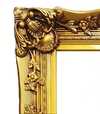
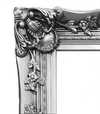
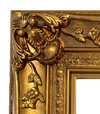
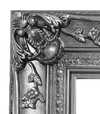
Выберите один из наших стандартных размеров, соответствующих оригинальным пропорциям произведения искусства.

Вы можете указать собственные размеры, чтобы картина идеально вписалась в выбранную раму или пространство. Если выбранный вами размер не соответствует пропорциям оригинала, мы либо обрежем полотно, либо расширим его за счет дополнительных элементов, написанных вручную. Цифровой макет будет отправлен вам на утверждение перед началом производства.
Обратите внимание, что предварительный просмотр на экране не отражает фактическую обрезку или расширение. Только макет точно покажет окончательную композицию.
Хотя доступны индивидуальные размеры, мы рекомендуем выбирать вариант из предопределенного списка, чтобы сохранить исходные пропорции.
После оформления заказа команда ArtsDot.com свяжется с клиентом по электронной почте для уточнения деталей и предоставит предварительный макет
Доставка по всему миру () за 3–4 недели вместо стандартных 5 недель. (14 Сентябрь). Без компромиссов в качестве.

Бесплатная экспресс-доставка по всему миру

Высококачественный льняной холст

Полное страхование доставки

Гарантия возмещения таможенных пошлин

Гарантия точного соответствия цветов

100-дневная политика возврата (только при обнаружении дефектов)

Гарантия возврата 100% средств

Предложение оптовых скидок
 Вариант со стеклом доступен только для размеров менее 110 см

Four Doctors of the Church
Техника репродукции
Размер репродукции
-


Итоговая стоимость
$ 263
The Composition and Symbolism
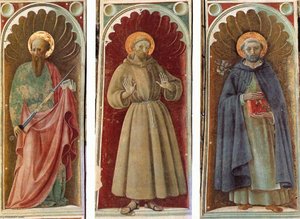
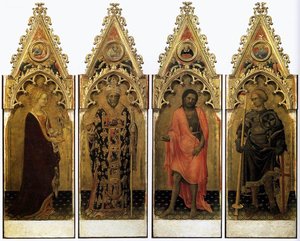
The painting features four figures, each adorned in religious attire, suggesting they are Doctors of the Church. The figures are arranged in a row against a backdrop that is divided into three distinct panels, each with its own unique color palette and texture. Starting from the left, the first figure is depicted in a rich gold hue, signifying perhaps his status or importance within the religious hierarchy. Key Elements of the painting include the use of vibrant colors, intricate patterns, and symbolic elements such as books and hats. Each panel not only houses its own figure but also has unique elements that add depth and interest to the overall composition. For instance, there are small figures at the bottom of each panel, possibly representing angels or other celestial beings.Artistic Style and Influences
Carlo Braccesco's style is reminiscent of other Renaissance artists, such as Marco Bellini, who created stunning works like Madonna in throne with Child. The use of oil on panel and the attention to detail are characteristic of this period. Art lovers can explore more artworks from this era at ArtsDot.com, which offers a vast collection of handmade oil paintings reproductions.- View more artworks by Carlo Braccesco and other Renaissance artists at ArtsDot.com
- Learn more about the Musei Capitolini in Rome, Italy, which houses many famous artworks
- Discover the works of other artists, such as Kathleen Mccarthy Udoff, who creates mixed media artworks
For more information on Renaissance art and to view more paintings, visit ArtsDot.com or check out the Wikipedia page on Renaissance art.
Похожие произведения
Биография художника
Carlo Braccesco: A Master of Ligurian Baroque
Carlo Braccesco (1501) stands as a pivotal figure in the late Italian Renaissance, particularly renowned for his dramatic religious sculptures and monumental triptychs that profoundly shaped the artistic landscape of Genoa and Rome. Born into a family with a legacy of artistic patronage, Braccesco’s career unfolded during a period of intense cultural exchange and stylistic experimentation, blending the traditions of the Lombard masters with emerging influences from Venice and Florence. His work is characterized by a potent emotionalism, meticulous detail, and a masterful command of materials – particularly marble and bronze – that imbue his creations with an enduring sense of vitality and spiritual depth.Early Life and Artistic Training
While precise details regarding Braccesco’s early life remain somewhat elusive, it is understood that he received his initial artistic training in Milan, the heartland of Lombard Renaissance art. The influence of artists like Giovanni Solari and Andrea Mantegna is readily apparent in his early works, evident in their refined draftsmanship, balanced compositions, and a subtle elegance of form. However, Braccesco quickly distinguished himself through an increasingly dramatic and expressive style, moving beyond mere imitation to forge a distinctly personal vision. His relocation to Genoa around 1480 marked a crucial turning point, exposing him to the vibrant artistic scene of the Ligurian port city and fostering his unique approach to religious sculpture.Key Works and Artistic Development
Braccesco’s oeuvre is remarkably diverse, encompassing altarpieces, monumental tombs, and numerous smaller devotional sculptures. His most celebrated works include the “Crucifixion of St. Andrew” for the church of San Giorgio Maggiore in Genoa – a powerfully emotive depiction of Christ's suffering that showcases his mastery of anatomical detail and dramatic lighting – and the magnificent “Triptych,” now housed in the Louvre, Paris. This complex work, depicting the Annunciation, is considered a cornerstone of Braccesco’s artistic achievement, demonstrating his ability to integrate multiple narratives within a single composition while maintaining a cohesive visual harmony. His frescoes in Genoa's Palazzo San Giorgio, though sadly lost, further exemplify his early development and experimentation with color and perspective.The Influence of Venetian Art
As Braccesco’s career progressed, he increasingly absorbed the stylistic innovations emanating from Venice. The influence of Titian, particularly his use of rich colors and dynamic compositions, is evident in Braccesco's later works, most notably in the “Triptych.” The incorporation of vibrant hues, dramatic lighting effects, and a heightened sense of theatricality reflect the Venetian tradition of creating emotionally charged religious scenes. This shift towards greater expressiveness marked a significant departure from the more restrained aesthetic of his early Milanese training.Legacy and Historical Significance
Carlo Braccesco’s legacy extends far beyond his individual works. He played a crucial role in shaping the artistic identity of Genoa and Rome, establishing a new standard for religious sculpture that combined technical virtuosity with profound emotional resonance. His influence can be traced through the work of subsequent generations of Italian sculptors, who continued to draw inspiration from his dramatic style and masterful use of materials. Today, Braccesco’s sculptures are treasured as masterpieces of the Italian Baroque, offering a compelling glimpse into the artistic spirit of a transformative era. His works continue to inspire awe and contemplation, reminding us of the power of art to convey profound spiritual truths.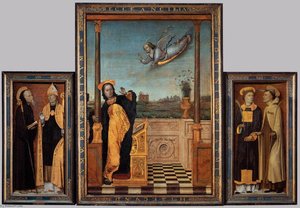
carlo braccesco
1501 , Italy
Основные сведения
- Artistic Movement Or Style: Baroque Sculptor
- Date Of Death: 1501
- Full Name: Carlo Braccesco
- Nationality: Italian
- Notable Artworks:
- St Andrew Crucifixion
- Triptych Artwork
- Religious Sculpture
- Place Of Birth: Italy