


 Предпросмотр
 Поделиться
 Поделиться
 Детали произведения

 Скачать
 Похожие работы
 Рентгенография
 Слайд-шоу
 Статистика
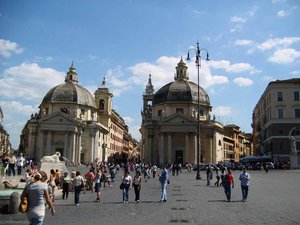
Sant'Andrea della Valle Façade


 Читать далее
Приобретите цифровое изображение высокого разрешения в улучшенном качестве, которое значительно превосходит онлайн-превью.
Каждый файл тщательно подготавливается нашими специалистами с использованием передовых инструментов и экспертной ручной ретуши. Мы гарантируем исключительную четкость, точную цветопередачу и детальную проработку каждого изображения.
Финальный файл доставляется по электронной почте в течение 72 часов и оптимизирован для немедленного использования в профессиональной среде, при верстке и печати. Это тот же уровень качества, которому доверяют ведущие дизайнерские студии, издательства и галереи.
Цифровое изображение
Скачайте файл высокого разрешения для личного использования, печати и творческих проектов. ( Перейти к печати Купить картину ручной работы)
Включено в каждый заказ цифровых изображений
Гарантия экспертной цифровой доставки
Выбирая ArtsDot.com, вы получаете не просто изображение — вы приобретаете профессионально обработанное цифровое произведение искусства, созданное с безупречной точностью и под защитой гарантии качества. Вот всё, что автоматически входит в ваш заказ:

Мгновенная доставка по e-mail
Ваш цифровой файл в высоком разрешении будет отправлен вам по электронной почте в течение 72 часов после оформления заказа — и сразу станет доступен для использования.

Цифровой файл с ИИ-улучшением
Ваше произведение искусства проходит профессиональную оптимизацию с использованием передовых инструментов ИИ и ручной обработки, что гарантирует максимальную детализацию, четкость и точность цветопередачи.

Бессрочная бесплатная повторная доставка
Случайно удалили или потеряли файл? Не беспокойтесь — мы отправим его вам повторно в любое время и совершенно бесплатно.

Без импортных пошлин — навсегда
Наслаждайтесь вашим произведением искусства мгновенно без таможенных пошлин, сборов или затрат на доставку — цифровые загрузки всегда не облагаются налогом.

Гарантия точности цветопередачи
Мы гарантируем, что ваше цифровое изображение максимально точно передает оригинальные цвета благодаря использованию профессиональных инструментов и систем управления цветом.

Гарантия удовлетворенности 100 дней
Если вы не будете удовлетворены своим цифровым изображением, мы внесем правки или вернем 100% стоимости в течение 100 дней — без лишних вопросов.

100% Гарантия возврата средств
Не удовлетворены покупкой? Получите полный возврат средств в течение 100 дней после получения цифрового файла — без лишних вопросов.

Скидки на оптовые заказы
Купите 3 изображения, сэкономьте 10% — Купите 5, сэкономьте 15% — Купите 10+, сэкономьте 20%. Отличное решение для творческих проектов, галерей и агентств.
Похожие произведения


Биография художника
Carlo Rainaldi: Architect of Roman Grandeur
Carlo Rainaldi (1611-1691) stands as a pivotal figure in the transition from Mannerism to Baroque architecture, a master craftsman who shaped the very fabric of Rome during a period of immense artistic and political change. More than simply a builder, Rainaldi was an architect deeply embedded within the cultural currents of his time – a gentleman scholar, a musician, and a keen observer of human experience, all reflected in the monumental beauty of his creations. His legacy isn’t solely defined by individual buildings but by the way he synthesized diverse influences to create a distinctly Roman style that continues to resonate today.
- Early Life and Training: Born into an established artistic family – his father, Girolamo Rainaldi, was a respected Mannerist architect – Carlo’s early education laid the foundation for his future success. He received a comprehensive humanist training, encompassing rhetoric, music theory, and art history, skills that would prove invaluable in shaping his architectural vision. This broad intellectual base distinguished him from many of his contemporaries, allowing him to approach design with a sophisticated understanding of proportion, harmony, and visual effect.
- Collaboration and Apprenticeship: Rainaldi’s early career was largely spent working alongside his father, absorbing the principles of Mannerist architecture while simultaneously developing his own distinct style. This period provided crucial experience in the practicalities of construction and allowed him to hone his technical skills.
The Rise to Prominence: Patronage and Papal Influence
Rainaldi’s trajectory shifted dramatically with the accession of Pope Urban VIII (Barberini) in 1623, ushering in a new era of Baroque extravagance. While his father had previously worked for the Farnese family, Rainaldi quickly gained prominence through his association with the Barberini papacy. This patronage afforded him access to significant commissions and allowed him to fully embrace the dynamic, emotionally charged style that characterized the period. The shift from the more restrained aesthetic of the previous era to the exuberant Baroque was a direct consequence of this papal support.
- Competing with Bernini: Rainaldi’s rise coincided with the ascendancy of Gian Lorenzo Bernini, and their rivalry became a defining feature of 17th-century Rome. While Bernini excelled in dramatic sculpture and theatrical design, Rainaldi focused on creating monumental facades and interiors that emphasized grandeur, clarity, and spatial harmony.
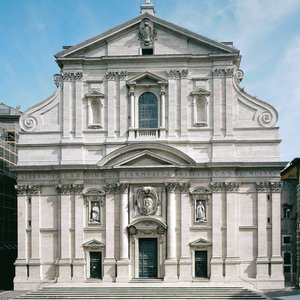
- Key Commissions: He secured prestigious commissions including the façade of Sant’Andrea della Valle (1661–1665), a masterpiece showcasing his mastery of classical forms infused with Baroque dynamism; the twin churches of Santa Maria dei Miracoli and Santa Maria in Montesanto, demonstrating his ability to create balanced and harmonious compositions; and the elaborate interiors of several Roman basilicas.
Architectural Style and Techniques
Rainaldi’s architectural style is characterized by a remarkable synthesis of influences – Mannerist precision, classical proportions, and Baroque dynamism. He skillfully blended these elements to create buildings that were both monumental and elegant, imposing yet inviting. His use of light and shadow, particularly in his facade designs, was exceptionally sophisticated, creating dramatic effects that enhanced the visual impact of his structures.
- Facades as Statements: Rainaldi’s facades are arguably his most celebrated achievements. He employed a meticulous approach to detailing, incorporating intricate carvings, classical orders, and dynamic spatial arrangements. The façade of Sant’Andrea della Valle, with its soaring dome and dramatic interplay of light and shadow, exemplifies this style perfectly.
- Interior Design: Beyond facades, Rainaldi also excelled in interior design, creating richly decorated chapels, altars, and tombs that reflected the grandeur of the buildings they adorned. His work often featured elaborate frescoes, sculptures, and stucco decorations.
Legacy and Historical Significance
Carlo Rainaldi’s impact on Roman architecture is profound. He played a crucial role in shaping the visual landscape of the city during a period of immense artistic innovation. His work represents a pivotal moment in the transition from Mannerism to Baroque, demonstrating the ability of an architect to synthesize diverse influences and create a uniquely Roman style. His designs continue to inspire awe and admiration, serving as enduring testaments to his skill, vision, and understanding of the human experience.
- Influence on Subsequent Architects: Rainaldi’s work influenced subsequent generations of architects, particularly in the development of Baroque facades and interiors.
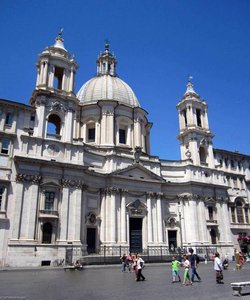
- Sant'Agnese in Agone: His design for Sant’Agnese in Agone (1652), a monumental basilica dedicated to Saint Agnes, stands as one of his most ambitious and successful projects, showcasing his mastery of scale, proportion, and spatial arrangement.
Rainaldi's buildings are not merely structures; they are embodiments of the spirit of 17th-century Rome – a testament to the city’s artistic vitality and its enduring legacy as a center of culture and innovation.
Карло Райнальди
Италия
Основные сведения
- Artistic Movement Or Style: Барокко
- Artists Or Movements Influenced By This Artist: ['Ф. Фонтана']
- Artists Who Influenced This Artist:
- Дж. Райнальди
- Бернини
- Date Of Birth: 1611, Рим
- Date Of Death: 1691, Рим
- Full Name: Carlo Rainaldi
- Nationality: Итальянский
- Notable Artworks:
- Фасад Сант'Андреа
- Храмы в Риме
- Place Of Birth: Рим, Италия