

 Предпросмотр
 Поделиться
 Поделиться
 Детали произведения

 Скачать
 Похожие работы
 Рентгенография
 Слайд-шоу
 Статистика
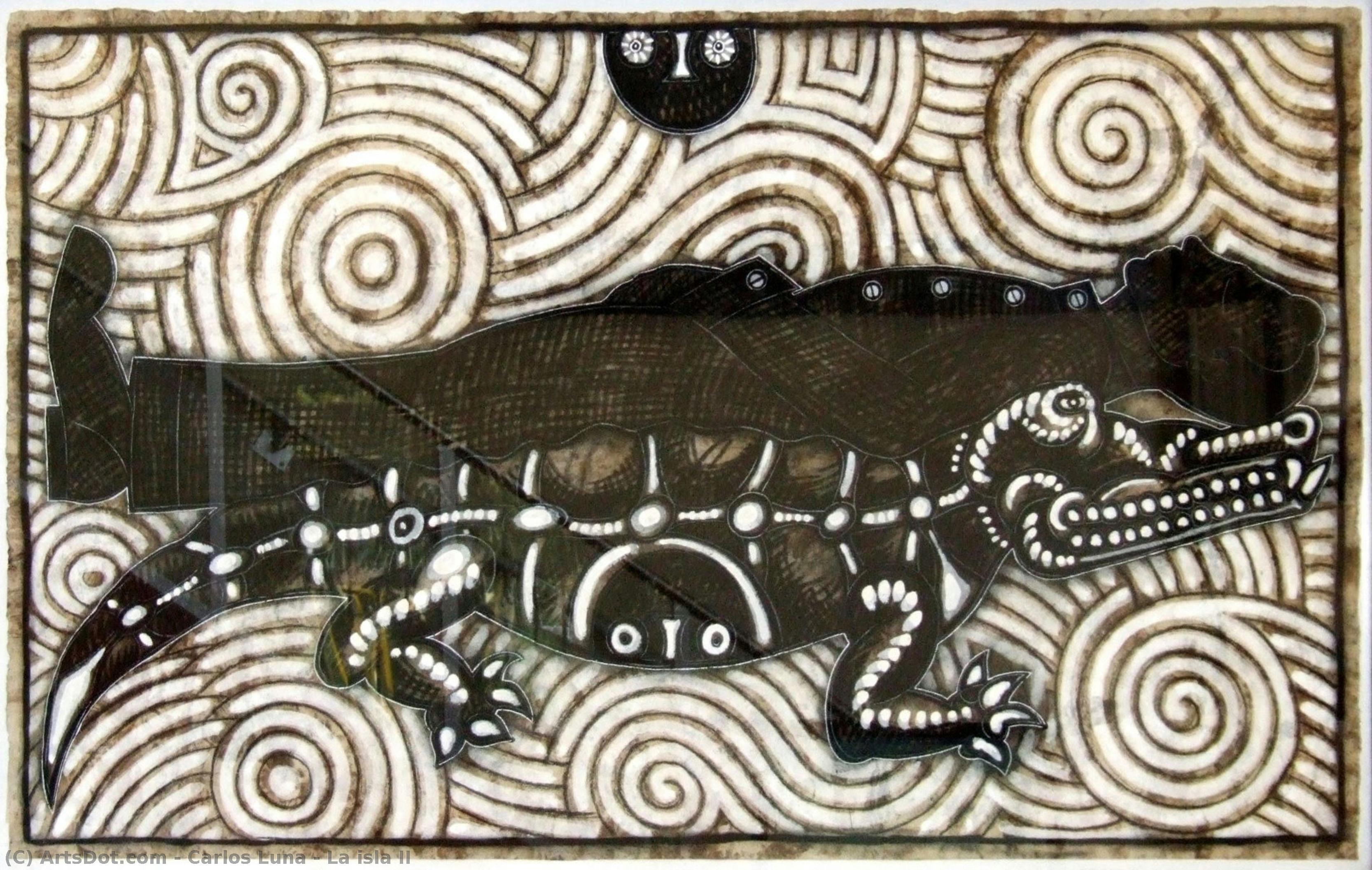
La isla II
 1998
1998 73.0 x 118.0 cm
 Fundación Universidad de las Américas Puebla
 Читать далее
Масляная репродукция ручной работы
Картина маслом на холсте в выбранном вами размере и раме, написанная на заказ нашими художниками. ( Перейти к печати Перейти к цифровым изображениям)




































Выберите один из наших стандартных размеров, соответствующих оригинальным пропорциям произведения искусства.

Вы можете указать собственные размеры, чтобы картина идеально вписалась в выбранную раму или пространство. Если выбранный вами размер не соответствует пропорциям оригинала, мы либо обрежем полотно, либо расширим его за счет дополнительных элементов, написанных вручную. Цифровой макет будет отправлен вам на утверждение перед началом производства.
Обратите внимание, что предварительный просмотр на экране не отражает фактическую обрезку или расширение. Только макет точно покажет окончательную композицию.
Хотя доступны индивидуальные размеры, мы рекомендуем выбирать вариант из предопределенного списка, чтобы сохранить исходные пропорции.
После оформления заказа команда ArtsDot.com свяжется с клиентом по электронной почте для уточнения деталей и предоставит предварительный макет
Доставка по всему миру () за 3–4 недели вместо стандартных 5 недель. (11 Сентябрь). Без компромиссов в качестве.

Бесплатная экспресс-доставка по всему миру

Высококачественный льняной холст

Полное страхование доставки

Гарантия возмещения таможенных пошлин

Гарантия точного соответствия цветов

100-дневная политика возврата (только при обнаружении дефектов)

Гарантия возврата 100% средств

Предложение оптовых скидок
 Вариант со стеклом доступен только для размеров менее 110 см

La isla II
Техника репродукции
Размер репродукции
-


Итоговая стоимость
$ 263
Похожие произведения



Биография художника
Kara Walker: Unearthing Histories Through Silhouette
Kara Walker is a singular voice in contemporary art, a sculptor and silhouettist whose work confronts the uncomfortable truths of American history—specifically, the legacy of slavery and racial violence—with startling power and unsettling beauty. Born in November 1969, she has rapidly become one of the most significant Black American artists working today, her large-scale room installations demanding a visceral engagement with themes of race, gender, sexuality, and the enduring trauma of the past. Walker’s distinctive style – intricate black cut-paper silhouettes projected onto vast canvases – isn't merely decorative; it’s a carefully constructed narrative designed to provoke reflection and challenge viewers to confront their own complicity in historical injustices.Early Life and Artistic Beginnings
Walker’s artistic journey began with an early fascination with the visual arts, nurtured during her childhood in Atlanta, Georgia. Her father, a respected art historian, instilled in her a deep appreciation for both classical and contemporary art, while her mother, a teacher, fostered a love of literature and storytelling. This dual influence shaped Walker’s approach to art – blending historical awareness with imaginative narrative. She attended the Rhode Island School of Design (RISD) from 1988 to 1992, where she began experimenting with silhouette techniques, initially as a means of exploring themes of identity and representation. Early works demonstrated an interest in the grotesque and the unsettling, foreshadowing the mature style that would define her career. Crucially, Walker’s artistic development coincided with a burgeoning critical discourse surrounding race and representation in art, providing fertile ground for her explorations.The Rise of the Room Installations
Walker's breakthrough came in the late 1990s with the creation of her monumental room installations – most notably *Darkytown Rebellion* (1997) and *No Place (Like Home)* (1999). These immersive environments, often presented in darkened rooms, depict scenes of antebellum Southern life through a series of intricately cut black silhouettes projected onto enormous canvases. The narratives are simultaneously captivating and deeply disturbing, portraying the lives of enslaved people within the context of sexual exploitation, violence, and systemic oppression. The scale of these installations is deliberately overwhelming, forcing viewers to confront the sheer magnitude of the historical trauma being depicted. Walker’s use of silhouette – a technique historically associated with minstrel shows and racist caricatures – is particularly potent, creating a complex dialogue between representation and distortion. The stark black figures against the vibrant, often opulent, backgrounds amplify the sense of unease and highlight the hypocrisy inherent in a society built on exploitation.Critical Acclaim and Artistic Recognition
Walker’s work quickly garnered critical acclaim and significant recognition. In 1997, at the age of 28, she received a MacArthur Fellowship – often referred to as a “genius grant” – a testament to her innovative approach and profound impact on contemporary art. This award propelled her into the international spotlight, leading to exhibitions in major museums and galleries around the world. Her work has been featured at institutions such as the Tate Modern in London, the Museum of Contemporary Art in Chicago, and the Whitney Museum of American Art in New York City. Beyond critical praise, Walker’s art has sparked important conversations about race, power, and representation, prompting viewers to examine their own perspectives on history and social justice.Themes and Legacy
At the core of Walker's work lies a relentless interrogation of American history, particularly the institution of slavery and its enduring consequences. She doesn’t shy away from depicting violence and exploitation, but she also seeks to humanize the figures within her narratives – portraying them with dignity and complexity. Her silhouetted figures are not simply victims; they are individuals with desires, fears, and aspirations. Furthermore, Walker's work extends beyond a purely historical focus, exploring themes of gender, sexuality, and identity within the context of racial dynamics. Her installations often incorporate elements of performance and spectacle, blurring the boundaries between art and life. Kara Walker’s legacy is secure as one of the most important artists of her generation, whose powerful and unsettling works continue to challenge viewers to confront uncomfortable truths about the past and its ongoing relevance in the present. Her work serves as a vital reminder of the need for critical engagement with history and a commitment to social justice.
carlos luna
1969 - , Cuba
Основные сведения
- Artistic Movement Or Style: Silhouettist, installation artist
- Artists Or Movements Influenced By This Artist: ['Fons Americanus']
- Artists Who Influenced This Artist: ['Augustus Saint-Gaudens']
- Date Of Birth: November 26, 1969
- Full Name: Kara Elizabeth Walker
- Nationality: American
- Notable Artworks:
- Darkytown Rebellion
- no place (like home)
- Place Of Birth: United States