

 Предпросмотр
 Поделиться
 Поделиться
 Детали произведения

 Скачать
 Похожие работы
 Рентгенография
 Слайд-шоу
 Статистика
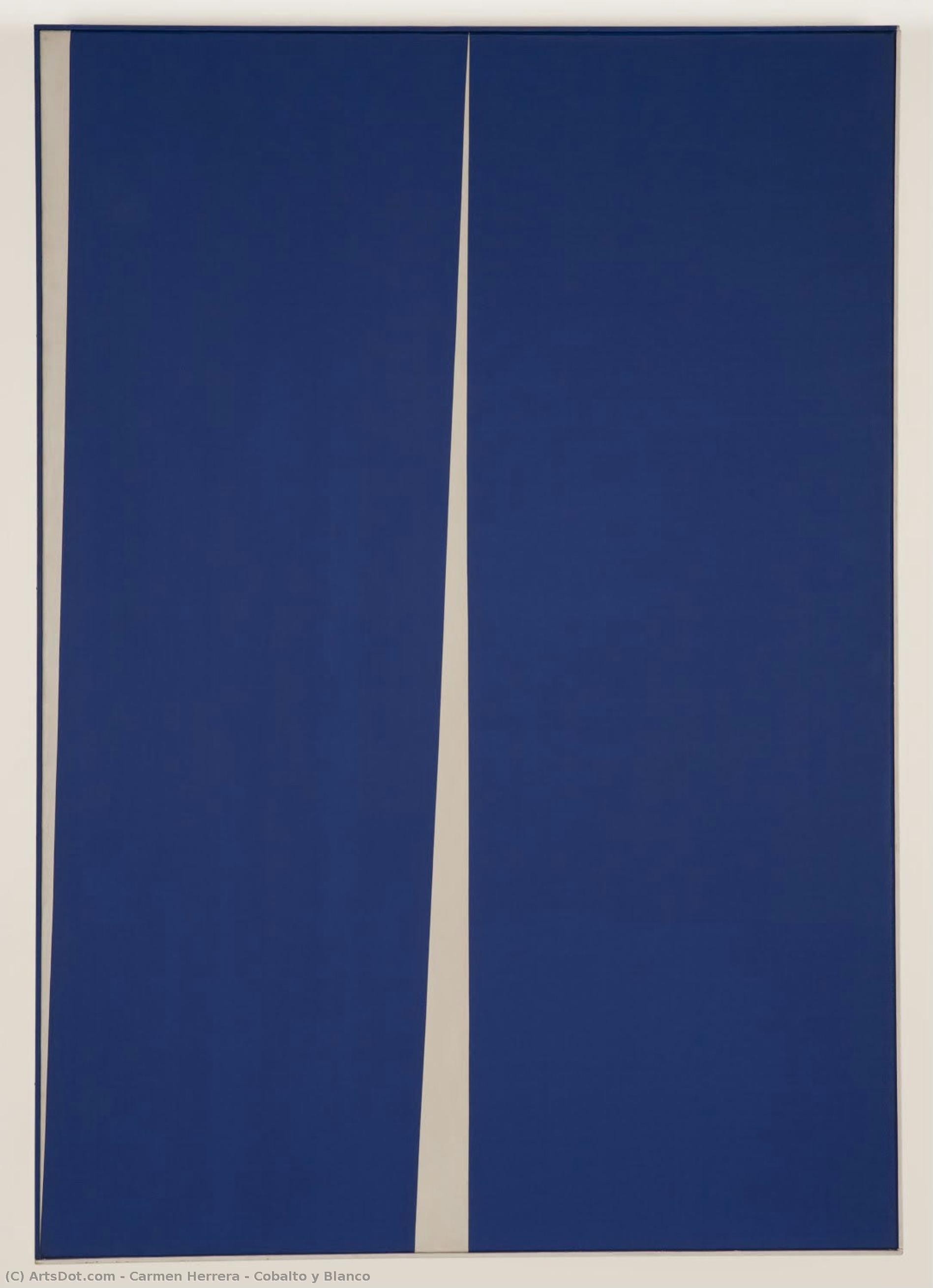
Cobalto y Blanco
 Acrylic On Canvas
- WallArt
- Hard Edge Abstraction
 1960
1960- Modern
 Центр Культуры Банка Бразилии Рио-де-Жанейро
 Читать далее
Приобретите цифровое изображение высокого разрешения в улучшенном качестве, которое значительно превосходит онлайн-превью.
Каждый файл тщательно подготавливается нашими специалистами с использованием передовых инструментов и экспертной ручной ретуши. Мы гарантируем исключительную четкость, точную цветопередачу и детальную проработку каждого изображения.
Финальный файл доставляется по электронной почте в течение 72 часов и оптимизирован для немедленного использования в профессиональной среде, при верстке и печати. Это тот же уровень качества, которому доверяют ведущие дизайнерские студии, издательства и галереи.
Цифровое изображение
Скачайте файл высокого разрешения для личного использования, печати и творческих проектов. ( Перейти к печати Купить картину ручной работы)
Включено в каждый заказ цифровых изображений
Гарантия экспертной цифровой доставки
Выбирая ArtsDot.com, вы получаете не просто изображение — вы приобретаете профессионально обработанное цифровое произведение искусства, созданное с безупречной точностью и под защитой гарантии качества. Вот всё, что автоматически входит в ваш заказ:

Мгновенная доставка по e-mail
Ваш цифровой файл в высоком разрешении будет отправлен вам по электронной почте в течение 72 часов после оформления заказа — и сразу станет доступен для использования.

Цифровой файл с ИИ-улучшением
Ваше произведение искусства проходит профессиональную оптимизацию с использованием передовых инструментов ИИ и ручной обработки, что гарантирует максимальную детализацию, четкость и точность цветопередачи.

Бессрочная бесплатная повторная доставка
Случайно удалили или потеряли файл? Не беспокойтесь — мы отправим его вам повторно в любое время и совершенно бесплатно.

Без импортных пошлин — навсегда
Наслаждайтесь вашим произведением искусства мгновенно без таможенных пошлин, сборов или затрат на доставку — цифровые загрузки всегда не облагаются налогом.

Гарантия точности цветопередачи
Мы гарантируем, что ваше цифровое изображение максимально точно передает оригинальные цвета благодаря использованию профессиональных инструментов и систем управления цветом.

Гарантия удовлетворенности 100 дней
Если вы не будете удовлетворены своим цифровым изображением, мы внесем правки или вернем 100% стоимости в течение 100 дней — без лишних вопросов.

100% Гарантия возврата средств
Не удовлетворены покупкой? Получите полный возврат средств в течение 100 дней после получения цифрового файла — без лишних вопросов.

Скидки на оптовые заказы
Купите 3 изображения, сэкономьте 10% — Купите 5, сэкономьте 15% — Купите 10+, сэкономьте 20%. Отличное решение для творческих проектов, галерей и агентств.
Cobalto y Blanco: A Minimalist Echo of Cézanne’s Landscape Vision
Carmen Herrera's "Cobalto y Blanco," created in 1960, stands as a testament to the enduring power of geometric abstraction and its ability to evoke profound emotional resonance. This deceptively simple painting—a bold rectangle of white punctuated by a curving blue line—captures a spirit that transcends mere visual representation, mirroring the contemplative gaze fostered by artists like Cézanne who sought to distill nature’s essence into fundamental forms. The artwork's placement at Centro Cultural Banco do Brasil Rio de Janeiro underscores its significance within Brazilian art history and its continued relevance as an exemplar of minimalist aesthetic principles.- Subject Matter: At first glance, “Cobalto y Blanco” presents a stark contrast between color and form—a luminous white rectangle juxtaposed against the assertive presence of a curving blue line. This deliberate simplicity isn’t merely stylistic; it's designed to invite contemplation about perception itself.
- Style & Technique: Herrera employed acrylic paint on canvas, utilizing a technique that prioritizes precision and flatness – hallmarks of Hard Edge Abstraction. The resulting surface is remarkably smooth, emphasizing the materiality of the pigment without distracting from its geometric purity. This meticulous approach aligns perfectly with Minimalism’s rejection of illusionistic depth and textural complexity.
- Historical Context: Produced during the mid-1960s, “Cobalto y Blanco” emerged from a vibrant artistic milieu influenced by movements like Abstract Expressionism and Minimalism. Artists were actively exploring ways to express emotion through reductive visual elements—a reaction against the expressive fervor of earlier generations. Herrera’s work embodies this shift toward formal clarity and intellectual rigor.
- Symbolism & Emotional Impact: The blue line, curving gracefully across the white expanse, subtly suggests movement and depth – mirroring Cézanne's iconic landscapes where he attempted to capture the essence of nature through simplified geometric shapes. It’s a gesture that invites viewers to consider spatial relationships and psychological states, prompting introspection about how we perceive the world around us.
Carmen Herrera: A Pioneer of Geometric Minimalism
Carmen Herrera (1915-2022) was a Cuban-American artist who revolutionized abstract painting with her unwavering commitment to geometric forms and bold color palettes. Born in Havana, she honed her artistic skills early on under Federico Edelmann y Pinto, demonstrating an innate aptitude for visual expression. Her subsequent studies at Marymount School in Paris solidified her appreciation for art history and culture, shaping her stylistic sensibilities. Herrera’s architectural background further informed her approach to composition—a characteristic that would become synonymous with her distinctive oeuvre.- Early Training & Influences: Herrera's formative years instilled a deep understanding of artistic tradition while simultaneously fostering an independent spirit. Edelmann y Pinto’s guidance nurtured her technical prowess, and Marymount School exposed her to the intellectual currents of European art discourse.
- Geometric Style Development: During her Parisian period, Herrera embraced Hard Edge Abstraction—a style characterized by precise geometric shapes rendered in flat planes of color. This technique reflects a deliberate rejection of illusionistic depth, prioritizing visual clarity and formal harmony.
Beyond the Canvas: Herrera’s Legacy & Influence
Carmen Herrera's impact extends far beyond her individual artworks; she fundamentally reshaped perceptions of abstract art and inspired generations of artists to explore minimalist aesthetics. Her unwavering belief in simplicity—both visual and conceptual—continues to resonate with contemporary creatives who seek to communicate profound ideas through reductive forms. The rediscovery of her paintings in recent years has cemented Herrera’s place as a pivotal figure in 20th-century art history, demonstrating the enduring power of geometric abstraction to provoke contemplation and inspire artistic innovation. Her work exemplifies the pursuit of pure form and color—a legacy that will undoubtedly continue to captivate audiences for decades to come.Похожие произведения



Биография художника
Early Life and Education
- Born: Havana, Cuba (May 30, 1915)
- Died: New York City, USA (February 12, 2022) – aged 106
- Early artistic training began at age eight with private lessons from Federico Edelmann y Pinto.
- Attended Marymount School in Paris in 1929, fostering an appreciation for art history and culture.
- Studied architecture briefly at the Universidad de la Habana (1938-1939), influencing her later geometric style.
Artistic Development and Style
- Developed a hard-edge, non-objective abstract style during her time in Paris in the late 1940s and early 1950s.
- Experimented with various materials and techniques, including solvent-based acrylic paints.
- Her work is characterized by geometric shapes, bold colors, and a focus on formal simplicity.
- Influenced by movements such as Abstract Expressionism and Minimalism.
- Explored themes of symmetry, asymmetry, movement, rhythm, and spatial tension in her paintings.
- Later works incorporated three-dimensional sculptural elements ("estructuras").
Career and Recognition
- Exhibited in Havana in 1950 but faced a lack of audience receptiveness.
- Moved to New York City in 1954, where her work initially went largely unrecognized.
- Despite facing challenges as a Latin woman artist, she continued painting consistently for decades.
- Gained significant international recognition late in life, starting in the late 1990s.
- First solo exhibition in New York City after many years was at Lisson Gallery in 2010.
- Major retrospective, *Carmen Herrera: Lines of Sight*, at the Whitney Museum of American Art (2016-2017) brought her widespread acclaim.
Major Works and Exhibitions
- Iberic (1949): A notable early work housed at the Metropolitan Museum of Art in New York City.
- Blanco y Verde series (1959-1971): A significant body of work exploring figure/ground relationships and architectural principles.
- Days of the Week: Series of seven vivid paintings.
- Exhibitions at Stanhardt Gallery, numerous galleries in Europe, and major museums worldwide.
- Public art installations, including Verde, que te quiero verde at the Blanton Museum of Art (2023).
Historical Significance
- Carmen Herrera is considered a pioneering figure in abstract and minimalist art.
- Her late-career recognition highlights the challenges faced by women artists and artists from underrepresented backgrounds.
- Her work demonstrates a commitment to formal rigor, geometric abstraction, and a unique artistic vision.
- She inspired new generations of artists and continues to be celebrated for her contributions to art history.
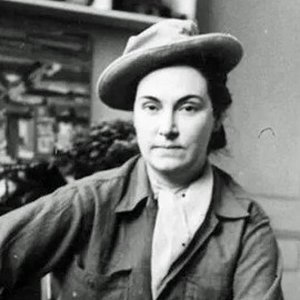
Carmen Herrera
1915 - 2022 , Cuba
Основные сведения
- Artistic Movement Or Style: Abstract, Minimalist
- Date Of Birth: May 31, 1915
- Date Of Death: February 12, 2022
- Full Name: Carmen Herrera
- Nationality: Cuban-American
- Notable Artworks:
- Iberic
- Cobalto y Blanco
- West
- Place Of Birth: Havana, Cuba