


 Поделиться
 Поделиться
 Детали произведения

 Скачать
 Похожие работы
 Слайд-шоу
 Статистика
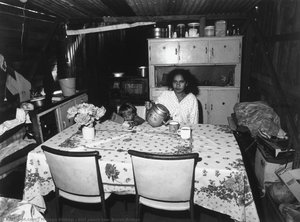
Untitled (Woman and daughter with children)
 Giclée Print
- Digital
- Contemporary Realism
 1990
1990- Contemporary
 71.0 x 71.0 cm
 Crystal Bridges Museum of American Art
 Читать далее
Масляная репродукция ручной работы
Картина маслом на холсте в выбранном вами размере и раме, написанная на заказ нашими художниками. ( Перейти к печати Перейти к цифровым изображениям)




































Выберите один из наших стандартных размеров, соответствующих оригинальным пропорциям произведения искусства.

Вы можете указать собственные размеры, чтобы картина идеально вписалась в выбранную раму или пространство. Если выбранный вами размер не соответствует пропорциям оригинала, мы либо обрежем полотно, либо расширим его за счет дополнительных элементов, написанных вручную. Цифровой макет будет отправлен вам на утверждение перед началом производства.
Обратите внимание, что предварительный просмотр на экране не отражает фактическую обрезку или расширение. Только макет точно покажет окончательную композицию.
Хотя доступны индивидуальные размеры, мы рекомендуем выбирать вариант из предопределенного списка, чтобы сохранить исходные пропорции.
После оформления заказа команда ArtsDot.com свяжется с клиентом по электронной почте для уточнения деталей и предоставит предварительный макет
Доставка по всему миру () за 3–4 недели вместо стандартных 5 недель. (13 Сентябрь). Без компромиссов в качестве.

Бесплатная экспресс-доставка по всему миру

Высококачественный льняной холст

Полное страхование доставки

Гарантия возмещения таможенных пошлин

Гарантия точного соответствия цветов

100-дневная политика возврата (только при обнаружении дефектов)

Гарантия возврата 100% средств

Предложение оптовых скидок
 Вариант со стеклом доступен только для размеров менее 110 см

Untitled (Woman and daughter with children)
Техника репродукции
Размер репродукции
-


Итоговая стоимость
$ 363
A Quiet Resonance of Connection
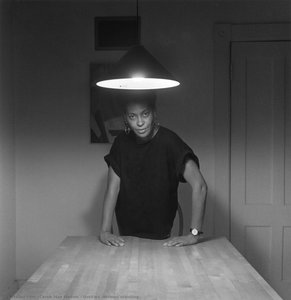
In the profound stillness of Carrie Mae Weems’ Untitled (Woman and daughter with children), we are invited into a sanctuary of domestic intimacy. This evocative black and white photograph captures a fleeting yet eternal moment of familial bond, where three women and two young girls gather around a dining table. The composition is masterfully centered, utilizing the table as an anchor that draws the viewer directly into the heart of the group. There is no artifice here; instead, we find a candid, documentary-style glimpse into a private world, where the simple act of gathering becomes a powerful statement on presence and togetherness.
The artistry of the piece lies in its sophisticated use of light and shadow. A single overhead lamp serves as the primary protagonist of the lighting scheme, casting dramatic, directional shadows that sculpt the figures and define the textures of their clothing. This high-contrast approach—characteristic of a classic silver gelatin print—creates a sense of depth and volume, transforming a domestic scene into something much more monumental. The interplay between the bright highlights on the subjects and the deep, obscuring shadows adds a layer of mystery and gravity, suggesting that while we are witnessing a moment of connection, there are untold stories held within the darkness.
The Poetics of Monochrome and Identity
By stripping away the distraction of color, Weems focuses our attention on the essential elements of form, line, and emotion. The monochromatic palette relies on a rich spectrum of grays to convey texture, from the smooth surface of the table to the organic curves of the human figures. This choice lends the photograph a timeless, archival quality, as if we are peering into a memory that transcends a specific era. The lack of color emphasizes the structural beauty of the composition, where the rounded form of the light fixture and the soft contours of the children create a balanced, harmonious visual rhythm.
For the collector or interior designer, this work offers more than mere decoration; it provides an emotional anchor for a space. The image evokes feelings of warmth, nostalgia, and the enduring strength of lineage. It speaks to the concept of the "kitchen table" as a site of social and personal formation—a theme central to Weems’ broader body of work. As a piece of fine art, it invites contemplation on how identity is shaped within the safety of the domestic sphere. Whether placed in a contemporary gallery setting or a sophisticated residential study, this reproduction serves as a poignant reminder of the beauty found in our most fundamental human connections.
Похожие произведения







Биография художника
A Voice for Visual Narratives of Identity and Resistance
Carrie Mae Weems, born April 20, 1953, in Portland, Oregon, stands as a towering figure within contemporary American art—specifically recognized for her groundbreaking exploration of the African American experience through meticulously crafted photographic narratives and multimedia installations. Her artistic journey began with an unwavering commitment to confronting societal injustices and amplifying marginalized voices, establishing her as one of the foremost artists addressing issues of race, gender, and social inclusion. Weems’ formative years were steeped in a rich cultural heritage that profoundly shaped her worldview and fueled her creative impulse. Growing up in Baltimore, Maryland, she witnessed firsthand the complexities of navigating racial prejudice within American society—a reality that would become central to her artistic vision. This early exposure instilled in her a deep empathy for communities facing systemic oppression and solidified her determination to utilize art as a tool for social commentary and transformative dialogue.
The Power of the Narrative Lens
The breakthrough of Weems’ career arrived with “The Kitchen Table Series” (1992), a seminal photographic project that would redefine the boundaries of documentary photography. In this series, she documented everyday life within Black families, powerfully juxtaposing intimate domestic scenes with historical documents relating to slavery and racial discrimination. This ambitious undertaking was not merely about capturing visual representations; it was about constructing layered narratives that interrogated the legacy of oppression while simultaneously celebrating resilience and familial bonds. A distinctive hallmark of this work was her technique of printing photographs on fabric, a deliberate choice designed to imbue each image with tactile materiality and underscore its connection to broader cultural traditions. Through this method, Weems transformed the photographic medium into something deeply personal and historically resonant.
Her ability to weave intimacy with political urgency is evident in several of her most poignant works:
- Untitled (Woman standing): A profound 1990 black and white photograph that explores the complexities of womanhood and the broader American experience.
- Untitled (Woman brushing hair): A piece that captures a sense of quiet reflection and care within a minimalist kitchen setting, emphasizing themes of family connection.
- Untitled (Woman and daughter with children): An evocative study of intimacy and identity, using the lens to explore social connections across generations.
Legacy and Historical Significance
Throughout her prolific career, Weems has continuously expanded her repertoire to include text-based art, video installations, and complex multimedia compositions. Her work serves as a vital archive of the Black experience, challenging the viewer to confront the historical shadows of prejudice while recognizing the enduring strength of community. By integrating text with imagery, she forces a dialogue between what is seen and what is known, creating a space where history and contemporary reality collide. Her influence extends far beyond the gallery walls, as her art continues to provoke essential conversations regarding how identity is constructed, performed, and reclaimed in the modern age. As a master of visual storytelling, Carrie Mae Weems remains an indispensable presence in the canon of contemporary art, ensuring that the narratives of the marginalized are etched permanently into the collective consciousness.

Carrie Mae Weems
1953 - , United States of America
Основные сведения
- Artistic Movement Or Style: Photography
- Date Of Birth: April 20, 1953
- Full Name: Carrie Mae Weems
- Nationality: American
- Notable Artworks:
- Untitled (Woman standing)
- Magenta Colored Girl
- Ode to Affirmative Action
- Place Of Birth: Portland, United States
Похожие статьи

Beyond the Lens: Photography's Enduring Influence on Modern & Contemporary Art
Explore photography's pivotal role in shaping modern & contemporary art. Discover key movements, influential artists like Stieglitz, and expert collecting advice from ArtsDot.

Monochrome Visions: Exploring the Aesthetic & Historical Significance of Black & White Photography
Explore the rich history & artistic power of black and white photography. From early techniques to iconic masters like Ansel Adams, discover why monochrome continues to captivate art lovers today. Expert insights for collectors.

Белые шедевры: 10 знаменитых картин, покоривших мир (репродукции, декор)
Откройте для себя 10 знаменитых картин, где белый цвет – главный герой! Моне, Дега и другие мастера. История искусства, техники живописи и вдохновение для вашего интерьера. Репродукции высокого качества на ArtsDot.com
Timeless & Chic: Elevating Your New Home with the Sophistication of Black and White Photography
Transform your new home with the timeless allure of black and white photography. ArtsDot.com specializes in elegant monochrome decor and custom hand-painted wedding portraits that turn cherished milestones into lasting, soulful masterpieces. Elevate your space with ease.

Топ-10 знаменитых картин в черных тонах: шедевры искусства для вашего интерьера
Погрузитесь в мир темных шедевров! Топ-10 знаменитых картин в черных тонах от Гойи, Рембрандта и Мунка. История искусства, техники живописи и вдохновение для вашего интерьера. Купите репродукции высокого качества на ArtsDot.com