

 Предпросмотр
 Поделиться
 Поделиться
 Детали произведения

 Скачать
 Похожие работы
 Рентгенография
 Слайд-шоу
 Статистика
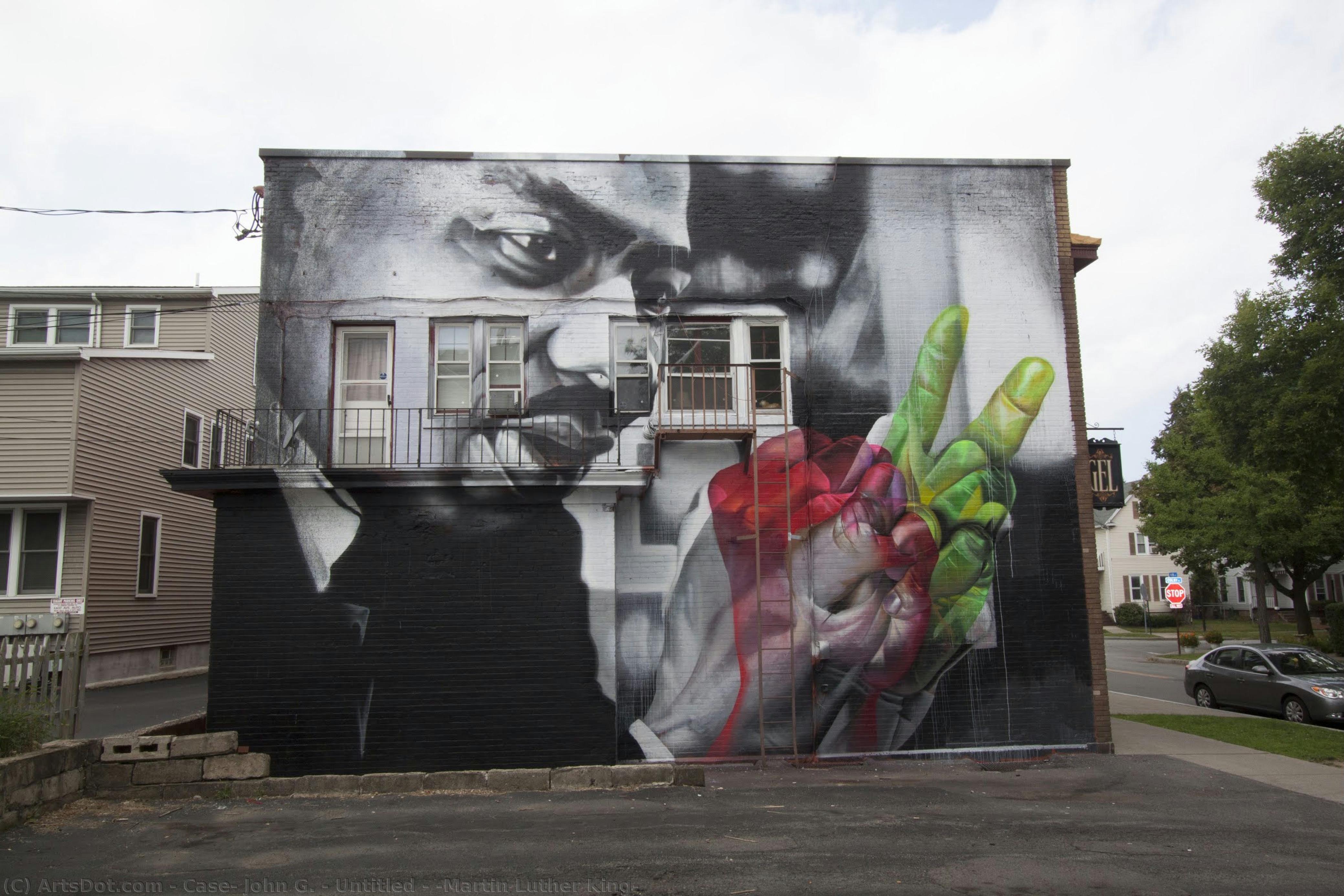
Untitled - (Martin Luther King)

 Читать далее
Масляная репродукция ручной работы
Картина маслом на холсте в выбранном вами размере и раме, написанная на заказ нашими художниками. ( Перейти к печати Перейти к цифровым изображениям)




































Выберите один из наших стандартных размеров, соответствующих оригинальным пропорциям произведения искусства.

Вы можете указать собственные размеры, чтобы картина идеально вписалась в выбранную раму или пространство. Если выбранный вами размер не соответствует пропорциям оригинала, мы либо обрежем полотно, либо расширим его за счет дополнительных элементов, написанных вручную. Цифровой макет будет отправлен вам на утверждение перед началом производства.
Обратите внимание, что предварительный просмотр на экране не отражает фактическую обрезку или расширение. Только макет точно покажет окончательную композицию.
Хотя доступны индивидуальные размеры, мы рекомендуем выбирать вариант из предопределенного списка, чтобы сохранить исходные пропорции.
После оформления заказа команда ArtsDot.com свяжется с клиентом по электронной почте для уточнения деталей и предоставит предварительный макет
Доставка по всему миру () за 3–4 недели вместо стандартных 5 недель. (13 Сентябрь). Без компромиссов в качестве.

Бесплатная экспресс-доставка по всему миру

Высококачественный льняной холст

Полное страхование доставки

Гарантия возмещения таможенных пошлин

Гарантия точного соответствия цветов

100-дневная политика возврата (только при обнаружении дефектов)

Гарантия возврата 100% средств

Предложение оптовых скидок
 Вариант со стеклом доступен только для размеров менее 110 см

Untitled - (Martin Luther King)
Техника репродукции
Размер репродукции
-


Итоговая стоимость
$ 263
Похожие произведения
Биография художника
The Pioneering Lens of John G. Case: Capturing Victorian America
John G. Case, born in Boston, Massachusetts in 1830, stands as a significant, though often overlooked, figure in the early development of American photography. His career unfolded during a period of rapid technological advancement and burgeoning artistic exploration within the medium, a time when photography was transitioning from scientific curiosity to recognized art form. While not a household name like some of his contemporaries, Case’s work provides a compelling window into 19th-century life, particularly in New England, and demonstrates a keen eye for both portraiture and landscape. His story is one of partnership, adaptation, and ultimately, establishing a lasting visual record of a changing nation.Early Collaborations and the Rise of Silsbee & Case
Case’s professional journey began in the bustling photographic scene of Boston in the early 1860s. He quickly recognized the power of collaboration, forming a partnership with George M. Silsbee and William H. Getchell as “Silsbee, Case & Co.” This venture proved pivotal, allowing him to gain experience and access to resources crucial for establishing a foothold in the competitive market. The studio specialized in portraiture, catering to Boston’s growing middle class eager to document their families and social standing. The early work of Silsbee & Case reflects the prevailing aesthetic of the time – carefully posed subjects, meticulous attention to detail, and a focus on conveying respectability and status. However, even within these conventional parameters, hints of Case's individual style began to emerge: a subtle sensitivity to light and shadow, and an ability to capture a sense of personality beyond mere physical likeness. The partnership dissolved after a few years, but the foundation for Case’s future success had been firmly laid.Case & Getchell and the Pursuit of Artistic Expression
Following his time with Silsbee, Case re-entered into another collaboration, this time with William H. Getchell as “Case & Getchell” from approximately 1862 to 1864. This period saw a broadening of their photographic scope. While portraiture remained important, they increasingly turned their attention towards landscape photography, documenting the scenic beauty of New England and beyond. This shift suggests Case’s growing artistic ambition – a desire to move beyond simply recording appearances and to explore the expressive potential of the medium itself. The landscapes produced by Case & Getchell are characterized by a romantic sensibility, often featuring dramatic skies, picturesque vistas, and a careful balance between detail and atmosphere. They were not merely topographical records; they were interpretations of nature imbued with emotion and aesthetic intent.A Solo Studio and the Legacy of “Kodak Girl”
By the late 1860s, Case established his own independent studio in Boston. This marked a turning point in his career, allowing him complete creative control over his work. He continued to produce high-quality portraits, but also embraced new technologies and techniques as they emerged. Perhaps his most enduring image – and one that has cemented his place in photographic history – is the photograph known as “Kodak Girl.” Taken around 1880, it depicts a young woman casually operating a Kodak camera, a revolutionary device that democratized photography by making it accessible to amateurs. The image is not simply a demonstration of new technology; it’s a powerful symbol of changing social roles and the increasing freedom afforded to women in the late Victorian era. “Kodak Girl” became an iconic advertisement for Eastman Kodak, and its widespread circulation helped popularize photography as a leisure activity.Historical Significance and Enduring Appeal
John G. Case’s contributions to American photography extend beyond any single image. He was a skilled practitioner who adapted to the evolving technological landscape while maintaining a consistent artistic vision. His work provides invaluable insights into 19th-century portraiture, landscape aesthetics, and social dynamics. His early partnerships were instrumental in establishing photographic studios that catered to a growing clientele, and his later solo endeavors demonstrated a commitment to innovation and artistic expression. The enduring appeal of images like “Kodak Girl” lies not only in their historical significance but also in their ability to capture a sense of time, place, and the human spirit. Case’s legacy is one of quiet mastery, a testament to the power of photography to document, interpret, and ultimately, shape our understanding of the past. He died in Boston in 1891, leaving behind a rich visual archive that continues to fascinate and inspire.
case, john g.
1830 - 1891 , United States of America
Основные сведения
- Artistic Movement Or Style: Photography
- Date Of Birth: 1830
- Date Of Death: 1891
- Full Name: John G. Case
- Nationality: American
- Notable Artworks: ['Kodak Girl']
- Place Of Birth: Boston, USA
Похожие статьи

Джон Сингер Сарджент: 25 шедевров портретной живописи для вашего интерьера | ArtsDot
Погрузитесь в мир Джона Сингера Сарджента! 25 шедевров импрессионизма и реализма, раскрывающих элегантность эпохи Gilded Age. Купите репродукции картин Сарджента музейного качества для вашего интерьера на ArtsDot.com.

От джунглей до золотой геометрии: тренды муралов для стильных интерьеров отелей
Узнайте о последних трендах муралов для отелей! Экспертные советы по выбору стиля, заказу и интеграции настенной живописи в дизайн интерьера. Создайте уникальную атмосферу с .

Муралы в интерьере отеля: руководство по созданию запоминающегося дизайна
Руководство для дизайнеров отелей по использованию муралов. Создайте уникальный и запоминающийся интерьер с помощью настенной живописи. Вдохновляющие примеры, советы экспертов.

Джон Констебль: 25 шедевров английского пейзажа для вашего интерьера
Погрузитесь в мир английского пейзажа с Джоном Констеблом! 25 шедевров романтизма, история создания картин и вдохновение для вашего интерьера. Репродукции высокого качества на ArtsDot.com – искусство для ценителей.

Преображение интерьеров: как муралы переосмысливают кухни и ванные комнаты
Узнайте, как муралы преобразят вашу кухню и ванную комнату! Экспертные советы по выбору дизайна, материалам и уходу. Создайте уникальный интерьер с помощью росписи стен.