

 Предпросмотр
 Поделиться
 Поделиться
 Детали произведения

 Скачать
 Похожие работы
 Рентгенография
 Слайд-шоу
 Статистика
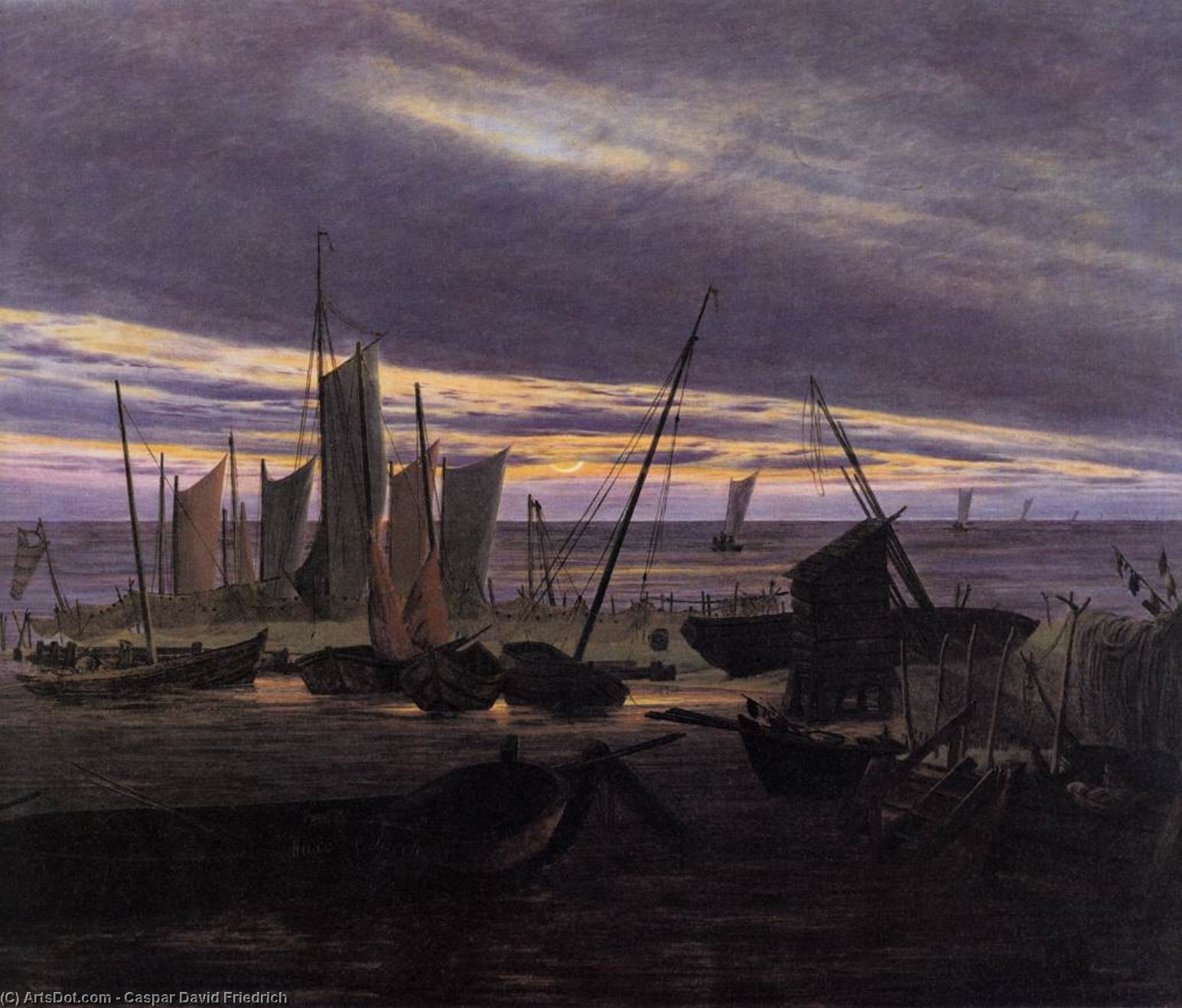
Boats in the Harbour at Evening
 Oil On Canvas
- WallArt
- Romanticism
 1828
1828 76.0 x 88.0 cm
 Галерея старых мастеров Дрездена
 Читать далее
Приобретите цифровое изображение высокого разрешения в улучшенном качестве, которое значительно превосходит онлайн-превью.
Каждый файл тщательно подготавливается нашими специалистами с использованием передовых инструментов и экспертной ручной ретуши. Мы гарантируем исключительную четкость, точную цветопередачу и детальную проработку каждого изображения.
Финальный файл доставляется по электронной почте в течение 72 часов и оптимизирован для немедленного использования в профессиональной среде, при верстке и печати. Это тот же уровень качества, которому доверяют ведущие дизайнерские студии, издательства и галереи.
Цифровое изображение
Скачайте файл высокого разрешения для личного использования, печати и творческих проектов. ( Перейти к печати Купить картину ручной работы)
Включено в каждый заказ цифровых изображений
Гарантия экспертной цифровой доставки
Выбирая ArtsDot.com, вы получаете не просто изображение — вы приобретаете профессионально обработанное цифровое произведение искусства, созданное с безупречной точностью и под защитой гарантии качества. Вот всё, что автоматически входит в ваш заказ:

Мгновенная доставка по e-mail
Ваш цифровой файл в высоком разрешении будет отправлен вам по электронной почте в течение 72 часов после оформления заказа — и сразу станет доступен для использования.

Цифровой файл с ИИ-улучшением
Ваше произведение искусства проходит профессиональную оптимизацию с использованием передовых инструментов ИИ и ручной обработки, что гарантирует максимальную детализацию, четкость и точность цветопередачи.

Бессрочная бесплатная повторная доставка
Случайно удалили или потеряли файл? Не беспокойтесь — мы отправим его вам повторно в любое время и совершенно бесплатно.

Без импортных пошлин — навсегда
Наслаждайтесь вашим произведением искусства мгновенно без таможенных пошлин, сборов или затрат на доставку — цифровые загрузки всегда не облагаются налогом.

Гарантия точности цветопередачи
Мы гарантируем, что ваше цифровое изображение максимально точно передает оригинальные цвета благодаря использованию профессиональных инструментов и систем управления цветом.

Гарантия удовлетворенности 100 дней
Если вы не будете удовлетворены своим цифровым изображением, мы внесем правки или вернем 100% стоимости в течение 100 дней — без лишних вопросов.

100% Гарантия возврата средств
Не удовлетворены покупкой? Получите полный возврат средств в течение 100 дней после получения цифрового файла — без лишних вопросов.

Скидки на оптовые заказы
Купите 3 изображения, сэкономьте 10% — Купите 5, сэкономьте 15% — Купите 10+, сэкономьте 20%. Отличное решение для творческих проектов, галерей и агентств.
A Twilight Serenade: Exploring Caspar David Friedrich’s “Boats in the Harbour at Evening”
This captivating oil on canvas from 1828 offers a profound meditation on tranquility and the sublime. Measuring 76 x 88 cm, “Boats in the Harbour at Evening,” currently housed in the Gemäldegalerie, Dresden, exemplifies Caspar David Friedrich’s mastery of Romantic landscape painting. It's more than just a depiction of a harbor; it’s an invitation to contemplate the passage of time and humanity’s relationship with nature.Subject & Composition: A Scene of Quiet Departure
The painting presents a serene harbour scene bathed in the soft glow of dusk. Several sailboats, some closer to shore and others further out at sea, gently float on the water. Two figures are subtly placed within the composition – one near the center, drawing the eye inward, and another towards the right, suggesting a quiet departure or return. The horizon line is carefully balanced, dividing the canvas into sky and sea, creating a sense of harmonious equilibrium. Friedrich doesn’t overwhelm with detail; instead, he focuses on capturing the *feeling* of the scene – a peaceful stillness punctuated by the suggestion of human presence.Style & Technique: Romanticism and Chiaroscuro
“Boats in the Harbour at Evening” is a quintessential example of German Romanticism. This movement, flourishing in the late 18th and early 19th centuries, prioritized emotion, individualism, and the awe-inspiring power of nature. Friedrich’s technique is characterized by meticulous detail combined with an atmospheric haziness. He expertly employs chiaroscuro, a dramatic contrast between light and dark, to create depth and dimensionality. The illuminated boats stand out against the darker backdrop of the harbor, drawing our attention while simultaneously emphasizing the vastness surrounding them. His brushwork is delicate yet purposeful, suggesting texture in the water, vegetation, and sails.Historical Context & Artistic Influence
Created during a period of significant social and political change, Friedrich’s work often reflects a yearning for spiritual connection amidst industrialization and societal upheaval. He was a pivotal figure in establishing a distinctly German Romantic aesthetic, moving away from Neoclassical formality towards a more emotionally resonant style. His emphasis on light, symbolism, and the power of landscape influenced generations of artists, impacting movements like Impressionism. While distinct, echoes of his approach can be seen in the dramatic lighting employed by artists such as Francisco de Goya, particularly in works like “Scene of Bullfight,” where atmosphere is used to heighten emotional impact.Symbolism & Emotional Impact: Reflections on Time and Eternity
The painting is rich with symbolic meaning. The setting sun represents the end of a day – and by extension, the passage of time and the inevitability of change. The calm water suggests inner peace and contemplation. The boats themselves can be interpreted as metaphors for life’s journey, navigating between known shores and the vast unknown. Friedrich consistently used natural elements to evoke spiritual or emotional states, and this painting is no exception. It evokes a sense of melancholy beauty, inviting viewers to reflect on their own mortality and place within the larger universe. The overall effect is one of quiet reverence and profound serenity.For Collectors & Interior Designers
“Boats in the Harbour at Evening” offers timeless appeal for both art collectors and those seeking to create a calming atmosphere in their homes. Its muted color palette – blues, grays, and warm golds – lends itself well to various interior design styles, from traditional to contemporary. A high-quality reproduction of this masterpiece would serve as a stunning focal point in a living room, study, or bedroom, fostering a sense of peace and contemplation. Its enduring beauty and profound symbolism ensure its continued relevance for generations to come.- Style: German Romanticism
- Medium: Oil on Canvas
- Dimensions: 76 x 88 cm
- Location: Gemäldegalerie, Dresden, Germany
Похожие произведения
Биография художника
A Solitary Vision: The Life and Art of Caspar David Friedrich
Born in the Baltic port city of Greifswald in 1774, Caspar David Friedrich’s life was steeped in a melancholic atmosphere that would profoundly shape his artistic vision. His early years were marked by loss – the deaths of his mother and siblings fostered a sensitivity to mortality and transience that became central themes in his work. Initially educated by his older brother Christian in drawing, Friedrich’s formal training began at the University of Leipzig, where he pursued both art and theology, though neither degree was completed. This dual interest—a fascination with the visual world alongside a deep spiritual questioning—would prove crucial to his development as an artist. Further studies in Copenhagen honed his technical skills, exposing him to landscape painting traditions that would serve as a foundation for his unique style, yet it was not imitation he sought but rather expression—a means of conveying inner emotional states through the language of nature.The Birth of Romantic Landscape
Friedrich’s artistic journey wasn't merely about depicting scenery; it was about imbuing landscapes with profound symbolic meaning. He moved away from the meticulous detail favored by earlier artists, embracing a more personal and expressive approach. His paintings are characterized by an emphasis on the sublime—evoking feelings of awe, terror, and spiritual connection in the face of nature’s grandeur. The use of *Rückenfiguren*, figures seen from behind, became a signature element, inviting viewers to step into the scene and share in the contemplative experience. Natural elements like ancient trees, towering mountains, swirling fog, and crumbling ruins weren't simply picturesque details; they were potent symbols representing life’s cycles, spiritual longing, and the weight of history. His palette, often muted with blues, grays, and browns, further enhanced the mood of introspection He pioneered a way to depict landscapes not as mere views but as reflections of the human soul—a revolutionary concept for its time.Iconic Works and Enduring Themes
Several paintings stand out as defining examples of Friedrich’s artistic achievement. “Abbey in the Oakwood” (1809-1810), a haunting image of a ruined churchyard enveloped by bare trees, speaks powerfully to themes of mortality and spiritual decay. It exemplifies his masterful use of light and shadow to convey emotion and symbolism. Perhaps his most famous work, “Wanderer Above the Sea of Fog” (c. 1818), encapsulates the Romantic ideal of the individual confronting the vastness and mystery of existence. The figure, silhouetted against a swirling sea of mist, embodies both human aspiration and insignificance—a poignant reminder of our vulnerability in the face of nature’s immensity. “Chalk Cliffs on Rügen” (1818) demonstrates his mastery of atmospheric effects and subtly conveys a sense of national identity—a growing concern in the fragmented political landscape of early 19th-century Germany. The composition draws inspiration from Dutch Masters like Jacob van Ruisdael, reflecting Friedrich’s admiration for classical artistic traditions. Even more dramatic is “The Sea of Ice” (1824), a chilling depiction of an Arctic wasteland, representing nature’s immense power and indifference to human fate—a testament to the sublime and Friedrich's ability to capture the psychological impact of confronting overwhelming natural forces. Recurring throughout his oeuvre are themes of nature as a manifestation of the divine, the fragility of humanity in the face of cosmic forces, melancholy, solitude, spiritual yearning, and a burgeoning sense of German nationalism.Influences and Artistic Development
Friedrich’s artistic development was shaped by several key influences. He studied under Johann Christian Dahl, whose landscapes instilled in him a fascination with dramatic atmospheric conditions and expressive brushwork. Furthermore, he absorbed the philosophical ideas of Immanuel Kant, particularly Kant's concept of transcendental idealism—the notion that our experience is fundamentally shaped by mental categories rather than objective reality. This intellectual engagement informed Friedrich’s artistic vision, prompting him to explore the relationship between perception and consciousness. He skillfully blended elements of Dutch Golden Age landscape painting with his own distinctive style, creating images that are both aesthetically beautiful and emotionally resonant.Legacy and Rediscovery
Friedrich’s art resonated deeply with audiences during his lifetime, though it wasn't universally appreciated. Nevertheless, he experienced a significant revival in the late 20th century, becoming widely recognized as one of the most important figures in German Romanticism—a movement that championed emotion, imagination, and individualism. His pioneering approach to landscape painting influenced subsequent generations of artists who sought to express inner feelings through visual means. He remains a pivotal figure whose work continues to inspire contemplation and spiritual awakening, reminding us of the profound connection between humanity and the natural world, and the enduring power of art to convey complex ideas about existence and morality. His contribution to artistic history is undeniable.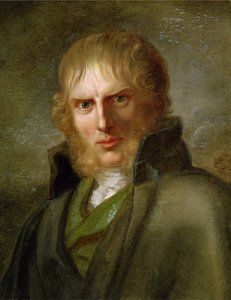
Каспар Давид Фридрих
1774 - 1840 , Германия
Основные сведения
- Artistic Movement Or Style: Романтизм
- Artists Or Movements Influenced By This Artist:
- Символисты
- Сюрреалисты
- Artists Who Influenced This Artist:
- Нидерландские мастера
- Дж.К. Даль
- Date Of Birth: 5 сентября 1774 г.
- Date Of Death: 7 мая 1840 г.
- Full Name: Каспер Давид Фридрих
- Nationality: Немецкий
- Notable Artworks:
- Абатство в дубовом лесу
- Бродяга над морем тумана
- Морские скалы Ругенсберга
- Place Of Birth: Грейфсвальд, Германия