

 Предпросмотр
 Поделиться
 Поделиться
 Детали произведения

 Скачать
 Похожие работы
 Рентгенография
 Слайд-шоу
 Статистика
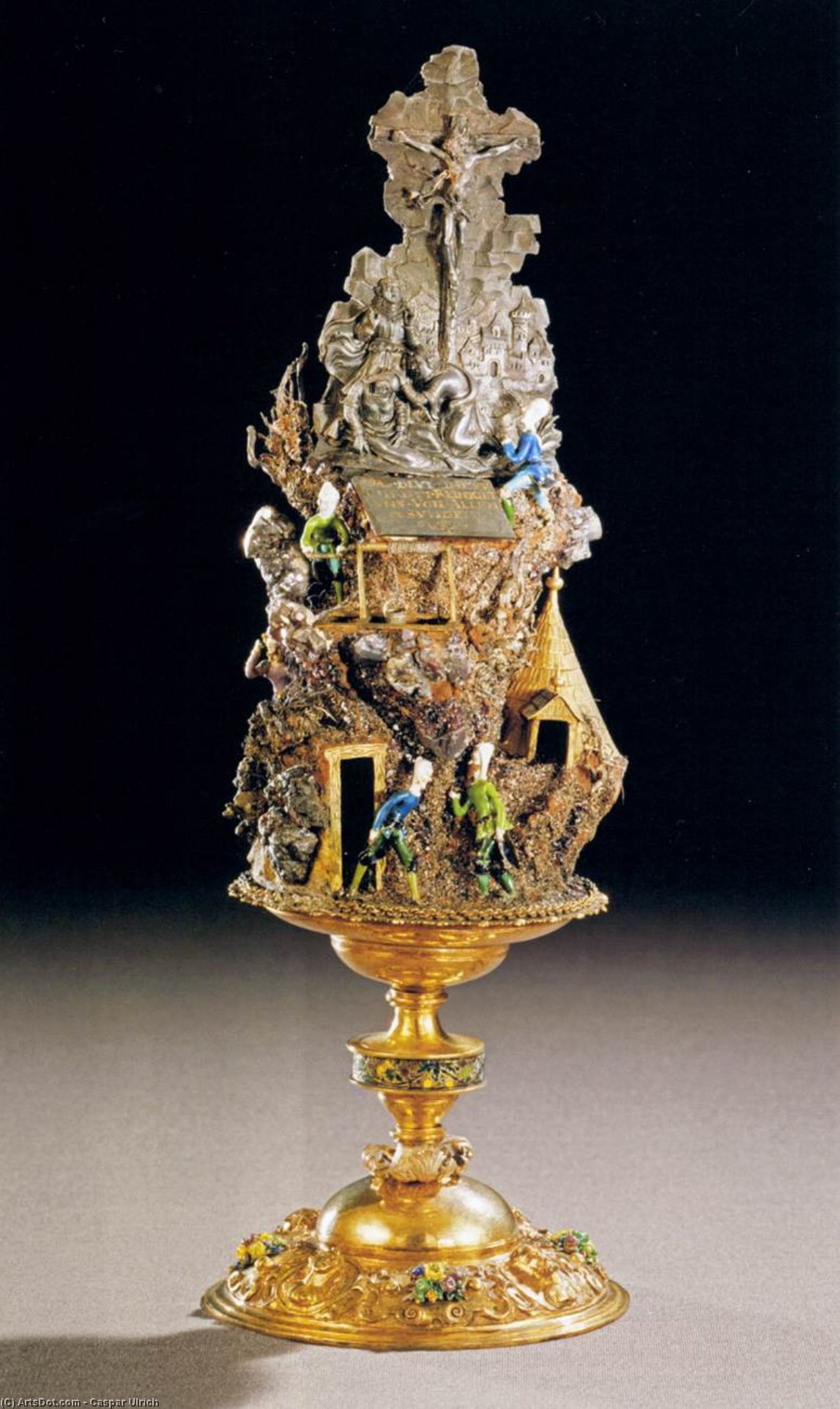
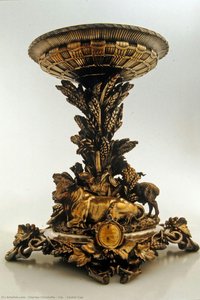
Handstone with Crucifixion and Resurrection Scenes


 Читать далее
Приобретите цифровое изображение высокого разрешения в улучшенном качестве, которое значительно превосходит онлайн-превью.
Каждый файл тщательно подготавливается нашими специалистами с использованием передовых инструментов и экспертной ручной ретуши. Мы гарантируем исключительную четкость, точную цветопередачу и детальную проработку каждого изображения.
Финальный файл доставляется по электронной почте в течение 72 часов и оптимизирован для немедленного использования в профессиональной среде, при верстке и печати. Это тот же уровень качества, которому доверяют ведущие дизайнерские студии, издательства и галереи.
Цифровое изображение
Скачайте файл высокого разрешения для личного использования, печати и творческих проектов. ( Перейти к печати Купить картину ручной работы)
Включено в каждый заказ цифровых изображений
Гарантия экспертной цифровой доставки
Выбирая ArtsDot.com, вы получаете не просто изображение — вы приобретаете профессионально обработанное цифровое произведение искусства, созданное с безупречной точностью и под защитой гарантии качества. Вот всё, что автоматически входит в ваш заказ:

Мгновенная доставка по e-mail
Ваш цифровой файл в высоком разрешении будет отправлен вам по электронной почте в течение 72 часов после оформления заказа — и сразу станет доступен для использования.

Цифровой файл с ИИ-улучшением
Ваше произведение искусства проходит профессиональную оптимизацию с использованием передовых инструментов ИИ и ручной обработки, что гарантирует максимальную детализацию, четкость и точность цветопередачи.

Бессрочная бесплатная повторная доставка
Случайно удалили или потеряли файл? Не беспокойтесь — мы отправим его вам повторно в любое время и совершенно бесплатно.

Без импортных пошлин — навсегда
Наслаждайтесь вашим произведением искусства мгновенно без таможенных пошлин, сборов или затрат на доставку — цифровые загрузки всегда не облагаются налогом.

Гарантия точности цветопередачи
Мы гарантируем, что ваше цифровое изображение максимально точно передает оригинальные цвета благодаря использованию профессиональных инструментов и систем управления цветом.

Гарантия удовлетворенности 100 дней
Если вы не будете удовлетворены своим цифровым изображением, мы внесем правки или вернем 100% стоимости в течение 100 дней — без лишних вопросов.

100% Гарантия возврата средств
Не удовлетворены покупкой? Получите полный возврат средств в течение 100 дней после получения цифрового файла — без лишних вопросов.

Скидки на оптовые заказы
Купите 3 изображения, сэкономьте 10% — Купите 5, сэкономьте 15% — Купите 10+, сэкономьте 20%. Отличное решение для творческих проектов, галерей и агентств.
A Testament in Silver: Caspar Ulrich's "Handstone with Crucifixion and Resurrection Scenes"
Imagine holding history in your hand—a tangible link to the fervent religious devotion of 16th-century Bohemia. That is precisely what Caspar Ulrich’s “Handstone with Crucifixion and Resurrection Scenes,” crafted around 1550, offers. This remarkable object, now residing within the Kunsthistorisches Museum in Vienna, transcends mere decoration; it's a miniature world brimming with symbolic meaning, meticulously rendered in silver gilt, partially enamelled, and incorporating natural minerals and silver ore. The very term "handstone" speaks to its original purpose: these weren’t grand altar pieces but intimate devotional objects, often presented as gifts—a testament to the prosperity brought by mining and a tangible expression of faith.
The Craft & Context: A Bohemian Masterpiece
Ulrich, a die-cutter active in Sankt Joachimsthal (present-day Jáchimov) within the Bohemian Ore Mountains, was working during a period of intense silver mining activity. The region’s wealth fueled artistic innovation, and handstones emerged as a unique form of decorative art. These objects were more than just pretty trinkets; they reflected the close relationship between faith, labor, and prosperity in this vital mining community. Ulrich's skill is evident in the intricate details carved into the silver ore – a testament to his mastery of die-cutting techniques. The use of natural minerals within the piece adds an element of raw beauty, contrasting with the refined elegance of the giltwork and enamel. The handstone’s construction itself is fascinating: a carefully assembled combination of sculpted elements and naturally occurring silver ore, unified into a cohesive narrative.
A Narrative in Miniature: Symbolism & Storytelling
The "Handstone" isn't simply beautiful; it tells a story. The lower half depicts a mining scene, grounding the piece in the reality of its creation and the lives of those who produced the silver that made it possible. Above this, the central focus is the Crucifixion scene, carved directly from a single piece of pure silver ore. This choice isn't accidental; silver was often associated with purity and redemption in Christian iconography. The kneeling miner before the cross symbolizes devotion and humility—a poignant representation of the miners’ faith amidst their arduous labor. Turning the handstone reveals another crucial element: Christ’s Resurrection, depicted with a sense of hope and triumph. This duality – suffering and salvation – is central to the Christian narrative and powerfully conveyed within this small object. The presence of angels flanking the crucifixion scene further emphasizes the divine intervention in human affairs.
Emotional Resonance & Enduring Appeal
Beyond its historical significance and artistic merit, Ulrich’s "Handstone" evokes a profound sense of quiet contemplation. Its intimate scale invites close examination, allowing viewers to appreciate the incredible detail and craftsmanship. The combination of religious symbolism and mining imagery creates a unique emotional resonance—a reminder of the human cost of prosperity and the enduring power of faith in the face of adversity. Owning a hand-painted reproduction of this masterpiece allows you to bring that same sense of history, artistry, and spiritual depth into your own home, transforming any space into a sanctuary of beauty and reflection.
Похожие произведения
Биография художника
The Silvered Devotion of Caspar Ulrich
In the heart of sixteenth-century Bohemia, amidst the rugged splendor of the Ore Mountains, there existed a world where the raw wealth of the earth met the fervent piety of the soul. It was within this atmosphere of intense silver mining and religious fervor that Caspar Ulrich practiced his delicate craft. A master die-cutter active in Sankt Joachimsthal, Ulrich did not merely create objects; he sculpted miniature universes. His work represents a profound intersection of industry and artistry, where the very minerals pulled from the dark depths of the earth were transformed into luminous vessels of spiritual narrative.
Ulrich’s artistry is most breathtakingly captured in his Handstone with Crucifixion and Resurrection Scenes, a masterpiece crafted around 1550. To encounter such a piece is to hold history itself within one's palms. Unlike the grand, sweeping altarpieces of great cathedrals, Ulrich specialized in the intimate—the "handstone." These were portable, tactile objects of devotion, often gifted as tokens of faith or symbols of prosperity. His technique involved a sophisticated marriage of materials: silver gilt, partial enameling, and the strategic incorporation of natural minerals and silver ore. This use of raw, unrefined elements alongside refined precious metals created a striking contrast, grounding the divine scenes of the Crucifix and Resurrection in the physical reality of the Bohemian landscape.
A Legacy Carved in Ore and Spirit
The significance of Ulrich’s work extends far beyond its aesthetic beauty. His ability to weave the socio-economic realities of his time into religious iconography provides a window into the 16th-century Bohemian psyche. The lower portions of his compositions often depicted mining scenes, paying homage to the labor and the geological bounty that sustained his community. Through his meticulous die-cutting, Ulrich achieved a level of detail that allowed for complex storytelling on a minuscule scale, ensuring that every glint of enamel and every vein of silver ore contributed to a larger theological message.
Today, the remnants of his genius, such as those housed in the Kunsthistorisches Museum in Vienna, serve as enduring testaments to a period of immense cultural and economic transition. Ulrich’s legacy is defined by:
- Technical Mastery: His unparalleled skill in die-cutting and the integration of natural minerals into precious metalwork.
- Symbolic Depth: The seamless blending of the earthly (mining and ore) with the divine (the Resurrection).
- Cultural Connection: Acting as a voice for the prosperity and religious devotion of the Bohemian mining towns.
In the quiet brilliance of his silvered works, Caspar Ulrich remains a vital figure of the Northern Renaissance tradition, reminding us that even the smallest, most intimate objects can carry the weight of an entire era's spiritual and material aspirations.

caspar ulrich
1705 - 1768 , Switzerland
Основные сведения
- Artistic Movement Or Style: Baroque
- Date Of Birth: 1672 (or early 1673)
- Date Of Death: February 25, 1751
- Full Name: Georg Caspar Schürmann
- Nationality: German
- Notable Artworks: ['Cantata for the inauguration of Castle Salzdahlum']
- Place Of Birth: Idensen bei Neustadt am Rübenberge, Germany