

 Предпросмотр
 Поделиться
 Поделиться
 Детали произведения

 Скачать
 Похожие работы
 Рентгенография
 Слайд-шоу
 Статистика
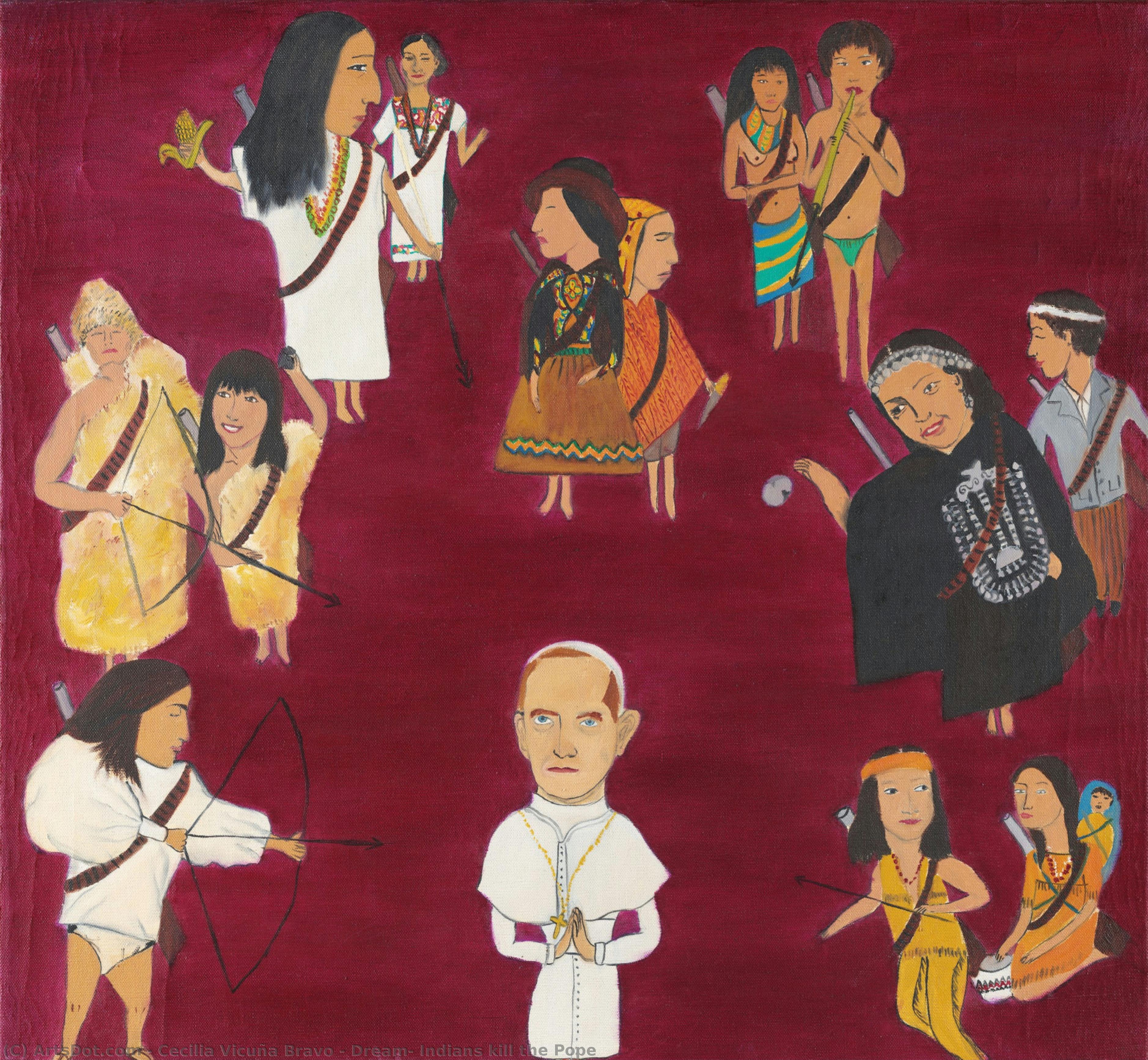
Dream: Indians kill the Pope

 Читать далее
Приобретите цифровое изображение высокого разрешения в улучшенном качестве, которое значительно превосходит онлайн-превью.
Каждый файл тщательно подготавливается нашими специалистами с использованием передовых инструментов и экспертной ручной ретуши. Мы гарантируем исключительную четкость, точную цветопередачу и детальную проработку каждого изображения.
Финальный файл доставляется по электронной почте в течение 72 часов и оптимизирован для немедленного использования в профессиональной среде, при верстке и печати. Это тот же уровень качества, которому доверяют ведущие дизайнерские студии, издательства и галереи.
Цифровое изображение
Скачайте файл высокого разрешения для личного использования, печати и творческих проектов. ( Перейти к печати Купить картину ручной работы)
Включено в каждый заказ цифровых изображений
Гарантия экспертной цифровой доставки
Выбирая ArtsDot.com, вы получаете не просто изображение — вы приобретаете профессионально обработанное цифровое произведение искусства, созданное с безупречной точностью и под защитой гарантии качества. Вот всё, что автоматически входит в ваш заказ:

Мгновенная доставка по e-mail
Ваш цифровой файл в высоком разрешении будет отправлен вам по электронной почте в течение 72 часов после оформления заказа — и сразу станет доступен для использования.

Цифровой файл с ИИ-улучшением
Ваше произведение искусства проходит профессиональную оптимизацию с использованием передовых инструментов ИИ и ручной обработки, что гарантирует максимальную детализацию, четкость и точность цветопередачи.

Бессрочная бесплатная повторная доставка
Случайно удалили или потеряли файл? Не беспокойтесь — мы отправим его вам повторно в любое время и совершенно бесплатно.

Без импортных пошлин — навсегда
Наслаждайтесь вашим произведением искусства мгновенно без таможенных пошлин, сборов или затрат на доставку — цифровые загрузки всегда не облагаются налогом.

Гарантия точности цветопередачи
Мы гарантируем, что ваше цифровое изображение максимально точно передает оригинальные цвета благодаря использованию профессиональных инструментов и систем управления цветом.

Гарантия удовлетворенности 100 дней
Если вы не будете удовлетворены своим цифровым изображением, мы внесем правки или вернем 100% стоимости в течение 100 дней — без лишних вопросов.

100% Гарантия возврата средств
Не удовлетворены покупкой? Получите полный возврат средств в течение 100 дней после получения цифрового файла — без лишних вопросов.

Скидки на оптовые заказы
Купите 3 изображения, сэкономьте 10% — Купите 5, сэкономьте 15% — Купите 10+, сэкономьте 20%. Отличное решение для творческих проектов, галерей и агентств.
Похожие произведения




Биография художника
A Voice of Exile and Ecological Remembrance
Cecilia Vicuña, born in Santiago, Chile, in 1948, is a poet and artist whose oeuvre explores profound themes of language, memory, dissolution, extinction, and exile—concepts inextricably linked to her personal history as a refugee from the violent military coup that ousted Salvador Allende in 1973. Her artistic practice transcends conventional boundaries, integrating poetry, performance, Conceptualism, and textile craft into a singular vision rooted in feminist methodologies and informed by an unwavering engagement with the complexities of Latin American identity. From early explorations of abstraction to monumental fibre art installations—particularly her iconic quipus, knotted strings imbued with symbolic resonance—Vicuña’s work consistently confronts pressing social and ecological concerns, advocating for poetic justice amidst narratives of displacement and environmental degradation.
Growing up in La Florida, nestled within the Maipo Valley, Vicuña inherited a lineage steeped in artistic tradition. Her great-grandmother and grandfather were sculptors—a formative influence that instilled in her an appreciation for materiality and spatial exploration. From 1957 to 1964, she honed her English skills at St Gabriel’s English School, simultaneously cultivating her artistic sensibilities through initial experiments with large abstract paintings crafted in her father's garden studio. Recognizing the importance of formal training, Vicuña enrolled at architecture school at the University of Chile in Santiago but swiftly transitioned to fine arts studies, establishing herself as a sculptor and furthering her artistic education at Slade School of Fine Art, University College London from 1972-1973. These formative experiences shaped her worldview and fueled her commitment to challenging established conventions within the art world.
The Poetics of Fragility and the Precarios
While living in Chile during the mid-1960s, Vicuña began an ongoing series of small sculptures she calls precarios, spatial poems in which she combines feathers, stone, plastic, wood, wire, shells, cloth, and other human-made detritus. These tiny sculptures are often loosely fastened together with string, so the materials appear to have gathered naturally. These works are defined by their fragility and ephemerality; Vicuña initially composed the precarios along the ocean’s edge, so that they would inevitably be erased by the high tide. This practice of creating art destined for disappearance serves as a powerful metaphor for the precarious nature of human existence and the vulnerability of our ecosystems.
As her practice evolved, Vicuña became deeply interested in ancient Andean traditions, particularly the quipu—an ancient method of communication and record-keeping involving the knotting of colored strings. She re-invented this Pre-Columbian system through ritual acts of weaving, creating her own Quipus from unspun wool. These ephemeral, site-specific installations combine the tactile ritual of weaving and spinning with assemblage, poetry, and performance. Through these knotted threads, she seeks to reconstruct a sense of unity and awareness of interconnectivity, bridging the gap between art and poetry as a way of "hearing an ancient silence waiting to be heard."
Legacy of Activism and Global Recognition
Vicuña’s work is never merely aesthetic; it is deeply political and activist in nature. Her practice addresses the most pressing concerns of the modern world, including ecological destruction, human rights, and cultural homogenization. She utilizes what she calls Palabrarmas (word-weapons) to engage with the roots of language and resist the erasure of indigenous knowledge. This commitment to reclaiming ancestral wisdom serves as a talisman against unbridled capitalism and the forces that threaten both the planet and humanity.
Throughout her illustrious career, Vicuña has achieved significant international acclaim, with her work featured in some of the world's most prestigious institutions. Her major achievements include:
- Solo exhibitions at the Tate Modern in London and the Solomon R. Guggenheim Museum in New York.
- Recognition of her contributions to contemporary art through showcases at the Museo de Bellas Artes in Santiago and the Whitechapel Gallery.
- The establishment of a unique artistic vocabulary that merges the boundaries between fine art, literature, and environmental activism.
Today, Cecilia Vicuña remains a vital force in the contemporary art landscape, continuing to use her multidisciplinary approach to advocate for the protection of our shared ecological and cultural heritage.

cecilia vicuña bravo
1948 - , Chile
Основные сведения
- Artistic Movement Or Style: Eco-feminism; Fibre art
- Artists Or Movements Influenced By This Artist: ['None specified']
- Artists Who Influenced This Artist: ['None specified']
- Date Of Birth: 1948
- Full Name: Cecilia Vicuña Bravo
- Nationality: Chilean
- Notable Artworks:
- Dream: Indians kill the Pope
- Santa Cecilia in Trastevere
- Place Of Birth: Santiago, Chile