 Предпросмотр
 Поделиться
 Поделиться
 Детали произведения

 Скачать
 Похожие работы
 Рентгенография
 Слайд-шоу
 Статистика
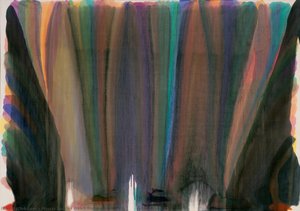
Los trabajos de Persiles y Sigismunda (транс. Испытания Персилия и Сизизманда)


 Читать далее
Масляная репродукция ручной работы
Картина маслом на холсте в выбранном вами размере и раме, написанная на заказ нашими художниками. ( Перейти к печати Перейти к цифровым изображениям)




P118B $10

P118H $10

P118W $10

P438Z $10

P508JH $12

P508YH $12

P805H $10

P805Z $10

P919BZ $10

P919G $10

P919XJ $10

P959ZH $10

P968JZ $12

W106C $8

W218G $10

W218JH $8

W218Y $10

W307PJ $10

W316G $10

W316PJ $8

W316Y $10

W398PJ $8

W4111J $10

W500HY $15

W500JH $15

W692G $12

W849H $8

W940BG $15

W953PJ $8




Выберите один из наших стандартных размеров, соответствующих оригинальным пропорциям произведения искусства.

Вы можете указать собственные размеры, чтобы картина идеально вписалась в выбранную раму или пространство. Если выбранный вами размер не соответствует пропорциям оригинала, мы либо обрежем полотно, либо расширим его за счет дополнительных элементов, написанных вручную. Цифровой макет будет отправлен вам на утверждение перед началом производства.
Обратите внимание, что предварительный просмотр на экране не отражает фактическую обрезку или расширение. Только макет точно покажет окончательную композицию.
Хотя доступны индивидуальные размеры, мы рекомендуем выбирать вариант из предопределенного списка, чтобы сохранить исходные пропорции.
После оформления заказа команда ArtsDot.com свяжется с клиентом по электронной почте для уточнения деталей и предоставит предварительный макет
Доставка по всему миру () за 3–4 недели вместо стандартных 5 недель. (12 Сентябрь). Без компромиссов в качестве.

Бесплатная экспресс-доставка по всему миру

Высококачественный льняной холст

Полное страхование доставки

Гарантия возмещения таможенных пошлин

Гарантия точного соответствия цветов

100-дневная политика возврата (только при обнаружении дефектов)

Гарантия возврата 100% средств

Предложение оптовых скидок
 Вариант со стеклом доступен только для размеров менее 110 см

Los trabajos de Persiles y Sigismunda (транс. Испытания Персилия и Сизизманда)
Техника репродукции
Размер репродукции
-


Итоговая стоимость
$ 288
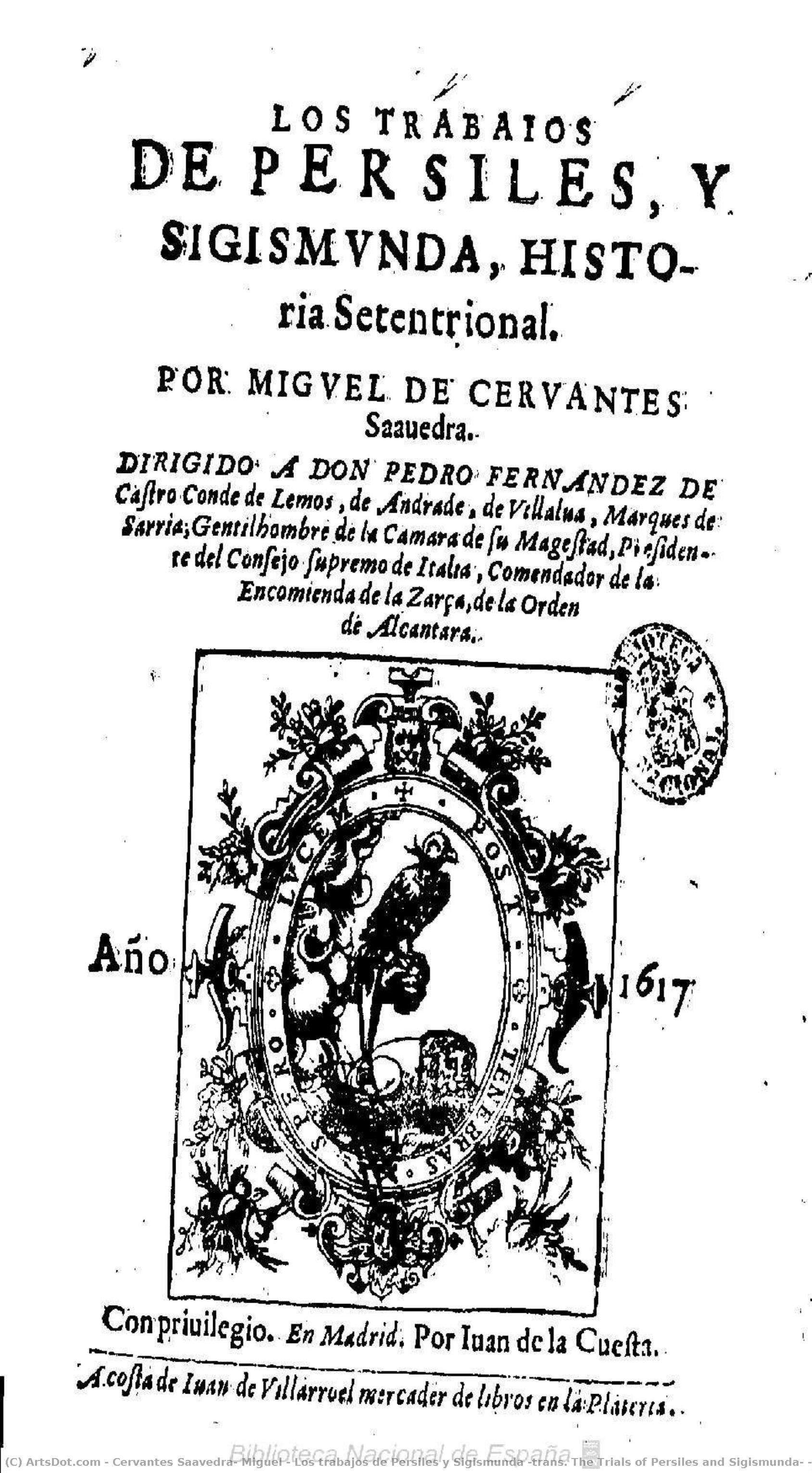
Los Trabajos de Persiles y Sigismunda: Un Estudio Sobre la Última Obra Magistral de Cervantes
Miguel de Cervantes Saavedra, considerado el arquitecto de la literatura moderna, cerró su vida con una obra que sigue resonando siglos después: *Los trabajos de Persiles y Sigismunda*. Esta novela épica publicada en 1617 no solo representa el punto culminante de su trayectoria artística sino también un testimonio excepcional del espíritu renacentista español y una exploración profunda de temas universales como la libertad, el honor y la condición humana.
- El Contexto Histórico: España bajo Felipe III enfrentaba desafíos políticos y económicos que afectaban profundamente la sociedad. Cervantes reflejó esta atmósfera inquietante en sus páginas, utilizando personajes complejos y situaciones dramáticas para cuestionar las normas establecidas y ofrecer una visión crítica del poder.
- Estilo Literario: La novela destaca por su estilo innovador, caracterizado por el uso de múltiples narradores y perspectivas que enriquecen la trama. Cervantes empleó recursos como el diálogo interno y el flujo libre para transmitir emociones y pensamientos con precisión sorprendente, estableciendo nuevos estándares para la ficción española.
- Técnica Imprenta: La obra fue impresa en Madrid por Juan López de Rojas utilizando técnicas tradicionales de imprenta alemana, lo que garantiza una calidad excepcional de impresión y conservación. Los detalles minuciosos del texto y las ilustraciones reflejan el cuidado obsesivo con la estética y la precisión científica propios del siglo XVII.
- Simbolismo: El libro está repleto de símbolos que evocan valores morales y religiosos fundamentales para la época, como la justicia divina, la lucha entre el bien y el mal y la importancia de la virtud. Estos elementos enriquecen la narrativa y ofrecen múltiples niveles de interpretación.
Más allá de su valor artístico, *Los trabajos de Persiles y Sigismunda* ofrece una visión fascinante de la sociedad española del siglo XVII y proporciona información valiosa sobre las costumbres, creencias y tradiciones de ese período. Esta novela sigue siendo un referente para estudiosos y amantes de la literatura que buscan comprender la complejidad de la experiencia humana y apreciar la belleza de la palabra escrita.
Una reproducción artística de esta obra puede aportar una dimensión estética incomparable a cualquier espacio interior, evocando la grandeza del Renacimiento español y celebrando el legado literario de Miguel de Cervantes Saavedra. Su impacto en la historia de la literatura es indiscutible y su belleza permanece intacta hasta nuestros días.
Recomendación: Para una experiencia más profunda, consulta las fuentes originales en Biblioteca Nacional de España: Biblioteca Nazionale CentraleПохожие произведения


![Autograph Statement Requesting That The Guarantee Provided Be Considered Sufficient (biblioteca Nacional De España)\n\n[page 1] — Cervantes Saavedra, Miguel](/media/artworks/images-thumb/be/4d/be4d8356b5c62cf26a2aac9cd48fa43b.jpg)
![Vida De Miguel De Cervantes Saavedra (life Of Miguel De Cervantes Saavedra). Book V Of The Edition Of Don Quixote (biblioteca Nacional De España)\n\n[7] — Martín Fernández De Navarrete Y Ximénez De Tejada, Academic Art](/media/artworks/images-thumb/8c/b6/8cb67a4dd450447373a546c8dd039e57.jpg)
![La Verdadera Patria De Miguel De Cervantes (miguel De Cervantes’s True Homeland) (biblioteca Nacional De España)\n\n[4][fol.1] — Pedro José García Balboa, Baroque Rococo Revival](/media/artworks/images-thumb/a6/d8/a6d842058b3ffb23732e0ff43fd89aac.jpg)
Биография художника
Miguel de Cervantes Saavedra: The Architect of Modern Literature
Miguel de Cervantes Saavedra (1547-1616) stands as an unparalleled figure in the annals of literature, rightfully crowned as Spain’s greatest writer and arguably one of the world's most influential novelists. His magnum opus, *Don Quixote*, transcends mere storytelling; it fundamentally reshaped the genre, establishing itself as the progenitor of the modern novel and securing its place amongst the literary titans of all time—a testament lauded by authors like Tolstoy and Dickens themselves. Born in Alcalá de Henares, Spain, Cervantes’s life unfolded amidst considerable hardship and obscurity, a stark contrast to the enduring legacy he bequeathed upon humanity.- Early Life & Education: Cervantes received his initial education at Universidad Complutense, where he studied theology—a path that ultimately proved unsuccessful for him due to financial constraints. Despite facing difficulties securing stable employment, he honed his skills as a soldier and traveled extensively throughout Europe during the turbulent years of the Thirty Years’ War, experiences which would profoundly shape his worldview and fuel his imaginative prowess.
- Literary Beginnings & Early Works: Cervantes began his literary career with poems and plays—often overshadowed by his later fame—demonstrating a versatility that foreshadowed his future accomplishments. However, it was *La Novela Ejemplar* (*Concerning Notable Novels*) which garnered initial recognition, showcasing his mastery of prose style and exploring themes of chivalry and idealism. Tragically, many of these early works vanished into obscurity, leaving only fragments to tantalize scholars.
Don Quixote: A Revolution in Narrative Form
Published in two parts between 1605 and 1615, *Don Quixote* irrevocably altered the conventions of storytelling. Departing from the episodic romances prevalent at the time, Cervantes crafted a sprawling narrative characterized by psychological depth, realistic portrayal of characters, and intricate plot development—elements that would become hallmarks of the modern novel. The tale chronicles the delusional adventures of Alonso Quijano, an aging nobleman who embarks on a quest to revive chivalric ideals after indulging in fantastical tales of knights errant. Through Sancho Panza’s pragmatic foil, Cervantes deftly juxtaposes idealism and reality, prompting readers to contemplate the nature of illusion and perception.- Themes & Symbolism: *Don Quixote* delves into profound philosophical questions concerning human ambition, disillusionment, and the importance of imagination. The windmill obsession serves as a potent symbol of Quijano’s futile pursuit of unattainable goals—a motif that resonates across centuries and continues to inspire interpretations.
- Renaissance & Baroque Influences: Cervantes's work embodies both Renaissance humanist ideals and Baroque stylistic flourishes. His meticulous attention to detail, combined with vivid descriptions of landscapes and characters, reflects the Baroque fascination for grandeur and emotion—a deliberate contrast to the restrained aesthetic sensibilities of earlier periods.
Legacy & Historical Significance
Cervantes’s influence extends far beyond the literary realm. His novel established a new standard for narrative complexity and psychological realism, shaping subsequent generations of writers and cementing his position as a cornerstone of Western literature. More than simply recounting a fantastical adventure, *Don Quixote* offered a nuanced critique of societal values and explored the human condition with unparalleled sensitivity—a timeless masterpiece that continues to captivate audiences worldwide. His enduring fame is reflected in the phrase “the language of Cervantes,” signifying his indelible mark on Spanish culture and demonstrating the profound impact of his creative vision.- Influence on Subsequent Writers: Authors such as Dickens, Tolstoy, Kafka, and Márquez acknowledged Cervantes’s monumental contribution to literature, citing *Don Quixote* as a formative influence on their own artistic endeavors.
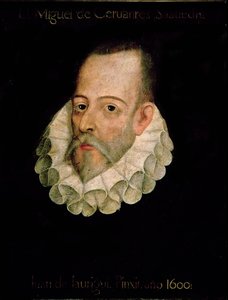
cervantes saavedra, miguel
1547 - 1616 , Spain
Основные сведения
- Artistic Movement Or Style: Renaissance & Baroque
- Artists Or Movements Influenced By This Artist: ['Romanticism']
- Artists Who Influenced This Artist: ['William Shakespeare']
- Date Of Birth: September 29, 1547
- Date Of Death: April 22, 1616
- Full Name: Miguel de Cervantes Saavedra
- Nationality: Spanish
- Notable Artworks: ['Don Quixote']
- Place Of Birth: Alcalá de Henares, Spain
Похожие статьи
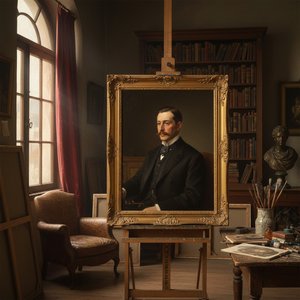
Rafael de Penagos: A Study in Spanish Portraiture & Artistic Identity
Explore the life & art of Rafael de Penagos, a leading Spanish Art Deco illustrator. Discover his iconic 'Penagos Woman', commercial work, and lasting legacy. Learn about this pivotal figure in 20th-century Spanish art history.

Топ-25 шедевров Прадо: Искусство Веласкеса, Гойи и Эль Греко для вашего интерьера
Погрузитесь в мир шедевров Прадо! От Веласкеса до Гойи – история искусства Испании, барокко и знаменитые картины. Купите репродукции высокого качества для вашего интерьера на ArtsDot.com.
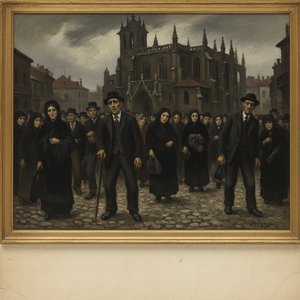
José Gutiérrez Solana: A Chronicle of Spanish Society Through Expressionist Vision
Explore the captivating world of José Gutiérrez Solana, a pivotal Spanish Expressionist painter. Discover his haunting depictions of early 20th-century Spain, influenced by Goya & El Greco. Learn about his key works and lasting legacy.

The Golden Age Reforged: Dramatic Realism & Religious Zeal in Spanish Baroque Art
Explore the dramatic world of Spanish Baroque art! Discover masters like Zurbarán & the powerful influence of religious zeal on painting techniques – a guide for collectors and enthusiasts.
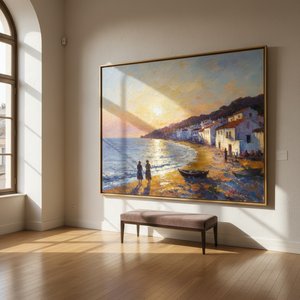
Manuel Benedito Vives: A Study of Light, Color & Emotional Resonance in Contemporary Spanish Painting
Explore the captivating world of Manuel Benedito Vives, a celebrated Spanish painter influenced by Sorolla. Discover his masterful portraits, luminous landscapes & enduring legacy – a favorite of the Spanish Royal Family. Art collectors will appreciate this in-depth study.