

 Предпросмотр
 Поделиться
 Поделиться
 Детали произведения

 Скачать
 Похожие работы
 Рентгенография
 Слайд-шоу
 Статистика
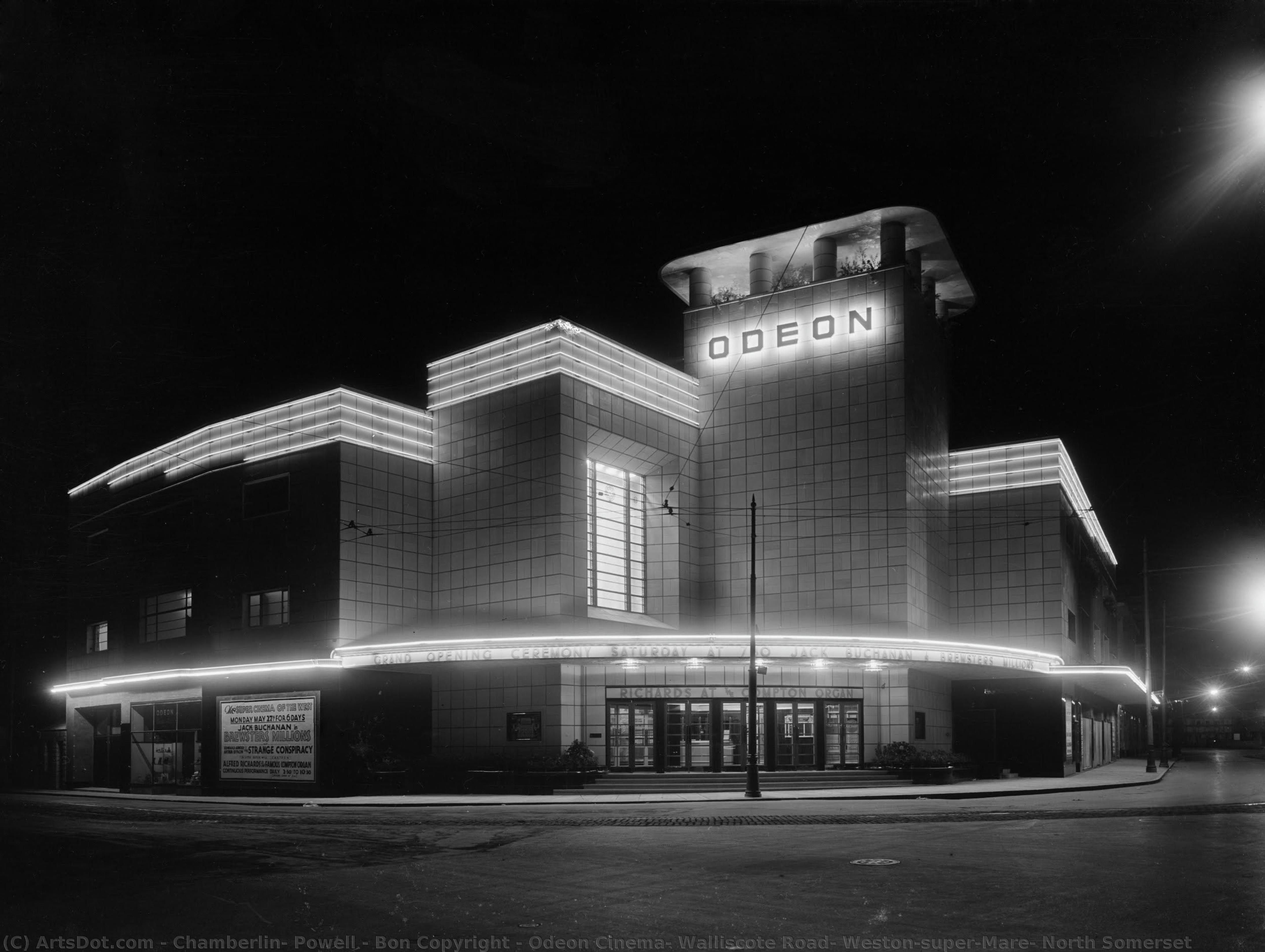
Odeon Cinema, Walliscote Road, Weston-super-Mare, North Somerset


 Читать далее
Приобретите цифровое изображение высокого разрешения в улучшенном качестве, которое значительно превосходит онлайн-превью.
Каждый файл тщательно подготавливается нашими специалистами с использованием передовых инструментов и экспертной ручной ретуши. Мы гарантируем исключительную четкость, точную цветопередачу и детальную проработку каждого изображения.
Финальный файл доставляется по электронной почте в течение 72 часов и оптимизирован для немедленного использования в профессиональной среде, при верстке и печати. Это тот же уровень качества, которому доверяют ведущие дизайнерские студии, издательства и галереи.
Цифровое изображение
Скачайте файл высокого разрешения для личного использования, печати и творческих проектов. ( Перейти к печати Купить картину ручной работы)
Включено в каждый заказ цифровых изображений
Гарантия экспертной цифровой доставки
Выбирая ArtsDot.com, вы получаете не просто изображение — вы приобретаете профессионально обработанное цифровое произведение искусства, созданное с безупречной точностью и под защитой гарантии качества. Вот всё, что автоматически входит в ваш заказ:

Мгновенная доставка по e-mail
Ваш цифровой файл в высоком разрешении будет отправлен вам по электронной почте в течение 72 часов после оформления заказа — и сразу станет доступен для использования.

Цифровой файл с ИИ-улучшением
Ваше произведение искусства проходит профессиональную оптимизацию с использованием передовых инструментов ИИ и ручной обработки, что гарантирует максимальную детализацию, четкость и точность цветопередачи.

Бессрочная бесплатная повторная доставка
Случайно удалили или потеряли файл? Не беспокойтесь — мы отправим его вам повторно в любое время и совершенно бесплатно.

Без импортных пошлин — навсегда
Наслаждайтесь вашим произведением искусства мгновенно без таможенных пошлин, сборов или затрат на доставку — цифровые загрузки всегда не облагаются налогом.

Гарантия точности цветопередачи
Мы гарантируем, что ваше цифровое изображение максимально точно передает оригинальные цвета благодаря использованию профессиональных инструментов и систем управления цветом.

Гарантия удовлетворенности 100 дней
Если вы не будете удовлетворены своим цифровым изображением, мы внесем правки или вернем 100% стоимости в течение 100 дней — без лишних вопросов.

100% Гарантия возврата средств
Не удовлетворены покупкой? Получите полный возврат средств в течение 100 дней после получения цифрового файла — без лишних вопросов.

Скидки на оптовые заказы
Купите 3 изображения, сэкономьте 10% — Купите 5, сэкономьте 15% — Купите 10+, сэкономьте 20%. Отличное решение для творческих проектов, галерей и агентств.
Похожие произведения










Биография художника
The Visionaries of Brutalist Utopias: Chamberlin, Powell & Bon
Chamberlin, Powell and Bon were a British architectural firm whose impact on the post-war landscape—particularly in London—remains profoundly visible today. Founded in 1952 by Geoffry Powell, Peter “Joe” Chamberlin, and Christoph Bon, their story is one of ambitious ideals, collaborative spirit, and ultimately, a complex legacy shaped by both acclaim and controversy. The firm emerged from the rubble of World War II with a determination to rebuild not just structures, but communities, embracing modernist principles and a belief in the power of architecture to improve lives.
The genesis of Chamberlin, Powell & Bon is inextricably linked to the 1951 competition for the Golden Lane Estate. Geoffry Powell’s winning design served as the catalyst for their partnership; an agreement forged at Kingston School of Art stipulated that should any of the three lecturers secure victory, they would unite to realize the project. This initial commission proved pivotal, establishing a foundation built on shared vision and a commitment to innovative housing solutions. Golden Lane, with its carefully planned landscape balancing formal geometry and picturesque elements, became known as their “apprentice piece,” demonstrating an early mastery of integrating architecture with urban life.
From Golden Lane to the Barbican: A Defining Project
The success of Golden Lane propelled Chamberlin, Powell & Bon into the spotlight, culminating in their most celebrated—and debated—achievement: the Barbican Estate. Commissioned by the Corporation of the City of London, this sprawling complex represented a monumental undertaking – a complete reimagining of a 14-hectare swathe of bomb-damaged land. The scale was unprecedented, encompassing over 2000 flats, cultural venues, and public spaces. Their design embraced Brutalist aesthetics—raw concrete, modular forms, and an emphasis on functionality—reflecting the prevailing architectural trends of the era.
The Barbican wasn’t merely a housing project; it was intended as a self-contained community, a ‘city within a city.’ The architects envisioned a vibrant social ecosystem, fostering interaction through communal gardens, elevated walkways, and dedicated arts facilities. However, this utopian vision faced immediate criticism. Its imposing concrete structures were often perceived as cold and alienating, clashing with the historic fabric of London. Initial public reception was lukewarm, and the estate became synonymous with architectural controversy.
Influences and a Collaborative Ethos
The firm’s design philosophy drew heavily from the work of Le Corbusier, whose modernist principles—particularly his emphasis on functionalism and urban planning—were deeply influential. However, Chamberlin, Powell & Bon weren't simply imitators. They sought to adapt these ideas to the specific context of post-war Britain, prioritizing community needs and a sense of human scale within their large-scale projects.
Central to their success was a collaborative ethos. Each partner brought unique strengths to the table: Chamberlin served as the public face of the practice, adept at articulating their vision; Powell possessed a forward-thinking approach to design; and Bon contributed a refined aesthetic sensibility honed through his European experiences. This synergy allowed them to navigate complex challenges and deliver ambitious projects.
Later Works and Lasting Significance
Beyond Golden Lane and the Barbican, Chamberlin, Powell & Bon left their mark on several other significant buildings, including the Bousfield School in Kensington and New Hall, Cambridge (both now listed). They also undertook a comprehensive reconstruction of the campus at Leeds University, implementing a progressive masterplan that seamlessly integrated the university with the city center. These projects demonstrate a consistent commitment to creating modern urban architecture characterized by power, conviction, and sensitivity to its surroundings.
Despite facing criticism throughout their careers, Chamberlin, Powell & Bon’s work has experienced a remarkable resurgence in recent years. The Barbican, once derided as an architectural failure, is now celebrated as a landmark of Brutalist design and a thriving cultural hub. Their buildings stand as testaments to a bold vision of post-war reconstruction—a vision that continues to inspire debate and shape our understanding of urban life. The firm’s archives, preserved at the Royal Institute of British Architects, offer invaluable insights into their creative process and enduring legacy.
Основные сведения
- Artistic Movement Or Style: Brutalism
- Artists Who Influenced This Artist: ['Le Corbusier']
- Date Of Death: Living
- Full Name: Chamberlin, Powell & Bon Copyright
- Nationality: British
- Notable Artworks:
- Barbican Estate
- Golden Lane Estate
- Leeds University campus