

 Предпросмотр
 Поделиться
 Поделиться
 Детали произведения

 Скачать
 Похожие работы
 Рентгенография
 Слайд-шоу
 Статистика
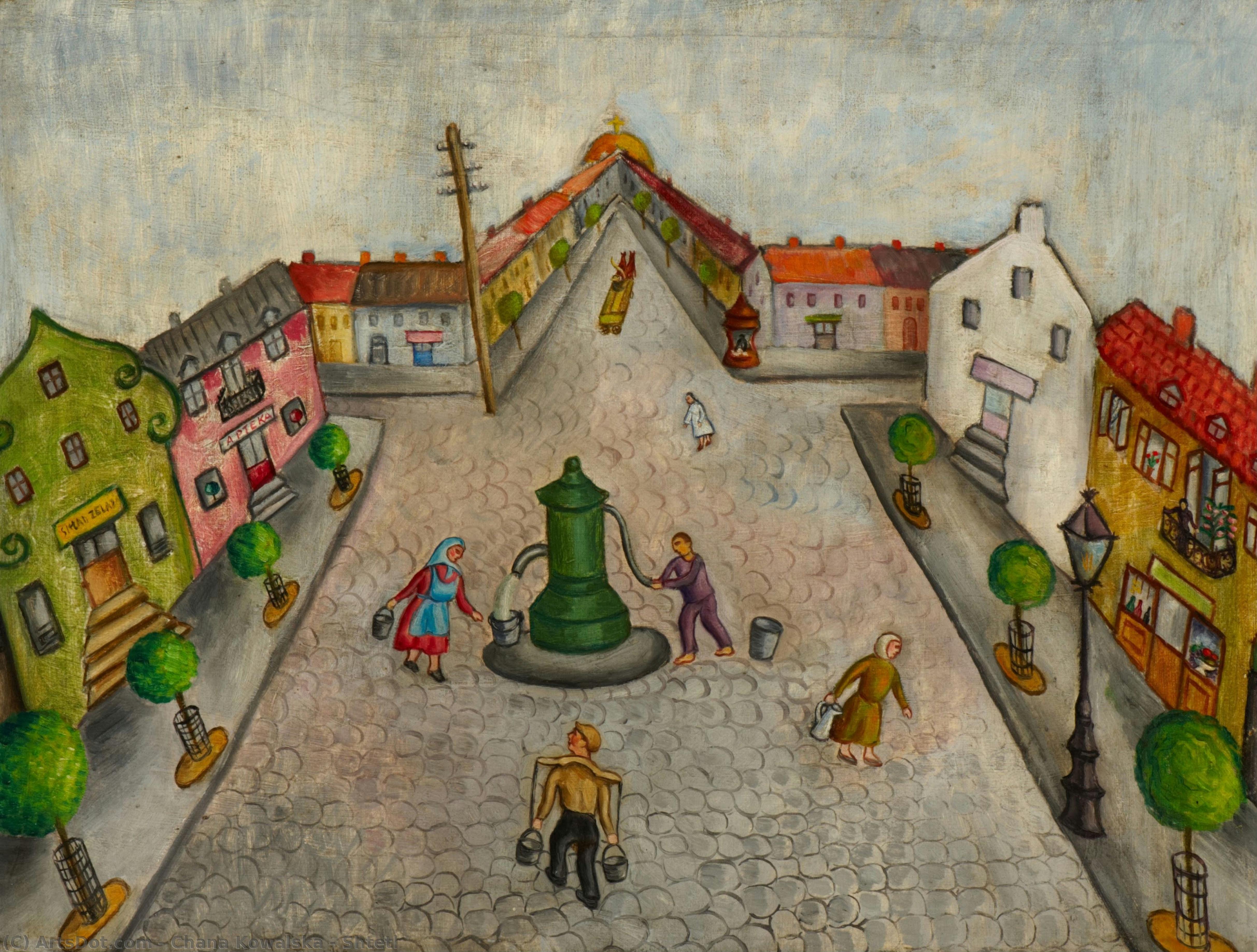
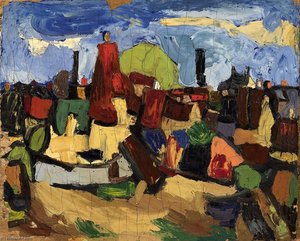
Shtetl
 Painting
- Expressionism
 1934
1934- Modern
 45.0 x 60.0 cm
 Ben Uri Gallery & Museum
 Читать далее
Приобретите цифровое изображение высокого разрешения в улучшенном качестве, которое значительно превосходит онлайн-превью.
Каждый файл тщательно подготавливается нашими специалистами с использованием передовых инструментов и экспертной ручной ретуши. Мы гарантируем исключительную четкость, точную цветопередачу и детальную проработку каждого изображения.
Финальный файл доставляется по электронной почте в течение 72 часов и оптимизирован для немедленного использования в профессиональной среде, при верстке и печати. Это тот же уровень качества, которому доверяют ведущие дизайнерские студии, издательства и галереи.
Цифровое изображение
Скачайте файл высокого разрешения для личного использования, печати и творческих проектов. ( Перейти к печати Купить картину ручной работы)
Включено в каждый заказ цифровых изображений
Гарантия экспертной цифровой доставки
Выбирая ArtsDot.com, вы получаете не просто изображение — вы приобретаете профессионально обработанное цифровое произведение искусства, созданное с безупречной точностью и под защитой гарантии качества. Вот всё, что автоматически входит в ваш заказ:

Мгновенная доставка по e-mail
Ваш цифровой файл в высоком разрешении будет отправлен вам по электронной почте в течение 72 часов после оформления заказа — и сразу станет доступен для использования.

Цифровой файл с ИИ-улучшением
Ваше произведение искусства проходит профессиональную оптимизацию с использованием передовых инструментов ИИ и ручной обработки, что гарантирует максимальную детализацию, четкость и точность цветопередачи.

Бессрочная бесплатная повторная доставка
Случайно удалили или потеряли файл? Не беспокойтесь — мы отправим его вам повторно в любое время и совершенно бесплатно.

Без импортных пошлин — навсегда
Наслаждайтесь вашим произведением искусства мгновенно без таможенных пошлин, сборов или затрат на доставку — цифровые загрузки всегда не облагаются налогом.

Гарантия точности цветопередачи
Мы гарантируем, что ваше цифровое изображение максимально точно передает оригинальные цвета благодаря использованию профессиональных инструментов и систем управления цветом.

Гарантия удовлетворенности 100 дней
Если вы не будете удовлетворены своим цифровым изображением, мы внесем правки или вернем 100% стоимости в течение 100 дней — без лишних вопросов.

100% Гарантия возврата средств
Не удовлетворены покупкой? Получите полный возврат средств в течение 100 дней после получения цифрового файла — без лишних вопросов.

Скидки на оптовые заказы
Купите 3 изображения, сэкономьте 10% — Купите 5, сэкономьте 15% — Купите 10+, сэкономьте 20%. Отличное решение для творческих проектов, галерей и агентств.
Похожие произведения
Биография художника
A Life Painted in Shadows and Resilience
The story of Chana Kowalska, often known as Anna Kowalska Winogóra, is a poignant tapestry woven from threads of artistic brilliance, political conviction, and the profound tragedy of the twentieth century. Born in 1899 in Włocławek, Poland, into a vibrant Jewish family, her early years were shaped by the intellectual richness of her home. Her father, Jehuda Lejb Kowalski, was a prominent Zionist rabbi and senator, whose residence served as a sanctuary for great thinkers, including the legendary Yiddish writer Sholem Asch. This environment of cultural ferment likely planted the seeds of her dual passion for the visual arts and the power of the written word.
Kowalska’s artistic journey began in earnest at the age of sixteen when she first turned to drawing, a pursuit that would eventually lead her far from the familiar streets of Poland. Seeking to refine her raw talent, she moved to Berlin in 1922 to study painting. It was within the bustling, avant-garde atmosphere of Berlin that she met Baruch Winogóra, a writer who would become her husband and lifelong companion. This period of formal education provided her with the technical foundation necessary to navigate the complex art scenes of Europe, blending her Polish roots with the burgeoning modernism of the era.
The Parisian Years and the Spirit of Montparnasse
The trajectory of Kowalska’s life took a transformative turn when she and Baruch relocated to Paris, settling in the legendary district of Montparnasse. This move placed her at the very heart of the École de Paris, a period defined by an explosion of international creativity. However, the life of an immigrant artist was often fraught with material hardship; unable to maintain a private studio, Kowals and her husband frequently relied on the generosity of friends, painting within borrowed spaces that connected her to the wider community of expatriate creators.
Her work during this time became a profound reflection of both her personal history and the social upheavals surrounding her. While she was deeply engaged in the contemporary art discourse—serving as the Secretary of the Jewish Painters and Sculptors Association and contributing art criticism to Yiddish journals like Presse Nouvelle—her canvases often looked backward with a sense of bittersweet nostalgia. In pieces such as Shtetl (1934) and The Bridge (1937), she captured the essence of her Polish origins, recreating the landscapes of her youth with a sensitivity that spoke to a world on the brink of disappearance.
Resistance, Sacrifice, and Eternal Legacy
As the shadows of World War II lengthened over Europe, Kowalska’s role shifted from observer and commentator to active participant in the struggle for survival. Her commitment to social justice led her into the heart of the French Resistance, specifically within the FTP-MOI, where she helped organize youth groups and engaged in communist activism. This period of immense courage was met with devastating consequences; following a denunciation, she and her husband were arrested by the Gestapo in 1941.
The final chapters of her life are marked by the unimaginable cruelty of the Holocaust. After being imprisoned in La Santé and later transferred to the Prison des Tourelles, Kowalska was deported to Auschwitz-Birkenau. She met her end there in 1942, a victim of the very forces of destruction she had fought against through both her brush and her activism. Today, the legacy of Chana Kowalska survives not only in the surviving fragments of her art but in the enduring memory of her spirit—a testament to an artist who refused to remain silent in the face of darkness.
Her contributions can be summarized by these enduring facets of her identity:
- Artistic Versatility: A skilled painter and journalist who bridged the gap between visual expression and social commentary.
- Cultural Bridge: An artist who connected the Jewish traditions of Poland with the modern movements of Berlin and Paris.
- Symbol of Resilience: A figure of immense bravery whose life embodied the struggle against oppression during the most turbulent era of human history.
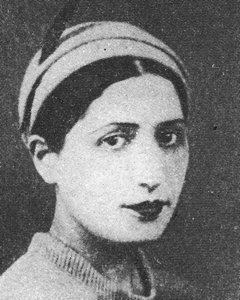
chana kowalska
1899 - 1942 , Poland
Основные сведения
- Artistic Movement Or Style: Social realism and nostalgic landscapes
- Date Of Birth: November 4, 1899
- Date Of Death: 1942
- Full Name: Chana (Anna) Kowalska Winogóra
- Nationality: Polish Jewish
- Notable Artworks:
- Shtetl
- The Bridge
- Place Of Birth: Włocławek, Poland