

 Предпросмотр
 Поделиться
 Поделиться
 Детали произведения

 Скачать
 Похожие работы
 Рентгенография
 Слайд-шоу
 Статистика
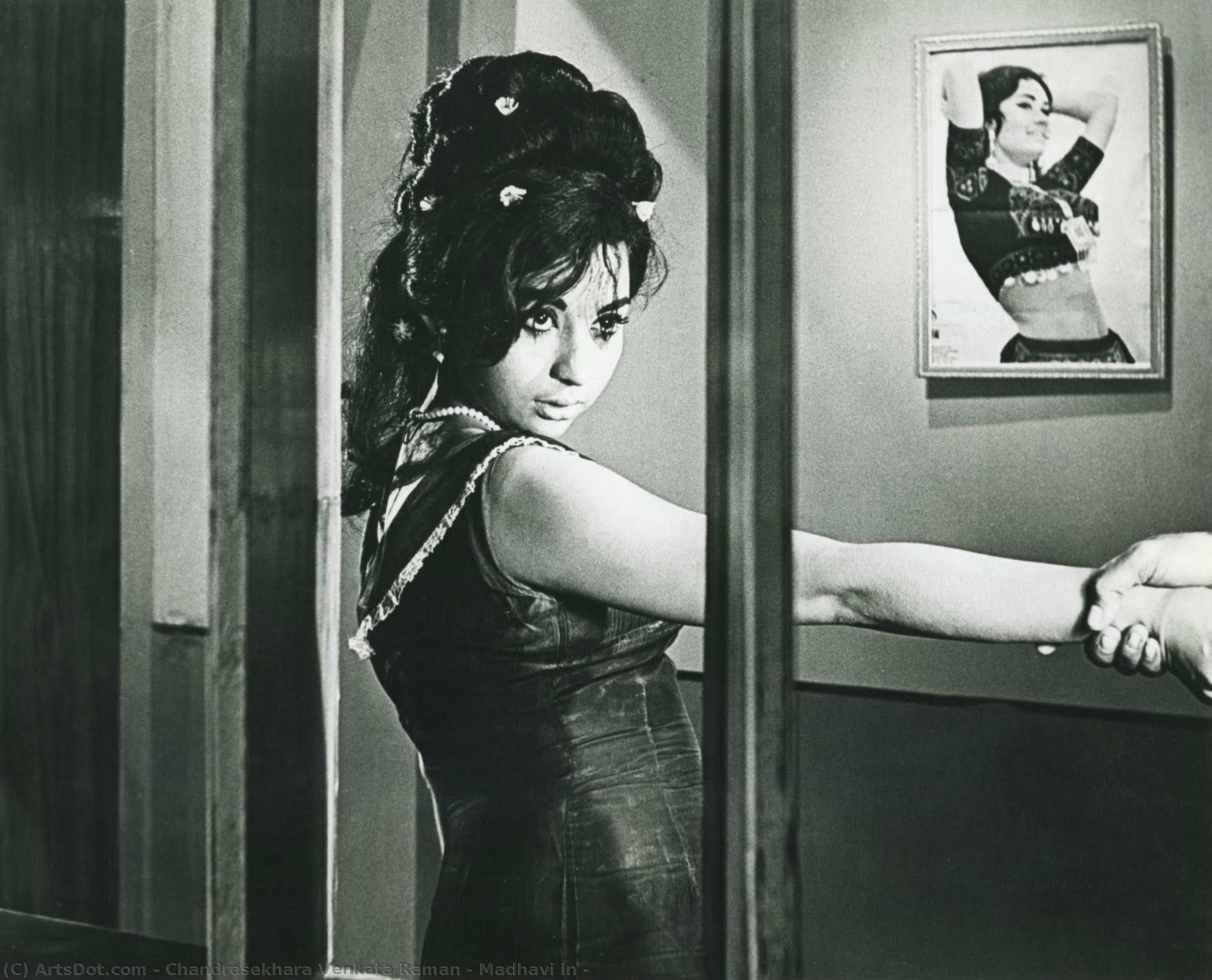
Madhavi in


 Читать далее
Приобретите цифровое изображение высокого разрешения в улучшенном качестве, которое значительно превосходит онлайн-превью.
Каждый файл тщательно подготавливается нашими специалистами с использованием передовых инструментов и экспертной ручной ретуши. Мы гарантируем исключительную четкость, точную цветопередачу и детальную проработку каждого изображения.
Финальный файл доставляется по электронной почте в течение 72 часов и оптимизирован для немедленного использования в профессиональной среде, при верстке и печати. Это тот же уровень качества, которому доверяют ведущие дизайнерские студии, издательства и галереи.
Цифровое изображение
Скачайте файл высокого разрешения для личного использования, печати и творческих проектов. ( Перейти к печати Купить картину ручной работы)
Включено в каждый заказ цифровых изображений
Гарантия экспертной цифровой доставки
Выбирая ArtsDot.com, вы получаете не просто изображение — вы приобретаете профессионально обработанное цифровое произведение искусства, созданное с безупречной точностью и под защитой гарантии качества. Вот всё, что автоматически входит в ваш заказ:

Мгновенная доставка по e-mail
Ваш цифровой файл в высоком разрешении будет отправлен вам по электронной почте в течение 72 часов после оформления заказа — и сразу станет доступен для использования.

Цифровой файл с ИИ-улучшением
Ваше произведение искусства проходит профессиональную оптимизацию с использованием передовых инструментов ИИ и ручной обработки, что гарантирует максимальную детализацию, четкость и точность цветопередачи.

Бессрочная бесплатная повторная доставка
Случайно удалили или потеряли файл? Не беспокойтесь — мы отправим его вам повторно в любое время и совершенно бесплатно.

Без импортных пошлин — навсегда
Наслаждайтесь вашим произведением искусства мгновенно без таможенных пошлин, сборов или затрат на доставку — цифровые загрузки всегда не облагаются налогом.

Гарантия точности цветопередачи
Мы гарантируем, что ваше цифровое изображение максимально точно передает оригинальные цвета благодаря использованию профессиональных инструментов и систем управления цветом.

Гарантия удовлетворенности 100 дней
Если вы не будете удовлетворены своим цифровым изображением, мы внесем правки или вернем 100% стоимости в течение 100 дней — без лишних вопросов.

100% Гарантия возврата средств
Не удовлетворены покупкой? Получите полный возврат средств в течение 100 дней после получения цифрового файла — без лишних вопросов.

Скидки на оптовые заказы
Купите 3 изображения, сэкономьте 10% — Купите 5, сэкономьте 15% — Купите 10+, сэкономьте 20%. Отличное решение для творческих проектов, галерей и агентств.
Похожие произведения









Биография художника
Chandrasekhara Venkata Raman: Illuminating the Invisible
Chandrasekhara Venkata Raman, more commonly known as C.V. Raman, wasn’t merely a physicist; he was an architect of light itself. Born in 1888 in Trichinopoly (now Tiruchirappalli), India, into a family steeped in intellectual tradition – his father a respected mathematics and physics professor – Raman’s journey to scientific renown began with an early aptitude for learning that defied conventional timelines. He completed his secondary education at just eleven years old and swiftly progressed through Presidency College, Madras, earning degrees in English and Physics before the age of eighteen. This accelerated trajectory hinted at the brilliance that lay ahead, a mind relentlessly pursuing understanding within the intricate dance of the physical world. His early life wasn’t defined by privilege but by an unwavering commitment to knowledge, a foundation meticulously laid by his father's influence and his own innate curiosity.The Discovery That Reshaped Optics
Raman’s most celebrated achievement – and the one that secured him the 1930 Nobel Prize in Physics – was the discovery of the Raman effect. This phenomenon, a subtle yet profound shift in the wavelength of light as it interacts with matter, fundamentally altered our understanding of how light behaves. Initially working as a civil servant, Raman continued his research in his spare time, driven by an insatiable desire to unravel the mysteries of scattering light. His meticulous experiments, utilizing a spectrograph he himself designed and built, revealed that when light passed through a transparent substance, it didn’t simply reflect; instead, some of its energy was absorbed and re-emitted at different wavelengths. This “modified scattering,” as he initially termed it, became known as the Raman effect – a testament to his pioneering work. The significance of this discovery extended far beyond academia, laying the groundwork for advancements in fields ranging from spectroscopy to laser technology, impacting countless industries and scientific disciplines. It wasn’t simply an isolated observation; it was a key that unlocked a deeper understanding of molecular structure and material properties.A Life Dedicated to Science and Education
Raman's dedication extended beyond the laboratory. Recognizing the limited opportunities for scientific research in India during his time, he played a pivotal role in establishing institutions dedicated to fostering scientific advancement within his homeland. He founded the Raman Research Institute in Bangalore in 1948, providing a vital hub for researchers and contributing significantly to India’s burgeoning scientific community. Furthermore, he was deeply invested in education, recognizing its crucial role in shaping future generations of scientists. His commitment to knowledge wasn't confined to his own research; he actively promoted scientific literacy and encouraged the pursuit of learning across all sectors of society. This multifaceted approach – combining groundbreaking research with a dedication to nurturing talent – cemented his legacy as not only a brilliant physicist but also a champion for science in India.Influences and Techniques
Raman’s work was deeply rooted in the scientific traditions of his time, yet he possessed an innovative spirit that allowed him to transcend conventional approaches. He drew inspiration from figures like Max Planck, whose quantum theory provided a theoretical framework for understanding light as quantized energy packets. However, Raman's strength lay in his meticulous experimental methodology and his ability to translate complex theories into practical applications. His self-designed spectrograph was a crucial tool, enabling him to precisely measure the shifts in wavelength caused by the Raman effect. He also benefited from collaborations with colleagues like K.S. Krishnan, whose assistance proved invaluable during the critical experiments that led to the discovery. The combination of theoretical understanding and rigorous experimentation defined his approach – a testament to his intellectual versatility.A Lasting Legacy
Chandrasekhara Venkata Raman’s impact on science extends far beyond the Nobel Prize. His work fundamentally reshaped our understanding of light scattering, paving the way for countless technological advancements. The Raman effect remains an indispensable tool in various fields, including chemistry, materials science, and biology. Beyond his scientific contributions, Raman's story serves as a powerful symbol of Indian ingenuity and perseverance. He was the first Asian and non-White person to receive the Nobel Prize in Physics – a remarkable achievement that shattered barriers and inspired generations of scientists worldwide. His legacy continues to illuminate the invisible, reminding us of the profound beauty and complexity hidden within the fabric of our universe. He passed away in 1970, leaving behind a body of work that remains at the forefront of scientific knowledge and a lasting tribute to his extraordinary intellect and dedication.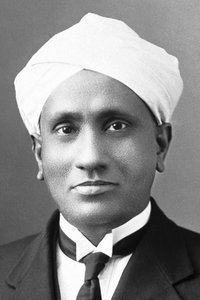
chandrasekhara venkata raman
1888 - 1970 , India
Основные сведения
- Artistic Movement Or Style: Physics/Optics
- Artists Or Movements Influenced By This Artist: ['Raman Effect']
- Artists Who Influenced This Artist: ['Max Planck']
- Date Of Birth: November 7, 1888
- Date Of Death: November 21, 1970
- Full Name: Chandrasekhara Venkata Raman
- Nationality: Indian
- Place Of Birth: Trichinopoly, India