

 Предпросмотр
 Поделиться
 Поделиться
 Детали произведения

 Скачать
 Похожие работы
 Рентгенография
 Слайд-шоу
 Статистика
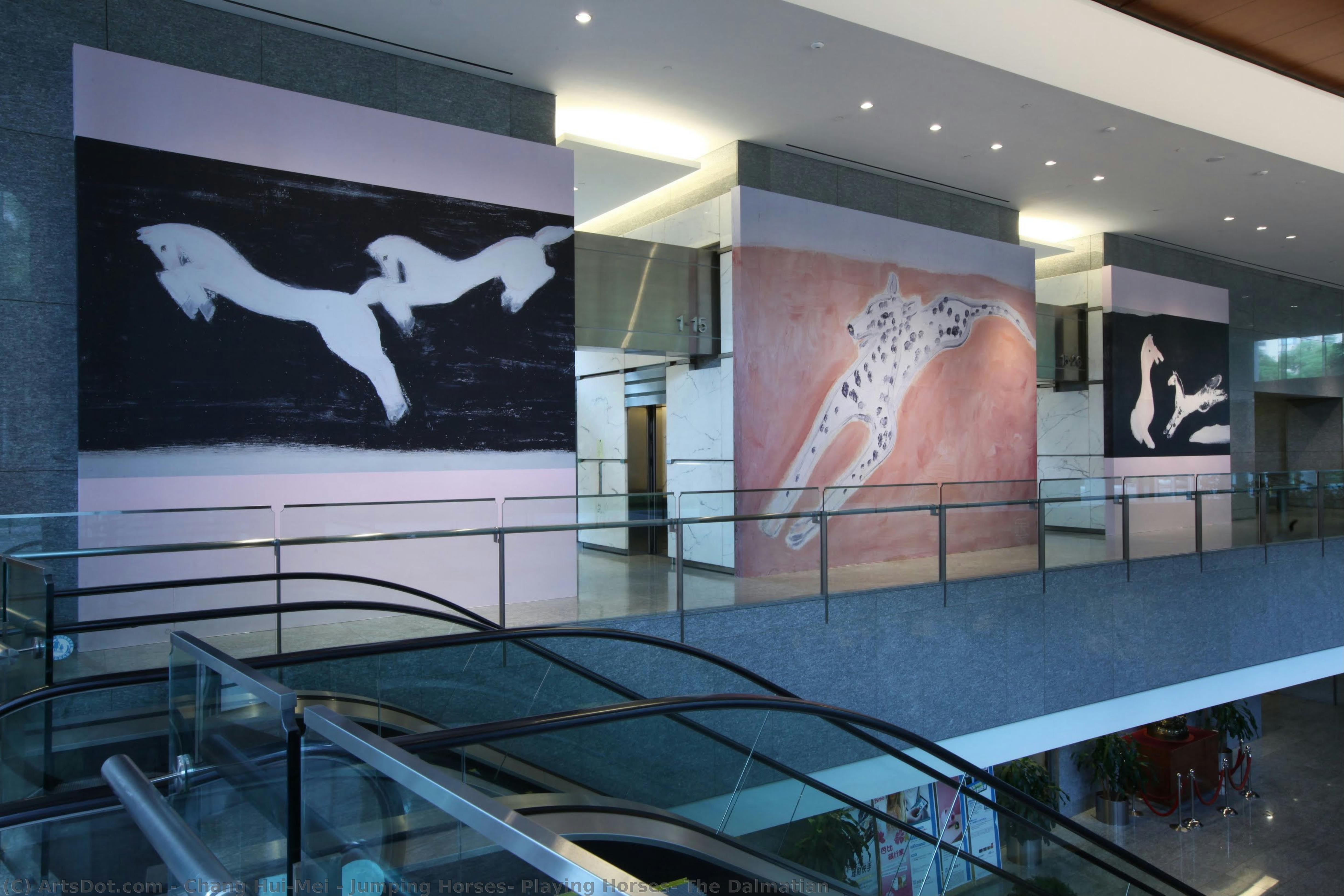
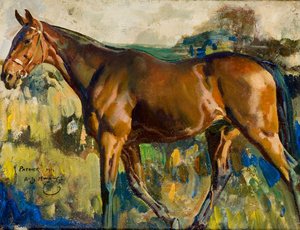
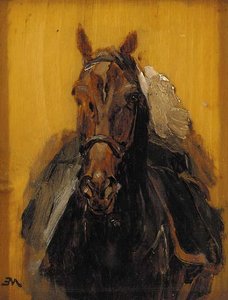
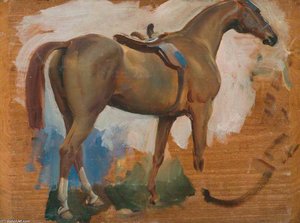
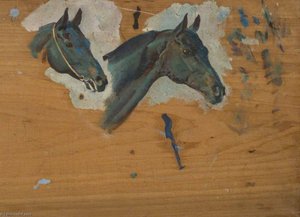
Jumping Horses/ Playing Horses/ The Dalmatian

 Читать далее
Жикле / Арт-принт
Печать (жикле) или холст музейного качества с быстрыми сроками изготовления и широким выбором вариантов отделки. ( Купить картину ручной работы Перейти к цифровым изображениям)




































Выберите один из наших стандартных размеров, соответствующих оригинальным пропорциям произведения искусства.

Вы можете указать свои собственные размеры, чтобы репродукция идеально подошла под конкретную раму или пространство. Если выбранный вами размер не будет соответствовать пропорциям оригинала, мы либо обрежем произведение, либо дополним изображение зеркальным отражением краев или однотонной заливкой. Перед началом производства вам будет отправлен цифровой макет для утверждения.
Пожалуйста, обратите внимание, что предварительный просмотр на экране не отображает фактическую обрезку или расширение изображения. Только макет точно покажет финальную композицию.
Несмотря на возможность заказа индивидуальных размеров, мы рекомендуем выбирать размер из предопределенного списка, чтобы сохранить оригинальные пропорции.
Доставка по всему миру () за 2 недели вместо стандартных 4/5 недель. (13 Сентябрь)

Бесплатная экспресс-доставка по всему миру

Высококачественный льняной холст

Полное страхование доставки

Гарантия возмещения таможенных пошлин

Гарантия точного соответствия цветов

100-дневная политика возврата (только при обнаружении дефектов)

Гарантия возврата 100% средств

Предложение оптовых скидок
 Вариант со стеклом доступен только для размеров менее 110 см

Jumping Horses/ Playing Horses/ The Dalmatian
Жикле / Арт-принт
Размер репродукции
-


Итоговая стоимость
$ 62
Похожие произведения

Биография художника
A Voice of Taiwan: The Ascendancy of Chang Hui-mei
Chang Hui-mei, known universally as A-Mei, is more than a singer; she’s a cultural phenomenon woven into the very fabric of Taiwanese identity. Born Kulilay Amit on August 9, 1972, in Beinan Township, Taitung County, Taiwan, her story begins not in the glittering world of pop stardom but amidst the traditions and challenges faced by the Puyuma people, one of Taiwan’s indigenous tribes. This grounding profoundly shapes her artistry, imbuing it with a depth and authenticity rarely encountered in the Mandopop landscape. A-Mei's journey is one of breaking barriers – not just for herself, but for marginalized communities and advocating for social change through the power of music.
Early Life and Musical Awakening
Growing up in a family deeply connected to Puyuma heritage, A-Mei’s early life was steeped in tribal song and storytelling. Her parents, both respected leaders within their community, fostered her natural inclination towards performance. While many Taiwanese aborigines faced systemic discrimination and cultural displacement, the Amit household nurtured a strong sense of identity and pride. This upbringing instilled in A-Mei a deep connection to her roots, which would later become a defining characteristic of her work. Her initial foray into the public eye came through televised singing competitions in 1992, though early setbacks didn’t deter her passion. Encouraged by her father, she persevered and ultimately triumphed in another contest in 1994, marking the true beginning of her professional musical career. Tragically, her father passed away shortly after this victory, a loss that profoundly impacted A-Mei but also fueled her determination to honor his memory through her art.
From Pub Singer to Mandopop Icon
Following her competition win, A-Mei honed her skills performing in Taipei pubs with her cousin’s rock band. This period was crucial in developing her distinctive vocal style and stage presence – a raw energy combined with emotional vulnerability that captivated audiences. Her breakthrough arrived in 1996 with the release of her debut album, Jei Mei*. The single “Sister” quickly ascended the Taiwanese pop charts, launching A-Mei into superstardom. What followed was an unprecedented period of success, marked by a string of hit albums and sold-out concerts. However, A-Mei’s impact extended far beyond commercial achievements. She became a powerful voice for indigenous rights, using her platform to raise awareness about the challenges faced by Taiwan's aboriginal communities.
A Legacy of Advocacy and Artistic Evolution
Throughout her career, A-Mei has consistently challenged societal norms and championed causes close to her heart. Her outspoken support for LGBT rights and gender equality has made her a beloved figure within marginalized communities. She’s not afraid to tackle difficult subjects in her music, often weaving themes of social justice and personal empowerment into her lyrics. Her artistic evolution is equally remarkable. While initially known for powerful ballads, A-Mei has experimented with various genres – incorporating elements of R&B, dance, and even traditional Puyuma melodies into her sound. This willingness to push boundaries and embrace new influences has kept her music fresh and relevant for over two decades.
The “Queen of Mandopop” and Enduring Influence
A-Mei’s remarkable career longevity – having sold over 50 million records – coupled with her unwavering commitment to social justice, have cemented her status as a true icon. She is often referred to as the “Queen of Mandopop,” a title that reflects not only her musical prowess but also her cultural significance. She has been recognized by Forbes magazine for her philanthropic efforts and continues to inspire generations of artists and activists. A-Mei’s story is a testament to the power of music as a catalyst for change, proving that art can be both deeply personal and profoundly political. Her influence extends beyond Taiwan, resonating with audiences throughout the Sinophone world and solidifying her place as a true cultural ambassador.

chang hui-mei
1972 - , Taiwan
Основные сведения
- Artistic Movement Or Style: Mandopop
- Date Of Birth: August 9, 1972
- Full Name: Chang Hui-mei
- Nationality: Taiwanese
- Notable Artworks:
- Jumping Horses
- Pink Chrysanthemum
- Place Of Birth: Tainan, Taiwan
Похожие статьи

The Equine Muse: A Historical & Artistic Exploration of Horses in Painting
Explore the captivating history of horses in painting! Discover Renaissance masterpieces, Baroque grandeur & expert insights for collecting equestrian art. Learn about symbolism, techniques & lasting value with ArtsDot.
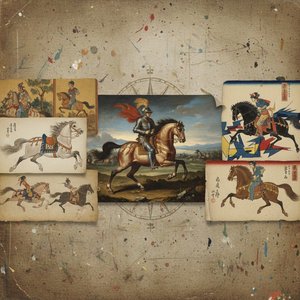
The Noble Steed on Canvas: A Historical & Artistic Exploration of Horse Painting Across Cultures
Explore the rich history of horse painting! Discover masterpieces from Stubbs to Munnings & learn about symbolism, techniques & artists. Find museum-quality reproductions at ArtsDot.
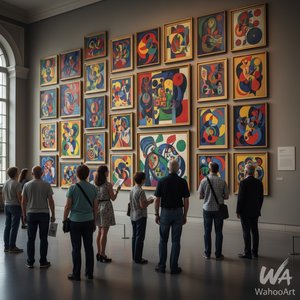
Топ-25 шедевров Василия Кандинского: Абстрактное искусство для вашего интерьера
Погрузитесь в мир абстрактного искусства с Василием Кандинским! 25 шедевров экспрессионизма, баухауса и русского авангарда. Репродукции картин Кандинского для вдохновения и декора вашего интерьера. Откройте всю коллекцию на ArtsDot.com
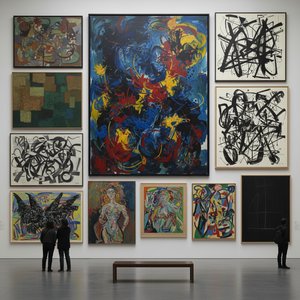
Топ-10 шедевров абстрактного экспрессионизма: искусство для вашего интерьера от ArtsDot.com
Погрузитесь в мир абстрактного экспрессионизма! Откройте для себя 10 шедевров Поллока, Ротко и других гениев. История искусства, техники живописи и вдохновение для вашего интерьера от ArtsDot.com. Explore the full collection online!

Геометрическая абстракция: 10 шедевров, изменивших искусство | ArtsDot.com
Погрузитесь в мир геометрической абстракции! От Кандинского до Малевича – 10 шедевров, изменивших искусство. Узнайте историю создания и значение культовых картин. Репродукции музейного качества на ArtsDot.com. Вдохновение для вашего интерьера!