

 Предпросмотр
 Поделиться
 Поделиться
 Детали произведения

 Скачать
 Похожие работы
 Рентгенография
 Слайд-шоу
 Статистика
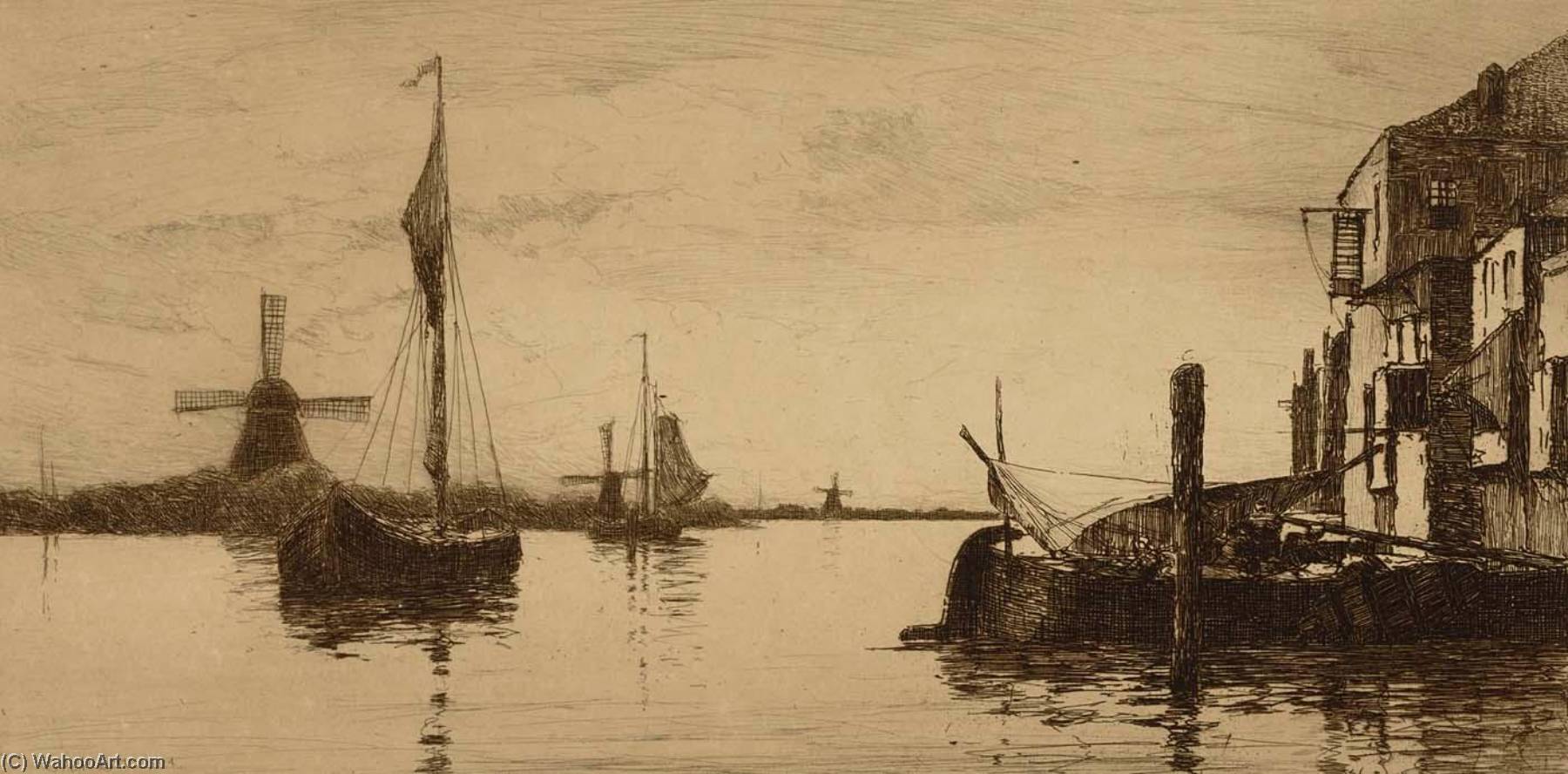
Evening on the Maas
 1884
1884 29.0 x 47.0 cm
 Читать далее
Приобретите цифровое изображение высокого разрешения в улучшенном качестве, которое значительно превосходит онлайн-превью.
Каждый файл тщательно подготавливается нашими специалистами с использованием передовых инструментов и экспертной ручной ретуши. Мы гарантируем исключительную четкость, точную цветопередачу и детальную проработку каждого изображения.
Финальный файл доставляется по электронной почте в течение 72 часов и оптимизирован для немедленного использования в профессиональной среде, при верстке и печати. Это тот же уровень качества, которому доверяют ведущие дизайнерские студии, издательства и галереи.
Цифровое изображение
Скачайте файл высокого разрешения для личного использования, печати и творческих проектов. ( Перейти к печати Купить картину ручной работы)
Включено в каждый заказ цифровых изображений
Гарантия экспертной цифровой доставки
Выбирая ArtsDot.com, вы получаете не просто изображение — вы приобретаете профессионально обработанное цифровое произведение искусства, созданное с безупречной точностью и под защитой гарантии качества. Вот всё, что автоматически входит в ваш заказ:

Мгновенная доставка по e-mail
Ваш цифровой файл в высоком разрешении будет отправлен вам по электронной почте в течение 72 часов после оформления заказа — и сразу станет доступен для использования.

Цифровой файл с ИИ-улучшением
Ваше произведение искусства проходит профессиональную оптимизацию с использованием передовых инструментов ИИ и ручной обработки, что гарантирует максимальную детализацию, четкость и точность цветопередачи.

Бессрочная бесплатная повторная доставка
Случайно удалили или потеряли файл? Не беспокойтесь — мы отправим его вам повторно в любое время и совершенно бесплатно.

Без импортных пошлин — навсегда
Наслаждайтесь вашим произведением искусства мгновенно без таможенных пошлин, сборов или затрат на доставку — цифровые загрузки всегда не облагаются налогом.

Гарантия точности цветопередачи
Мы гарантируем, что ваше цифровое изображение максимально точно передает оригинальные цвета благодаря использованию профессиональных инструментов и систем управления цветом.

Гарантия удовлетворенности 100 дней
Если вы не будете удовлетворены своим цифровым изображением, мы внесем правки или вернем 100% стоимости в течение 100 дней — без лишних вопросов.

100% Гарантия возврата средств
Не удовлетворены покупкой? Получите полный возврат средств в течение 100 дней после получения цифрового файла — без лишних вопросов.

Скидки на оптовые заказы
Купите 3 изображения, сэкономьте 10% — Купите 5, сэкономьте 15% — Купите 10+, сэкономьте 20%. Отличное решение для творческих проектов, галерей и агентств.
The Painting's Significance
Evening on the Maas showcases Charles Adams Platt's unique style and technique, which was influenced by his travels to Europe. The painting depicts a serene scene of boats on the water with a cityscape in the background, highlighting the artist's ability to capture light and atmosphere. This piece is not only a beautiful representation of the natural world but also a reflection of Charles Adams Platt's skill as an artist.Artistic Style and Technique
Charles Adams Platt's use of etching on paper mounted on paperboard gives Evening on the Maas a unique texture and depth. The painting's composition, with its emphasis on light and shadow, creates a sense of tranquility and peacefulness. As a leading online platform specializing in handmade oil paintings reproductions and print on canvas of famous artwork, https://ArtsDot.com offers a wide range of artworks, including Evening on the Maas, which can be purchased as a hand-made oil reproduction.- Handmade oil painting reproductions are available for purchase on https://ArtsDot.com.
- Print on canvas options are also available for those who prefer a more modern take on the classic artwork.
- Visit https://ArtsDot.com to explore the collection of Charles Adams Platt's artworks, including Evening on the Maas.
To learn more about Charles Adams Platt and his artworks, visit https://ArtsDot.com or check out the Smithsonian American Art Museum's website.
Похожие произведения



Биография художника
Charles Adams Platt: Architect of American Gardens
Charles Adams Platt (1861-1933) stands as a pivotal figure in the development of American landscape architecture and design, a true “American Renaissance” artist who seamlessly blended architectural vision with the art of cultivating space. More than simply a gardener, Platt was an architect of experience, meticulously crafting environments that evoked a sense of tranquility, order, and sophisticated beauty – a style profoundly influential on the aesthetics of the early 20th century.
Born in New York City to Mary Elizabeth Cheney and John Henry Platt, his artistic journey began with landscape painting. Early training at the National Academy of Design and the Art Students League in New York, coupled with a formative period studying under Gustave Boulanger and Jules Joseph Lefebvre at the Académie Julian in Paris, provided him with a solid foundation in traditional techniques. However, it was his sojourn to Italy in 1892 – a trip undertaken with his brother – that irrevocably shifted his artistic perspective. Documenting extant Renaissance gardens and villas, Platt became captivated by the principles of classical design, particularly the harmonious integration of architecture and nature. This experience directly informed his later work, leading him to publish “Italian Gardens” in 1894, a seminal volume that championed the revival of these historical models.
Platt’s aesthetic evolved further through engagement with contemporary influences. He keenly observed the works of Reginald Blomfield's "The Formal Garden in England" and the garden illustrations found in *Country Life*, absorbing their emphasis on geometric precision, restrained color palettes, and a deliberate sense of formality. Crucially, Platt remained largely unaware of W.P. Tuckermann’s comprehensive “Die Gartenkunst der italienischen Renaissance-Zeit,” published in Berlin in 1884 – a significant omission that shaped his interpretation of Italian garden design.
The Rise of the Neo-Georgian Style
Platt's work is most notably associated with the development and popularization of the “Neo-Georgian” style, a distinctly American adaptation of Georgian architecture and its accompanying landscape. This style, characterized by symmetrical facades, classical detailing, and a restrained elegance, sought to evoke a sense of historical grandeur while remaining firmly rooted in contemporary sensibilities. Platt’s designs weren't merely about replicating past forms; he skillfully integrated them with carefully considered planting schemes – often incorporating elements of Italianate design – to create cohesive and harmonious environments.
His approach was deeply informed by the broader Arts and Crafts movement, emphasizing craftsmanship, natural materials, and a connection to the land. He believed that architecture should not exist in isolation but rather be inextricably linked to its surroundings, creating a symbiotic relationship between structure and landscape. This philosophy is vividly illustrated in his own garden at Cornish, New Hampshire, a meticulously planned space reflecting Beaux-Arts Neo-Georgian and Colonial Revival principles.
Notable Commissions and Architectural Achievements
Platt’s influence extended far beyond theoretical considerations; he was a prolific designer of private residences and public spaces. Among his most significant commissions are the Freer Gallery of Art in Washington, D.C., where he designed the Italianate palazzo (1918), and the Endicott House in Dedham, Massachusetts, a magnificent estate for H. Wendell Endicott (1934). His townhouse for Sara Delano Roosevelt on East 65th Street in New York City remains a landmark of architectural elegance, showcasing his mastery of proportion and detail.
His designs also included the Causeway in Washington D.C., and a manor house in Little Falls, New York, built for J. Judson Gilbert. These projects demonstrate his ability to adapt his style to diverse contexts and client needs, while consistently upholding his commitment to creating spaces of exceptional beauty and refinement. He collaborated with Ellen Biddle Shipman on planting plans, further refining the visual impact of his designs.
Legacy and Influence
Charles Adams Platt’s work profoundly shaped the landscape of American architecture and garden design in the early 20th century. His emphasis on integrating architecture and nature, coupled with his championing of Neo-Georgian aesthetics, had a lasting influence on generations of designers. His ideas are reflected in Edith Wharton's “Italian Villas and Their Gardens” (1904), which highlighted the shift away from formal lawns towards more naturalistic garden settings. Platt’s legacy continues to resonate today, reminding us of the power of thoughtful design to create spaces that inspire and uplift.
Useful Links:
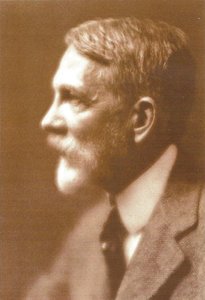
Charles Adams Platt
1861 - 1933
Основные сведения
- Artistic Movement Or Style: American Renaissance
- Artists Or Movements Influenced By This Artist:
- Reginald Blomfield
- Gertrude Jekyll
- Edith Wharton
- Artists Who Influenced This Artist:
- Stephen Parrish
- Gustave Boulanger
- Jules Lefebvre
- Date Of Birth: October 16, 1861
- Date Of Death: September 12, 1933
- Full Name: Charles Adams Platt
- Nationality: American
- Notable Artworks:
- Laundry Day
- Rye, Sussex, England
- Place Of Birth: New York City, USA