


 Предпросмотр
 Поделиться
 Поделиться
 Детали произведения

 Скачать
 Похожие работы
 Рентгенография
 Слайд-шоу
 Статистика
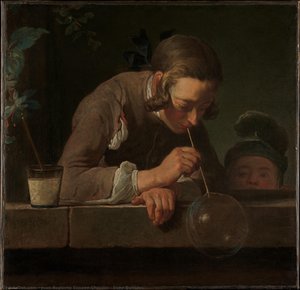
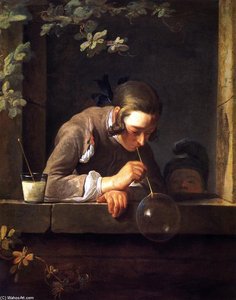
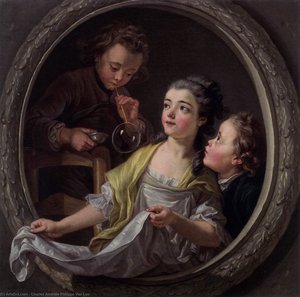
Soap Bubbles
 Oil On Canvas
- WallArt
- Rococo
 1764
1764- Early Modern
 89.0 x 89.0 cm
 Национальная галерея искусств
 Читать далее
Приобретите цифровое изображение высокого разрешения в улучшенном качестве, которое значительно превосходит онлайн-превью.
Каждый файл тщательно подготавливается нашими специалистами с использованием передовых инструментов и экспертной ручной ретуши. Мы гарантируем исключительную четкость, точную цветопередачу и детальную проработку каждого изображения.
Финальный файл доставляется по электронной почте в течение 72 часов и оптимизирован для немедленного использования в профессиональной среде, при верстке и печати. Это тот же уровень качества, которому доверяют ведущие дизайнерские студии, издательства и галереи.
Цифровое изображение
Скачайте файл высокого разрешения для личного использования, печати и творческих проектов. ( Перейти к печати Купить картину ручной работы)
Включено в каждый заказ цифровых изображений
Гарантия экспертной цифровой доставки
Выбирая ArtsDot.com, вы получаете не просто изображение — вы приобретаете профессионально обработанное цифровое произведение искусства, созданное с безупречной точностью и под защитой гарантии качества. Вот всё, что автоматически входит в ваш заказ:

Мгновенная доставка по e-mail
Ваш цифровой файл в высоком разрешении будет отправлен вам по электронной почте в течение 72 часов после оформления заказа — и сразу станет доступен для использования.

Цифровой файл с ИИ-улучшением
Ваше произведение искусства проходит профессиональную оптимизацию с использованием передовых инструментов ИИ и ручной обработки, что гарантирует максимальную детализацию, четкость и точность цветопередачи.

Бессрочная бесплатная повторная доставка
Случайно удалили или потеряли файл? Не беспокойтесь — мы отправим его вам повторно в любое время и совершенно бесплатно.

Без импортных пошлин — навсегда
Наслаждайтесь вашим произведением искусства мгновенно без таможенных пошлин, сборов или затрат на доставку — цифровые загрузки всегда не облагаются налогом.

Гарантия точности цветопередачи
Мы гарантируем, что ваше цифровое изображение максимально точно передает оригинальные цвета благодаря использованию профессиональных инструментов и систем управления цветом.

Гарантия удовлетворенности 100 дней
Если вы не будете удовлетворены своим цифровым изображением, мы внесем правки или вернем 100% стоимости в течение 100 дней — без лишних вопросов.

100% Гарантия возврата средств
Не удовлетворены покупкой? Получите полный возврат средств в течение 100 дней после получения цифрового файла — без лишних вопросов.

Скидки на оптовые заказы
Купите 3 изображения, сэкономьте 10% — Купите 5, сэкономьте 15% — Купите 10+, сэкономьте 20%. Отличное решение для творческих проектов, галерей и агентств.
A Moment Suspended in Time
In the delicate dance of light and air captured within Charles Amédée Philippe Van Loo’s Soap Bubbles, we find ourselves transported to the heart of the 18th-century Rococo era. This exquisite oil on canvas, painted in 1764, is far more than a mere depiction of childhood play; it is a masterclass in capturing the ephemeral. The scene centers on three children, their faces alight with the pure, unadulterated joy of a fleeting moment. As they blow iridescent spheres into the atmosphere, the bubbles catch the light, shimmering with a spectrum of colors that seem to defy the stillness of the frame. Van Loo employs a breathtaking trompe-l'oeil technique, presenting the children through what appears to be an oval window, creating an intimate sense of peering into a private, enchanted world.
The composition is balanced with a sophisticated grace characteristic of the French school. To the left, a solitary chair anchors the scene, while a mirror in the background provides a subtle depth, reflecting the room and expanding the viewer's perception of space. This clever use of reflection not only adds dimension but also invites us to contemplate the layers of reality presented within the painting. The soft, luminous textures of the children's clothing and the translucent quality of the bubbles demonstrate Van Loo’s extraordinary command over oil pigments, allowing him to manipulate light to create a sense of tactile softness and ethereal brilliance.
The Poignant Symbolism of the Vanitas
Beyond its surface beauty, Soap Bubbles carries a profound philosophical weight. To the discerning eye, the bubbles serve as a classic Vanitas motif—a symbolic reminder of the transience of life and the impermanence of earthly pleasures. Just as a soap bubble is beautiful yet destined to burst in an instant, so too are the moments of youth and human existence. This layer of melancholy hidden beneath the playful exterior provides a captivating tension that elevates the work from a charming genre painting to a deep meditation on mortality. It is this duality—the celebration of life alongside the recognition of its fragility—that gives the piece such enduring emotional resonance.
For collectors and decorators alike, this painting offers a unique opportunity to introduce a narrative of depth into a living space. The artwork’s historical prestige, having once graced the collections of the Prussian imperial family, brings an air of aristocratic elegance to any interior. Whether placed in a sun-drenched morning room or a sophisticated study, a high-quality reproduction of this masterpiece serves as a conversation piece that invites contemplation. It is a work that does not merely decorate a wall; it breathes life, history, and a touch of poetic nostalgia into the very soul of a home.
Похожие произведения
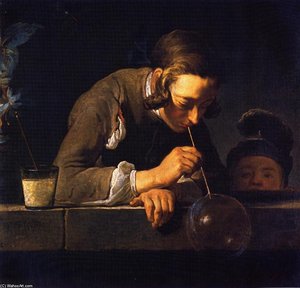
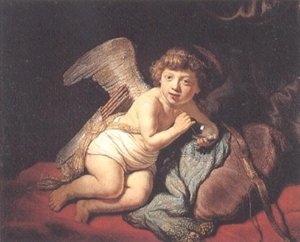
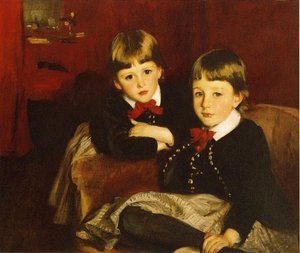
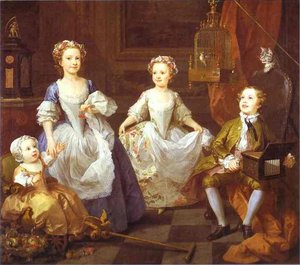
Биография художника
Charles Amédée Philippe Vanloo: A Master of Rococo Grace and Dramatic Narrative
The world of 18th-century French art is often associated with opulent grandeur, intricate detail, and a profound sense of theatricality. At the heart of this vibrant scene stood Charles Amédée Philippe Vanloo (1719 – 1795), a painter whose career spanned decades and encompassed a remarkable range of subjects—from allegorical scenes brimming with mythological figures to strikingly realistic portraits that captured the essence of his aristocratic patrons. More than just a skilled craftsman, Vanloo was a master storyteller, weaving narratives of power, virtue, and human drama into every canvas he touched.
Born in Aix-en-Provence, Vanloo’s artistic journey began under the tutelage of his father, Jean-Baptiste van Loo—himself a respected painter—in Turin and Rome. This early immersion in the traditions of the Baroque and Roman art academies proved invaluable, providing him with a solid foundation in technique and composition. A pivotal moment in his development arrived in 1738 when he secured the Prix de Rome, a prestigious award that opened doors to the artistic circles of Rome and allowed him to hone his skills amidst some of Europe’s leading artists. His time in Rome wasn't merely academic; it was a period of intense observation and experimentation, shaping his distinctive style – characterized by its elegant lines, dynamic poses, and masterful use of light and shadow.
Vanloo’s early career saw him working primarily in Aix-en-Provence, where he gained recognition for his allegorical paintings—subjects that were immensely popular during the Rococo period. These works often depicted scenes from classical mythology or biblical stories, rendered with a captivating blend of elegance and drama. His ability to infuse these narratives with human emotion was particularly noteworthy; figures weren’t simply presented as idealized archetypes but rather as individuals grappling with complex feelings and situations. He quickly gained favor within the French court, eventually being invited to join the Académie Royale de Peinture et de Sculpture in 1747 – a testament to his rising reputation.
A significant turning point in Vanloo’s career occurred when he accepted an invitation from Frederick the Great of Prussia in 1748. He spent several years at the Prussian court, where he produced numerous works for the royal collection, including a monumental hunting scene—the “Halt de Chasse”—now housed in the Louvre Museum. This commission showcased his ability to capture movement and atmosphere with remarkable precision, solidifying his reputation as one of the most sought-after painters in Europe. His time in Berlin also allowed him to refine his technique and experiment with new approaches to composition and color.
Upon returning to Paris in 1763, Vanloo continued to serve as a court painter, executing portraits of prominent figures—including the Marquis de Sade (a portrait that remains remarkably candid for its time) and members of the royal family. His portraits were distinguished by their psychological depth and ability to reveal the inner lives of his subjects. He also undertook numerous commissions for churches and private collectors, demonstrating a versatility that spanned various genres. Notably, he was commissioned to restore frescoes in the Palace of Fontainebleau, showcasing his skills in both painting and decorative arts.
Vanloo’s legacy extends beyond his individual works; he played a crucial role in shaping the artistic landscape of 18th-century France. He was a student of Jean-Baptiste van Loo, who himself had been mentored by Louis-Michel van Loo—creating a lineage of talented painters within the family. His influence can be seen in the work of his successors, particularly Charles-André van Loo, and he contributed significantly to the development of Rococo painting in France. His ability to seamlessly blend classical influences with contemporary sensibilities ensured that his art remained relevant and engaging for generations to come.
Key Works and Notable Achievements
- The Camera Obscura (1764): This captivating painting, now housed in the Louvre, exemplifies Vanloo’s mastery of light and shadow. It depicts a young man contemplating a camera obscura—a device used to project images onto a surface—creating a sense of intellectual curiosity and wonder.
- Soap Bubbles (1764): Another iconic work from the Louvre, this painting captures a fleeting moment of childhood joy as children chase soap bubbles. The delicate rendering of the bubbles’ iridescent surfaces is a testament to Vanloo's technical skill and his ability to capture ephemeral beauty.
- Portrait of the Marquis de Sade (c. 1778): This remarkably unflinching portrait offers a rare glimpse into the life of this controversial figure. Vanloo’s depiction is far from flattering, revealing a man with piercing eyes and a somewhat unsettling gaze—a stark contrast to the idealized portraits that were common at the time.
- Portrait of Louis XV (various dates): Vanloo painted several portraits of Louis XV, capturing the king’s regal bearing and commanding presence. These works are considered masterpieces of court portraiture, showcasing his skill in conveying power and authority.
Influences and Artistic Style
Vanloo's artistic style was deeply rooted in the traditions of the Baroque and Roman art academies, but he also drew inspiration from the work of contemporary artists such as Nicolas Lancret and Jean-Honoré Fragonard. He skillfully blended these influences to create a distinctive Rococo style characterized by its elegance, grace, and theatricality. His compositions are often dynamic and asymmetrical, creating a sense of movement and energy. He was particularly adept at using light and shadow to enhance the drama of his scenes and to draw attention to key figures.
Historical Significance
Charles Amédée Philippe Vanloo’s work represents a pivotal moment in the history of French art. He embodies the spirit of the Rococo period—a time of artistic experimentation, social change, and political upheaval. His paintings reflect the values and sensibilities of the aristocracy, while also offering glimpses into the complexities of human nature. His legacy continues to inspire artists today, demonstrating the enduring power of beauty, drama, and narrative in art.
charles amédée philippe van loo
1719 - 1795
Основные сведения
- Artistic Movement Or Style: Rococo, Portraiture
- Artists Or Movements Influenced By This Artist:
- Louis-Michel van Loo
- Charles-André van Loo
- Artists Who Influenced This Artist:
- Jean-Baptiste van Loo
- Michel Lebrun
- Date Of Birth: August 25, 1719
- Date Of Death: November 15, 1795
- Full Name: Charles-Amédée-Philippe van Loo
- Nationality: French
- Notable Artworks:
- Camera Obscura
- Soap Bubbles
- Halt de Chasse
- Place Of Birth: Aix-en-Provence, France