 Предпросмотр
 Поделиться
 Поделиться
 Детали произведения

 Скачать
 Похожие работы
 Рентгенография
 Слайд-шоу
 Статистика
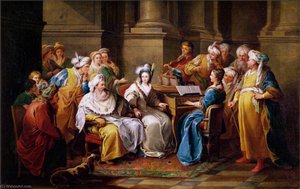
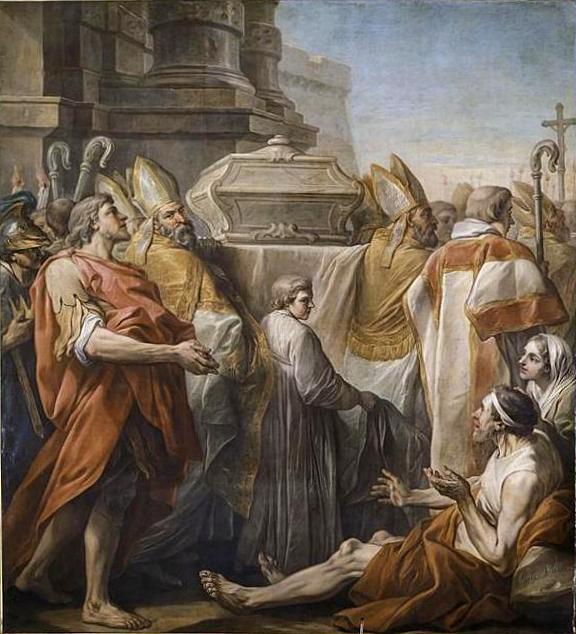
Life of St Augustine Procession of the Relics of St Augustine


 Читать далее
Масляная репродукция ручной работы
Картина маслом на холсте в выбранном вами размере и раме, написанная на заказ нашими художниками. ( Перейти к печати Перейти к цифровым изображениям)




P118B $10

P118H $10

P118W $10

P438Z $10

P508JH $12

P508YH $12

P805H $10

P805Z $10

P919BZ $10

P919G $10

P919XJ $10

P959ZH $10

P968JZ $12

W106C $8

W218G $10

W218JH $8

W218Y $10

W307PJ $10

W316G $10

W316PJ $8

W316Y $10

W398PJ $8

W4111J $10

W500HY $15

W500JH $15

W692G $12

W849H $8

W940BG $15

W953PJ $8




Выберите один из наших стандартных размеров, соответствующих оригинальным пропорциям произведения искусства.

Вы можете указать собственные размеры, чтобы картина идеально вписалась в выбранную раму или пространство. Если выбранный вами размер не соответствует пропорциям оригинала, мы либо обрежем полотно, либо расширим его за счет дополнительных элементов, написанных вручную. Цифровой макет будет отправлен вам на утверждение перед началом производства.
Обратите внимание, что предварительный просмотр на экране не отражает фактическую обрезку или расширение. Только макет точно покажет окончательную композицию.
Хотя доступны индивидуальные размеры, мы рекомендуем выбирать вариант из предопределенного списка, чтобы сохранить исходные пропорции.
После оформления заказа команда ArtsDot.com свяжется с клиентом по электронной почте для уточнения деталей и предоставит предварительный макет
Доставка по всему миру () за 3–4 недели вместо стандартных 5 недель. (13 Сентябрь). Без компромиссов в качестве.

Бесплатная экспресс-доставка по всему миру

Высококачественный льняной холст

Полное страхование доставки

Гарантия возмещения таможенных пошлин

Гарантия точного соответствия цветов

100-дневная политика возврата (только при обнаружении дефектов)

Гарантия возврата 100% средств

Предложение оптовых скидок
 Вариант со стеклом доступен только для размеров менее 110 см

Life of St Augustine Procession of the Relics of St Augustine
Техника репродукции
Размер репродукции
-


Итоговая стоимость
$ 263
A Solemn Pilgrimage: Exploring Charles-André van Loo’s “Life of St Augustine Procession of the Relics of St Augustine”
The painting "Life of St Augustine Procession of the Relics of St Augustine," executed in 1748 by Charles-André van Loo, stands as a testament to the grandeur and piety characteristic of Rococo art during its zenith. More than just a depiction of religious devotion, it’s an immersive experience into the artistic sensibilities of Louis XV's court—a realm obsessed with ritualistic splendor and imbued with profound symbolic meaning. Examining this monumental canvas reveals layers of artistry that continue to resonate with viewers today.Subject Matter and Narrative Composition
At its core, the artwork portrays a procession honoring St Augustine’s relics – a pilgrimage undertaken by numerous figures representing various strata of society. The central figure, kneeling before a casket containing the saint's bones, embodies humility and reverence. Surrounding him are attendants—noblemen, clergymen, and perhaps members of Augustine’s monastic order—each rendered with meticulous detail, conveying an air of solemn dignity. The composition isn’t merely observational; it’s deliberately staged to evoke contemplation and inspire piety. Van Loo skillfully guides the viewer's gaze across the scene, emphasizing the importance of the saint’s veneration and reinforcing the narrative’s spiritual core.Rococo Style: Elegance Defined
Van Loo’s signature Rococo style is immediately apparent in every aspect of “Life of St Augustine.” The palette leans heavily on pastel hues—pale blues, creams, and rosy pinks—creating an ethereal atmosphere that diffuses light and softens contours. Ornamentation dominates the canvas; gilded frames, draped fabrics, and delicately sculpted draperies contribute to a sense of opulent richness without overwhelming the viewer’s eye. Unlike the more austere Baroque tradition, Rococo prioritizes grace and fluidity, mirroring the aristocratic tastes of the time. The artist employs curvilinear lines and asymmetrical arrangements—a hallmark of the style—to achieve an illusionistic effect that enhances depth and realism.Technique and Artistic Skill
The painting’s execution demonstrates Van Loo's mastery of oil paint on canvas. He utilizes glazing techniques to build up layers of color, achieving luminous surfaces and subtle tonal variations. Careful attention is paid to anatomical accuracy—particularly evident in the depiction of the kneeling figure—yet this realism is tempered by idealized forms that convey nobility and spiritual purity. The artist’s meticulous brushwork captures textures with remarkable precision, from the folds of fabric to the polished surface of the casket. Furthermore, Van Loo skillfully employs chiaroscuro – dramatic contrasts between light and shadow – to heighten emotional impact and guide the viewer's eye toward key elements within the composition.Historical Context and Symbolic Significance
“Life of St Augustine Procession of the Relics of St Augustine” emerged during a period marked by fervent religious piety and royal patronage. The Habsburg monarchy’s influence extended across Europe, fostering artistic endeavors dedicated to commemorating saints and reinforcing Catholic dogma. The depiction of St Augustine's relics served as a powerful reminder of faith and spiritual authority—themes central to Louis XV’s reign. Beyond its immediate devotional purpose, the painting embodies broader cultural values: respect for tradition, aristocratic grandeur, and the pursuit of beauty as expressions of moral virtue. The casket itself symbolizes sanctity and remembrance, while the procession represents the collective effort to honor a revered figure and reaffirm religious beliefs.Emotional Impact and Legacy
Looking at “Life of St Augustine Procession of the Relics of St Augustine” transcends mere visual appreciation; it invites contemplation on themes of faith, humility, and devotion. The painting’s serene atmosphere and masterful execution evoke feelings of reverence and solemnity—qualities that continue to captivate audiences centuries later. Its influence can be seen in subsequent religious paintings and decorative arts, cementing Van Loo's place as one of the foremost artists of his era. Today, reproductions of this magnificent artwork offer a glimpse into the artistic spirit of Louis XV’s court and serve as an enduring symbol of Rococo elegance and spiritual aspiration.Похожие произведения
Биография художника
Ранние годы и обучение
- Дата рождения: 15 февраля 1705 года, Ницца, Франция
- Семейное происхождение: Сын Луи-Абрахама ван Луо и младший брат Жан-Баптиста ван Луо; принадлежал к прославленной династии нидерландских мастеров.
- Раннее образование: Первые шаги в искусстве сделал в Турине, а затем, в 1712 году, продолжил обучение в Риме под руководством Бенедетто Лути и Пьера Легро.
- Парижские изыскания: Обучался в Королевской академии (Académie royale), где в 1723 году завоевал первую премию за рисунок, а в 1727 году — за историческую живопись.
Творческий путь и выдающиеся шедевры
- Стиль: Прежде всего известен как мастер рококо, чье творчество пронизано элегантностью, грацией и изысканной детализацией.
- Тематика: Широкий спектр сюжетов, включающий портреты, мифологические сцены, историческую живопись, аллегории и жанровые зарисовки.
- Значимые работы:
- Венера и Амур (Кунстхалле Бремен) — истинное воплощение мастерства стиля рококо.
- Остановка на охоте (Метрополитен-музей) — великолепное запечатление аристократического досуга.
- Портрет Марии Лещинской, королевы Франции — выдающийся королевский портрет.
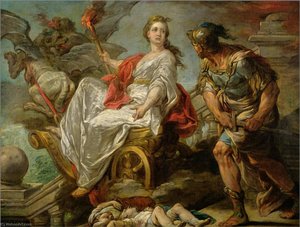
- Юпитер и Антиопа — демонстрация виртуозного владения мифологическими темами.
- Автопортрет — глубокое погружение в самовосприятие художника.
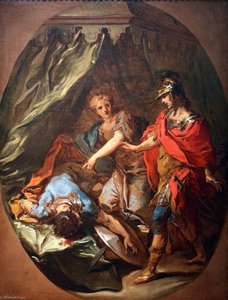
- Персей и Андромеда (несколько версий) — свидетельство таланта в передаче классической мифологии.
- Мадемуазель Кларион в образе Медеи (малая версия) — пленительный портрет эпохи рококо 1760 года.
Покровительство и признание монарха
- Королевская милость: Находился под покровительством мадам де Помпадур и французского двора.
- Назначение при дворе: В 1762 году занял престижнейший пост Первого живописца короля Людовика XV.
- Орден Святого Михаила: Был удостоен ордена Святого Михаила, что стало высшим знаком королевского признания.
Влияние и наследие
- Семейное влияние: Оказал огромное воздействие на него талант отца и брата, оба из которых были выдающимися живописцами.
- Современная французская школа: Его «простота стиля и точность композиции» оказали значительное влияние на развитие современной французской школы живописи.
- Критическая судьба: Несмотря на то, что отношение критиков к нему менялось со временем, его мастерство и масштаб творческого наследия неизменно вызывают глубокое уважение.
Музейные коллекции и дальнейшие исследования
- Музейное присутствие: Его полотна украшают залы крупнейших музеев мира, включая Лувр (Брак Девы), Кунстхалле Бремен и Метрополитен-музей.
- Дополнительные ресурсы:
- Страница Шарля-Андре ван Луо на ArtsDot: https://www.ArtsDot.com/artists/charles-andre-van-loo/
- Страница величайших художников всех времен на ArtsDot: https://www.ArtsDot.com/greatest-artists
- Виртуальный музей ArtsDot: https://www.ArtsDot.com/
- Статья в Википедии: https://en.wikipedia.org/wiki/Charles-Andr%C3%A9_van_Loo
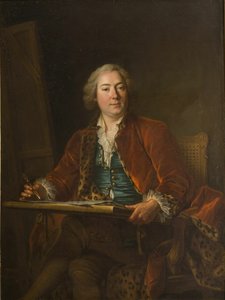
Карл ван Лoo
1705 - 1765 , Франция
Основные сведения
- Artistic Movement Or Style: Рококо
- Artists Or Movements Influenced By This Artist: ['Современная французская школа']
- Artists Who Influenced This Artist:
- Бендетто Лути
- Пьер Ле Грос
- Date Of Birth: 17 февраля 1705 г.
- Full Name: Charles André van Loo
- Nationality: Французский
- Notable Artworks:
- Венера и Любовь
- Охота
- Портрет Марии Лещинской
- Юпитер и Антиопа
- Автопортрет
- Персей и Андромеда
- Place Of Birth: Ницца, Франция
Похожие статьи
Charles-André van Loo: A Study in Rococo Portraiture & the French Court's Artistic Dynamics
Explore the elegant world of Charles-André van Loo, a master of Rococo portraiture at the French court. Discover his life, techniques, and enduring influence on 18th-century art. Hand-painted reproductions available.
Топ-10 шедевров Раннего Нидерландского Возрождения: искусство для вашего дома
Погрузитесь в мир Раннего Нидерландского Возрождения! Узнайте истории создания шедевров Яна ван Эйка, Кампена и других великих мастеров. Купите высококачественные репродукции картин для вашего интерьера на ArtsDot.com.

10 Шедевров Раннего Нидерландского Живописи: История Искусства в Вашем Интерьере
Погрузитесь в мир Раннего нидерландского живописи! Откройте 10 шедевров Яна ван Эйка, Рогира ван дер Вейдена и других мастеров. История искусства, техника исполнения и вдохновение для вашего интерьера на ArtsDot.com.

Рембрандт ван Рейн: Топ-25 шедевров великого голландского мастера | ArtsDot
Погрузитесь в мир великого Рембрандта! 25 шедевров голландского барокко, истории создания картин и уникальные техники художника. Купите репродукции картин Рембрандта высочайшего качества для вашего интерьера на ArtsDot.com

Топ-10 шедевров рококо: искусство, изменившее интерьеры | ArtsDot.com
Погрузитесь в мир рококо! Откройте для себя 10 шедевров искусства от Watteau, Boucher и Fragonard. Узнайте историю создания культовых картин и вдохновитесь для декора интерьера. Репродукции высокого качества на ArtsDot.com.