

 Предпросмотр
 Поделиться
 Поделиться
 Детали произведения

 Скачать
 Похожие работы
 Рентгенография
 Слайд-шоу
 Статистика
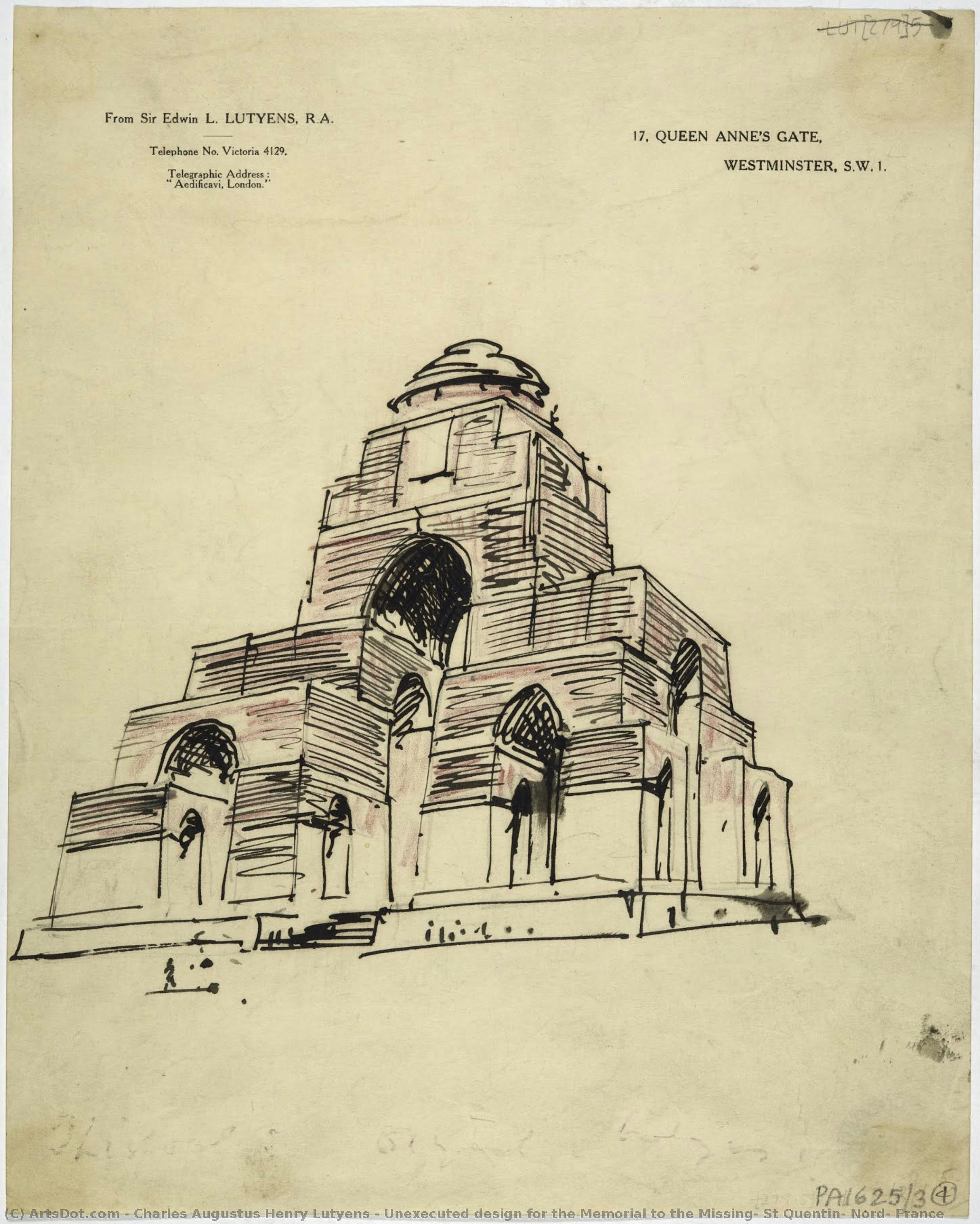
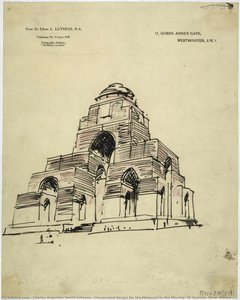
Unexecuted design for the Memorial to the Missing, St Quentin, Nord, France


 Читать далее
Приобретите цифровое изображение высокого разрешения в улучшенном качестве, которое значительно превосходит онлайн-превью.
Каждый файл тщательно подготавливается нашими специалистами с использованием передовых инструментов и экспертной ручной ретуши. Мы гарантируем исключительную четкость, точную цветопередачу и детальную проработку каждого изображения.
Финальный файл доставляется по электронной почте в течение 72 часов и оптимизирован для немедленного использования в профессиональной среде, при верстке и печати. Это тот же уровень качества, которому доверяют ведущие дизайнерские студии, издательства и галереи.
Цифровое изображение
Скачайте файл высокого разрешения для личного использования, печати и творческих проектов. ( Перейти к печати Купить картину ручной работы)
Включено в каждый заказ цифровых изображений
Гарантия экспертной цифровой доставки
Выбирая ArtsDot.com, вы получаете не просто изображение — вы приобретаете профессионально обработанное цифровое произведение искусства, созданное с безупречной точностью и под защитой гарантии качества. Вот всё, что автоматически входит в ваш заказ:

Мгновенная доставка по e-mail
Ваш цифровой файл в высоком разрешении будет отправлен вам по электронной почте в течение 72 часов после оформления заказа — и сразу станет доступен для использования.

Цифровой файл с ИИ-улучшением
Ваше произведение искусства проходит профессиональную оптимизацию с использованием передовых инструментов ИИ и ручной обработки, что гарантирует максимальную детализацию, четкость и точность цветопередачи.

Бессрочная бесплатная повторная доставка
Случайно удалили или потеряли файл? Не беспокойтесь — мы отправим его вам повторно в любое время и совершенно бесплатно.

Без импортных пошлин — навсегда
Наслаждайтесь вашим произведением искусства мгновенно без таможенных пошлин, сборов или затрат на доставку — цифровые загрузки всегда не облагаются налогом.

Гарантия точности цветопередачи
Мы гарантируем, что ваше цифровое изображение максимально точно передает оригинальные цвета благодаря использованию профессиональных инструментов и систем управления цветом.

Гарантия удовлетворенности 100 дней
Если вы не будете удовлетворены своим цифровым изображением, мы внесем правки или вернем 100% стоимости в течение 100 дней — без лишних вопросов.

100% Гарантия возврата средств
Не удовлетворены покупкой? Получите полный возврат средств в течение 100 дней после получения цифрового файла — без лишних вопросов.

Скидки на оптовые заказы
Купите 3 изображения, сэкономьте 10% — Купите 5, сэкономьте 15% — Купите 10+, сэкономьте 20%. Отличное решение для творческих проектов, галерей и агентств.
A Vision of Remembrance: The Unexecuted Design for St Quentin
In the quiet, monochromatic depths of this 1923 architectural drawing, we encounter a profound moment of historical reflection. This piece, an unexecuted design for the Memorial to the Missing in St Quentin, Nord, France, serves as a hauntingly beautiful window into the aftermath of the Great War. Through the meticulous hand of Charles Augustus Henry Lutyens, the paper transforms into a landscape of memory and architectural ambition. The drawing captures a monumental structure characterized by a soaring central tower, crowned with a cross that reaches toward an unseen sky. It is not merely a blueprint for stone and mortar, but a poetic attempt to give form to the intangible grief of a generation lost.
The technique employed here relies on the stark, evocative power of black and white line work. Lutyens utilizes fine, precise strokes to delineate the intricate textures of the masonry and the imposing geometry of the tower, creating a sense of permanence and weight. The interplay of light and shadow—achieved through delicate hatching and varying line densities—lends the structure a sculptural quality, making the stone appear almost tactile. By including small, silhouetted figures scattered around the base of the monument, the artist masterfully establishes a sense of scale. These tiny human presences serve as a poignant reminder of the lives the memorial was intended to honor, grounding the grand architectural vision in the intimate reality of human loss.
Beyond its technical mastery, the artwork carries a heavy symbolic weight. The architecture itself, blending elements of classical order with a somber, commemorative gravity, speaks to the desire for stability and peace in a world fractured by conflict. The central tower acts as an axis mundi, a bridge between the earthly realm of mourning and the spiritual realm of eternal remembrance. For the collector or the interior designer, this piece offers more than just aesthetic value; it provides a sophisticated focal point that invites contemplation. Its understated elegance and historical depth make it an ideal selection for spaces dedicated to reflection, such as a private library, a study, or a gallery wall curated with works of significant cultural resonance.
Owning a high-quality reproduction of this Lutyens design allows one to bring a piece of architectural history into the modern home. It is an invitation to engage with the legacy of one of Britain’s most visionary architects and to preserve the spirit of a design that, while never realized in stone, remains eternally alive through the artistry of its conception. This drawing is a testament to the power of art to capture the echoes of history, offering a timeless beauty that transcends the era in which it was created.
Похожие произведения


Биография художника
The Dual Legacy of a Visionary: Soldier, Painter, and Architect
To contemplate the life of Charles Augustus Henry Lutyens is to traverse the complex landscape of the British imperial era, where the precision of military discipline met the fluid grace of artistic expression. Born in 1829 into a distinguished military lineage, Lutyens was shaped by a heritage of service and structure. As the son of Major Lutyens, a man whose career spanned the Peninsular War and diplomatic missions to Denmark, the young Charles was immersed from birth in an environment where duty and global perspective were paramount. While history often remembers him through the lens of his architectural contributions and his identity as a painter, his very essence was forged in this crucible of Victorian order and expansive colonial ambition.
His early years were marked by a profound intellectual curiosity that transcended the boundaries of a single discipline. Though he initially turned toward the spiritual path of theology during his studies at Oxford University, the call of design and visual storytelling proved irresistible. This transition from the sacred to the aesthetic allowed him to infuse his later works with a sense of monumental permanence and spiritual gravity. His artistic development was deeply influenced by the prevailing movements of his time, particularly the Gothic Revivalism and the Beaux Arts principles that emphasized classical symmetry and intricate ornamentation. This period of formation instilled in him a lifelong reverence for craftsmanship and an ability to see the structural potential within the purely decorative.
A Tapestry of Technique and Memory
As a painter and draftsman, Lutyens possessed a rare ability to translate the weight of history onto paper. His work often serves as a poignant window into the collective psyche of an era grappling with loss and reconstruction. One can observe this most movingly in his architectural drawings, such as his unexecuted design for the Memorial to the Missing in St Quentin, France. In these monochromatic studies, he utilized the stark, evocative power of black and white line work to create a landscape of memory. Through meticulous hatching and varying line densities, he achieved a sculptural quality that made stone appear almost tactile, capturing the interplay of light and shadow to evoke the somber atmosphere of post-war mourning.
His technical mastery was not merely about precision but about the emotional resonance of scale. By incorporating small, silhouetted figures within his grand architectural visions, Lutyens masterfully established a sense of human vulnerability against the backdrop of monumental structures. This technique grounded his sweeping, imperial ambitions in the intimate reality of individual lives. Whether capturing the delicate beauty of Cupids and Flowers or the imposing geometry of a commemorative tower, his hand remained dedicated to the idea that art should serve as an axis mundi—a bridge between the earthly realm of human experience and the eternal realm of remembrance.
The Architectural Shadow and Historical Significance
While Charles Augustus Henry Lutyens is often discussed in relation to the monumental architectural achievements of his era, his historical significance lies in the foundational aesthetic values he championed. His involvement with the Arts and Crafts movement, alongside figures like William Morris, reinforced a commitment to authenticity and a rejection of mass production. This dedication to meticulous detailing and the use of genuine materials became a hallmark of the period's design language. He viewed architecture not merely as the construction of shelter, but as the creation of spaces that embodied ideals of order, permanence, and authority.
His legacy is inextricably linked to the broader narrative of British architectural evolution, providing a bridge between the traditionalism of the early 19th century and the transformative urban planning seen in projects like New Delhi. Though he shared the spotlight with other great designers of his time, his unique position as both a soldier and an artist allowed him to approach design with a singular perspective—one that understood both the rigid requirements of structure and the delicate necessity of beauty. Today, his works remain vital touchstones for understanding how the visual arts were used to navigate the complexities of identity, empire, and the enduring human desire to leave a lasting mark upon the world.
charles augustus henry lutyens
1829 - 1915
Основные сведения
- Artistic Movement Or Style: Arts and Crafts
- Artists Who Influenced This Artist:
- William Morris
- Gustav Stickley
- Date Of Birth: 1829
- Date Of Death: 1915
- Full Name: Charles Augustus Henry Lutyens
- Nationality: British
- Notable Artworks:
- India Gate
- Houses of Parliament
- Scottish Rite Temple
- Place Of Birth: London, England