

 Предпросмотр
 Поделиться
 Поделиться
 Детали произведения

 Скачать
 Похожие работы
 Рентгенография
 Слайд-шоу
 Статистика
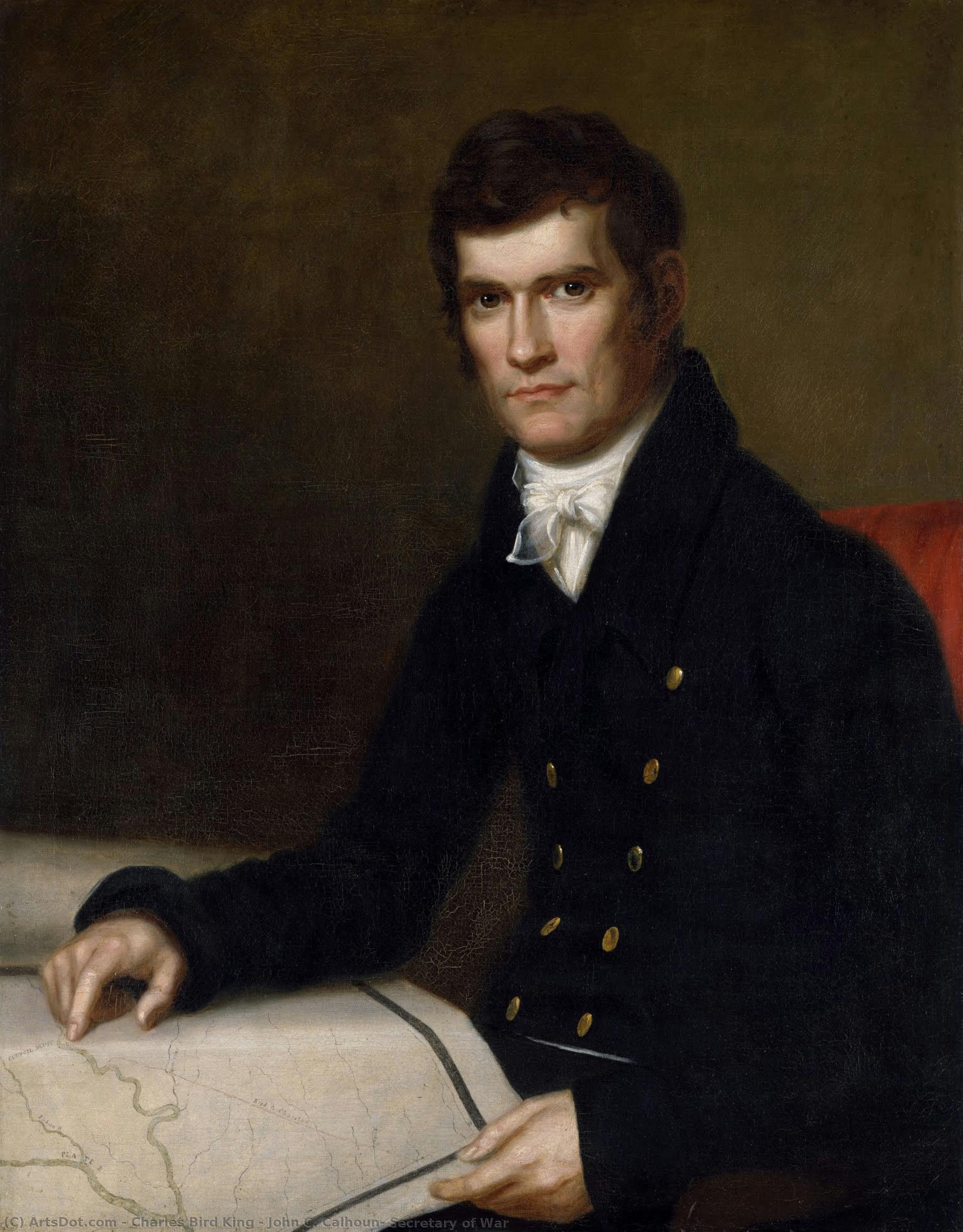
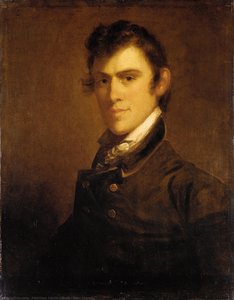
John C. Calhoun, Secretary of War
 Oil On Canvas
- WallArt
- Academic Realism
 91.0 x 72.0 cm
 Chrysler Museum of Art
 Читать далее
Жикле / Арт-принт
Печать (жикле) или холст музейного качества с быстрыми сроками изготовления и широким выбором вариантов отделки. ( Купить картину ручной работы Перейти к цифровым изображениям)




P118B $10

P118H $10

P118W $10

P438Z $10

P508JH $12

P508YH $12

P805H $10

P805Z $10

P919BZ $10

P919G $10

P919XJ $10

P959ZH $10

P968JZ $12

W106C $8

W218G $10

W218JH $8

W218Y $10

W307PJ $10

W316G $10

W316PJ $8

W316Y $10

W398PJ $8

W4111J $10

W500HY $15

W500JH $15

W692G $12

W849H $8

W940BG $15

W953PJ $8




Выберите один из наших стандартных размеров, соответствующих оригинальным пропорциям произведения искусства.

Вы можете указать свои собственные размеры, чтобы репродукция идеально подошла под конкретную раму или пространство. Если выбранный вами размер не будет соответствовать пропорциям оригинала, мы либо обрежем произведение, либо дополним изображение зеркальным отражением краев или однотонной заливкой. Перед началом производства вам будет отправлен цифровой макет для утверждения.
Пожалуйста, обратите внимание, что предварительный просмотр на экране не отображает фактическую обрезку или расширение изображения. Только макет точно покажет финальную композицию.
Несмотря на возможность заказа индивидуальных размеров, мы рекомендуем выбирать размер из предопределенного списка, чтобы сохранить оригинальные пропорции.
Доставка по всему миру () за 2 недели вместо стандартных 4/5 недель. (12 Сентябрь)

Бесплатная экспресс-доставка по всему миру

Высококачественный льняной холст

Полное страхование доставки

Гарантия возмещения таможенных пошлин

Гарантия точного соответствия цветов

100-дневная политика возврата (только при обнаружении дефектов)

Гарантия возврата 100% средств

Предложение оптовых скидок
 Вариант со стеклом доступен только для размеров менее 110 см

John C. Calhoun, Secretary of War
Жикле / Арт-принт
Размер репродукции
-


Итоговая стоимость
$ 62
A Portrait of Power and Principle: John C. Calhoun by Charles Bird King
The oil painting “John C. Calhoun, Secretary of War,” executed in 1818 by the American artist Charles Bird King, is more than a simple likeness; it’s a carefully constructed tableau of political ambition, Southern identity, and the burgeoning complexities of early America. King, deeply influenced by European artistic traditions – particularly Dutch masters known for their dramatic lighting and meticulous detail – rendered Calhoun not merely as a man, but as an embodiment of his era's fervent debates over federalism, states’ rights, and the future of the nation. The painting immediately commands attention with its masterful use of chiaroscuro, a technique borrowed from Rembrandt, which casts Calhoun in a pool of deep shadow, emphasizing the severity of his features and lending him an air of formidable authority.The Man and His Moment
John Caldwell Calhoun (1782-1850) was a pivotal figure in the early republic, serving as Secretary of War under President James Monroe. A staunch advocate for limited government and states’ rights, he became increasingly associated with the South's defense of slavery and its resistance to federal overreach. King’s portrait captures Calhoun at a critical juncture – a man poised on the cusp of shaping national policy through his powerful arguments in Congress. The map spread before him isn’t merely a backdrop; it represents Calhoun’s strategic vision for westward expansion, particularly concerning the Missouri Compromise and the contentious issue of slavery's extension into new territories. His pointed finger directs our gaze towards these proposed fortifications, symbolizing his belief in federal intervention to secure Southern interests.Technique and Artistic Influence
King’s skill lies not just in replicating a likeness but in imbuing it with character and psychological depth. He employed a meticulous academic style, characteristic of the era, prioritizing anatomical accuracy and realistic detail. Notice the careful rendering of Calhoun's suit – the rich textures of the fabric, the subtle sheen of the buttons, all meticulously painted to convey wealth and status. The artist’s use of color is restrained yet effective, dominated by deep browns, grays, and ochres, reflecting the seriousness of the subject matter. However, King subtly incorporates elements of Dutch portraiture – a penchant for dramatic lighting, a focus on capturing the sitter's inner character—demonstrating his artistic education in London before returning to America. The composition itself is carefully balanced, drawing the eye to Calhoun’s face and hands while simultaneously conveying a sense of intellectual engagement with the strategic map.Symbolism and Legacy
Beyond a straightforward portrait, “John C. Calhoun” carries significant symbolic weight. The stern expression on Calhoun's face reflects his unwavering conviction in his political beliefs, even when those beliefs proved deeply divisive. The map represents not just military strategy but also the broader struggle over power between the federal government and individual states. Furthermore, the painting serves as a visual record of a man who profoundly shaped – and ultimately contributed to fracturing—the American experiment. While King’s artistic talent is undeniable, it's important to acknowledge the complex historical context surrounding this portrait: its depiction of a controversial figure whose legacy continues to be debated today. It stands as a powerful reminder of the tensions that defined early America and the enduring questions about power, liberty, and the future of the nation. Reproductions of this work offer a valuable window into a pivotal period in American history, inviting viewers to contemplate the complexities of Calhoun’s life and his lasting impact on the country.Похожие произведения
Биография художника
Charles Bird King (1785–1862): A Life Etched in Portraiture
Charles Bird King, born in Newport, Rhode Island, in 1785, stands as a pivotal figure in the evolution of American portraiture during an era defined by profound national transformation. His life story is a compelling tapestry woven with threads of personal hardship and unwavering artistic ambition—a journey that ultimately immortalized not only the nation’s political elite but also its Native American leaders, a demographic often overlooked within the artistic landscape of his time. The early years of King's existence were marked by tragedy; at just four years old, he endured the loss of his father, Captain Zebulon King, a veteran of the Revolutionary War, who fell victim to an attack near Marietta, Ohio. This devastating event prompted a return with his mother to Newport, where the seeds of his artistic calling would begin to sprout and take root.Early Influences and Artistic Training
King’s formal artistic training commenced at the age of fifteen under the tutelage of Edward Savage in New York City—a foundational experience that ignited within him a passionate dedication to portraiture. Savage, himself a prominent sculptor and artist influenced by Romantic ideals, instilled in King a deep appreciation for expressive form and dramatic composition. However, it was his subsequent seven-year sojourn at the Royal Academy in London, studying alongside Benjamin West, that truly defined his artistic sensibilities and shaped his evolving style. This immersive period within European art traditions—particularly those of the Dutch and Northern Renaissance masters—would become a defining characteristic woven into the very fabric of his work. The influence of Rembrandt and Rubens was palpable; King absorbed their mastery of chiaroscuro, their ability to convey emotion through subtle gestures and expressions, and their unwavering commitment to anatomical accuracy. He diligently studied the techniques employed by these revered artists, recognizing that true artistic excellence demanded both technical skill and intellectual understanding.Return to America and Establishing a Career
Upon returning to the United States amidst the tumult of the War of 1812, King navigated a shifting landscape, briefly establishing himself in Philadelphia, Baltimore, and Richmond before ultimately settling in Washington, D.C. This strategic move proved decisive; the burgeoning capital offered both economic opportunity and access to a powerful network of potential patrons—politicians eager to commemorate their achievements and solidify their legacies. It was here that King established his studio and gallery, cultivating relationships with influential figures who championed his artistic vision. He quickly gained recognition for his exceptional talent, attracting commissions from prominent families and government officials alike. His ability to capture the essence of his subjects—their dignity, intellect, and character—established him as one of the most respected portraitists of his generation. His reputation grew steadily over time, fueled by his unwavering dedication to his craft and his astute understanding of the social dynamics of Washington society.A Distinctive Style: Dutch Influence and Realism
King’s artistic style is characterized by a meticulous attention to detail, a refined sense of composition, and a subtle yet compelling psychological depth. He embraced the principles of Dutch painting—particularly the use of light and shadow—incorporating techniques honed during his formative years in London. This influence manifested itself in his canvases with an understated elegance, conveying emotion through nuanced expressions and gestures. Yet, King’s work possessed a distinctly American quality—a realism tempered by an intellectual awareness of artistic tradition. He wasn't driven by flamboyant displays or dramatic narratives but rather focused on presenting his sitters with honesty and respect—an approach that resonated deeply with a society valuing decorum, intellect, and civic virtue. His portraits weren’t merely representations; they were statements about character and status. He skillfully blended European artistic conventions with American sensibilities, creating images that captured both physical likeness and inner personality.Legacy: Portraits of Native Americans and Enduring Artistic Remembrance
Perhaps King’s most enduring contribution lies in his remarkable series of portraits depicting Native American leaders and tribesmen. Commissioned by Thomas L. McKenney, the Superintendent of Indian Trade, these paintings were intended to document the diverse cultures and individuals encountered during diplomatic missions to Washington D.C. These works are not simply historical records; they are powerful statements about cultural exchange, political negotiation, and the complex relationship between the United States government and Native American tribes. Portraits such as those of Kee-shes-wa (a Fox chief), Jack-o-pa (a Chippewa chief), and Teh-ro-hon (an Ioway warrior) stand as testaments to King’s skill in capturing not only physical likeness but also the dignity, strength, and cultural identity of his subjects. While some modern critics have noted potential inaccuracies or romanticized depictions within these portraits, their historical significance remains undeniable—they offer a rare glimpse into a formative period of American history and artistic expression. These paintings served as both artistic achievements and diplomatic tools. He bequeathed his collection of paintings, books, and prints to the Redwood Library and Athenaeum, ensuring that his legacy would endure for generations to come.
Чарльз Бирд Кинг
1785 - 1862 , США
Основные сведения
- Artistic Movement Or Style: Dutch influence, realism
- Artists Who Influenced This Artist:
- Edward Savage
- Benjamin West
- Date Of Birth: 1785
- Date Of Death: 1862
- Full Name: Charles Bird King
- Nationality: American
- Notable Artworks:
- Stephen Decatur
- Hayne Hudjihini
- Itinerant Artist
- Place Of Birth: Newport, USA
Похожие статьи

Джон Констебль: 25 шедевров английского пейзажа для вашего интерьера
Погрузитесь в мир английского пейзажа с Джоном Констеблом! 25 шедевров романтизма, история создания картин и вдохновение для вашего интерьера. Репродукции высокого качества на ArtsDot.com – искусство для ценителей.
Grant Wood & American Regionalism: Identity, Myth & the Rural Landscape
Explore the world of Grant Wood & American Regionalism with ArtsDot. Discover the symbolism behind 'American Gothic', recurring themes, and the movement's lasting impact on art history. High-quality reproductions available.
Charles Bird King: Capturing Native American Dignity Through Portraiture & Cultural Exchange
Explore the captivating portraits of Charles Bird King, renowned for his depictions of Native American leaders. Discover the historical context, artistic techniques, and collecting value of these significant 19th-century artworks.
Charles Marion Russell: Capturing the American West Through a Romantic Lens
Explore the captivating world of Charles Marion Russell, 'the cowboy artist.' Discover his life, iconic paintings, advocacy for Native Americans, and investment potential. A guide for discerning art collectors.

Джон Сингер Сарджент: 25 шедевров портретной живописи для вашего интерьера | ArtsDot
Погрузитесь в мир Джона Сингера Сарджента! 25 шедевров импрессионизма и реализма, раскрывающих элегантность эпохи Gilded Age. Купите репродукции картин Сарджента музейного качества для вашего интерьера на ArtsDot.com.