

 Предпросмотр
 Поделиться
 Поделиться
 Детали произведения

 Скачать
 Похожие работы
 Рентгенография
 Слайд-шоу
 Статистика
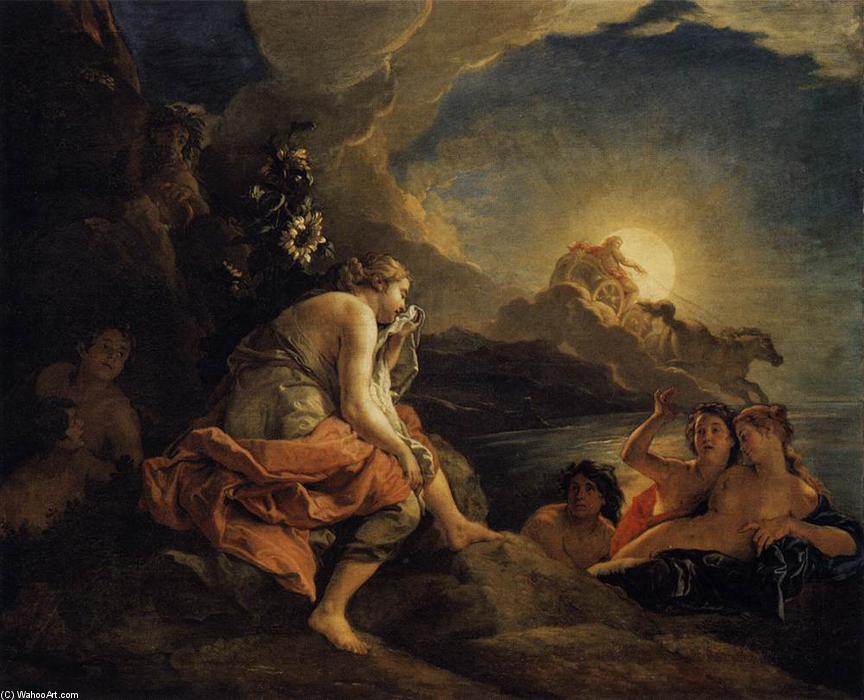
Clytie Transformed into a Sunflower
 Oil On Canvas
- WallArt
- Baroque Grandeur
 1688
1688- Renaissance
 131.0 x 159.0 cm
 Гран-Трианон
 Читать далее
Масляная репродукция ручной работы
Картина маслом на холсте в выбранном вами размере и раме, написанная на заказ нашими художниками. ( Перейти к печати Перейти к цифровым изображениям)




P118B $10

P118H $10

P118W $10

P438Z $10

P508JH $12

P508YH $12

P805H $10

P805Z $10

P919BZ $10

P919G $10

P919XJ $10

P959ZH $10

P968JZ $12

W106C $8

W218G $10

W218JH $8

W218Y $10

W307PJ $10

W316G $10

W316PJ $8

W316Y $10

W398PJ $8

W4111J $10

W500HY $15

W500JH $15

W692G $12

W849H $8

W940BG $15

W953PJ $8




Выберите один из наших стандартных размеров, соответствующих оригинальным пропорциям произведения искусства.

Вы можете указать собственные размеры, чтобы картина идеально вписалась в выбранную раму или пространство. Если выбранный вами размер не соответствует пропорциям оригинала, мы либо обрежем полотно, либо расширим его за счет дополнительных элементов, написанных вручную. Цифровой макет будет отправлен вам на утверждение перед началом производства.
Обратите внимание, что предварительный просмотр на экране не отражает фактическую обрезку или расширение. Только макет точно покажет окончательную композицию.
Хотя доступны индивидуальные размеры, мы рекомендуем выбирать вариант из предопределенного списка, чтобы сохранить исходные пропорции.
После оформления заказа команда ArtsDot.com свяжется с клиентом по электронной почте для уточнения деталей и предоставит предварительный макет
Доставка по всему миру () за 3–4 недели вместо стандартных 5 недель. (12 Сентябрь). Без компромиссов в качестве.

Бесплатная экспресс-доставка по всему миру

Высококачественный льняной холст

Полное страхование доставки

Гарантия возмещения таможенных пошлин

Гарантия точного соответствия цветов

100-дневная политика возврата (только при обнаружении дефектов)

Гарантия возврата 100% средств

Предложение оптовых скидок
 Вариант со стеклом доступен только для размеров менее 110 см

Clytie Transformed into a Sunflower
Техника репродукции
Размер репродукции
-


Итоговая стоимость
$ 263
Charles de La Fosse’s “Clytie Transformed into a Sunflower”: A Study in Baroque Grace
The painting "Clytie Transformed into a Sunflower," executed by Charles de La Fosse in 1688, stands as a testament to the burgeoning Rococo style's subtle influence on the artistic sensibilities of Louis XIV’s court. While firmly rooted in Classical foundations – mirroring La Fosse’s training under the tutelage of Charles Le Brun – the artwork possesses an ethereal quality that anticipates the decorative exuberance characteristic of its era, marking it as a pivotal piece within French Baroque art history.Subject Matter and Mythological Narrative
At its core lies a captivating depiction of myth—specifically, the tale of Clytie, Apollo’s rejected lover. The painting portrays Clytie seated upon a rocky outcrop, her gaze directed towards the horizon, embodying both sorrow and acceptance. Surrounding her are figures representing Apollo and Leucothea, symbolizing the tragic love affair that culminated in Clytie's demise and transformation into the sunflower—a plant perpetually turning its face toward the sun, mirroring her unwavering devotion to Apollo despite his abandonment. This narrative choice wasn’t merely decorative; it served as a conduit for exploring themes of loss, perseverance, and ultimately, transcendence. La Fosse skillfully captured the emotional intensity of the myth, conveying Clytie's poignant yearning through nuanced facial expressions and posture.Technique and Artistic Style
La Fosse employed oil paint on canvas—a technique prevalent during his time—to achieve remarkable luminosity and textural detail. The artist’s meticulous brushwork contributes to a velvety surface finish that enhances the painting’s visual richness. Notably, La Fosse subtly departed from the rigid formalism of Classical art, favoring softer contours and delicate color palettes typical of Rococo aesthetics. This stylistic shift is evident in the muted hues employed—primarily yellows and greens—which evoke the warmth of sunlight and the vibrancy of nature. The artist's masterful use of chiaroscuro – dramatic contrasts between light and shadow – further emphasizes Clytie’s figure, drawing attention to her expressive gaze and conveying a sense of solemn beauty.Historical Context: Versailles and Artistic Patronage
“Clytie Transformed into a Sunflower” was created during Louis XIV's reign—a period marked by unparalleled artistic patronage and the establishment of Académie des Beaux-Arts as a cornerstone of French cultural prestige. La Fosse’s commission for the Grand Trianon, alongside other ambitious projects undertaken to embellish Versailles, exemplifies the royal court’s commitment to elevating art as a tool for glorifying monarchy and disseminating humanist ideals. The painting reflects the broader artistic trends of the time—a move away from austere grandeur toward refined elegance and an embrace of mythological subjects imbued with psychological depth.Symbolism: Sunflowers and Eternal Devotion
The sunflower itself carries profound symbolic significance, representing unwavering devotion, resilience, and the pursuit of enlightenment. Its constant orientation towards the sun embodies Clytie’s enduring love for Apollo—a love that transcends physical separation and culminates in spiritual transformation. La Fosse's choice to depict Clytie as a sunflower underscores this central theme, elevating the artwork beyond mere narrative representation into a meditation on human emotion and the power of perseverance. The flower’s golden hue symbolizes Apollo’s radiant glory and Clytie’s unwavering faith—a visual metaphor for her acceptance of fate and her transformation into an emblem of enduring beauty.Emotional Impact: Tranquility Amidst Tragedy
Despite its melancholic subject matter, “Clytie Transformed into a Sunflower” exudes a remarkable serenity. La Fosse's skillful composition—characterized by balanced lines and harmonious color relationships—creates a sense of contemplative stillness that invites viewers to contemplate the complexities of love, loss, and spiritual renewal. The painting’s luminous quality contributes to its emotional resonance, conveying a feeling of ethereal grace and capturing the sublime beauty inherent in accepting life’s inevitable hardships. It remains an enduring masterpiece, demonstrating La Fosse's ability to transform myth into visual poetry—a testament to the transformative power of art itself.Похожие произведения
Похожие статьи
Decoding Baroque Grandeur: A Guide to the Drama and Emotion of 17th-Century Art
Explore the breathtaking drama of 17th-century Baroque art. Our expert guide decodes the use of chiaroscuro, emotional intensity, and historical grandeur to help you appreciate and curate timeless masterpieces for your collection.

The Rococo Aesthetic: Opulence, Rebellion & the Pursuit of Pleasure in 18th-Century Art
Explore the opulent world of Rococo art! Discover its origins, key artists like Watteau & Boucher, and lasting influence on design. Expert insights for collectors & enthusiasts.
From Grandeur to Grace: Exploring the Evolution of Baroque & Rococo Art
Explore the captivating evolution from Baroque's drama to Rococo's grace! Discover key artists, characteristics & lasting influence of these art movements with expert insights at ArtsDot.
The Allure of Elegance in Art: A Historical & Aesthetic Exploration of Refinement & Grace
Explore the exquisite world of Rococo art! Discover its history, masters (Watteau, Boucher & more), and defining elegance. Expert insights for collectors seeking museum-quality reproductions & custom portraits.

Топ-10 шедевров рококо: искусство, изменившее интерьеры | ArtsDot.com
Погрузитесь в мир рококо! Откройте для себя 10 шедевров искусства от Watteau, Boucher и Fragonard. Узнайте историю создания культовых картин и вдохновитесь для декора интерьера. Репродукции высокого качества на ArtsDot.com.