

 Предпросмотр
 Поделиться
 Поделиться
 Детали произведения

 Скачать
 Похожие работы
 Рентгенография
 Слайд-шоу
 Статистика
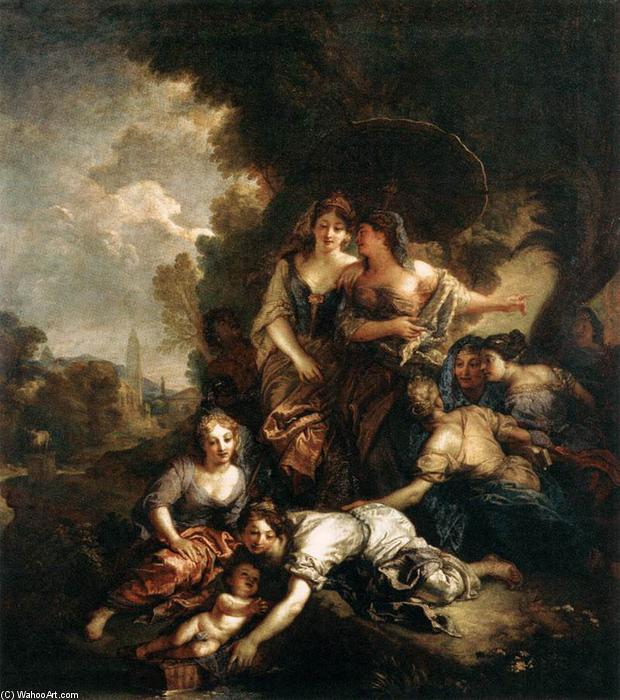
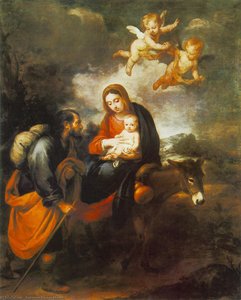
The Finding of Moses
 Oil On Canvas
- WallArt
- Baroque Grandeur
 1675
1675- Early Modern
 125.0 x 110.0 cm
 Лувр
Лувр
 Читать далее
Жикле / Арт-принт
Печать (жикле) или холст музейного качества с быстрыми сроками изготовления и широким выбором вариантов отделки. ( Купить картину ручной работы Перейти к цифровым изображениям)




P118B $10

P118H $10

P118W $10

P438Z $10

P508JH $12

P508YH $12

P805H $10

P805Z $10

P919BZ $10

P919G $10

P919XJ $10

P959ZH $10

P968JZ $12

W106C $8

W218G $10

W218JH $8

W218Y $10

W307PJ $10

W316G $10

W316PJ $8

W316Y $10

W398PJ $8

W4111J $10

W500HY $15

W500JH $15

W692G $12

W849H $8

W940BG $15

W953PJ $8




Выберите один из наших стандартных размеров, соответствующих оригинальным пропорциям произведения искусства.

Вы можете указать свои собственные размеры, чтобы репродукция идеально подошла под конкретную раму или пространство. Если выбранный вами размер не будет соответствовать пропорциям оригинала, мы либо обрежем произведение, либо дополним изображение зеркальным отражением краев или однотонной заливкой. Перед началом производства вам будет отправлен цифровой макет для утверждения.
Пожалуйста, обратите внимание, что предварительный просмотр на экране не отображает фактическую обрезку или расширение изображения. Только макет точно покажет финальную композицию.
Несмотря на возможность заказа индивидуальных размеров, мы рекомендуем выбирать размер из предопределенного списка, чтобы сохранить оригинальные пропорции.
Доставка по всему миру () за 2 недели вместо стандартных 4/5 недель. (12 Сентябрь)

Бесплатная экспресс-доставка по всему миру

Высококачественный льняной холст

Полное страхование доставки

Гарантия возмещения таможенных пошлин

Гарантия точного соответствия цветов

100-дневная политика возврата (только при обнаружении дефектов)

Гарантия возврата 100% средств

Предложение оптовых скидок
 Вариант со стеклом доступен только для размеров менее 110 см

The Finding of Moses
Жикле / Арт-принт
Размер репродукции
-


Итоговая стоимость
$ 62
The Legacy of Baroque Light: An Exploration of Charles de La Fosse’s “The Finding of Moses”
Charles de La Fosse's "The Finding of Moses," completed in 1701, stands as a testament to the evolving spirit of French Baroque painting—a subtle departure from its more austere predecessors while retaining the grandeur and emotional intensity characteristic of Louis XIV’s court. Commissioned for the opulent billiards room at Versailles, this monumental canvas offers a glimpse into the artistic sensibilities of an era grappling with both classical ideals and burgeoning Rococo influences.A Synthesis of Classical Form and Baroque Emotion
La Fosse's training under Charles Le Brun instilled in him a profound understanding of disegno—the meticulous rendering of form—a cornerstone of Renaissance art that continued to inform his approach throughout his career. However, unlike many artists of his time who adhered strictly to academic dogma, La Fosse demonstrated an openness to experimentation, anticipating the decorative exuberance of the Rococo style. This duality is palpable in “The Finding of Moses,” where idealized figures—representing Mary and Joseph—are bathed in a luminous glow that transcends mere realism. The diffused light creates an atmosphere of serenity and reverence, mirroring the biblical narrative itself: the miraculous discovery of Moses as a babe amidst the reeds of the Nile.Technique and Material Considerations
The painting employs oil paint on canvas—a technique perfected during the Baroque period—allowing for rich color saturation and subtle gradations of tone. La Fosse skillfully utilized glazing techniques, applying thin layers of translucent pigment over thicker undercoats to achieve remarkable depth and luminosity. Careful attention was paid to textural detail, particularly in depicting the drapery of Mary’s gown, which cascades gracefully around her form, conveying a sense of movement and elegance. The artist's meticulous brushwork contributes significantly to the overall impression of polished refinement—a hallmark of Versailles art.Symbolism Within Sacred Narrative
Beyond its technical prowess, “The Finding of Moses” is laden with symbolic significance. Mary embodies humility and piety, while Joseph represents steadfast devotion. The setting—a stylized garden reminiscent of biblical Palestine—underscores the sanctity of the event depicted. Furthermore, the radiant light emanating from above symbolizes divine grace and illuminates the figures’ spiritual essence. These elements resonate deeply within the viewer's consciousness, evoking feelings of compassion and wonder—qualities that were deliberately cultivated by Louis XIV to inspire awe and reinforce royal authority.A Window into Artistic Transformation
“The Finding of Moses” exemplifies the gradual shift from Baroque solemnity toward Rococo frivolity. Yet, La Fosse’s masterful execution ensures that this transition is not jarring but rather seamless—a continuation of artistic tradition infused with a newfound lightness of touch. It remains an enduring masterpiece, captivating audiences centuries later with its luminous beauty and profound spiritual contemplation—a poignant reminder of the transformative power of art to transcend time and communicate universal truths.- Artist: Charles de La Fosse
- Year: 1701
- Location: Versailles, France
Похожие произведения


Похожие статьи

The Enduring Legacy of Fine Art Prints: Technique, History & Aesthetic Impact
Explore the rich history & techniques of fine art prints. Discover investment potential, assess authenticity, and learn how to preserve your collection with expert guidance. Trusted insights for discerning collectors.

Барочная драма: Искусство величия в современном интерьере
Погрузитесь в мир роскоши и величия барокко! Узнайте об истории стиля, ключевых элементах интерьера и архитектуре. Вдохновляйтесь с и создайте свой неповторимый дизайн.
Simon Vouet: A Baroque Master's Journey from Italian Influence to French Classicism
Explore the life & art of Simon Vouet, a pivotal French Baroque painter who introduced Italian styles to France. Discover his masterpieces and lasting influence on 17th-century art.

Echoes of Time: Exploring the Enduring Appeal & Historical Context of Vintage Art Prints
Explore the captivating world of vintage art prints! Discover their history, collecting tips & enduring appeal. Expert insights on chromolithography and building a legacy collection with ArtsDot.

Giclée Prints: Archival Quality & Aesthetic Nuances for the Discerning Collector
Explore the world of giclée prints with ArtsDot. Learn about archival quality, aesthetic nuances & investment potential. Expert guidance for discerning art collectors seeking museum-quality reproductions and lasting value.