 Предпросмотр
 Поделиться
 Поделиться
 Детали произведения

 Скачать
 Похожие работы
 Рентгенография
 Слайд-шоу
 Статистика
Swnage


 Читать далее
Масляная репродукция ручной работы
Картина маслом на холсте в выбранном вами размере и раме, написанная на заказ нашими художниками. ( Перейти к печати Перейти к цифровым изображениям)




P118B $10

P118H $10

P118W $10

P438Z $10

P508JH $12

P508YH $12

P805H $10

P805Z $10

P919BZ $10

P919G $10

P919XJ $10

P959ZH $10

P968JZ $12

W106C $8

W218G $10

W218JH $8

W218Y $10

W307PJ $10

W316G $10

W316PJ $8

W316Y $10

W398PJ $8

W4111J $10

W500HY $15

W500JH $15

W692G $12

W849H $8

W940BG $15

W953PJ $8




Выберите один из наших стандартных размеров, соответствующих оригинальным пропорциям произведения искусства.

Вы можете указать собственные размеры, чтобы картина идеально вписалась в выбранную раму или пространство. Если выбранный вами размер не соответствует пропорциям оригинала, мы либо обрежем полотно, либо расширим его за счет дополнительных элементов, написанных вручную. Цифровой макет будет отправлен вам на утверждение перед началом производства.
Обратите внимание, что предварительный просмотр на экране не отражает фактическую обрезку или расширение. Только макет точно покажет окончательную композицию.
Хотя доступны индивидуальные размеры, мы рекомендуем выбирать вариант из предопределенного списка, чтобы сохранить исходные пропорции.
После оформления заказа команда ArtsDot.com свяжется с клиентом по электронной почте для уточнения деталей и предоставит предварительный макет
Доставка по всему миру () за 3–4 недели вместо стандартных 5 недель. (10 Сентябрь). Без компромиссов в качестве.

Бесплатная экспресс-доставка по всему миру

Высококачественный льняной холст

Полное страхование доставки

Гарантия возмещения таможенных пошлин

Гарантия точного соответствия цветов

100-дневная политика возврата (только при обнаружении дефектов)

Гарантия возврата 100% средств

Предложение оптовых скидок
 Вариант со стеклом доступен только для размеров менее 110 см

Swnage
Техника репродукции
Размер репродукции
-


Итоговая стоимость
$ 263
Charles Edward Conder’s “Swnage”: A Coastal Symphony of Light and Leisure
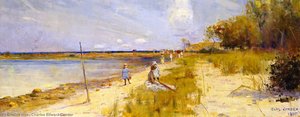
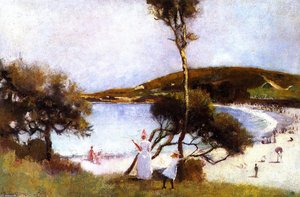
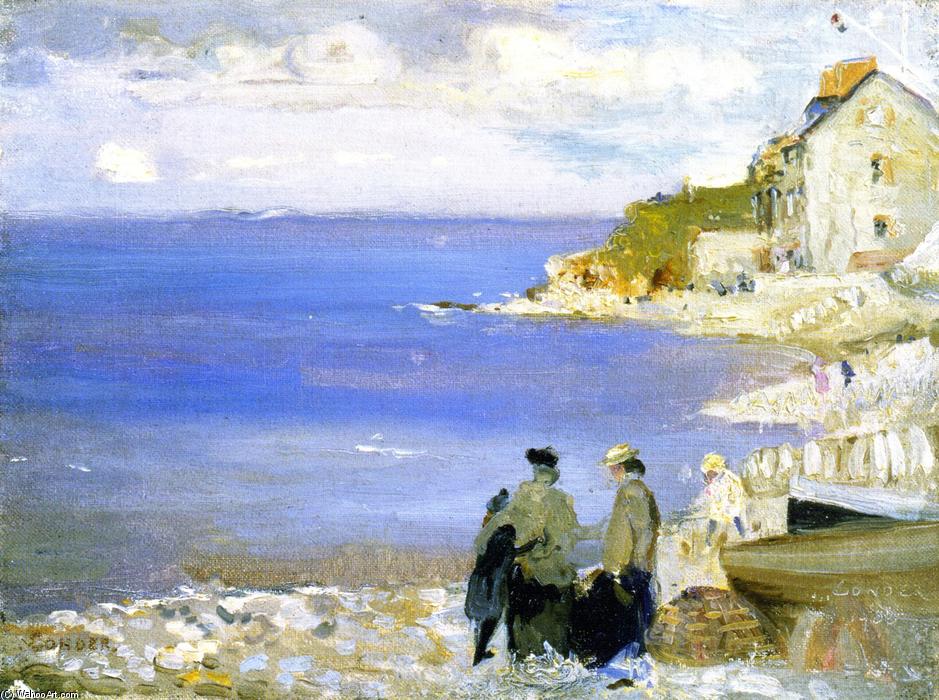
“Swnage,” painted by Charles Edward Conder in approximately 1901, isn't merely a depiction of a beach scene; it’s an immersive experience of the Australian coastline captured with Impressionistic fervor. This captivating work, now housed within the Tate Britain collection, transports the viewer to a moment of serene leisure amidst the rugged beauty of South Wales – specifically, Swnage Bay. Conder, a pivotal figure in Australia's Heidelberg School movement, masterfully employed light and color to evoke not just a visual representation but also a palpable sense of atmosphere and emotion.
Conder’s artistic journey began in England, yet it was his relocation to Sydney in 1884 that truly ignited his creative spirit. He quickly abandoned surveying for the more immediate allure of landscape painting, finding inspiration in the vibrant hues and dramatic light of the Australian bush. “Swnage” reflects this newfound passion, showcasing a deliberate shift away from rigid realism towards a looser, more expressive style. The brushstrokes are visible, creating a textured surface that seems to shimmer with reflected sunlight. Notice how Conder doesn’t meticulously render every detail; instead, he focuses on capturing the essence of the scene – the play of light on water and sand, the suggestion of figures enjoying the day.
Impressionistic Techniques and Color Palette
The painting's strength lies in its masterful use of Impressionistic techniques. Conder’s approach mirrors that of his contemporaries like Monet and Renoir, prioritizing the fleeting effects of light and atmosphere over precise detail. He employed broken color – applying small dabs of paint side-by-side rather than blending them seamlessly – to create a vibrant, luminous quality. The dominant colors are warm ochres, yellows, and blues, reflecting the intense sunlight bathing the beach. These hues aren’t applied uniformly; Conder strategically uses darker tones in the shadows to heighten the sense of depth and volume, particularly in the foreground dunes. The subtle gradations of color create a dynamic visual experience, as if the scene is constantly shifting with the movement of light.
Furthermore, Conder’s use of atmospheric perspective—a technique where distant objects appear paler and less distinct—effectively conveys the vastness of the coastline. The figures in the painting are small and indistinct, emphasizing their insignificance against the grandeur of nature. This compositional choice invites the viewer to become part of the scene, sharing in the feeling of peaceful contemplation.
Symbolism and Context
“Swnage” is more than just a pretty beach scene; it’s imbued with symbolic meaning rooted in Conder's personal experiences and artistic philosophy. As an expatriate Englishman living in Australia, Conder often explored themes of displacement and the search for belonging. The painting can be interpreted as a yearning for a simpler life, a retreat from the complexities of urban existence. The figures on the beach represent leisure, friendship, and connection with nature – values that were particularly appealing to artists of the Heidelberg School.
Considering Conder’s background, it's also important to note the painting’s context within the broader artistic landscape. The Heidelberg School, which emerged in Melbourne during the late 19th century, challenged traditional academic art by embracing a more informal and subjective approach. Conder’s work exemplifies this shift, prioritizing personal observation and emotional expression over strict adherence to classical conventions. The influence of Impressionism is undeniable, but Conder infused it with his own unique Australian sensibility.
A Legacy of Light and Landscape
“Swnage” remains a powerful testament to Charles Edward Conder’s artistic vision. It's a painting that invites viewers to slow down, breathe deeply, and appreciate the beauty of the natural world. Reproductions of this evocative work capture not only its visual splendor but also the spirit of leisure and connection with nature that defined the Heidelberg School. Whether displayed in a contemporary home or a prestigious gallery, “Swnage” continues to resonate with audiences today, reminding us of the enduring power of art to transport us to another time and place.
Похожие произведения
Биография художника
Early Life and Artistic Journey
Charles Edward Conder (1868–1909) был британским художником, литографом и дизайнером, который оставил неизгладимый след в мире искусства. Родился он в Топпинге, Мэньшэ́рсхир, Англия 24 октября 1868 года. Его ранние годы были отмечены трагическим событием – смертью матери от инфлюэнцы при возрасте всего четырех лет. Этот опыт оказал глубокое влияние на формирование его мировоззрения и художественного стиля.
Artistic Career in Australia
В 1884 году Conder переехал в Сидней, Австралия, где работал вместе со своим дядей как геодезист и ландшафтный инженер. Однако вскоре он обнаружил истинную страсть к рисованию пейзажей и отказывался от более практичной работы ради творчества. Уже к 1886 году он стал художником для иллюстрированного Сиднея Ньюс, работая рядом с такими выдающимися художниками как Альберт Генри Фулвуд и Франк Махони. Эти коллеги оказали значительное влияние на его художественное развитие и формирование эстетических взглядов.
The Heidelberg School and Notable Works
Conder стал одним из ключевых представителей немецкой школы в Сиднеи, объединившись с другими талантливыми художниками для создания уникального направления в австралийской живописи. Его наиболее известным произведением является картина «Отправление Востока – Круговая бухта» (1888), которая демонстрирует мастерство использования формы и мазка и была приобретена художественной галереей Нового Южного Уэльса, что стало первым его работами в общедоступной коллекции. Также стоит отметить работу «Отпуск в Ментоне» (1888) – яркий образ жизни и отдыха на берегу моря.
Influences and Artistic Development
Влияние итальянской живописи эпохи Возрождения и французского импрессионизма особенно заметно в его творчестве. Conder изучал искусство в Париже и работал под руководством таких известных художников как Жюль Юбер и Альфред Сислей, что позволило ему освоить новые техники и привить любовь к красоте природы.
Legacy and Later Life
В последующие годы жизнь Condera была омрачена серьезными заболеваниями, включая паралич и эпизод психомоторного расстройства. Несмотря на это он продолжал заниматься живописью и оставил после себя наследие как одного из самых важных художников немецкой школы в Австралии. Его работы были более высоко оценены в Англии, чем во Франции, где его портрет был написан Генри Де Тулуз-Лотреком в 1892 году.
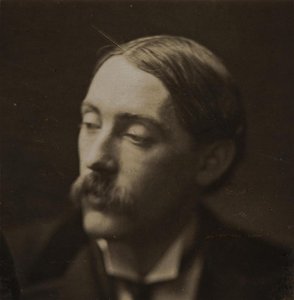
Чарльз Эдвард Кондер
1868 - 1909 , Великобритания
Основные сведения
- Artistic Movement Or Style: Хеidelbergская школа
- Artists Or Movements Influenced By This Artist: ['Том Робертс']
- Artists Who Influenced This Artist:
- Альберт Генри Фулвуд
- Виктор Манн
- Date Of Birth: Октябрь 24, 1868
- Full Name: Charles Edward Conder
- Nationality: Британский
- Notable Artworks:
- Отправление Востока – Круговая пристань
- Отпуск в Ментоне
- Под южным солнцем
- Place Of Birth: Тоттенхэм, Великобритания
Похожие статьи

The Sublime Landscape: Exploring the Hudson River School Movement
Explore the captivating world of the Hudson River School! Discover the history, artists, and defining characteristics of this iconic American art movement. Learn about Romanticism's influence & find inspiration for your collection.
Evoking Nature's Sublime: A Comprehensive Exploration of 19th-Century Landscape Painting
Explore the captivating world of 19th-century landscape painting! Discover renowned artists like Friedrich & Monet, key movements, and find the perfect artwork to bring nature's serenity into your home. Expert insights at ArtsDot.

Evocations of Place: A Historical Journey Through Landscape Art
Explore the rich history of landscape art with ArtsDot. Discover renowned artists, movements like Impressionism & Romanticism, and expert guidance for collecting timeless pieces. Find your perfect serene escape today!

Романтический пейзаж: 10 шедевров, изменивших искусство | ArtsDot.com
Погрузитесь в мир романтического пейзажа! 10 шедевров Фридриха, Тёрнера и других гениев. Узнайте историю создания культовых картин и вдохновитесь для декора интерьера. Репродукции высокого качества на ArtsDot.com.

Evocations of Place: A Historical Journey Through Landscape Art
Explore the rich history of landscape art with ArtsDot. Discover renowned artists, movements like Impressionism & tonalism, and expert guidance for collecting timeless pieces. Find your perfect serene escape today!