

 Предпросмотр
 Поделиться
 Поделиться
 Детали произведения

 Скачать
 Похожие работы
 Рентгенография
 Слайд-шоу
 Статистика
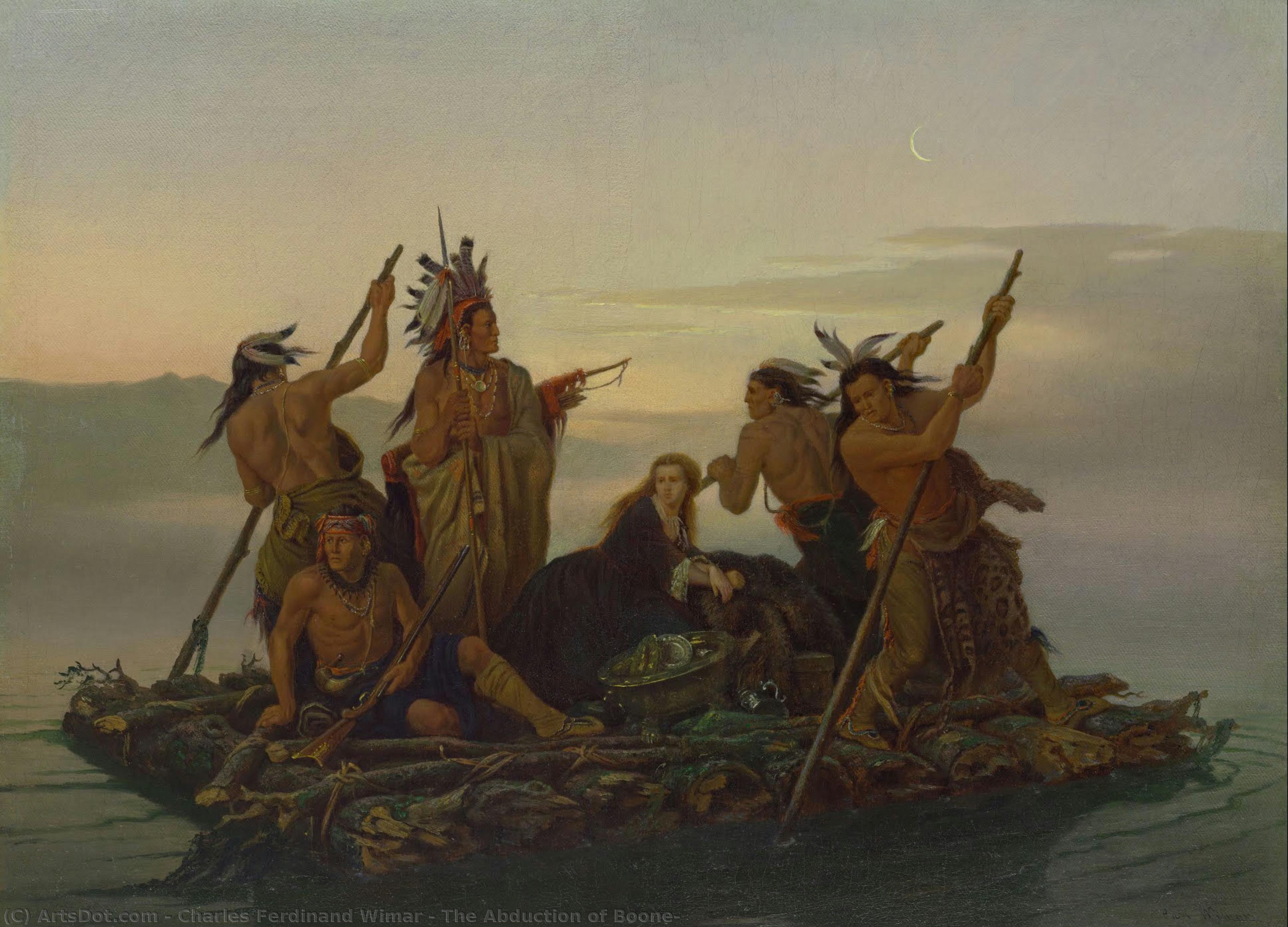
The Abduction of Boone
 Oil
Oil- WallArt
- Genre Painting
 1856
1856- 19th Century
 64.0 x 47.0 cm
 Amon Carter Museum of American Art
 Читать далее
Приобретите цифровое изображение высокого разрешения в улучшенном качестве, которое значительно превосходит онлайн-превью.
Каждый файл тщательно подготавливается нашими специалистами с использованием передовых инструментов и экспертной ручной ретуши. Мы гарантируем исключительную четкость, точную цветопередачу и детальную проработку каждого изображения.
Финальный файл доставляется по электронной почте в течение 72 часов и оптимизирован для немедленного использования в профессиональной среде, при верстке и печати. Это тот же уровень качества, которому доверяют ведущие дизайнерские студии, издательства и галереи.
Цифровое изображение
Скачайте файл высокого разрешения для личного использования, печати и творческих проектов. ( Перейти к печати Купить картину ручной работы)
Включено в каждый заказ цифровых изображений
Гарантия экспертной цифровой доставки
Выбирая ArtsDot.com, вы получаете не просто изображение — вы приобретаете профессионально обработанное цифровое произведение искусства, созданное с безупречной точностью и под защитой гарантии качества. Вот всё, что автоматически входит в ваш заказ:

Мгновенная доставка по e-mail
Ваш цифровой файл в высоком разрешении будет отправлен вам по электронной почте в течение 72 часов после оформления заказа — и сразу станет доступен для использования.

Цифровой файл с ИИ-улучшением
Ваше произведение искусства проходит профессиональную оптимизацию с использованием передовых инструментов ИИ и ручной обработки, что гарантирует максимальную детализацию, четкость и точность цветопередачи.

Бессрочная бесплатная повторная доставка
Случайно удалили или потеряли файл? Не беспокойтесь — мы отправим его вам повторно в любое время и совершенно бесплатно.

Без импортных пошлин — навсегда
Наслаждайтесь вашим произведением искусства мгновенно без таможенных пошлин, сборов или затрат на доставку — цифровые загрузки всегда не облагаются налогом.

Гарантия точности цветопередачи
Мы гарантируем, что ваше цифровое изображение максимально точно передает оригинальные цвета благодаря использованию профессиональных инструментов и систем управления цветом.

Гарантия удовлетворенности 100 дней
Если вы не будете удовлетворены своим цифровым изображением, мы внесем правки или вернем 100% стоимости в течение 100 дней — без лишних вопросов.

100% Гарантия возврата средств
Не удовлетворены покупкой? Получите полный возврат средств в течение 100 дней после получения цифрового файла — без лишних вопросов.

Скидки на оптовые заказы
Купите 3 изображения, сэкономьте 10% — Купите 5, сэкономьте 15% — Купите 10+, сэкономьте 20%. Отличное решение для творческих проектов, галерей и агентств.
A Cinematic Encounter on the American Frontier
In the heart of the mid-19th century, as the American frontier expanded with both hope and profound violence, Charles Ferdinand Wimar captured a moment of breathless tension in his masterpiece, The Abduction of Boone. This evocative oil painting serves as a window into a period of intense colonial friction, transporting the viewer to a landscape where the boundaries between civilization and the untamed wilderness were being violently contested. The scene is thick with drama, centering on the harrowing confrontation between Boone and a group of Native American men. Wimar masterfully orchestrates a composition that feels less like a static portrait and more like a captured frame from an epic cinematic tragedy, where every pointed weapon and furrowed brow contributes to an overwhelming sense of impending doom.
The technical prowess of Wimar, shaped by his rigorous training at the Düsseldorf Academy under the legendary Emanuel Leutze, is on full display through his ability to manipulate light and shadow to heighten the narrative stakes. The artist employs a style that blends historical realism with a romanticized intensity, characteristic of the era's fascination with the "Wild West." Notice how the light catches the metallic sheen of firearms and the glint in the eyes of the dogs, adding a layer of visceral reality to the scene. His brushwork, while precise enough to render the textures of clothing and the ripples of the river, possesses a fluid energy that mirrors the chaotic movement within the frame. The presence of the boat in the mid-ground provides a structural anchor to the composition, yet its stillness only serves to contrast with the kinetic aggression of the figures surrounding Boone.
Symbolism and the Weight of History
Beyond the immediate spectacle of the abduction, The Abduction of Boone is rich with symbolic layers that speak to the complex identity of the American frontier. The dogs, positioned on either side of the central conflict, act as silent witnesses—symbols of domesticity and loyalty caught in the crossfire of a much larger, more primal struggle. The river, flowing through the center of the piece, represents both a lifeline for the emigrant trails and a treacherous barrier that separates different worlds. For the discerning collector, this painting is not merely a depiction of a historical incident; it is an exploration of the themes of displacement, survival, and the collision of cultures that defined the 1850s.
For interior designers and art enthusiasts looking to anchor a room with a sense of history and gravitas, this reproduction offers an unparalleled opportunity. The painting’s palette—earthy tones punctuated by the stark whites and deep shadows of the frontier landscape—makes it a versatile centerpiece for sophisticated spaces. Whether placed in a study filled with leather-bound books or as a conversation starter in a contemporary gallery-style living room, The Abduction of Boone commands attention. It invites the viewer to contemplate the rugged spirit of the past and brings a profound, narrative depth to any curated collection of fine art.
Похожие произведения
Биография художника
early life and artistic pursuits
charles ferdinand wimar, also known as karl ferdinand wimar or carl wimar, was a german-american painter born in siegburg, germany in 1828. he immigrated to the united states with his family at the age of 15 and settled in st. louis, missouri. wimar began studying painting with leon pomarede in 1846 and later traveled up the mississippi river.artistic influences and notable works
wimar's style was significantly influenced by his time at the düsseldorf academy, where he studied with emanuel leutze. this period is evident in his works, such as the abduction of boone's daughter by the indians (1855-1856), depicting a colonial incident near boonesborough, kentucky.- the attack on an emigrant train (university of michigan museum of art, oil on canvas) showcases wimar's skill in capturing dramatic scenes.
- wimar's work is also featured in the the saint louis art museum, a cultural gem in the heart of america, which houses an impressive collection of artworks from various periods and regions.
later life and contributions to american art
wimar made two long trips up the missouri river in 1858 and 1859, and painted murals in the rotunda of the st. louis court house in 1861. his contributions to american art are notable for capturing the essence of native americans in the west and the great herds of buffalo. notable works:- explore more of wimar's works on ArtsDot.com
- discover the kunstsammlungen und museen augsburg, a cultural treasure in augsburg, germany, featuring an impressive collection of artworks from various periods.
legacy and remembrance
charles ferdinand wimar passed away in st. louis in 1862, leaving behind a legacy of art that continues to inspire and educate. his life's work is a testament to the enduring power of art in capturing the essence of a bygone era.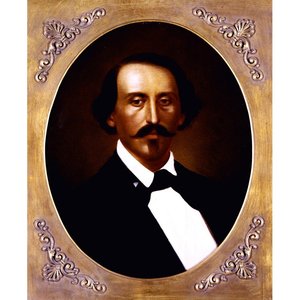
charles ferdinand wimar
1828 - 1862 , Germany
Основные сведения
- Artistic Movement Or Style: Düsseldorf School
- Artists Or Movements Influenced By This Artist: ['Romanticism']
- Artists Who Influenced This Artist: ['Emanuel Leutze']
- Date Of Birth: February 20, 1828
- Date Of Death: November 28, 1862
- Full Name: Charles Ferdinand Wimar
- Nationality: German-American
- Notable Artworks:
- The Abduction of Boone's Daughter by the Indians
- The Attack on an Emigrant Train
- Place Of Birth: Siegen, Germany