

 Предпросмотр
 Поделиться
 Поделиться
 Детали произведения

 Скачать
 Похожие работы
 Рентгенография
 Слайд-шоу
 Статистика
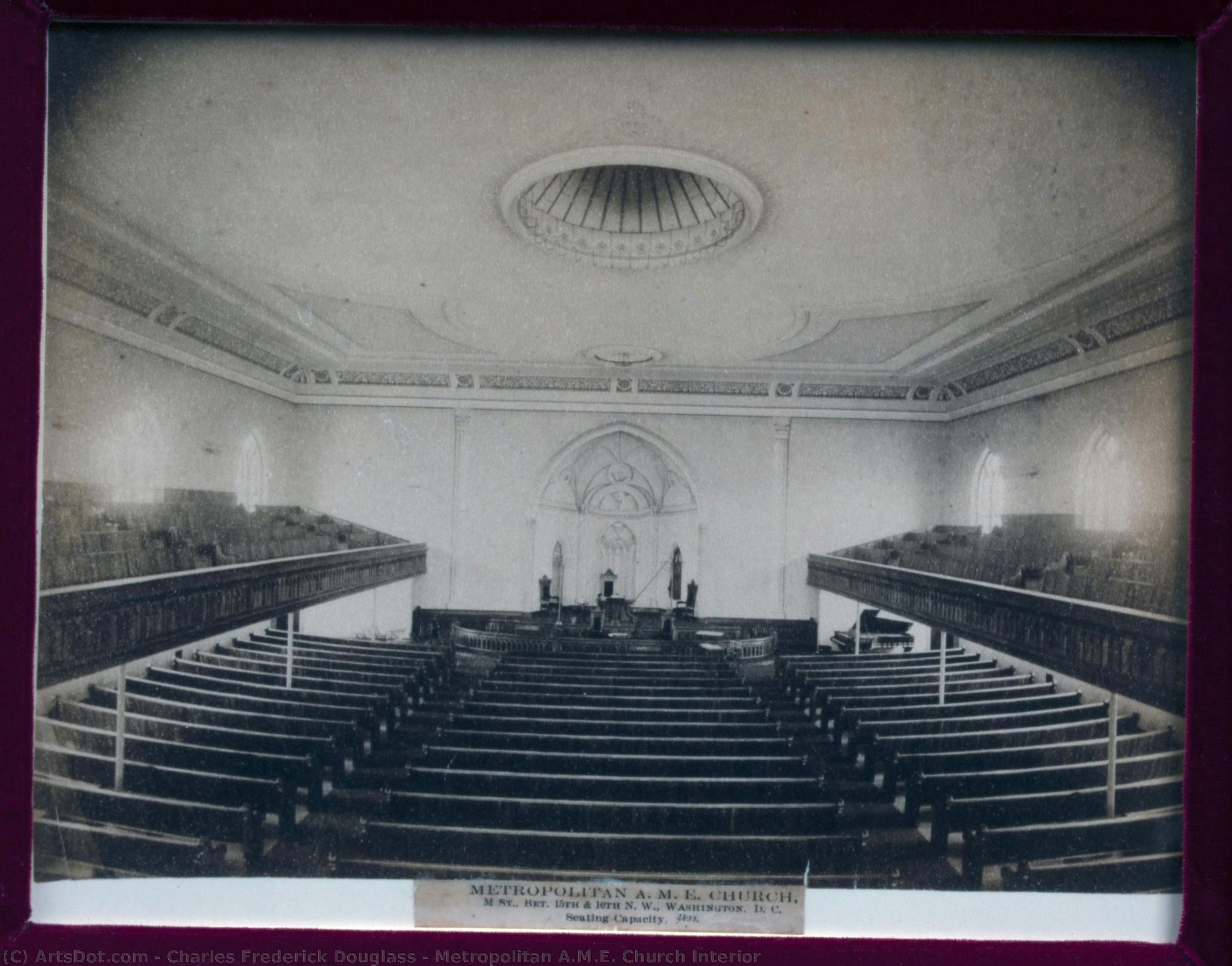
Metropolitan A.M.E. Church Interior

 Читать далее
Приобретите цифровое изображение высокого разрешения в улучшенном качестве, которое значительно превосходит онлайн-превью.
Каждый файл тщательно подготавливается нашими специалистами с использованием передовых инструментов и экспертной ручной ретуши. Мы гарантируем исключительную четкость, точную цветопередачу и детальную проработку каждого изображения.
Финальный файл доставляется по электронной почте в течение 72 часов и оптимизирован для немедленного использования в профессиональной среде, при верстке и печати. Это тот же уровень качества, которому доверяют ведущие дизайнерские студии, издательства и галереи.
Цифровое изображение
Скачайте файл высокого разрешения для личного использования, печати и творческих проектов. ( Перейти к печати Купить картину ручной работы)
Включено в каждый заказ цифровых изображений
Гарантия экспертной цифровой доставки
Выбирая ArtsDot.com, вы получаете не просто изображение — вы приобретаете профессионально обработанное цифровое произведение искусства, созданное с безупречной точностью и под защитой гарантии качества. Вот всё, что автоматически входит в ваш заказ:

Мгновенная доставка по e-mail
Ваш цифровой файл в высоком разрешении будет отправлен вам по электронной почте в течение 72 часов после оформления заказа — и сразу станет доступен для использования.

Цифровой файл с ИИ-улучшением
Ваше произведение искусства проходит профессиональную оптимизацию с использованием передовых инструментов ИИ и ручной обработки, что гарантирует максимальную детализацию, четкость и точность цветопередачи.

Бессрочная бесплатная повторная доставка
Случайно удалили или потеряли файл? Не беспокойтесь — мы отправим его вам повторно в любое время и совершенно бесплатно.

Без импортных пошлин — навсегда
Наслаждайтесь вашим произведением искусства мгновенно без таможенных пошлин, сборов или затрат на доставку — цифровые загрузки всегда не облагаются налогом.

Гарантия точности цветопередачи
Мы гарантируем, что ваше цифровое изображение максимально точно передает оригинальные цвета благодаря использованию профессиональных инструментов и систем управления цветом.

Гарантия удовлетворенности 100 дней
Если вы не будете удовлетворены своим цифровым изображением, мы внесем правки или вернем 100% стоимости в течение 100 дней — без лишних вопросов.

100% Гарантия возврата средств
Не удовлетворены покупкой? Получите полный возврат средств в течение 100 дней после получения цифрового файла — без лишних вопросов.

Скидки на оптовые заказы
Купите 3 изображения, сэкономьте 10% — Купите 5, сэкономьте 15% — Купите 10+, сэкономьте 20%. Отличное решение для творческих проектов, галерей и агентств.
Похожие произведения








Биография художника
A Legacy in Light and Shadow: The Life of Charles Frederick Douglass
Charles Frederick Douglass, born in Washington D.C. in 1862, was a man whose life resonated with the powerful currents of American history and artistic expression. As the son of the celebrated abolitionist Frederick Douglass, he inherited not only a name synonymous with freedom and social justice but also an environment steeped in intellectual curiosity and a commitment to visual representation. While his father wielded words as weapons against oppression, Charles found his voice through the emerging art forms of photography and painting, becoming a vital chronicler of African American life at the turn of the 20th century. His early education laid a foundation for his artistic pursuits; he honed his skills at both the Massachusetts Normal Art School and the prestigious Art Students League of New York, absorbing techniques and aesthetics that would inform his unique perspective. This formal training, coupled with the profound influence of his father’s legacy, shaped Douglass into an artist dedicated to portraying the dignity and complexity of a community often marginalized and misrepresented.From Canvas to Camera: A Dual Artistic Path
Douglass's artistic journey wasn’t confined to a single medium. He skillfully navigated between painting and photography, demonstrating a remarkable versatility that allowed him to capture his subjects with nuanced depth. Initially recognized for his paintings, he soon embraced the burgeoning field of photography, recognizing its potential as a powerful tool for documentation and social commentary. His work with the U.S. government provided him with technical expertise and access, while his private studio in Washington D.C. became a haven for portraits that celebrated African American individuals and families. These weren’t merely static representations; they were carefully constructed narratives of resilience, pride, and everyday life. Douglass's photographic eye possessed an exceptional ability to capture the essence of his subjects—their hopes, their struggles, and their unwavering spirit. He wasn’t simply recording images; he was preserving a history that often went unrecorded by mainstream society.Documenting a People: The Essence of African American Life
The significance of Charles Frederick Douglass's work lies in its profound contribution to the visual record of African American life during a pivotal era. His photographs offer an intimate glimpse into a world often obscured by prejudice and stereotypes, showcasing the vibrancy of Black communities, their social networks, and their cultural traditions. He documented scenes of daily life – families gathered in their homes, individuals engaged in their professions, churches serving as centers of community—creating a rich tapestry of experiences that challenged prevailing narratives. His images weren’t sensationalized or exploitative; they were imbued with respect and empathy, portraying his subjects as fully realized human beings deserving of dignity and recognition. His work stands alongside the contributions of other pioneering African American artists like Jennie Augusta Brownscombe, whose own artistic endeavors helped to broaden representation within the art world. Douglass's photographs weren’t just about *what* was being seen; they were about *how* it was being seen—through a lens that prioritized authenticity and human connection.A Lasting Impact: Legacy and Historical Significance
Charles Frederick Douglass passed away in 1942, leaving behind a body of work that continues to resonate with contemporary audiences. His photographs are now held in esteemed institutions such as the Smithsonian American Art Museum and the National Museum of African American History and Culture, ensuring their preservation for future generations. More than simply historical artifacts, these images serve as powerful reminders of the past and catalysts for ongoing conversations about race, representation, and social justice. Douglass’s legacy extends beyond his artistic achievements; he paved the way for subsequent generations of African American photographers, inspiring them to use their craft as a means of empowerment and cultural preservation. He demonstrated that art could be both aesthetically compelling and politically engaged—a lesson that continues to inspire artists today. His work is not merely a documentation of history but an active participant in shaping our understanding of it, reminding us of the importance of diverse voices and perspectives in constructing a more inclusive and equitable future. He was truly a visual storyteller whose images continue to speak volumes.Further Exploration
- Smithsonian American Art Museum: Explore Douglass’s work within the Smithsonian's extensive collection, gaining insights into its historical context and artistic merit.
- National Museum of African American History and Culture: Discover how Douglass’s photographs contribute to a broader understanding of African American history and culture.
- Online Resources: Delve deeper into the life and work of Frederick Douglass, Charles's father, through resources like the Stanford Encyclopedia of Philosophy and Britannica.
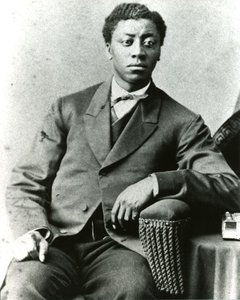
Charles Frederick Douglass
1862 - 1942 , United States of America
Основные сведения
- Artistic Movement Or Style: Documentary photography
- Artists Or Movements Influenced By This Artist: ['Future African-American artists']
- Date Of Birth: 1862
- Date Of Death: 1942
- Full Name: Charles Frederick Douglass
- Nationality: American
- Notable Artworks: ['Metropolitan A.M.E. Church Interior']
- Place Of Birth: Washington, USA