

 Предпросмотр
 Поделиться
 Поделиться
 Детали произведения

 Скачать
 Похожие работы
 Рентгенография
 Слайд-шоу
 Статистика
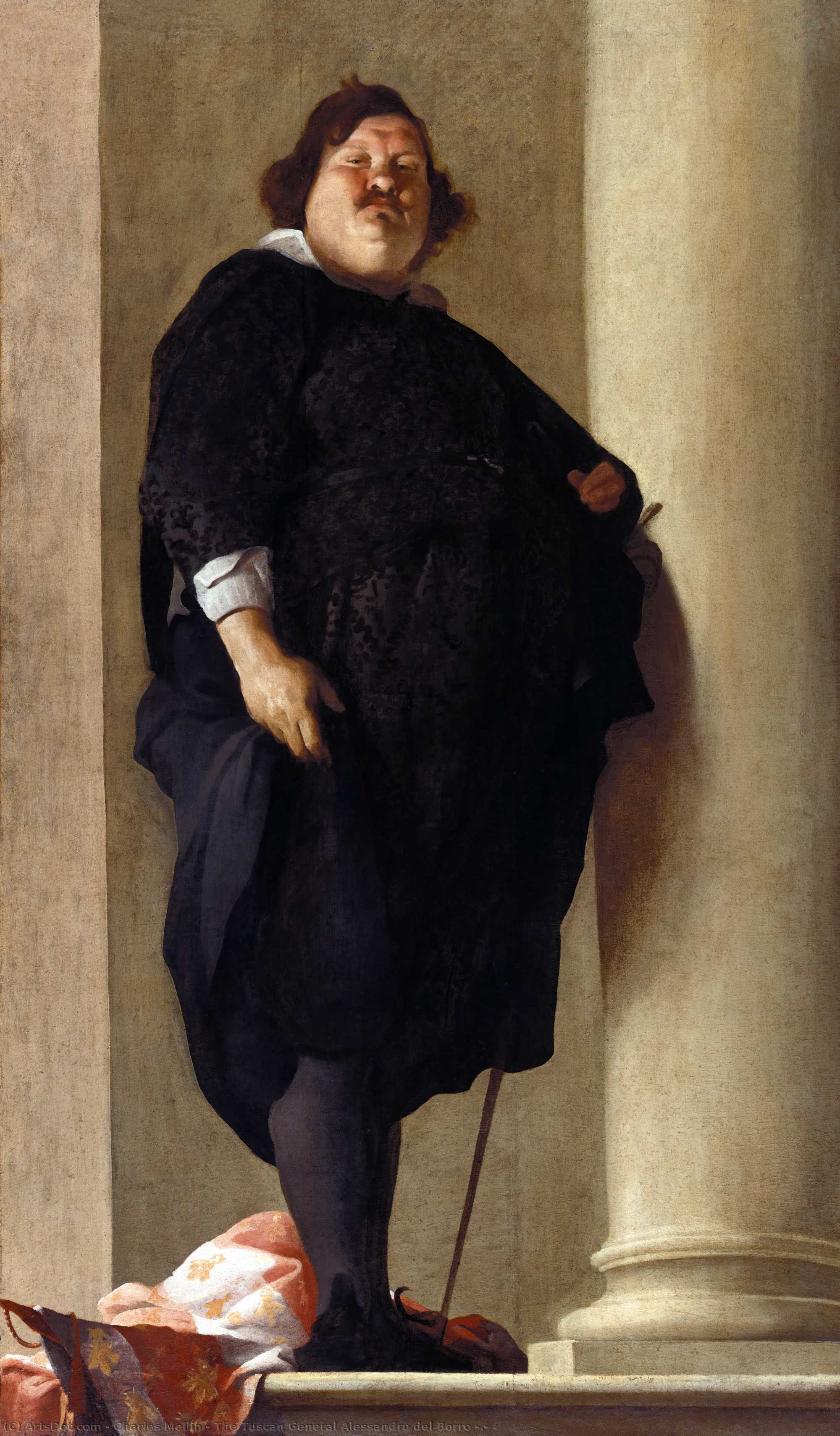
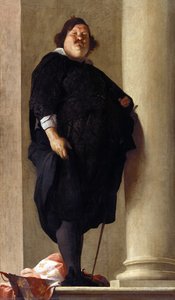
The Tuscan General Alessandro del Borro (.)
 Oil On Canvas
- WallArt
- Baroque Portraiture
 1645
1645 203.0 x 121.0 cm
 Стейтлешские музеи Берлина
 Читать далее
Приобретите цифровое изображение высокого разрешения в улучшенном качестве, которое значительно превосходит онлайн-превью.
Каждый файл тщательно подготавливается нашими специалистами с использованием передовых инструментов и экспертной ручной ретуши. Мы гарантируем исключительную четкость, точную цветопередачу и детальную проработку каждого изображения.
Финальный файл доставляется по электронной почте в течение 72 часов и оптимизирован для немедленного использования в профессиональной среде, при верстке и печати. Это тот же уровень качества, которому доверяют ведущие дизайнерские студии, издательства и галереи.
Цифровое изображение
Скачайте файл высокого разрешения для личного использования, печати и творческих проектов. ( Перейти к печати Купить картину ручной работы)
Включено в каждый заказ цифровых изображений
Гарантия экспертной цифровой доставки
Выбирая ArtsDot.com, вы получаете не просто изображение — вы приобретаете профессионально обработанное цифровое произведение искусства, созданное с безупречной точностью и под защитой гарантии качества. Вот всё, что автоматически входит в ваш заказ:

Мгновенная доставка по e-mail
Ваш цифровой файл в высоком разрешении будет отправлен вам по электронной почте в течение 72 часов после оформления заказа — и сразу станет доступен для использования.

Цифровой файл с ИИ-улучшением
Ваше произведение искусства проходит профессиональную оптимизацию с использованием передовых инструментов ИИ и ручной обработки, что гарантирует максимальную детализацию, четкость и точность цветопередачи.

Бессрочная бесплатная повторная доставка
Случайно удалили или потеряли файл? Не беспокойтесь — мы отправим его вам повторно в любое время и совершенно бесплатно.

Без импортных пошлин — навсегда
Наслаждайтесь вашим произведением искусства мгновенно без таможенных пошлин, сборов или затрат на доставку — цифровые загрузки всегда не облагаются налогом.

Гарантия точности цветопередачи
Мы гарантируем, что ваше цифровое изображение максимально точно передает оригинальные цвета благодаря использованию профессиональных инструментов и систем управления цветом.

Гарантия удовлетворенности 100 дней
Если вы не будете удовлетворены своим цифровым изображением, мы внесем правки или вернем 100% стоимости в течение 100 дней — без лишних вопросов.

100% Гарантия возврата средств
Не удовлетворены покупкой? Получите полный возврат средств в течение 100 дней после получения цифрового файла — без лишних вопросов.

Скидки на оптовые заказы
Купите 3 изображения, сэкономьте 10% — Купите 5, сэкономьте 15% — Купите 10+, сэкономьте 20%. Отличное решение для творческих проектов, галерей и агентств.
The Tuscan General Alessandro del Borro: A Portrait of Robustness and Renaissance Dignity
Charles Mellin’s “The Tuscan General Alessandro del Borro” is more than just a portrait; it's a quietly revolutionary depiction of the human form, a window into the 17th century’s evolving understanding of beauty and representation. Painted in 1645 during the height of the Baroque period, this oil-on-canvas masterpiece housed within the Staatliche Museen in Berlin immediately captivates with its directness and surprising honesty. The subject, Alessandro del Borro himself – a Tuscan general renowned for his service alongside Mattias de’ Medici – is presented not as an idealized hero, but as a man of substance, embodying both military prowess and a palpable physicality.
Mellin's skill lies in his masterful use of light and shadow, creating a dramatic interplay that draws the viewer into the scene. The general stands before a simple stone pillar, his gaze lowered slightly, suggesting contemplation or perhaps a weighty decision made on the battlefield. His attire – a dark, richly patterned coat, indicative of his rank – is complemented by the warm tones of his thick, ruddy hair and the subtle highlights catching on his double chin and rounded cheeks. This isn’t a striving for youthful perfection; rather, it's an acceptance and celebration of the body in all its fullness. The painting was commissioned by del Borro himself, a man who sought to immortalize not just his military achievements but also his character – a frankness that challenged conventional notions of beauty prevalent at the time.
A Revolutionary Representation: Obesity and Artistic Convention
What makes “The Tuscan General Alessandro del Borro” so significant is its unprecedented portrayal of obesity. In an era where artistic representations often idealized the human form, Mellin’s decision to depict a man with a considerable amount of flesh was remarkably bold. While not entirely unique – earlier examples of robust figures exist – this painting stands out for its directness and lack of shame. It's a moment of visual honesty that predates later explorations of body image in art by centuries, offering a valuable glimpse into the social attitudes surrounding weight and appearance during the Renaissance.
The inclusion of the stone pillar behind del Borro adds another layer of interpretation. Pillars frequently symbolized strength, stability, and authority – qualities fitting for a general. However, its stark simplicity also serves to emphasize the subject’s physicality, grounding him in the material world. The banner at his feet, bearing an emblem likely associated with the Barberini family (a prominent Italian dynasty), further reinforces his status and legacy.
Baroque Technique and Artistic Influence
Mellin's technical prowess is evident in every brushstroke. His use of oil paint allows for a rich, vibrant palette and a remarkable level of detail. The meticulous rendering of del Borro’s features – the texture of his hair, the folds of his clothing, the subtle nuances of light and shadow – demonstrates a deep understanding of anatomy and perspective. The painting's composition is balanced and harmonious, reflecting the principles of Baroque art, which emphasized drama, emotion, and movement.
While Mellin’s style initially leaned towards Mannerism, influenced by artists like Simon Vouet, he evolved into a master of classical elegance, as evidenced in this portrait. The influence of Italian masters such as Lanfranco is also apparent in the dramatic lighting and dynamic poses. The painting's attribution to Mellin highlights his skill as a portrait artist and his ability to capture the essence of his subjects – a testament to his artistic vision and technical mastery.
A Timeless Masterpiece: Symbolism and Enduring Appeal
“The Tuscan General Alessandro del Borro” transcends its historical context, offering a profound meditation on beauty, representation, and the human condition. It’s a painting that invites contemplation, prompting us to consider how we perceive and value different body types. More than just a portrait of a military leader, it's a powerful statement about acceptance, honesty, and the enduring appeal of a subject rendered with both skill and compassion. Its continued presence in the Staatliche Museen collection ensures its legacy as a pivotal work in art history – a reminder that true beauty lies not in idealized perfection but in the richness and complexity of human experience.
Похожие произведения


Биография художника
early life and career
charles mellin, a french painter, was born in nancy, lorraine in 1597. despite his origins, he spent most of his artistic career in italy, earning him the nickname carlo lorenese ("charles the lorrainer"). this moniker reflects the significant influence italian art had on his style.artistic style and influences
mellin's work is characterized by its baroque flair, with a focus on dramatic lighting and intense emotions. his early collaborations with simon vouet showcased a more mannerist approach, but as he matured, his style evolved into a classically elegant yet simple form, likely influenced by lanfranco.notable works and locations
- the tuscan general alessandro del borro (staatliche museen, berlin, germany) - a prime example of mellin's baroque style.
- chapel of the virgin at san luigi dei francesi (rome, italy) - demonstrates his early work in italy.
- abbey of monte cassino (italy) - features a cycle of 15 paintings, unfortunately destroyed during world war ii.
- key dates: - born: 1597, nancy, lorraine - active in italy: from 1622 until his death in 1649
legacy
despite the destruction of some of his notable works, mellin's influence on the baroque period is undeniable. his evolution from a mannerist to a classically elegant style, inspired by italian and parisian schools, has left an indelible mark on art history. explore more about charles mellin on ArtsDot: https://ArtsDot.com/@/charles-mellin read more about charles mellin on wikipedia: https://en.wikipedia.org/wiki/charles_mellin
charles mellin
1597 - 1649 , France