

 Предпросмотр
 Поделиться
 Поделиться
 Детали произведения

 Скачать
 Похожие работы
 Рентгенография
 Слайд-шоу
 Статистика
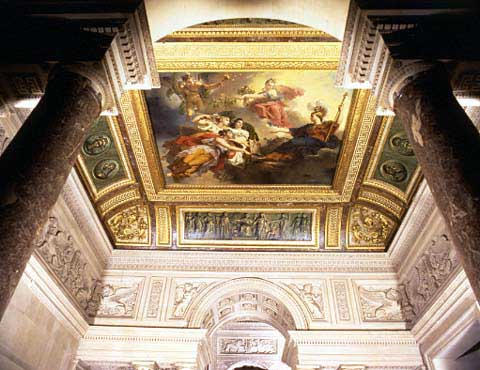
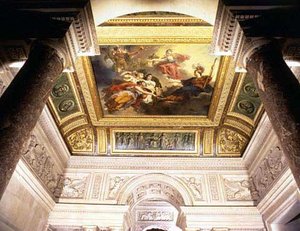
La France, sous les traits de Minerve, protégeant les arts


 Читать далее
Жикле / Арт-принт
Печать (жикле) или холст музейного качества с быстрыми сроками изготовления и широким выбором вариантов отделки. ( Купить картину ручной работы Перейти к цифровым изображениям)




P118B $10

P118H $10

P118W $10

P438Z $10

P508JH $12

P508YH $12

P805H $10

P805Z $10

P919BZ $10

P919G $10

P919XJ $10

P959ZH $10

P968JZ $12

W106C $8

W218G $10

W218JH $8

W218Y $10

W307PJ $10

W316G $10

W316PJ $8

W316Y $10

W398PJ $8

W4111J $10

W500HY $15

W500JH $15

W692G $12

W849H $8

W940BG $15

W953PJ $8




Выберите один из наших стандартных размеров, соответствующих оригинальным пропорциям произведения искусства.

Вы можете указать свои собственные размеры, чтобы репродукция идеально подошла под конкретную раму или пространство. Если выбранный вами размер не будет соответствовать пропорциям оригинала, мы либо обрежем произведение, либо дополним изображение зеркальным отражением краев или однотонной заливкой. Перед началом производства вам будет отправлен цифровой макет для утверждения.
Пожалуйста, обратите внимание, что предварительный просмотр на экране не отображает фактическую обрезку или расширение изображения. Только макет точно покажет финальную композицию.
Несмотря на возможность заказа индивидуальных размеров, мы рекомендуем выбирать размер из предопределенного списка, чтобы сохранить оригинальные пропорции.
Доставка по всему миру () за 2 недели вместо стандартных 4/5 недель. (11 Сентябрь)

Бесплатная экспресс-доставка по всему миру

Высококачественный льняной холст

Полное страхование доставки

Гарантия возмещения таможенных пошлин

Гарантия точного соответствия цветов

100-дневная политика возврата (только при обнаружении дефектов)

Гарантия возврата 100% средств

Предложение оптовых скидок
 Вариант со стеклом доступен только для размеров менее 110 см

La France, sous les traits de Minerve, protégeant les arts
Жикле / Арт-принт
Размер репродукции
-


Итоговая стоимость
$ 62
A Celestial Symphony of Wisdom and Grace
In the grand, hallowed halls of the Musée du Louvre, there exists a masterpiece that does more than merely occupy space; it commands it. Charles Meynier’s 1819 fresco, La France, sous les traits de Minerve, protégeant les arts, is a monumental achievement of the Neoclassical era, acting as a breathtaking window into the soul of a nation seeking stability and rebirth. As one gazes upward at this sweeping composition, the eye is immediately drawn to the apex of a masterful pyramidal structure, where Minerva, the Roman goddess of wisdom and strategic warfare, presides over the scene with divine authority. This is not merely an allegorical painting; it is a profound declaration of cultural resilience, capturing a moment when France sought to protect its intellectual and creative treasures amidst the political tremors of the post-Napoleonic age.
The brilliance of Meynier’s technique lies in his ability to marry dramatic movement with classical restraint. Through the use of a breathtaking interplay between light and shadow, the artist orchestrates a celestial illumination that seems to emanate from within the heavens themselves. This light descends upon a constellation of figures representing the liberal arts—painting, sculpture, music, and literature—each rendered with an idealized grace that defines the Neoclassical spirit. The composition is energized by strong diagonal lines and the flowing drapery of the figures, creating a sense of dynamic progression that prevents the monumental scale from ever feeling static or heavy.
Symbolism and the Spirit of an Era
To understand this work is to decode a language of profound symbolism. By casting France in the guise of Minerva, Meynier offers a sophisticated political metaphor: the idea that true national strength lies in the protection of reason, intellect, and the arts. The fresco is rife with symbolic representations reflecting Enlightenment ideals, where the goddess serves as a shield for the various artistic disciplines that constitute the nation's cultural heritage. This deliberate assertion of values was particularly poignant during the reign of Louis XVIII, serving as an anchor of cultural pride in the turbulent aftermath of Napoleon’s defeat.
The color palette utilized by Meynier is nothing short of majestic, employing rich hues of deep blues, radiant golds, vibrant reds, and soft creams to evoke a sense of luminosity and opulence. Executed in fresco secco—a technique where pigments are applied to dry plaster—the work possesses a durability and vibrancy that has allowed its colors to remain captivating for generations. The architectural setting, with its ornate plasterwork and flanking columns, creates an illusion of immense depth, inviting the viewer to lose themselves in a world where classical myth and national identity become one.
An Inspiration for the Discerning Collector
For the art lover, the collector, or the interior designer, a high-quality reproduction of this fresco offers more than just decoration; it provides a focal point of historical gravity and aesthetic splendor. The sheer scale and complexity of Meynier’s vision make it an ideal centerpiece for grand spaces, such as formal dining rooms, libraries, or sophisticated foyers. It brings with it an atmosphere of intellectual depth and classical elegance, transforming a room into a sanctuary of culture.
Owning a piece that echoes the grandeur of the Louvre allows one to surround themselves with the enduring legacy of the Neoclassical movement. Whether you are seeking to evoke the majesty of French history or simply wish to introduce a sense of divine wisdom and grace into your interior design, this work stands as a timeless testament to the beauty of human creativity and the eternal protection of the arts.
Похожие произведения


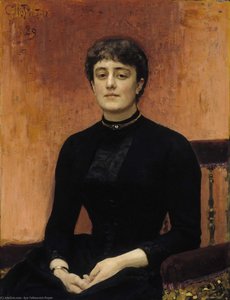
Биография художника
early life and training
charles meynier, a prominent figure in the neoclassical art movement, was born in paris on november 24, 1768. initially destined for a career as a tailor by his family, meynier's inclination towards the arts led him to apprentice under pierre-philippe choffard, a renowned engraver and artist. this early training laid the groundwork for his future success.rise to prominence
meynier's breakthrough came in 1789 when, as a student of françois-andré vincent, he won the second prize in the prix de rome competition. this achievement granted him membership in the académie de france in rome, further solidifying his artistic credentials.notable works and commissions
- marshal ney and the soldiers of the 76th regiment retrieving their flags from the arsenal of inspruck, a piece that garnered significant praise at the paris salon in 1808.
- a series of drawings for bas-reliefs and sculptures to ornament the arc de triomphe du carrousel, paris, showcasing his versatility and skill.
legacy and remembrance
charles meynier passed away in paris on september 6, 1832, leaving behind a legacy of neoclassical masterpieces that continue to inspire. his work can be found in various collections, including those at https://ArtsDot.com, offering a glimpse into the artistic genius of this period. selected works at ArtsDot:- france triumphant encouraging the sciences and the arts, a painting that marked the beginning of his illustrious career.
- milo of croton, showcasing his mastery of neoclassical subjects, currently on display at the montreal museum of fine arts.
Charles Meynier
1768 - 1832
Основные сведения
- Artistic Movement Or Style: Neoclassical
- Artists Or Movements Influenced By This Artist: ['James Pradier']
- Artists Who Influenced This Artist:
- Pierre-Philippe Choffard
- François-André Vincent
- Date Of Birth: November 24, 1768
- Date Of Death: September 6, 1832
- Full Name: Charles Meynier
- Nationality: French
- Notable Artworks:
- Napoleon in Berlin
- Milo of Croton
- Marshal Ney...
- France Triumphant...
- Place Of Birth: Paris, France
Похожие статьи

The Enduring Legacy of Fresco: Technique, History & Artistic Expression Across Cultures
Explore the rich history & enduring legacy of fresco painting! Discover ancient techniques, Giotto's masterpieces, and modern applications. Expert insights for art lovers & professionals.

Фреска как Семейное Наследие: Сохранение Истории в Искусстве Стен
Узнайте о фресках как семейном наследии! История, техника создания, реставрация и сохранение. Экспертные советы и вдохновение для вашего дома. .

The Enduring Legacy of Fresco Painting: Techniques, History & Contemporary Relevance
Explore the rich history & enduring artistry of fresco painting – from Giotto to Michelangelo! Discover techniques, conservation efforts, & modern applications. Learn how ArtsDot brings this timeless art form to your home.
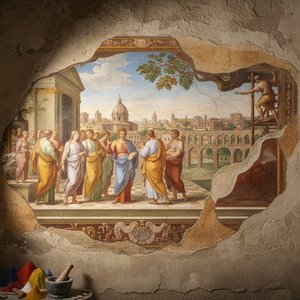
The Enduring Legacy of Fresco: Technique, History & Artistic Expression
Explore the rich history & enduring artistry of fresco painting. Discover techniques from Giotto to Michelangelo, conservation efforts, & modern applications. Learn how ArtsDot brings this timeless art form to your home.

Искусство, живущее с вами: эмоциональная сила индивидуальной интерьерной фрески
Узнайте о фресках в интерьере: история, технологии, выбор и уход. Создайте уникальный дизайн с экспертами! Качество и индивидуальный подход гарантированы.