 Предпросмотр
 Поделиться
 Поделиться
 Детали произведения

 Скачать
 Похожие работы
 Рентгенография
 Слайд-шоу
 Статистика
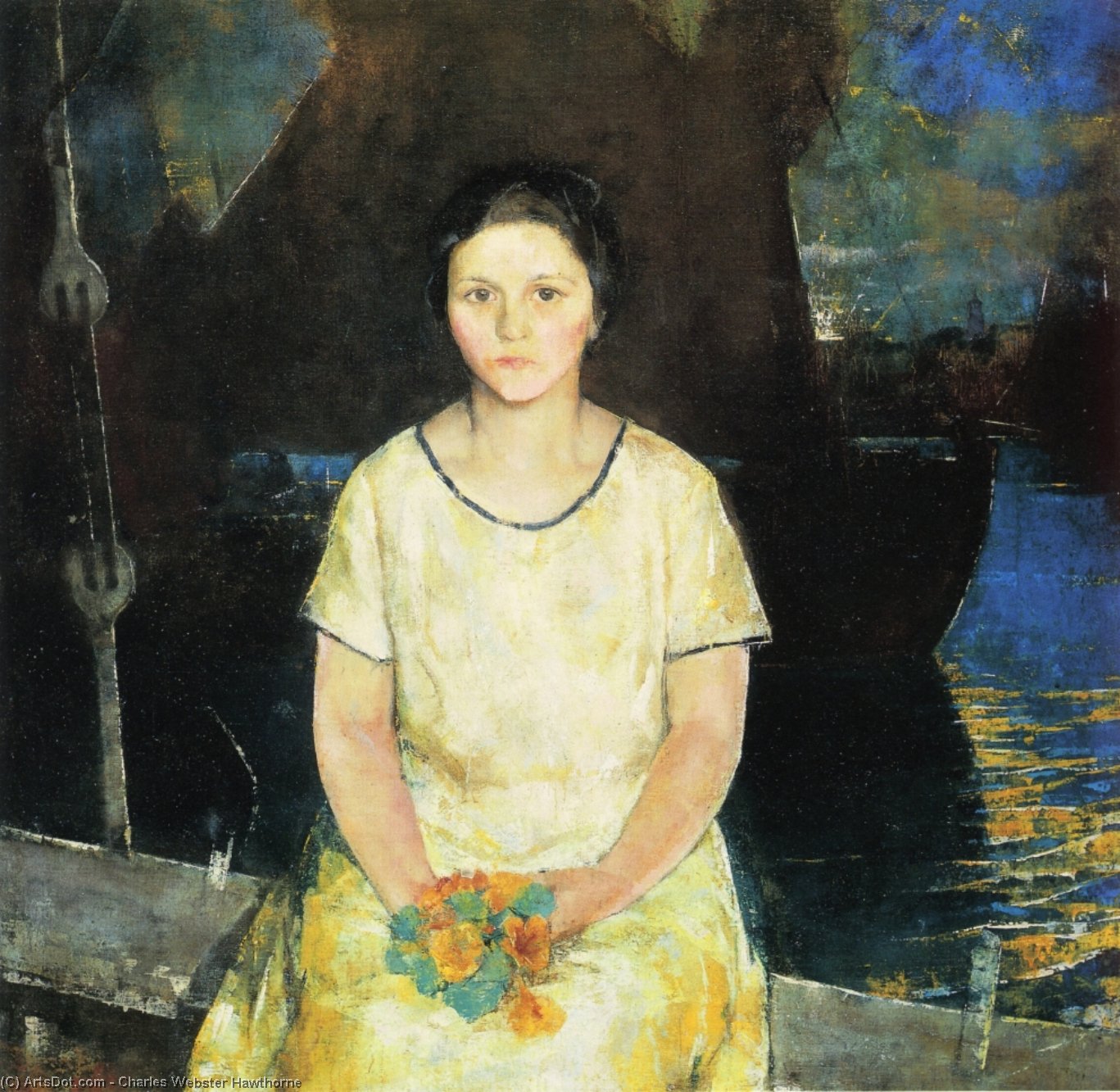
The Fisherman's Daughter


 Читать далее
Масляная репродукция ручной работы
Картина маслом на холсте в выбранном вами размере и раме, написанная на заказ нашими художниками. ( Перейти к печати Перейти к цифровым изображениям)




P118B $10

P118H $10

P118W $10

P438Z $10

P508JH $12

P508YH $12

P805H $10

P805Z $10

P919BZ $10

P919G $10

P919XJ $10

P959ZH $10

P968JZ $12

W106C $8

W218G $10

W218JH $8

W218Y $10

W307PJ $10

W316G $10

W316PJ $8

W316Y $10

W398PJ $8

W4111J $10

W500HY $15

W500JH $15

W692G $12

W849H $8

W940BG $15

W953PJ $8




Выберите один из наших стандартных размеров, соответствующих оригинальным пропорциям произведения искусства.

Вы можете указать собственные размеры, чтобы картина идеально вписалась в выбранную раму или пространство. Если выбранный вами размер не соответствует пропорциям оригинала, мы либо обрежем полотно, либо расширим его за счет дополнительных элементов, написанных вручную. Цифровой макет будет отправлен вам на утверждение перед началом производства.
Обратите внимание, что предварительный просмотр на экране не отражает фактическую обрезку или расширение. Только макет точно покажет окончательную композицию.
Хотя доступны индивидуальные размеры, мы рекомендуем выбирать вариант из предопределенного списка, чтобы сохранить исходные пропорции.
После оформления заказа команда ArtsDot.com свяжется с клиентом по электронной почте для уточнения деталей и предоставит предварительный макет
Доставка по всему миру () за 3–4 недели вместо стандартных 5 недель. (10 Сентябрь). Без компромиссов в качестве.

Бесплатная экспресс-доставка по всему миру

Высококачественный льняной холст

Полное страхование доставки

Гарантия возмещения таможенных пошлин

Гарантия точного соответствия цветов

100-дневная политика возврата (только при обнаружении дефектов)

Гарантия возврата 100% средств

Предложение оптовых скидок
 Вариант со стеклом доступен только для размеров менее 110 см

The Fisherman's Daughter
Техника репродукции
Размер репродукции
-


Итоговая стоимость
$ 263
A Serenade on the Water: Exploring The Fisherman's Daughter
To gaze upon Charles Webster Hawthorne’s The Fisherman's Daughter is to be instantly transported to a moment suspended in time, where the gentle rhythm of the tide meets the quiet dignity of human grace. Painted in 1912, this oil on canvas captures more than just a scene; it encapsulates a mood—a luminous blend of coastal serenity and feminine elegance. The subject itself is captivating: a young woman seated upon the edge of a boat, framed by an abundance of beautiful, blooming flowers. Her posture suggests a moment of quiet contemplation, as if she has paused her day's activities to simply absorb the beauty surrounding her.
Mastery of Light and Impressionistic Brushwork
Hawthorne’s technique here is a masterful homage to the capturing of light itself. While his style possesses the bold strokes characteristic of late Impressionism, there is an underlying Luminist glow that speaks directly to his New England roots. Observe how the sunlight seems to filter across the water and illuminate the delicate folds of her attire. The artist does not merely paint objects; he paints the quality of light falling upon them. This attention to atmospheric effect gives the entire composition a breathtaking depth, drawing the viewer's eye from the foreground flowers to the distant sails.
Symbolism of Place and Passage
The setting is rich with symbolic resonance. The boat itself, with its visible sail and the other vessels dotting the background, speaks to themes of journey, passage, and life’s ongoing voyage. Yet, this movement is anchored by the woman and the flowers she cradles near her chest. These blossoms are potent symbols—of fleeting beauty, burgeoning life, and perhaps a tender secret held close. Her elegant outfit, complete with its distinct collar and necklace, suggests a refinement that contrasts beautifully with the rugged, natural backdrop of the sea, hinting at the delicate balance between civilization and nature.
An Emotional Echo for the Modern Collector
For the art lover or designer seeking to infuse a space with soulful depth, The Fisherman's Daughter offers profound emotional resonance. It is an image that whispers tales of quiet moments—of waiting, of beauty appreciated in stillness, and of the enduring connection between humanity and the natural world. Owning a high-quality reproduction allows one to bring this captured light and serene narrative into your own home or gallery. It serves not just as decoration, but as a daily meditation on grace, depth, and the breathtaking poetry found at the water's edge.
Похожие произведения
Биография художника
Charles Webster Hawthorne: A Luminist of the New England Coast
Charles Webster Hawthorne, born in Lodi, Illinois, on January 8, 1872, represents a pivotal moment in American art—a bridge between the formal training of the late nineteenth century and the burgeoning spirit of artistic independence that would define the early twentieth. Though his formative years unfolded amidst the rolling fields of the Midwest, it was the rugged, windswept coastline of Maine—to which his parents relocated shortly after his birth—that irrevocably shaped his artistic vision, imbuing his work with a profound connection to the sea and its inherent drama. This intimate relationship with the ocean, nurtured through childhood experiences witnessing his father’s life as a ship captain and ice farmer, became a recurring motif throughout his career, informing not only the subject matter of his paintings but also the very essence of his artistic sensibility—a luminous quality that would come to characterize his distinctive style. Hawthorne's journey toward becoming a celebrated portraitist and genre painter was one of dedicated study, unwavering commitment to capturing the fleeting effects of light and form, and an innovative approach to art education that left an enduring legacy on American painting. Initially pursuing formal training in New York City, balancing the demands of work as an office boy with evening classes at the Art Students League under George de Forest Brush and H. Siddons Mowbray, followed by studies at the National Academy of Design, Hawthorne’s artistic development was profoundly influenced by his exposure to William Merritt Chase—first as a student and then as an assistant at Shinnecock Hills. This mentorship proved transformative, instilling in him a deep appreciation for plein air painting and the expressive potential of brushwork, shaping his approach to capturing the vibrant energy of the New England coast.The Cape Cod School and a Philosophy of Painting
Recognizing a critical need for a dedicated space where artists could immerse themselves in direct observation of nature—a sanctuary free from the constraints of rigid academic tradition—Hawthorne founded the Cape Cod School of Art in Provincetown, Massachusetts, in 1899. This ambitious undertaking quickly evolved into more than just an art school; it became a vibrant artistic community, attracting a diverse group of painters, sculptors, and writers drawn to the picturesque beauty of the region and Hawthorne’s unconventional approach to teaching. The school's location in Provincetown—a small fishing village still recovering from the devastation of the 1898 Portland Gale—provided an ideal setting for fostering creativity and experimentation. Hawthorne’s pedagogical philosophy was rooted in a profound respect for direct observation, emphasizing the importance of capturing the immediacy of experience through careful study of light, color, and form. He eschewed rigid techniques and prescribed methods, instead encouraging his students to develop their own individual voices—to “go out like a savage,” as he famously urged them, embracing a fresh, uninhibited approach to painting that prioritized intuition and personal expression. This emphasis on direct observation and the rejection of traditional academic constraints profoundly influenced the development of American Impressionism in the early 20th century. The Cape Cod School of Art flourished under Hawthorne’s guidance for over three decades, leaving an indelible mark on the artistic landscape of New England and shaping a generation of artists who valued spontaneity, emotional resonance, and a deep connection to the natural world.Capturing Light and Life: Themes and Techniques
Hawthorne's paintings are immediately recognizable for their luminous color palettes and masterful handling of light—a hallmark of Luminism, a style that sought to capture the subtle nuances of atmospheric effects. He frequently depicted scenes from the seaside around Provincetown, portraying fishermen hauling in their nets, families enjoying picnics on the beach, and the rugged beauty of the coastline with remarkable sensitivity and detail. His portraits, particularly those depicting local residents—fishermen, shopkeepers, and ordinary people—stand out for their psychological depth and expressive brushwork. Hawthorne wasn’t interested in merely replicating appearances; he sought to capture the essence of his subjects—their personalities, their stories, and their connection to the world around them. He achieved this through meticulous observation of light and shadow, using tonal variations to model form and create a sense of volume and atmosphere. His technique often involved applying paint with broad, confident strokes, allowing the texture of the canvas to contribute to the overall effect—a deliberate departure from the smooth, polished surfaces favored by academic painters. Influenced by both William Merritt Chase’s Munich School training and the techniques of Dutch masters like Frans Hals, Hawthorne blended these diverse influences into a uniquely American style characterized by its vibrant colors, dynamic brushwork, and emotional intensity. His paintings are not simply representations of reality; they are imbued with a sense of life—a palpable energy that captures the spirit of New England coastal life.Notable Works and Historical Significance
Throughout his career, Hawthorne produced a remarkable body of work encompassing portraits, landscapes, and genre scenes. Among his most celebrated paintings are *His First Voyage* (1903), a poignant depiction of a young boy embarking on his first fishing trip—a symbol of youthful potential and the promise of the future; *The Red Dress* (1906), a striking portrait capturing the vibrant energy of a local woman in a scarlet dress; and *Early Moonrise* (1928), a luminous landscape that embodies the ethereal beauty of the Maine coast. These works, along with many others, are now held in prestigious collections across the United States—including the Art Institute of Chicago, the Metropolitan Museum of Art in New York, and the Smithsonian American Art Museum in Washington D.C.—testifying to Hawthorne’s enduring artistic legacy. Beyond his individual achievements, Hawthorne played a crucial role in shaping the development of American art education, establishing the Cape Cod School of Art as a model for alternative artistic training—a space where artists could pursue their own creative visions without being constrained by traditional academic dogma. His influence extended far beyond Provincetown, inspiring countless artists to embrace direct observation, emotional expression, and a deep connection to the natural world. Charles Webster Hawthorne died in Baltimore, Maryland, on November 29, 1930, leaving behind a rich artistic legacy that continues to inspire and captivate audiences today.- Born: January 8, 1872, Lodi, Illinois
- Founded Cape Cod School of Art: 1899
- Died: November 29, 1930, Baltimore, Maryland
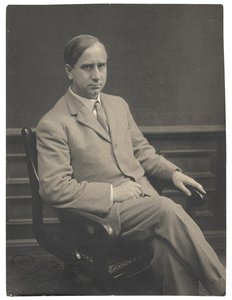
Чарльз Вебер Хавроне
1872 - 1930 , США
Основные сведения
- Artistic Movement Or Style: Импрессионизм, лунимизм
- Artists Or Movements Influenced By This Artist: ['Норман Рокифелль']
- Artists Who Influenced This Artist: ['Уильям Мёррит Чейз']
- Date Of Birth: 8 января 1872 г.
- Date Of Death: 29 ноября 1930 г.
- Full Name: Charles Webster Hawthorne
- Nationality: Американский
- Notable Artworks:
- Первое путешествие
- Красное платье
- Place Of Birth: Лодо, США
Похожие статьи
Топ-25 шедевров Ренуара: искусство, история и вдохновение для интерьера
Погрузитесь в мир Ренуара! 🎨 Откройте топ-25 шедевров импрессионизма, историю создания картин и вдохновляющую красоту. Купите репродукции высокого качества для вашего интерьера на ArtsDot.com – музейное искусство онлайн!

The Enduring Power of Painting: A Historical & Contemporary Exploration of Form and Emotion
Explore the rich history & enduring techniques of oil painting with ArtsDot. Discover masterpieces, learn about art collecting, and find authentic handmade reproductions crafted by skilled artists.

The Enduring Legacy of Oil on Canvas: Technique, History & Aesthetic Impact
Explore the rich history & techniques of oil painting – from Renaissance masters to Impressionism. Discover pigments, layering methods, and why this timeless medium endures. Expert insights for artists & art enthusiasts.

Oil on Canvas: A Historical & Technical Exploration of a Timeless Artistic Medium
Explore the rich history & enduring techniques of oil painting on canvas. Discover the science behind its longevity, conservation practices, and contemporary relevance. Expert insights for art enthusiasts.
Топ-10 шедевров искусства о лодках: история, художники и декор для дома
Откройте для себя 10 величайших шедевров искусства о лодках! Узнайте истории Ван Гога, Моне и других художников. Репродукции картин высокого качества для вашего интерьера на ArtsDot.com.