 Предпросмотр
 Поделиться
 Поделиться
 Детали произведения

 Скачать
 Похожие работы
 Рентгенография
 Слайд-шоу
 Статистика
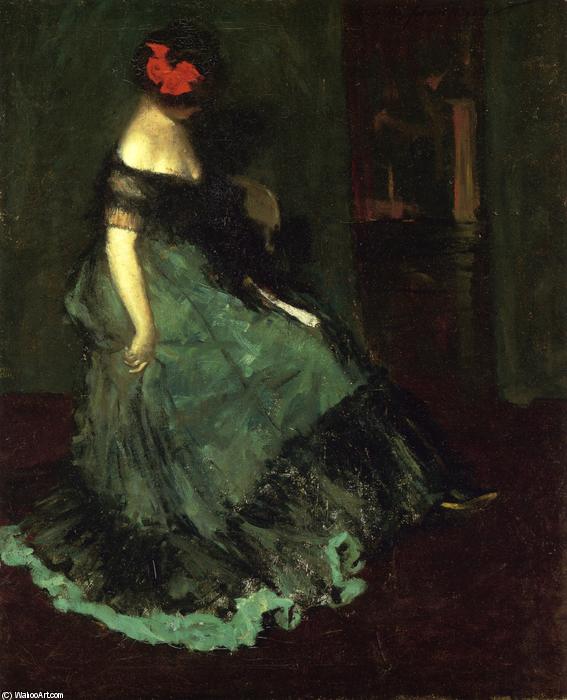
The Red Bow


 Читать далее
Жикле / Арт-принт
Печать (жикле) или холст музейного качества с быстрыми сроками изготовления и широким выбором вариантов отделки. ( Купить картину ручной работы Перейти к цифровым изображениям)




P118B $10

P118H $10

P118W $10

P438Z $10

P508JH $12

P508YH $12

P805H $10

P805Z $10

P919BZ $10

P919G $10

P919XJ $10

P959ZH $10

P968JZ $12

W106C $8

W218G $10

W218JH $8

W218Y $10

W307PJ $10

W316G $10

W316PJ $8

W316Y $10

W398PJ $8

W4111J $10

W500HY $15

W500JH $15

W692G $12

W849H $8

W940BG $15

W953PJ $8




Выберите один из наших стандартных размеров, соответствующих оригинальным пропорциям произведения искусства.

Вы можете указать свои собственные размеры, чтобы репродукция идеально подошла под конкретную раму или пространство. Если выбранный вами размер не будет соответствовать пропорциям оригинала, мы либо обрежем произведение, либо дополним изображение зеркальным отражением краев или однотонной заливкой. Перед началом производства вам будет отправлен цифровой макет для утверждения.
Пожалуйста, обратите внимание, что предварительный просмотр на экране не отображает фактическую обрезку или расширение изображения. Только макет точно покажет финальную композицию.
Несмотря на возможность заказа индивидуальных размеров, мы рекомендуем выбирать размер из предопределенного списка, чтобы сохранить оригинальные пропорции.
Доставка по всему миру () за 2 недели вместо стандартных 4/5 недель. (11 Сентябрь)

Бесплатная экспресс-доставка по всему миру

Высококачественный льняной холст

Полное страхование доставки

Гарантия возмещения таможенных пошлин

Гарантия точного соответствия цветов

100-дневная политика возврата (только при обнаружении дефектов)

Гарантия возврата 100% средств

Предложение оптовых скидок
 Вариант со стеклом доступен только для размеров менее 110 см

The Red Bow
Жикле / Арт-принт
Размер репродукции
-


Итоговая стоимость
$ 62
The Enigmatic Beauty of “The Red Bow” by Charles Webster Hawthorne
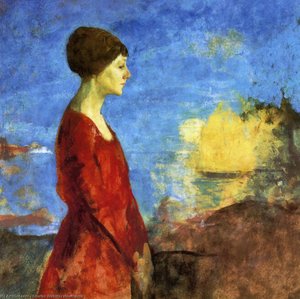
Charles Webster Hawthorne’s “The Red Bow,” painted in 1902, is more than just a portrait; it's a carefully constructed tableau of quiet contemplation and subtle symbolism, deeply rooted in the artist’s profound connection to the rugged beauty of Maine. Hawthorne, a pivotal figure in the Cape Cod School of Art movement, masterfully employs an impressionistic style—a deliberate departure from strict realism—to capture not just the likeness of his subject but also the very essence of her mood and the atmosphere surrounding her. The painting immediately draws the eye with its rich, layered application of oil paint, a hallmark of Hawthorne’s technique, creating a palpable sense of texture that invites close inspection. Thick impasto strokes build up the folds of the woman's dark green dress, while lighter washes define the shadowed doorway and indistinct background, suggesting a room bathed in soft, diffused light—a characteristic feature of his plein air approach to painting.A Portrait Steeped in New England Tradition
Hawthorne’s work is inextricably linked to the traditions of American landscape painting, particularly the Luminist movement, which emphasized capturing the effects of light and atmosphere. However, unlike many Luminists who focused solely on landscapes, Hawthorne brought a distinctly human element into his art. “The Red Bow” exemplifies this fusion, presenting a solitary figure within a domestic setting—a deliberate choice that speaks to the core themes of introspection and quiet dignity prevalent in New England artistic circles at the turn of the 20th century. The subject’s obscured face, partially veiled by a red headscarf, adds an intriguing layer of mystery, prompting viewers to project their own interpretations onto her expression—is she lost in thought, weary from labor, or simply observing the world around her? The painting's composition subtly echoes the traditions of portraiture found in Dutch masters, particularly Rembrandt, with its dramatic use of light and shadow to define form and mood.Technique and Symbolism: A Dance of Color and Texture
Hawthorne’s masterful technique is evident in every brushstroke. He utilizes a limited palette—primarily deep greens, browns, and the vibrant red of the headscarf—to create a harmonious yet emotionally resonant scene. The careful layering of paint, achieved through meticulous blending and building up texture, contributes significantly to the painting's depth and luminosity. Notice how the light catches on the folds of the dress, creating an almost sculptural effect. The use of impasto – applying thick layers of paint directly onto the canvas – not only adds visual interest but also emphasizes the materiality of the artwork itself. Beyond its technical brilliance, “The Red Bow” is laden with symbolic potential. The red headscarf, a striking element against the muted greens and browns, could represent passion, remembrance, or perhaps even a hint of melancholy. The shadowed doorway suggests a transition—a moment of pause between one state of being and another.A Window into Early 20th-Century New England
“The Red Bow” offers a poignant glimpse into the social and artistic landscape of early 20th-century New England. Hawthorne’s association with the Cape Cod School of Art fostered a community dedicated to capturing the beauty of the region's natural world while simultaneously exploring themes of human experience. His work reflects a growing interest in psychological realism—a desire to delve beneath the surface and reveal the inner lives of his subjects. The painting’s quiet intimacy, coupled with its masterful execution, makes it a compelling example of American art at the dawn of a new century. It's a piece that invites contemplation, sparking questions about identity, memory, and the enduring power of visual storytelling. Reproductions of this evocative work can bring a touch of New England’s timeless beauty to any space, offering a subtle yet profound connection to a rich artistic heritage.Похожие произведения

Биография художника
Charles Webster Hawthorne: A Luminist of the New England Coast
Charles Webster Hawthorne, born in Lodi, Illinois, on January 8, 1872, represents a pivotal moment in American art—a bridge between the formal training of the late nineteenth century and the burgeoning spirit of artistic independence that would define the early twentieth. Though his formative years unfolded amidst the rolling fields of the Midwest, it was the rugged, windswept coastline of Maine—to which his parents relocated shortly after his birth—that irrevocably shaped his artistic vision, imbuing his work with a profound connection to the sea and its inherent drama. This intimate relationship with the ocean, nurtured through childhood experiences witnessing his father’s life as a ship captain and ice farmer, became a recurring motif throughout his career, informing not only the subject matter of his paintings but also the very essence of his artistic sensibility—a luminous quality that would come to characterize his distinctive style. Hawthorne's journey toward becoming a celebrated portraitist and genre painter was one of dedicated study, unwavering commitment to capturing the fleeting effects of light and form, and an innovative approach to art education that left an enduring legacy on American painting. Initially pursuing formal training in New York City, balancing the demands of work as an office boy with evening classes at the Art Students League under George de Forest Brush and H. Siddons Mowbray, followed by studies at the National Academy of Design, Hawthorne’s artistic development was profoundly influenced by his exposure to William Merritt Chase—first as a student and then as an assistant at Shinnecock Hills. This mentorship proved transformative, instilling in him a deep appreciation for plein air painting and the expressive potential of brushwork, shaping his approach to capturing the vibrant energy of the New England coast.The Cape Cod School and a Philosophy of Painting
Recognizing a critical need for a dedicated space where artists could immerse themselves in direct observation of nature—a sanctuary free from the constraints of rigid academic tradition—Hawthorne founded the Cape Cod School of Art in Provincetown, Massachusetts, in 1899. This ambitious undertaking quickly evolved into more than just an art school; it became a vibrant artistic community, attracting a diverse group of painters, sculptors, and writers drawn to the picturesque beauty of the region and Hawthorne’s unconventional approach to teaching. The school's location in Provincetown—a small fishing village still recovering from the devastation of the 1898 Portland Gale—provided an ideal setting for fostering creativity and experimentation. Hawthorne’s pedagogical philosophy was rooted in a profound respect for direct observation, emphasizing the importance of capturing the immediacy of experience through careful study of light, color, and form. He eschewed rigid techniques and prescribed methods, instead encouraging his students to develop their own individual voices—to “go out like a savage,” as he famously urged them, embracing a fresh, uninhibited approach to painting that prioritized intuition and personal expression. This emphasis on direct observation and the rejection of traditional academic constraints profoundly influenced the development of American Impressionism in the early 20th century. The Cape Cod School of Art flourished under Hawthorne’s guidance for over three decades, leaving an indelible mark on the artistic landscape of New England and shaping a generation of artists who valued spontaneity, emotional resonance, and a deep connection to the natural world.Capturing Light and Life: Themes and Techniques
Hawthorne's paintings are immediately recognizable for their luminous color palettes and masterful handling of light—a hallmark of Luminism, a style that sought to capture the subtle nuances of atmospheric effects. He frequently depicted scenes from the seaside around Provincetown, portraying fishermen hauling in their nets, families enjoying picnics on the beach, and the rugged beauty of the coastline with remarkable sensitivity and detail. His portraits, particularly those depicting local residents—fishermen, shopkeepers, and ordinary people—stand out for their psychological depth and expressive brushwork. Hawthorne wasn’t interested in merely replicating appearances; he sought to capture the essence of his subjects—their personalities, their stories, and their connection to the world around them. He achieved this through meticulous observation of light and shadow, using tonal variations to model form and create a sense of volume and atmosphere. His technique often involved applying paint with broad, confident strokes, allowing the texture of the canvas to contribute to the overall effect—a deliberate departure from the smooth, polished surfaces favored by academic painters. Influenced by both William Merritt Chase’s Munich School training and the techniques of Dutch masters like Frans Hals, Hawthorne blended these diverse influences into a uniquely American style characterized by its vibrant colors, dynamic brushwork, and emotional intensity. His paintings are not simply representations of reality; they are imbued with a sense of life—a palpable energy that captures the spirit of New England coastal life.Notable Works and Historical Significance
Throughout his career, Hawthorne produced a remarkable body of work encompassing portraits, landscapes, and genre scenes. Among his most celebrated paintings are *His First Voyage* (1903), a poignant depiction of a young boy embarking on his first fishing trip—a symbol of youthful potential and the promise of the future; *The Red Dress* (1906), a striking portrait capturing the vibrant energy of a local woman in a scarlet dress; and *Early Moonrise* (1928), a luminous landscape that embodies the ethereal beauty of the Maine coast. These works, along with many others, are now held in prestigious collections across the United States—including the Art Institute of Chicago, the Metropolitan Museum of Art in New York, and the Smithsonian American Art Museum in Washington D.C.—testifying to Hawthorne’s enduring artistic legacy. Beyond his individual achievements, Hawthorne played a crucial role in shaping the development of American art education, establishing the Cape Cod School of Art as a model for alternative artistic training—a space where artists could pursue their own creative visions without being constrained by traditional academic dogma. His influence extended far beyond Provincetown, inspiring countless artists to embrace direct observation, emotional expression, and a deep connection to the natural world. Charles Webster Hawthorne died in Baltimore, Maryland, on November 29, 1930, leaving behind a rich artistic legacy that continues to inspire and captivate audiences today.- Born: January 8, 1872, Lodi, Illinois
- Founded Cape Cod School of Art: 1899
- Died: November 29, 1930, Baltimore, Maryland
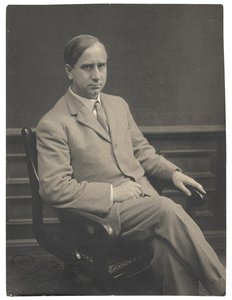
Чарльз Вебер Хавроне
1872 - 1930 , США
Основные сведения
- Artistic Movement Or Style: Импрессионизм, лунимизм
- Artists Or Movements Influenced By This Artist: ['Норман Рокифелль']
- Artists Who Influenced This Artist: ['Уильям Мёррит Чейз']
- Date Of Birth: 8 января 1872 г.
- Date Of Death: 29 ноября 1930 г.
- Full Name: Charles Webster Hawthorne
- Nationality: Американский
- Notable Artworks:
- Первое путешествие
- Красное платье
- Place Of Birth: Лодо, США
Похожие статьи
За пределами света и цвета: Импрессионизм против постимпрессионизма для взыскательного коллекционера
Углубленное исследование импрессионизма и постимпрессионизма для ценителей искусства. Анализ ключевых художников, инвестиционный потенциал и коллекционная ценность шедевров.
Beyond Impressionism: Exploring the Emotional Depth of Post-Impressionist Painting
Explore the profound emotional depth & innovative techniques of Post-Impressionism with ArtsDot. Discover Cézanne, Van Gogh, Gauguin & more – and their lasting impact on modern art.

Crimson Threads of Narrative: Exploring Symbolism & Representation in Artworks Featuring the Red Dress
Explore the rich symbolism of the red dress in art history! From ancient power displays to iconic portraits like Cézanne’s 'Madame Cezanne', discover the cultural and artistic significance behind this captivating color. Expert analysis & insights.

Топ-10 шедевров импрессионизма: искусство мгновения для вашего интерьера
Погрузитесь в мир импрессионизма! Откройте для себя 10 шедевров Моне, Ренуара и других великих мастеров. Узнайте историю создания культовых картин и вдохновитесь для декора интерьера. Репродукции музейного качества на ArtsDot.com.

10 Шедевров Постимпрессионизма, Определивших Эпоху | ArtsDot.com
Погрузитесь в мир постимпрессионизма! Откройте 10 шедевров Ван Гога, Моне, Сезанна и других великих художников. История искусства, техники живописи и вдохновение для вашего интерьера на ArtsDot.com. Изысканные репродукции картин ждут вас!