

 Предпросмотр
 Поделиться
 Поделиться
 Детали произведения

 Скачать
 Похожие работы
 Рентгенография
 Слайд-шоу
 Статистика
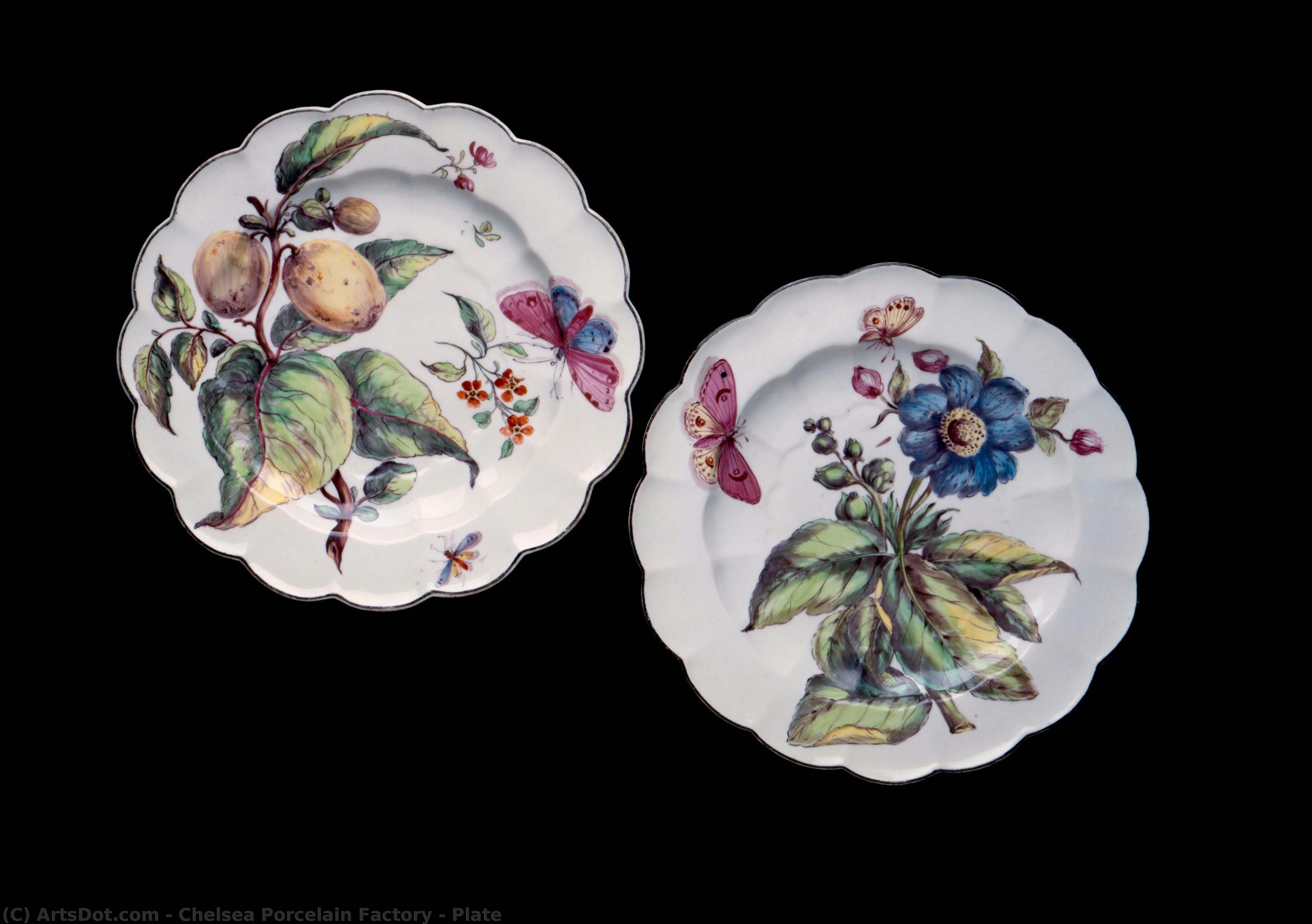
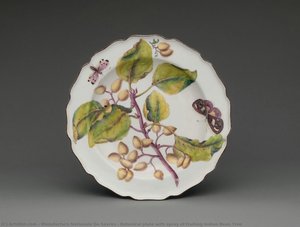
Plate


 Читать далее
Приобретите цифровое изображение высокого разрешения в улучшенном качестве, которое значительно превосходит онлайн-превью.
Каждый файл тщательно подготавливается нашими специалистами с использованием передовых инструментов и экспертной ручной ретуши. Мы гарантируем исключительную четкость, точную цветопередачу и детальную проработку каждого изображения.
Финальный файл доставляется по электронной почте в течение 72 часов и оптимизирован для немедленного использования в профессиональной среде, при верстке и печати. Это тот же уровень качества, которому доверяют ведущие дизайнерские студии, издательства и галереи.
Цифровое изображение
Скачайте файл высокого разрешения для личного использования, печати и творческих проектов. ( Перейти к печати Купить картину ручной работы)
Включено в каждый заказ цифровых изображений
Гарантия экспертной цифровой доставки
Выбирая ArtsDot.com, вы получаете не просто изображение — вы приобретаете профессионально обработанное цифровое произведение искусства, созданное с безупречной точностью и под защитой гарантии качества. Вот всё, что автоматически входит в ваш заказ:

Мгновенная доставка по e-mail
Ваш цифровой файл в высоком разрешении будет отправлен вам по электронной почте в течение 72 часов после оформления заказа — и сразу станет доступен для использования.

Цифровой файл с ИИ-улучшением
Ваше произведение искусства проходит профессиональную оптимизацию с использованием передовых инструментов ИИ и ручной обработки, что гарантирует максимальную детализацию, четкость и точность цветопередачи.

Бессрочная бесплатная повторная доставка
Случайно удалили или потеряли файл? Не беспокойтесь — мы отправим его вам повторно в любое время и совершенно бесплатно.

Без импортных пошлин — навсегда
Наслаждайтесь вашим произведением искусства мгновенно без таможенных пошлин, сборов или затрат на доставку — цифровые загрузки всегда не облагаются налогом.

Гарантия точности цветопередачи
Мы гарантируем, что ваше цифровое изображение максимально точно передает оригинальные цвета благодаря использованию профессиональных инструментов и систем управления цветом.

Гарантия удовлетворенности 100 дней
Если вы не будете удовлетворены своим цифровым изображением, мы внесем правки или вернем 100% стоимости в течение 100 дней — без лишних вопросов.

100% Гарантия возврата средств
Не удовлетворены покупкой? Получите полный возврат средств в течение 100 дней после получения цифрового файла — без лишних вопросов.

Скидки на оптовые заказы
Купите 3 изображения, сэкономьте 10% — Купите 5, сэкономьте 15% — Купите 10+, сэкономьте 20%. Отличное решение для творческих проектов, галерей и агентств.
Похожие произведения
Биография художника
The Delicate World of Chelsea Porcelain
The Chelsea Porcelain Factory, a beacon of English artistry in the 18th century, wasn't born from centuries-old tradition but rather from entrepreneurial vision and a thirst for innovation. Its story begins not with clay and kilns, but with silk weaving. In 1743, Thomas Fairchild and Silas Dufour established a venture on Cheyne Walk, London, producing exquisite silk fabrics. However, recognizing the growing public fascination with porcelain – particularly the imported wares from Meissen and Sèvres – they boldly shifted their focus. They acquired land and began experimenting with the elusive art of creating hard-paste porcelain, a process demanding immense skill and secrecy. This transition marked the birth of England’s first significant porcelain manufactory. The early years were fraught with challenges; replicating the continental techniques proved difficult, and initial products bore the marks of experimentation. Yet, Fairchild and Dufour persevered, driven by a desire to establish an English identity in this luxurious field.Early Innovations and Royal Patronage
The factory’s early output, dating from around 1745, was characterized by its delicate forms and charming, if somewhat naive, decoration. Figures of naturalistic flowers, birds, and animals were particularly popular, often adorned with vibrant enamel colors. These pieces, though initially imitative of continental styles, quickly developed a distinctive English character – lighter in weight, more graceful in form, and imbued with a sense of playful elegance. A pivotal moment arrived in 1756 when Nicholas Crisp took over the lease of the factory. Crisp, a goldsmith by trade, brought both financial stability and a refined aesthetic sensibility to the enterprise. He secured crucial royal patronage from Queen Charlotte, who became a devoted collector of Chelsea porcelain, further elevating its status and prestige. Under Crisp’s direction, the factory flourished, producing increasingly sophisticated wares that rivaled those of its European counterparts. The introduction of new molds, innovative firing techniques, and a growing mastery of enamel painting allowed for greater artistic freedom and complexity.The Golden Age: Sculptural Excellence
The period between 1760 and 1784 represents the golden age of Chelsea porcelain. This era witnessed an extraordinary flowering of sculptural talent, with figures becoming increasingly naturalistic, expressive, and emotionally engaging. The factory employed a team of highly skilled modelers, including Joseph Willems, who were responsible for creating the iconic forms that define Chelsea’s legacy. These sculptors drew inspiration from classical mythology, allegorical subjects, and contemporary life, producing a diverse range of figures depicting everything from shepherdesses and musicians to gods and goddesses. The factory also became renowned for its exquisite scent bottles, often shaped as shells or flowers, and its charming table ornaments. A hallmark of Chelsea porcelain during this period was the use of raised gilding, which added a touch of opulence and refinement to the decoration. The quality of the enamel painting reached new heights, with artists employing delicate brushstrokes and subtle color gradations to create lifelike effects.Decline and Legacy
Despite its artistic triumphs, the Chelsea Porcelain Factory faced increasing economic challenges in the late 18th century. Competition from rival manufacturers, rising material costs, and changing consumer tastes all contributed to its decline. In 1784, Nicholas Crisp sold the factory to William Dueshury, who transferred production to his Longton Hall manufactory. While some Chelsea molds and designs were continued at Longton Hall, the distinctive character of Chelsea porcelain was gradually lost. The factory on Cheyne Walk closed in 1809, marking the end of an era. However, the legacy of Chelsea Porcelain Factory endured. Its exquisite wares became highly sought after by collectors, and its influence can be seen in the work of subsequent English porcelain manufacturers. Today, Chelsea porcelain remains a testament to the artistry, innovation, and entrepreneurial spirit of 18th-century England – a delicate echo of a golden age.Collecting Chelsea Porcelain
- Figures: The most highly prized pieces are the sculptural figures, particularly those from the Crisp period (1756-1784). Look for examples with expressive faces, graceful poses, and intricate details.
- Scent Bottles: Chelsea scent bottles, often shaped as shells or flowers, are highly collectible. Their delicate forms and exquisite enamel painting make them particularly appealing.
- Table Ornaments: Charming table ornaments, such as spill vases and sweetmeat stands, offer a glimpse into the domestic life of 18th-century England.
- Marks & Periods: Identifying Chelsea porcelain can be challenging. Early pieces often lack clear marks. The “Red Anchor” mark (circa 1745-1760) is common, as are variations with numbers and incised symbols. Crisp period pieces frequently bear the “Chelsea” or “N.C.” mark.
- Provenance: Pieces with a documented history of ownership – particularly those associated with royal collections – command higher prices.
Основные сведения
- Artistic Movement Or Style: Rococo, Neoclassical
- Date Of Death: Living
- Full Name: Chelsea Porcelain Factory