

 Предпросмотр
 Поделиться
 Поделиться
 Детали произведения

 Скачать
 Похожие работы
 Рентгенография
 Слайд-шоу
 Статистика
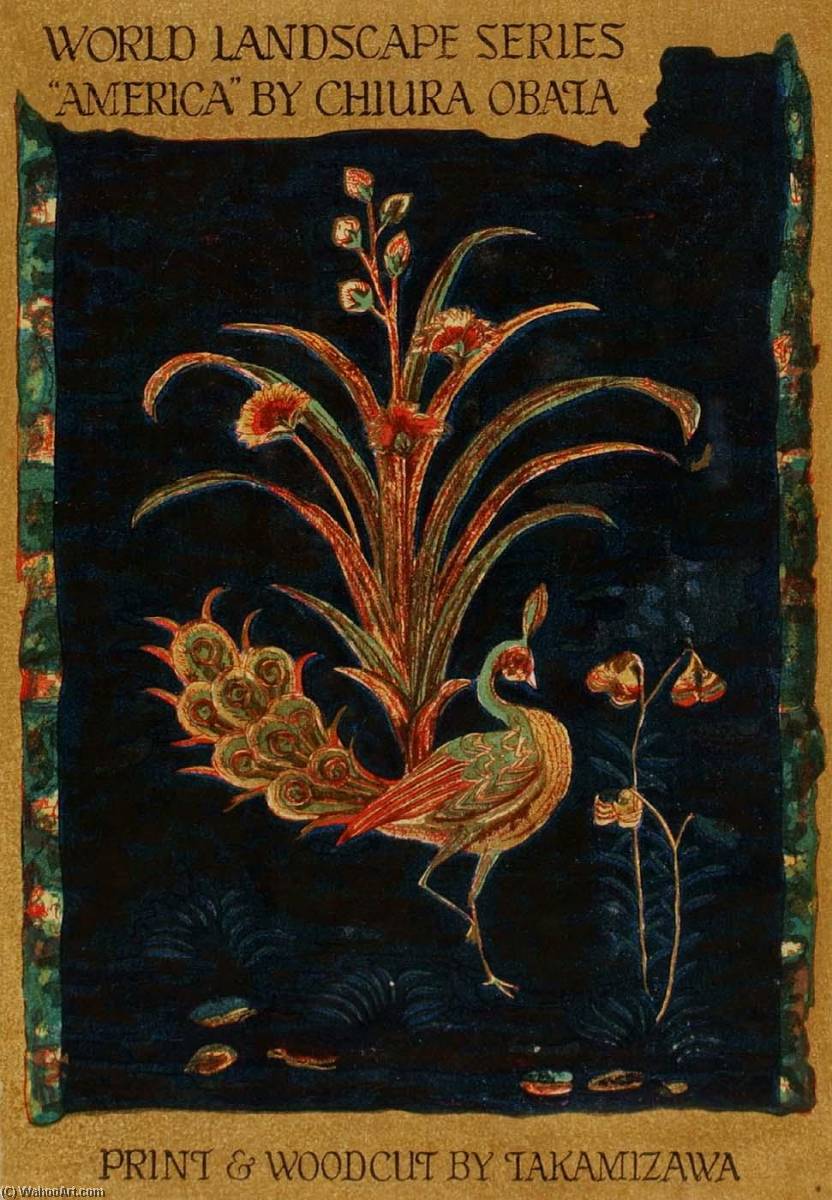
Untitled print sleeve with woodblock print


 Читать далее
Масляная репродукция ручной работы
Картина маслом на холсте в выбранном вами размере и раме, написанная на заказ нашими художниками. ( Перейти к печати Перейти к цифровым изображениям)




































Выберите один из наших стандартных размеров, соответствующих оригинальным пропорциям произведения искусства.

Вы можете указать собственные размеры, чтобы картина идеально вписалась в выбранную раму или пространство. Если выбранный вами размер не соответствует пропорциям оригинала, мы либо обрежем полотно, либо расширим его за счет дополнительных элементов, написанных вручную. Цифровой макет будет отправлен вам на утверждение перед началом производства.
Обратите внимание, что предварительный просмотр на экране не отражает фактическую обрезку или расширение. Только макет точно покажет окончательную композицию.
Хотя доступны индивидуальные размеры, мы рекомендуем выбирать вариант из предопределенного списка, чтобы сохранить исходные пропорции.
После оформления заказа команда ArtsDot.com свяжется с клиентом по электронной почте для уточнения деталей и предоставит предварительный макет
Доставка по всему миру () за 3–4 недели вместо стандартных 5 недель. (13 Сентябрь). Без компромиссов в качестве.

Бесплатная экспресс-доставка по всему миру

Высококачественный льняной холст

Полное страхование доставки

Гарантия возмещения таможенных пошлин

Гарантия точного соответствия цветов

100-дневная политика возврата (только при обнаружении дефектов)

Гарантия возврата 100% средств

Предложение оптовых скидок
 Вариант со стеклом доступен только для размеров менее 110 см

Untitled print sleeve with woodblock print
Техника репродукции
Размер репродукции
-


Итоговая стоимость
$ 263
The Artist's Vision
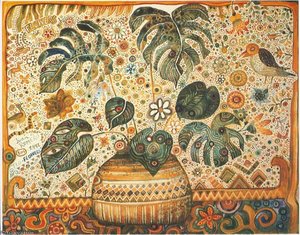
Chiura Obata was a Japanese-American artist known for his breathtaking landscapes and intricate woodblock prints. His work often featured natural motifs, such as birds, trees, and mountains, which were meticulously crafted to evoke a sense of serenity and wonder. The "Untitled Print Sleeve with Woodblock Print" is no exception, as it presents a stunning image of a bird perched on a branch, set against a stark black background. This colorful design is a hallmark of Obata's style, which continues to inspire artists and art enthusiasts alike.Technique and Significance
The woodblock printing technique employed by Obata requires great skill and patience. Each print is carefully crafted using multiple blocks, with some designs necessitating up to 205 separate hand printings. This labor-intensive process results in a truly unique and exquisite piece of art. The "Untitled Print Sleeve with Woodblock Print" is a prime example of Obata's mastery of this technique, showcasing his ability to balance intricate details with bold, vibrant colors.- View more of Chiura Obata's works on ArtsDot.com
- Discover the Smithsonian American Art Museum's extensive collection of American art, including works by Chiura Obata, on ArtsDot.com
The "Untitled Print Sleeve with Woodblock Print" by Chiura Obata is a remarkable example of artistic innovation and technical mastery, solidifying its place as a treasured work in the world of art.
Похожие произведения
Биография художника
Chiura Obata: A Life Bridging Worlds
Chiura Obata’s journey was one of remarkable resilience and artistic synthesis, a testament to the power of cultural exchange and the enduring spirit of creativity even in the face of adversity. Born Zoroku Sato in 1885 in Okayama Prefecture, Japan, his early life was steeped in tradition. At the age of seven, he was adopted by his older brother, Rokuichi, an artist himself, initiating a formal artistic education in the delicate art of sumi-e – Japanese ink painting. This foundational training instilled within him not just technical skill but also a deep reverence for nature and a philosophical approach to art that would permeate his entire career. Though initially steered towards a military path by his brother, Obata’s spirit yearned for artistic freedom, leading him at fourteen to leave home and pursue studies in Tokyo under masters like Tanryo Murata, Kogyo Terasaki, and Gaho Hashimoto. These years were crucial, exposing him not only to the nuances of Japanese aesthetics but also to burgeoning Western influences that would later shape his unique style. In 1903, a young Obata embarked on a new chapter, immigrating to the United States with aspirations of studying American art before continuing his journey in Europe – a path that ultimately led him to settle and flourish in San Francisco.Early Life and Artistic Foundations
Obata’s formative years were marked by a profound engagement with Japanese artistic traditions. From the age of five, he received instruction in sumi-e from Rokuichi Sato, his adoptive brother, establishing a lifelong connection to this revered technique—a cornerstone of Zen Buddhism and deeply rooted in observation and contemplation. This early training instilled within him not merely technical proficiency but also an unwavering appreciation for the natural world and its inherent beauty. Recognizing Obata’s innate talent, Rokuichi encouraged him to pursue formal artistic studies at Tokyo School of Art (later Nihon Bijutsuin), where he honed his skills under influential masters like Tanryo Murata, Kogyo Terasaki, and Gaho Hashimoto—artists who championed both Eastern and Western approaches to art. These mentors instilled in Obata a belief that art could illuminate the human condition and foster understanding across cultures.The Influence of Yosemite and Artistic Transformation
A pivotal moment arrived in 1927 when Obata undertook a sketching tour of Yosemite National Park—a journey that would irrevocably alter his artistic trajectory. The grandeur of the Sierra Nevada mountains captivated him, inspiring a lifelong devotion to capturing their majesty on canvas and woodblock. This experience profoundly impacted Obata’s worldview, fostering a conviction that art could serve as a conduit for experiencing the sublime—the awe-inspiring beauty of nature that transcends rational comprehension. He meticulously documented Yosemite's vistas in pencil, watercolor, and sumi ink, producing approximately one hundred works during his six-week expedition—a testament to his ability to synthesize Eastern artistic principles with Western observational techniques.The World Landscape Series: A Synthesis of Tradition and Innovation
Following the inspiration gleaned from Yosemite, Obata embarked on a monumental undertaking: the creation of the “World Landscape Series,” consisting of thirty-five exquisitely detailed colored woodblock prints depicting Californian landscapes—primarily Yosemite National Park. Collaborating with thirty-two skilled wood carvers and eighteen printers at Takamizawa Print Works over an eighteen-month period beginning in 1928, Obata achieved unparalleled levels of artistic precision—capturing the subtle nuances of light and shadow with astonishing fidelity. Each print embodies Obata’s belief that art could communicate profound truths about the natural world and human experience—a fusion of Japanese sumi ink painting techniques with Western color printing methods.Internment and Artistic Resilience During Wartime
The outbreak of World War II dramatically reshaped Obata’s life, triggering his involuntary relocation to Topaz Relocation Center in Utah—one of numerous camps established by the U.S. government for Japanese Americans during the conflict. Despite facing immense hardship and displacement, Obata demonstrated extraordinary fortitude—establishing an art school within the camp and instructing over ninety students weekly—a defiant assertion of cultural identity and artistic expression amidst oppressive circumstances. This unwavering commitment to teaching and creative endeavor underscored Obata’s conviction that art could sustain the human spirit even in times of crisis—leaving behind a legacy as both a celebrated artist and a beacon of resilience for generations to come.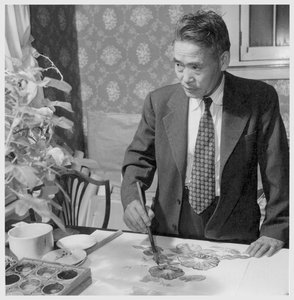
Чиура Обэта
1952 - 1975 , Япония
Основные сведения
- Artistic Movement Or Style: Sumi-e, Landscape
- Artists Who Influenced This Artist:
- Tanryo Murata
- Kogyo Terasaki
- Date Of Birth: November 18, 1885
- Date Of Death: October 6, 1975
- Full Name: Chiura Obata
- Nationality: Japanese-American
- Notable Artworks:
- Lake Mary
- Mono Crater
- Untitled Print Sleeve
- Place Of Birth: Okayama, Japan
Похожие статьи
Tsukioka Yoshitoshi: A Master of Ukiyo-e's Final Flourish – Narrative, Innovation, and the Meiji Transition
Explore the life & art of Tsukioka Yoshitoshi, the last great master of ukiyo-e woodblock printing. Discover his dramatic warrior prints, innovative series like 'One Hundred Aspects of the Moon,' and legacy reflecting Japan's Meiji transition.

The Enduring Legacy of Fine Art Prints: Technique, History & Aesthetic Impact
Explore the rich history & techniques of fine art prints. Discover investment potential, assess authenticity, and learn how to preserve your collection with expert guidance. Trusted insights for discerning collectors.
The Enduring Legacy of Woodblock Printmaking: Technique, History & Artistic Expression
Explore the rich history of woodblock printmaking – from ancient techniques to Ukiyo-e masterpieces. Discover expert insights on collecting, preserving & appreciating this enduring art form.

Топ-25 шедевров Кацусики Хокусая: Искусство Японии для вашего интерьера
Погрузитесь в мир гения Кацусики Хокусая! 25 легендарных гравюр укиё-э, включая "Великую волну". История искусства Японии и вдохновение для вашего интерьера. Репродукции высокого качества на ArtsDot.com.

Giclée Prints: Archival Quality & Aesthetic Nuances for the Discerning Collector
Explore the world of giclée prints with ArtsDot. Learn about archival quality, aesthetic nuances & investment potential. Expert guidance for discerning art collectors seeking museum-quality reproductions and lasting value.