

 Предпросмотр
 Поделиться
 Поделиться
 Детали произведения

 Скачать
 Похожие работы
 Рентгенография
 Слайд-шоу
 Статистика
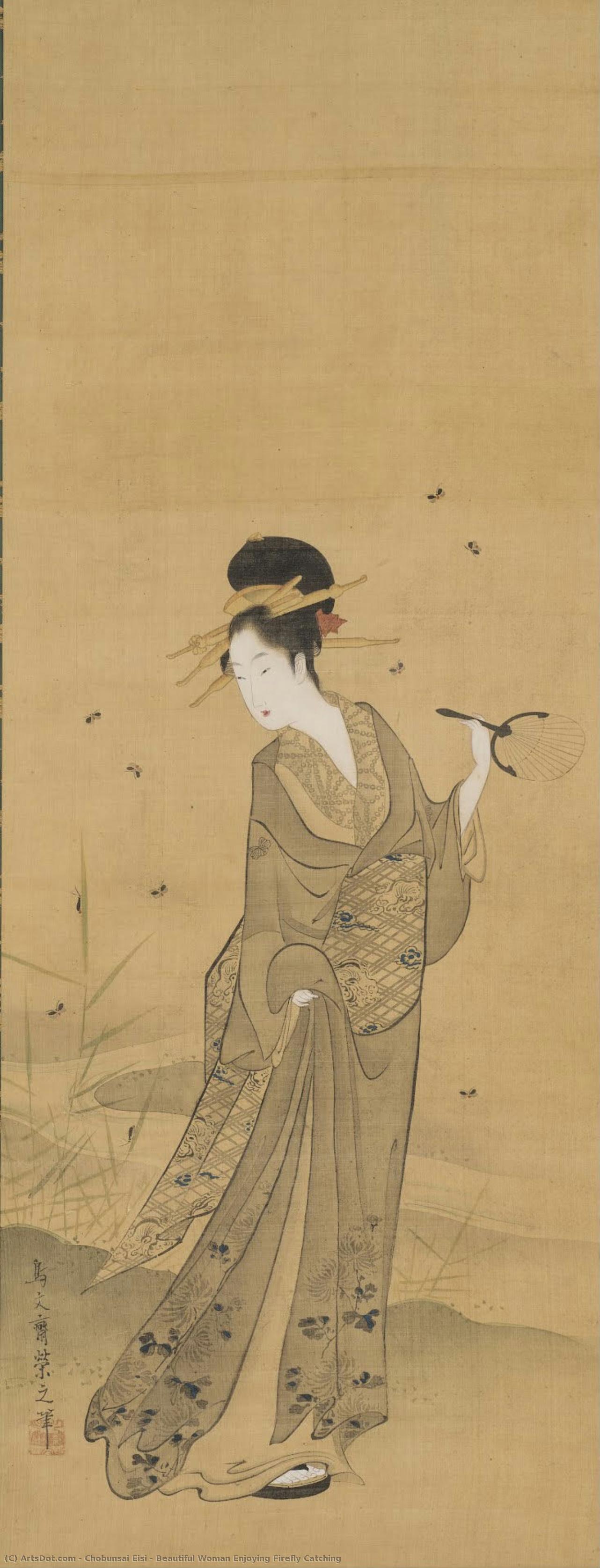
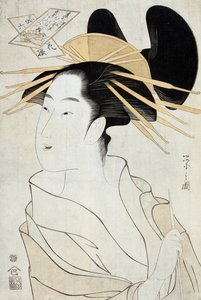
Beautiful Woman Enjoying Firefly Catching

 Читать далее
Жикле / Арт-принт
Печать (жикле) или холст музейного качества с быстрыми сроками изготовления и широким выбором вариантов отделки. ( Купить картину ручной работы Перейти к цифровым изображениям)




































Выберите один из наших стандартных размеров, соответствующих оригинальным пропорциям произведения искусства.

Вы можете указать свои собственные размеры, чтобы репродукция идеально подошла под конкретную раму или пространство. Если выбранный вами размер не будет соответствовать пропорциям оригинала, мы либо обрежем произведение, либо дополним изображение зеркальным отражением краев или однотонной заливкой. Перед началом производства вам будет отправлен цифровой макет для утверждения.
Пожалуйста, обратите внимание, что предварительный просмотр на экране не отображает фактическую обрезку или расширение изображения. Только макет точно покажет финальную композицию.
Несмотря на возможность заказа индивидуальных размеров, мы рекомендуем выбирать размер из предопределенного списка, чтобы сохранить оригинальные пропорции.
Доставка по всему миру () за 2 недели вместо стандартных 4/5 недель. (12 Сентябрь)

Бесплатная экспресс-доставка по всему миру

Высококачественный льняной холст

Полное страхование доставки

Гарантия возмещения таможенных пошлин

Гарантия точного соответствия цветов

100-дневная политика возврата (только при обнаружении дефектов)

Гарантия возврата 100% средств

Предложение оптовых скидок
 Вариант со стеклом доступен только для размеров менее 110 см

Beautiful Woman Enjoying Firefly Catching
Жикле / Арт-принт
Размер репродукции
-


Итоговая стоимость
$ 62
Похожие произведения



Биография художника
A Life Bridging Tradition and the Floating World
Chōbunsai Eishi, born Hosoda Tokitomi in 1756 in Edo (modern-day Tokyo), occupied a fascinating position within the world of eighteenth-century Japanese art. Unlike many ukiyo-e masters who rose from more humble origins, Eishi was born into a well-established samurai family—a lineage that initially steered him toward the refined techniques of the Kanō school of painting. This early training instilled in him a deep appreciation for classical aesthetics and meticulous draftsmanship, qualities that would later distinguish his work even as he embraced the vibrant, popular culture of the “floating world.” His family’s status afforded him a comfortable life, a significant contrast to artists like Utamaro who relied solely on commissions for their livelihood. This financial security allowed Eishi a unique freedom to explore different artistic avenues and ultimately forge his own path.
Eishi's initial career saw him serving as a painter for the Shogun Tokugawa Ieharu, a position that provided both prestige and stability. However, the allure of ukiyo-e—the art of woodblock prints depicting scenes from everyday life, beautiful women, actors, and landscapes—proved too strong to resist. He left his official post to dedicate himself to this burgeoning art form, quickly establishing himself as a leading figure alongside contemporaries like Kiyonaga and Utamaro. This decision was not without its complexities; while he enjoyed the freedom of artistic expression, it also meant navigating a world where success depended on capturing the fleeting tastes of a discerning public.
The Bijin-ga Master: Elegance and Refinement
Eishi is most celebrated for his *bijin-ga*—portraits of beautiful women. His depictions were not merely representations of physical attractiveness; they embodied an ideal of grace, sophistication, and refined elegance. He moved away from the more robust figures favored by some earlier artists, instead creating slender, elongated beauties with delicate features and exquisitely detailed clothing. These women weren’t simply objects of desire but were presented as cultured individuals immersed in moments of quiet contemplation or elegant leisure. His compositions often featured striking arrangements of patterns and colors, showcasing his mastery of design principles learned during his Kanō school training.
His early works drew comparisons to Kiyonaga, yet Eishi quickly developed a distinctive style characterized by an almost aristocratic air. He named the courtesans in his prints, adding another layer of realism and personality to his subjects. A notable example is his series depicting women from the Chôjiya brothel, where six beauties are meticulously rendered with their names prominently displayed. This attention to detail and individual character set him apart.
A Return to Tradition and Lasting Legacy
Around 1800, Eishi made a significant shift in his artistic focus, returning to painting and largely abandoning woodblock printmaking. This decision allowed him to fully explore the possibilities of brushwork, color washes, and traditional Japanese techniques. He became incredibly prolific as a painter, creating numerous works that showcased his versatility and skill. While he may have stepped away from the ukiyo-e world in terms of production, his earlier prints continued to influence subsequent generations of artists.
Eishi’s historical significance lies in his ability to bridge two distinct artistic worlds—the formal traditions of the Kanō school and the dynamic energy of ukiyo-e. He demonstrated that these seemingly disparate styles could coexist and even enrich one another. His elegant *bijin-ga* portraits remain iconic examples of Japanese art, capturing not only the beauty of his subjects but also the spirit of an era. He left a legacy as a master craftsman who elevated ukiyo-e to new heights of artistic expression, leaving behind a body of work that continues to captivate and inspire.
- Influences: Kanō school painting, Torii Kiyonaga, contemporary Edo period culture
- Major Themes: Beautiful women (*bijin-ga*), courtesans, scenes of daily life, landscapes.
- Key Characteristics: Elegant compositions, slender figures, refined details, striking color palettes, meticulous draftsmanship.
Eishi’s work offers a glimpse into the complexities of eighteenth-century Japan—a society grappling with tradition and change. His art is a testament to his skill, versatility, and enduring vision, solidifying his place as one of the great masters of ukiyo-e.
chobunsai eisi
1756 - 1829 , Japan
Основные сведения
- Artistic Movement Or Style: Ukiyo-e
- Artists Who Influenced This Artist:
- Kano Eisen'in Michinobu
- Torii Kiyonaga
- Utamaro Kitagawa
- Date Of Birth: 1756
- Date Of Death: 1829
- Full Name: Chobunsai Eishi
- Nationality: Japanese
- Notable Artworks:
- Beautiful Woman Enjoying Firefly Catching
- A Group Of Courtesans And Kamuro In A Large Boat
- From The Series Shokoku Meisho Hyakkei
- Place Of Birth: Tokyo, Japan