


 Предпросмотр
 Поделиться
 Поделиться
 Детали произведения

 Скачать
 Похожие работы
 Рентгенография
 Слайд-шоу
 Статистика
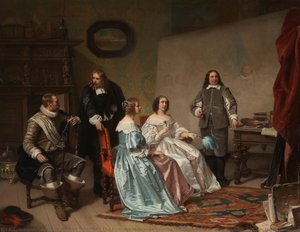
The Princess of Orange Receiving Alexander II (1818-1881), Grand Duke and Heir to the Throne of Russia, in the Czar Peter"s House in Zaandam, 17 April 1839, Christiaan Julius Lodewijk Portman, 1839 - 1840
 Historical Painting
 1840
1840 119.0 x 145.0 cm
 Читать далее
Масляная репродукция ручной работы
Картина маслом на холсте в выбранном вами размере и раме, написанная на заказ нашими художниками. ( Перейти к печати Перейти к цифровым изображениям)
































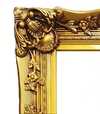
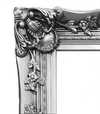
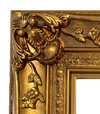
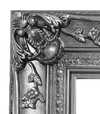
Выберите один из наших стандартных размеров, соответствующих оригинальным пропорциям произведения искусства.

Вы можете указать собственные размеры, чтобы картина идеально вписалась в выбранную раму или пространство. Если выбранный вами размер не соответствует пропорциям оригинала, мы либо обрежем полотно, либо расширим его за счет дополнительных элементов, написанных вручную. Цифровой макет будет отправлен вам на утверждение перед началом производства.
Обратите внимание, что предварительный просмотр на экране не отражает фактическую обрезку или расширение. Только макет точно покажет окончательную композицию.
Хотя доступны индивидуальные размеры, мы рекомендуем выбирать вариант из предопределенного списка, чтобы сохранить исходные пропорции.
После оформления заказа команда ArtsDot.com свяжется с клиентом по электронной почте для уточнения деталей и предоставит предварительный макет
Доставка по всему миру () за 3–4 недели вместо стандартных 5 недель. (16 Сентябрь). Без компромиссов в качестве.

Бесплатная экспресс-доставка по всему миру

Высококачественный льняной холст

Полное страхование доставки

Гарантия возмещения таможенных пошлин

Гарантия точного соответствия цветов

100-дневная политика возврата (только при обнаружении дефектов)

Гарантия возврата 100% средств

Предложение оптовых скидок
 Вариант со стеклом доступен только для размеров менее 110 см

The Princess of Orange Receiving Alexander II (1818-1881), Grand Duke and Heir to the Throne of Russia, in the Czar Peter"s House in Zaandam, 17 April 1839, Christiaan Julius Lodewijk Portman, 1839 - 1840
Техника репродукции
Размер репродукции
-


Итоговая стоимость
$ 538
Похожие произведения
Биография художника
Francisco Goya: A Visionary of Darkness and Light
Born in Fuendetodos, Spain, in 1746, Francisco José de Goya y Lucientes’s life was a remarkable tapestry woven from artistic brilliance, personal tragedy, and profound social observation. Initially trained as a court painter under the tutelage of José Luzán y Martínez and later influenced by the Neoclassical style of Anton Raphael Mengs in Madrid, Goya rapidly ascended through the ranks of Spanish aristocracy, producing portraits and decorative frescoes that initially catered to the tastes of the royal court. However, it was his evolving artistic vision—one increasingly marked by a darker sensibility—that would ultimately cement his legacy as one of art’s most significant and unsettling figures.
Goya's early career was characterized by a polished, elegant style, exemplified in works like *The Family of Marquis de Sade* (1793-94) and the series of portraits commissioned by the Spanish crown. These pieces showcased his technical skill and ability to capture the superficial grandeur of aristocratic life. Yet, beneath this veneer of refinement, hints of a growing disillusionment began to emerge. The influence of the Enlightenment ideals of reason and progress clashed with the realities of political instability and social injustice in Spain during the late 18th century.
The Turbulent Years: War, Plague, and Personal Loss
The French invasion of Spain in 1808 marked a pivotal moment in Goya’s life and art. Witnessing firsthand the brutality of war and the suffering inflicted upon his countrymen, he produced a series of powerful etchings known as *The Disasters of War* (1810-14). These stark depictions of violence, executions, and civilian casualties—including the iconic image of *The Third of May 1808*, depicting Spanish rebels facing down firing French soldiers—are not merely historical records but visceral expressions of human anguish. This period was further compounded by the devastating effects of the cholera epidemic that ravaged Madrid in 1817, an event Goya documented with unsettling realism in *The Plague* (1819-20).
Personal tragedy also cast a long shadow over Goya’s life. The loss of his wife, Maria Josepha, and their daughter, Lola, in quick succession deeply affected him, contributing to a period of profound depression. This emotional turmoil manifested in his later works, particularly the *Black Paintings*, a series of intensely dark and psychologically charged canvases executed directly on the walls of his Quinta del Sordo (Deaf House) residence.
The Evolution of Style: From Rococo to Romanticism
Throughout his career, Goya’s style underwent a dramatic transformation. Initially influenced by the Rococo traditions of his early training, he gradually embraced a more expressive and emotionally charged approach. His use of color became increasingly bold and dramatic, moving from delicate pastels to intense blacks, browns, and reds. His brushwork grew looser and more gestural, reflecting a desire to capture not just appearances but also the inner turmoil of his subjects.
Goya’s later works, particularly those produced during his time in exile in Bordeaux, France, foreshadowed the Romantic movement. His emphasis on subjective experience, emotional intensity, and the exploration of dark themes—such as death, madness, and the grotesque—anticipated the sensibilities of artists like Eugène Delacroix and Caspar David Friedrich. His *Saturn* (1819-23), for example, is a terrifying depiction of the Roman god’s punishment of his son, embodying themes of tyranny and despair.
Legacy and Influence
Francisco Goya remains one of the most influential artists in Western art history. His unflinching portrayal of human suffering, coupled with his innovative use of technique and color, continues to resonate with audiences today. His work profoundly impacted subsequent generations of painters, including Édouard Manet, Pablo Picasso, and Salvador Dalí, who acknowledged Goya’s influence on their own artistic visions.
Beyond his individual masterpieces, Goya's legacy lies in his willingness to confront difficult truths about the human condition. His art serves as a powerful reminder of the darkness that can exist within us all, and the importance of bearing witness to the suffering of others. His exploration of psychological states—particularly through the *Black Paintings*—paved the way for modern approaches to representing inner experience in art.
Major Works
- The Family of Marquis de Sade (1793-94)
- Saturn Devouring His Son (1819-23)
- The Third of May 1808 (1814)
- *Los Desastres de la Guerra* (The Disasters of War) (1810-14)
- *The Sleep of Reason Produces Monsters* (1797-98)
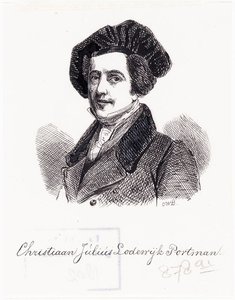
christiaan julius lodewijk portman
1799 - 1868 , Netherlands
Основные сведения
- Artistic Movement Or Style: Romanticism, Neoclassicism
- Artists Or Movements Influenced By This Artist: ['19th-century painters']
- Artists Who Influenced This Artist:
- Diego Velázquez
- Tiepolo
- Mengs
- Date Of Birth: March 30, 1746
- Date Of Death: April 16, 1828
- Full Name: Francisco Goya y Lucientes
- Nationality: Spanish
- Notable Artworks:
- The Third of May 1808
- Saturn Devouring His Son
- The Naked Maja
- Place Of Birth: Fuendetodos, Spain
Похожие статьи
Charles Leickert: Capturing the Dutch Golden Age Light – A Comprehensive Study of Technique, Context, and Legacy
Explore the captivating winter landscapes of Charles Leickert, a master of Dutch Golden Age light & atmosphere. Discover his techniques, symbolism, and lasting legacy – a comprehensive study for art enthusiasts and collectors.
Abraham Hulk Senior: Pioneering Maritime Topography of the Dutch Golden Age
Explore the captivating seascapes of Abraham Hulk Senior, a leading Anglo-Dutch marine painter of the 19th century. Discover his signature style, family legacy & collectable artworks at ArtsDot.
Топ-10 шедевров XIX века: искусство, история и декор от ArtsDot.com
Погрузитесь в мир искусства XIX века! От реализма до импрессионизма – 10 величайших картин, истории художников и вдохновение для вашего интерьера. Репродукции высокого качества на ArtsDot.com. Откройте всю коллекцию онлайн!

Golden Age Reflections: Dutch Baroque Painting & Cultural Innovation
Explore the Dutch Golden Age of painting! Discover key artists like Vermeer & ter Borch, their innovative techniques, and the rich cultural context behind these Baroque masterpieces. Learn about collecting & appreciating this iconic art period.

Illuminating Innovation: Exploring the Dutch Golden Age of Painting
Explore the Dutch Golden Age of painting with ArtsDot. Discover Rembrandt, Vermeer & other Masters. Learn about key characteristics, iconic artworks, and lasting influence. Expert insights for collectors & enthusiasts.