


 Предпросмотр
 Поделиться
 Поделиться
 Детали произведения

 Скачать
 Похожие работы
 Рентгенография
 Слайд-шоу
 Статистика
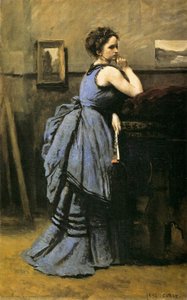
Portrait of a Lady in Blue Dress
 Oil On Canvas
- WallArt
- Grand Manner Portraiture
 1824
1824- 19th Century
 64.0 x 52.0 cm
 Эрмитаж
 Читать далее
Приобретите цифровое изображение высокого разрешения в улучшенном качестве, которое значительно превосходит онлайн-превью.
Каждый файл тщательно подготавливается нашими специалистами с использованием передовых инструментов и экспертной ручной ретуши. Мы гарантируем исключительную четкость, точную цветопередачу и детальную проработку каждого изображения.
Финальный файл доставляется по электронной почте в течение 72 часов и оптимизирован для немедленного использования в профессиональной среде, при верстке и печати. Это тот же уровень качества, которому доверяют ведущие дизайнерские студии, издательства и галереи.
Цифровое изображение
Скачайте файл высокого разрешения для личного использования, печати и творческих проектов. ( Перейти к печати Купить картину ручной работы)
Включено в каждый заказ цифровых изображений
Гарантия экспертной цифровой доставки
Выбирая ArtsDot.com, вы получаете не просто изображение — вы приобретаете профессионально обработанное цифровое произведение искусства, созданное с безупречной точностью и под защитой гарантии качества. Вот всё, что автоматически входит в ваш заказ:

Мгновенная доставка по e-mail
Ваш цифровой файл в высоком разрешении будет отправлен вам по электронной почте в течение 72 часов после оформления заказа — и сразу станет доступен для использования.

Цифровой файл с ИИ-улучшением
Ваше произведение искусства проходит профессиональную оптимизацию с использованием передовых инструментов ИИ и ручной обработки, что гарантирует максимальную детализацию, четкость и точность цветопередачи.

Бессрочная бесплатная повторная доставка
Случайно удалили или потеряли файл? Не беспокойтесь — мы отправим его вам повторно в любое время и совершенно бесплатно.

Без импортных пошлин — навсегда
Наслаждайтесь вашим произведением искусства мгновенно без таможенных пошлин, сборов или затрат на доставку — цифровые загрузки всегда не облагаются налогом.

Гарантия точности цветопередачи
Мы гарантируем, что ваше цифровое изображение максимально точно передает оригинальные цвета благодаря использованию профессиональных инструментов и систем управления цветом.

Гарантия удовлетворенности 100 дней
Если вы не будете удовлетворены своим цифровым изображением, мы внесем правки или вернем 100% стоимости в течение 100 дней — без лишних вопросов.

100% Гарантия возврата средств
Не удовлетворены покупкой? Получите полный возврат средств в течение 100 дней после получения цифрового файла — без лишних вопросов.

Скидки на оптовые заказы
Купите 3 изображения, сэкономьте 10% — Купите 5, сэкономьте 15% — Купите 10+, сэкономьте 20%. Отличное решение для творческих проектов, галерей и агентств.
Portrait of a Lady in Blue Dress: A Window into Early 19th Century Danish Society
Christian Albrecht Jensen’s “Portrait of a Lady in Blue Dress,” painted in 1824, is more than just a depiction of a woman; it's a meticulously crafted snapshot of a specific moment in time – the burgeoning artistic and intellectual landscape of early 19th-century Denmark. Jensen, born in Bredstedt in 1792 and passing away in Copenhagen in 1870, was a pivotal figure in Danish art, known for his psychologically astute portraits that captured both outward appearance and inner character. This particular work offers a rare glimpse into the refined tastes and social conventions of the era, revealing a sophisticated understanding of light, color, and the subtle language of gesture.
The painting itself presents a young woman, elegantly posed within a modestly furnished interior. Her dress, rendered in delicate shades of blue and accented with crisp white lace, speaks to both wealth and an appreciation for understated elegance – hallmarks of the period’s fashion. The pale pink bow nestled amongst her hair is a small but significant detail, suggesting a youthful innocence and perhaps a hint of flirtation. Her direct gaze, unwavering yet gentle, invites the viewer into the scene, creating an immediate connection that transcends mere observation.
The Grand Manner: Composition and Technique
Jensen’s style aligns closely with what is often referred to as the “Grand Manner,” a compositional approach popularized by Sir Joshua Reynolds. This technique emphasized clarity, balance, and a carefully orchestrated arrangement of elements within the frame. Notice how Jensen employs a pyramidal structure, guiding the eye from the lady's head down to her hands, which rest gracefully on a delicate fan. The background, featuring a simple chair and a suggestion of a window – likely offering a glimpse of a garden – is deliberately muted, ensuring that the subject remains firmly at the center of attention. Jensen’s masterful use of light is particularly noteworthy; he employs soft, diffused illumination to sculpt the lady's features, highlighting her delicate complexion and creating an atmosphere of quiet intimacy.
The painting is executed in oil on canvas, a medium favored by Jensen for its ability to capture subtle nuances of color and texture. His brushwork is remarkably smooth and controlled, contributing to the overall sense of refinement and composure. The meticulous detail evident in the lace trim and the folds of the dress demonstrates his technical skill and dedication to achieving a realistic yet idealized representation of his subject.
Symbolism and Social Context
Beyond its aesthetic qualities, “Portrait of a Lady in Blue Dress” offers insights into the social context of 1824 Denmark. The lady’s attire and demeanor reflect the prevailing ideals of feminine grace and decorum. The inclusion of the fan, a common accessory for women of this era, suggests her participation in polite conversation and social gatherings. Furthermore, the painting's restrained palette – dominated by blues, whites, and subtle pinks – reflects the understated elegance favored by the Danish aristocracy.
Jensen’s portraits frequently depicted members of the upper classes, including intellectuals, artists, and politicians. He was known for his ability to capture not only their physical appearance but also their personalities and intellectual pursuits. This portrait likely represents a member of the Danish elite, perhaps a young woman poised to enter society or already established within it.
A Timeless Portrait: Reproduction and Legacy
Today, “Portrait of a Lady in Blue Dress” stands as a testament to Jensen’s artistic skill and his profound understanding of human psychology. Reproductions offer an accessible way to appreciate the nuances of this captivating work, allowing viewers to experience its beauty and historical significance firsthand. Whether displayed in a private collection or adorning a wall in a stylish interior, this portrait continues to evoke a sense of quiet elegance and timeless charm – a window into a bygone era.
Further Research: For more information about Christian Albrecht Jensen and his artistic career, explore the WGA (Wikiart) website: JENSEN, Christian Albrecht. You can also find related works by Jensen at the Statens Museum for Kunst in Copenhagen and view images of similar portraits from the period on sites like Bridgeman Art Library: Portrait of a Lady in a Blue Dress - Christian Albrecht Jensen.
Похожие произведения
Биография художника
Sir Joshua Reynolds: The Grand Manner and the Shaping of British Portraiture
Sir Joshua Reynolds (16 July 1723 – 23 February 1792) stands as a monumental figure in the history of British art, largely defined by his pioneering role in establishing portraiture as a dominant and respected genre. More than simply a painter, he was an intellectual force, a champion of classical ideals, and a key architect of the Royal Academy—a transformation that fundamentally altered the landscape of artistic practice in England. His career spanned over six decades, during which he produced an astonishing output – estimates suggest upwards of two thousand paintings, many of which remain cornerstones of national collections. Reynolds’s legacy isn't solely rooted in quantity; it resides in his innovative approach to composition, his masterful handling of light and color, and his profound understanding of human psychology, all contributing to what became known as the “Grand Manner” style.Early Life and Artistic Foundations
Born in Plympton, Devon, Reynolds’s upbringing was unusually privileged for an artist. His father, a headmaster and fellow of Balliol College, Oxford, provided him with a rigorous education that extended far beyond the typical artistic training of the time. This intellectual foundation profoundly shaped his approach to art, grounding it in classical learning and a deep appreciation for ancient Greek and Roman sculpture and painting. He began his career as an apprentice to Thomas Hudson, a fashionable London portraitist, absorbing techniques but quickly surpassing his mentor’s style. Crucially, Reynolds embarked on a prolonged sojourn in Italy between 1749 and 1752, immersing himself in the artistic treasures of Rome and Florence. This experience proved transformative, instilling in him a reverence for the Renaissance masters – Rembrandt, Rubens, and Van Dyck – whose works he meticulously studied. He sought to emulate their dramatic lighting, dynamic compositions, and ability to capture not just likeness but also character and emotion.The Grand Manner and Portraiture’s Golden Age
Upon his return to England, Reynolds swiftly ascended to the pinnacle of the portrait-painting world. His style, dubbed the “Grand Manner,” rejected the Rococo frivolity prevalent in much of European art at the time. Instead, he embraced a more formal, idealized approach, drawing inspiration from classical antiquity and Renaissance ideals. He believed that a successful portrait should not merely depict a subject’s physical appearance but also reveal their inner character and social standing. Reynolds achieved this through carefully constructed compositions—often employing pyramid shapes, dramatic lighting effects (chiaroscuro), and elaborate settings to create a sense of grandeur and importance. His subjects were typically members of the aristocracy and gentry, including figures like the Earl of Carlisle, Philip Gell, and Sarah Siddons. His portraits weren’t simply likenesses; they were carefully crafted narratives, imbued with dignity, intelligence, and often, a subtle hint of aristocratic bearing.Notable Works and Artistic Innovations
Reynolds's oeuvre is remarkably diverse, encompassing not only numerous portraits but also historical scenes, landscapes, and even “fancy pictures”—genre paintings designed to appeal to the tastes of his patrons. However, it’s in his portraiture that he truly excelled. *Portrait of Omai* (1785), a painting depicting a young woman from Tobago, is often cited as one of his most daring and controversial works. The painting sparked considerable debate due to its unconventional portrayal of an indigenous subject within the established conventions of British art. Similarly, *The Marlborough Family* (1762) – a monumental full-length portrait of Queen Charlotte, her children, and several grandchildren – exemplifies Reynolds’s mastery of scale and his ability to capture a complex family dynamic. His work with Sarah Siddons as *The Tragic Muse* (1790), is considered by many to be the finest female portrait in the world. His influence extended beyond individual paintings; he established a studio that produced hundreds of works, ensuring his continued presence in the art market and solidifying his reputation for decades after his death.Legacy and Historical Significance
Sir Joshua Reynolds’s impact on British art is immeasurable. He not only elevated portraiture to an art form worthy of serious consideration but also established a rigorous system of artistic training that profoundly influenced generations of painters. His founding of the Royal Academy in 1769 marked a pivotal moment in the history of art institutions, providing a platform for artists and fostering a culture of critical discussion and professional development. His emphasis on classical ideals and his championing of the “Grand Manner” style shaped the aesthetic sensibilities of the British elite for decades to come. Even today, Reynolds’s work continues to be studied and admired for its technical brilliance, its psychological insight, and its enduring contribution to the history of art. His legacy is a testament to the power of artistic vision and the transformative potential of a single individual's dedication to his craft.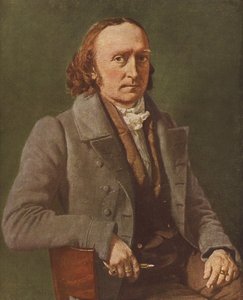
christian albrecht jensen
1792 - 1870 , Germany
Основные сведения
- Artistic Movement Or Style: Grand Manner portraiture
- Artists Or Movements Influenced By This Artist:
- Thomas Lawrence
- John Russell
- Artists Who Influenced This Artist:
- Rembrandt
- Rubens
- Van Dyck
- Date Of Birth: 16 July 1723
- Date Of Death: 23 February 1792
- Full Name: Sir Joshua Reynolds
- Nationality: English
- Notable Artworks:
- Omai Portrait
- Marlborough Family
- Philip Gell Portrait
- Place Of Birth: Plympton, Devon