

 Предпросмотр
 Поделиться
 Поделиться
 Детали произведения

 Скачать
 Похожие работы
 Рентгенография
 Слайд-шоу
 Статистика
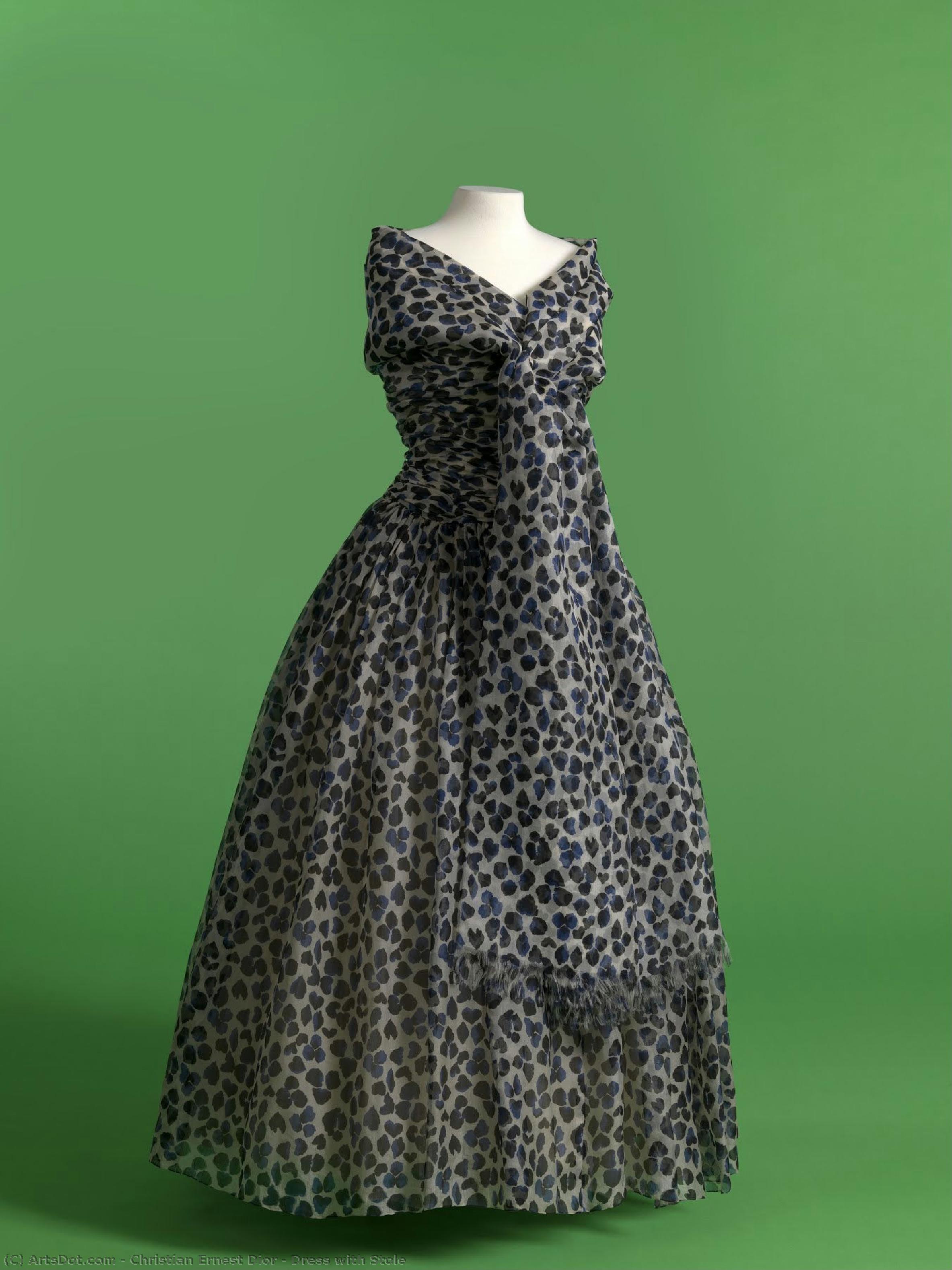
Dress with Stole


 Читать далее
Жикле / Арт-принт
Печать (жикле) или холст музейного качества с быстрыми сроками изготовления и широким выбором вариантов отделки. ( Купить картину ручной работы Перейти к цифровым изображениям)




































Выберите один из наших стандартных размеров, соответствующих оригинальным пропорциям произведения искусства.

Вы можете указать свои собственные размеры, чтобы репродукция идеально подошла под конкретную раму или пространство. Если выбранный вами размер не будет соответствовать пропорциям оригинала, мы либо обрежем произведение, либо дополним изображение зеркальным отражением краев или однотонной заливкой. Перед началом производства вам будет отправлен цифровой макет для утверждения.
Пожалуйста, обратите внимание, что предварительный просмотр на экране не отображает фактическую обрезку или расширение изображения. Только макет точно покажет финальную композицию.
Несмотря на возможность заказа индивидуальных размеров, мы рекомендуем выбирать размер из предопределенного списка, чтобы сохранить оригинальные пропорции.
Доставка по всему миру () за 2 недели вместо стандартных 4/5 недель. (11 Сентябрь)

Бесплатная экспресс-доставка по всему миру

Высококачественный льняной холст

Полное страхование доставки

Гарантия возмещения таможенных пошлин

Гарантия точного соответствия цветов

100-дневная политика возврата (только при обнаружении дефектов)

Гарантия возврата 100% средств

Предложение оптовых скидок
 Вариант со стеклом доступен только для размеров менее 110 см

Dress with Stole
Жикле / Арт-принт
Размер репродукции
-


Итоговая стоимость
$ 62
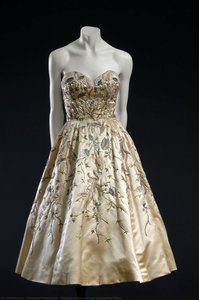
A Glimpse of Post-War Elegance: Christian Dior's "Dress with Stole"
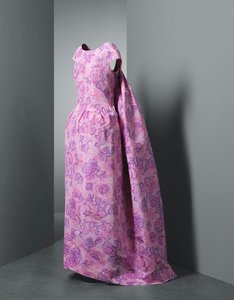
This captivating image presents a close-up view of a mannequin adorned in Christian Dior’s “Dress with Stole,” created in 1954. More than just a garment, this piece represents a pivotal moment in fashion history – the flourishing of Dior’s signature style and the renewed optimism following World War II. The dress itself is a study in contrasts: a strapless gown featuring a fitted bodice that accentuates the waist, flowing into a full skirt embodying the iconic "New Look" silhouette. Leopard print accents add a touch of playful sophistication to the otherwise classic blue hue, demonstrating Dior’s ability to blend boldness with timeless elegance. The mannequin's pose, subtly turned away from the viewer, creates an impression of movement and dynamism, hinting at the wearer's grace and confidence.The "New Look" and its Historical Context
Dior revolutionized fashion in 1947 with his “New Look” collection, a direct response to the austerity and practicality dictated by wartime restrictions. This dress exemplifies that aesthetic – a return to ultra-femininity characterized by rounded shoulders, a cinched waist emphasizing an hourglass figure, and voluminous skirts requiring yards of fabric. The post-war era yearned for luxury and beauty after years of hardship, and Dior masterfully delivered this desire. The use of leopard print, while seemingly modern, was also rooted in the period's fascination with exoticism and a renewed sense of adventure following the war. It speaks to a burgeoning consumer culture and a desire for self-expression through fashion.Style and Technique: Haute Couture at its Finest
This image captures the essence of haute couture – meticulously crafted, luxurious garments designed to showcase exceptional skill and artistry. While we don't see the construction details directly, the photograph hints at the precision tailoring and quality fabrics that defined Dior’s work. The choice of a mannequin allows for an uninhibited focus on the dress itself, highlighting its form and detailing without distraction. The green background provides a complementary backdrop, enhancing the blue tones of the dress and drawing attention to the leopard print accents. It's a carefully considered presentation designed to showcase the garment’s beauty and appeal.Emotional Impact and Enduring Legacy
"Dress with Stole" evokes feelings of sophistication, confidence, and timeless elegance. It represents a return to glamour and femininity after years of wartime constraints. Dior's designs weren't merely clothing; they were statements of hope, optimism, and renewed beauty. Owning a reproduction of this iconic design allows you to bring a piece of that history into your space – a subtle yet powerful reminder of an era defined by style and grace. It’s a conversation starter, a touch of luxury, and a testament to the enduring power of haute couture.Похожие произведения
Биография художника
The Dawn of a New Silhouette: Christian Dior’s Revolutionary Vision
Christian Ernest Dior, born in the coastal town of Granville, France, on January 21, 1905, was more than just a fashion designer; he was an architect of dreams, a sculptor of femininity who irrevocably altered the landscape of post-war style. His story is one woven with threads of artistic ambition, wartime resilience, and ultimately, the triumphant rebirth of elegance. Unlike many of his contemporaries who began sketching designs as children, Dior initially pursued studies in political science, a path dictated by familial expectations. However, the allure of art proved too strong to resist. He briefly opened an art gallery in Paris with financial support from his father, showcasing works by luminaries like Picasso and Dalí – a formative experience that instilled within him a deep appreciation for form, color, and the power of creative expression. The closure of the gallery due to economic hardship marked a turning point, leading Dior towards the world of fashion, initially through selling sketches before securing positions with Robert Piguet and later Lucien Lelong.Navigating Wartime Shadows: A Foundation Forged in Constraint
The outbreak of World War II cast a long shadow over Europe, profoundly impacting the fashion industry. During this period, Dior’s work at Lucien Lelong, while providing a livelihood, presented a complex moral landscape. Like many designers operating under occupation, he created garments for both French citizens and the wives of Nazi officers – a necessity for survival but one that would later be subject to scrutiny. However, it was during these years of austerity and restriction that Dior honed his skills, observing the subtle desires for beauty simmering beneath the surface of wartime practicality. The severe rationing, limited fabric availability, and utilitarian styles created a pent-up longing for opulence and extravagance, a yearning that would become the catalyst for his groundbreaking success. This period wasn’t merely about survival; it was an incubation period where Dior meticulously studied what women *wanted*, anticipating a dramatic shift in aesthetic preferences once liberation arrived.The ‘New Look’: A Revolution Unveiled
In 1946, with backing from Marcel Boussac, a powerful textile magnate, Christian Dior established his own fashion house. The debut of his first collection on February 12, 1947, was nothing short of sensational. Carmel Snow, the influential editor-in-chief of *Harper’s Bazaar*, famously christened it the “New Look,” and the name stuck. This wasn't simply a new style; it was a complete rejection of the boxy, masculine silhouettes that had dominated fashion during the war years. Dior reintroduced rounded shoulders, a cinched waist – achieved through innovative corsetry – and full, voluminous skirts cascading to mid-calf. The collection celebrated ultra-femininity, emphasizing curves, luxury fabrics, and an overall sense of joyous extravagance. It was a deliberate embrace of opulence, a defiant statement against the austerity that had defined the previous decade.Beyond the Silhouette: A Legacy of Innovation
Dior’s impact extended far beyond the iconic ‘New Look’. He understood that fashion wasn't just about clothing; it was about creating an entire lifestyle. He pioneered licensing agreements, expanding his brand into accessories, perfumes (Miss Dior remains a timeless classic), and even home décor. This strategic move not only generated substantial revenue but also solidified Christian Dior as a global empire. Each subsequent collection presented a new theme – “Carolle,” “Tulip,” and the revolutionary “A-line” in 1955 – demonstrating his constant pursuit of innovation and his ability to anticipate evolving tastes. He wasn’t afraid to experiment with shapes, textures, and historical references, seamlessly blending them into modern designs.An Enduring Influence: The Timeless Appeal of Dior
Christian Dior's tragically short career—he died in 1957 at the age of 52—left an indelible mark on the world of fashion. His emphasis on femininity, luxury, and meticulous craftsmanship continues to inspire designers today. While his designs were initially met with some resistance from those accustomed to wartime practicality, they ultimately captured the collective imagination, offering a renewed sense of hope and optimism in the aftermath of conflict. The House of Dior remains one of the most prestigious fashion houses globally, a testament to the enduring power of its founder’s vision. His legacy isn't just about beautiful clothes; it’s about empowering women through style, celebrating their individuality, and reminding them of the transformative magic of elegance.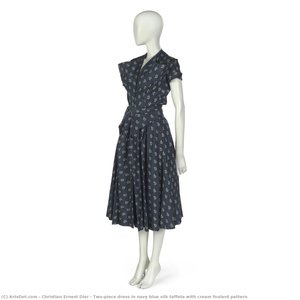
christian ernest dior
1905 - 1957 , France
Основные сведения
- Artistic Movement Or Style: Haute Couture
- Artists Or Movements Influenced By This Artist: ['Postmodernism']
- Artists Who Influenced This Artist: ['Coco Chanel']
- Date Of Birth: January 21, 1905
- Date Of Death: October 24, 1957
- Full Name: Christian Ernest Dior
- Nationality: French
- Notable Artworks:
- Two-piece dress in navy blue silk taffeta with cream foulard pattern
- Dress with Stole
- Coat Dress
- Place Of Birth: Granville, France
Похожие статьи

The Enduring Legacy of Woodblock Printmaking: Technique, History & Artistic Expression
Explore the rich history of woodblock printmaking – from ancient techniques to Ukiyo-e masterpieces. Discover expert insights on collecting, preserving & appreciating this enduring art form.

Giclée Prints: Archival Quality & Aesthetic Nuances for the Discerning Collector
Explore the world of giclée prints with ArtsDot. Learn about archival quality, aesthetic nuances & investment potential. Expert guidance for discerning art collectors seeking museum-quality reproductions and lasting value.
The Enduring Legacy of Printmaking: Techniques, Themes & Artistic Innovation Across Centuries
Explore the rich history of printmaking with ArtsDot. Discover techniques from intaglio to lithography, learn about collecting valuable prints & find museum-quality reproductions. Expert insights for art enthusiasts and collectors.

The Enduring Legacy of Fine Art Prints: Technique, History & Aesthetic Impact
Explore the rich history & techniques of fine art prints. Discover investment potential, assess authenticity, and learn how to preserve your collection with expert guidance. Trusted insights for discerning collectors.

Echoes of Time: Exploring the Enduring Appeal & Historical Context of Vintage Art Prints
Explore the captivating world of vintage art prints! Discover their history, collecting tips & enduring appeal. Expert insights on chromolithography and building a legacy collection with ArtsDot.