Меню
ПредпросмотрПредпросмотр Предпросмотр в ARПредпросмотр в AR Перейти к печати Перейти к печатиКупить картину ручной работы Купить картину ручной работы ПоделитьсяПоделиться
Детали произведенияДетали произведения Добавить в избранное Добавить в избранное СкачатьСкачать Похожие работыПохожие работы РентгенографияРентгенография Слайд-шоуСлайд-шоу СтатистикаСтатистика

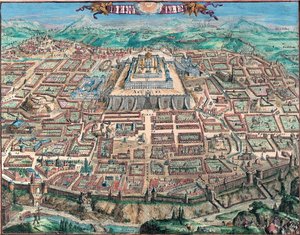
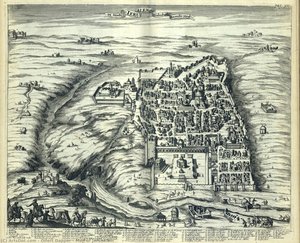
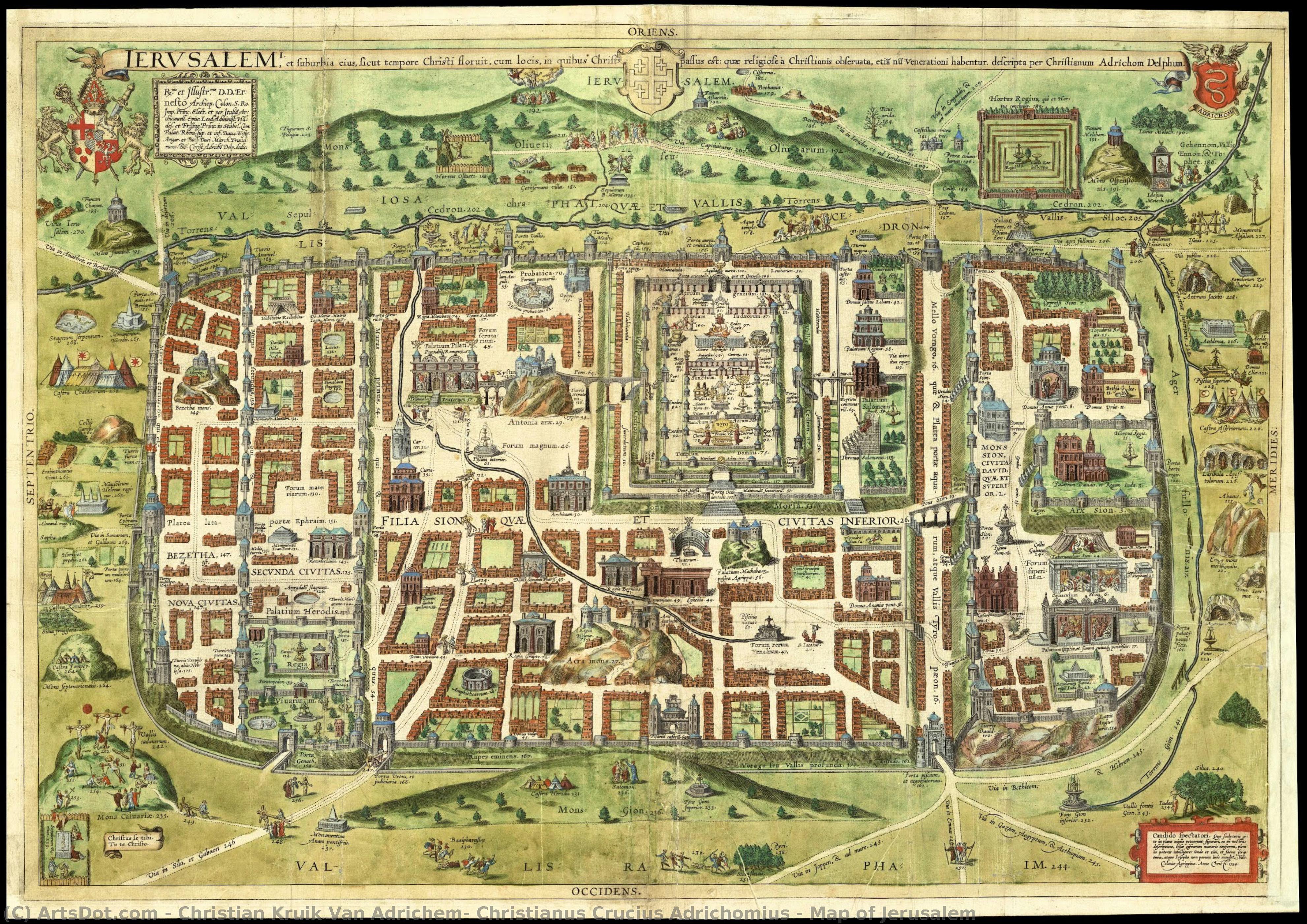
Map of Jerusalem

1584 Map of Jerusalem by Christian Kruik van Adrichem. Detailed Renaissance engraving & hand-coloring showcasing ancient city layout. A unique historical piece!

Explore the theological writings of Christian Kruik van Adrichem (1533-1585), a Dutch priest & scholar. Discover his 'Vita Jesu' and detailed 'Palestine Map,' reflecting Reformation era perspectives.

Приобретите цифровое изображение высокого разрешения в улучшенном качестве, которое значительно превосходит онлайн-превью.

Каждый файл тщательно подготавливается нашими специалистами с использованием передовых инструментов и экспертной ручной ретуши. Мы гарантируем исключительную четкость, точную цветопередачу и детальную проработку каждого изображения.

Финальный файл доставляется по электронной почте в течение 72 часов и оптимизирован для немедленного использования в профессиональной среде, при верстке и печати. Это тот же уровень качества, которому доверяют ведущие дизайнерские студии, издательства и галереи.

Цифровое изображение

Скачайте файл высокого разрешения для личного использования, печати и творческих проектов. (Перейти к печати Перейти к печатиКупить картину ручной работы Купить картину ручной работы)

Итоговая стоимость

$ 24,00

Включено в каждый заказ цифровых изображений

Гарантия экспертной цифровой доставки

Выбирая ArtsDot.com, вы получаете не просто изображение — вы приобретаете профессионально обработанное цифровое произведение искусства, созданное с безупречной точностью и под защитой гарантии качества. Вот всё, что автоматически входит в ваш заказ:

shipping_icon
Мгновенная доставка по e-mail

Ваш цифровой файл в высоком разрешении будет отправлен вам по электронной почте в течение 72 часов после оформления заказа — и сразу станет доступен для использования.

canvas_icon
Цифровой файл с ИИ-улучшением

Ваше произведение искусства проходит профессиональную оптимизацию с использованием передовых инструментов ИИ и ручной обработки, что гарантирует максимальную детализацию, четкость и точность цветопередачи.

insurance_icon
Бессрочная бесплатная повторная доставка

Случайно удалили или потеряли файл? Не беспокойтесь — мы отправим его вам повторно в любое время и совершенно бесплатно.

tax_icon
Без импортных пошлин — навсегда

Наслаждайтесь вашим произведением искусства мгновенно без таможенных пошлин, сборов или затрат на доставку — цифровые загрузки всегда не облагаются налогом.

color_icon
Гарантия точности цветопередачи

Мы гарантируем, что ваше цифровое изображение максимально точно передает оригинальные цвета благодаря использованию профессиональных инструментов и систем управления цветом.

return_icon
Гарантия удовлетворенности 100 дней

Если вы не будете удовлетворены своим цифровым изображением, мы внесем правки или вернем 100% стоимости в течение 100 дней — без лишних вопросов.

guarantee_icon
100% Гарантия возврата средств

Не удовлетворены покупкой? Получите полный возврат средств в течение 100 дней после получения цифрового файла — без лишних вопросов.

discount_icon
Скидки на оптовые заказы

Купите 3 изображения, сэкономьте 10% — Купите 5, сэкономьте 15% — Купите 10+, сэкономьте 20%. Отличное решение для творческих проектов, галерей и агентств.
Основные сведения

  • Artist: Christian Kruik van Adrichem
  • Dimensions: 50 x 73 cm
  • Medium: Engraving with hand-coloring
  • Subject or theme: Topographical map of Jerusalem
  • Movement: Renaissance
  • Title: Map of Jerusalem
  • Year: 1584
Original Latin title:

Биография художника

A Life Dedicated to the Holy Land: Christian Kruik van Adrichem

Christian Kruik van Adrichem, born in Delft, Netherlands, on February 13, 1533, was a figure deeply immersed in the religious and intellectual currents of his time. His life unfolded against the backdrop of the Reformation, a period of profound upheaval that would significantly shape both his personal trajectory and his scholarly pursuits. Ordained as a Catholic priest in 1566, Adrichem initially served as Director of the Convent of St. Barbara in Delft. However, the escalating religious conflicts forced his expulsion during the storm of the Reformation, leading him to seek refuge and continue his work in Cologne, where he ultimately passed away on June 20, 1585. This displacement wasn’t merely a personal hardship; it fueled a dedication to preserving and understanding the sacred sites threatened by the era's turmoil.

Theatrum Terrae Sanctae: A Monumental Vision

Adrichem is best remembered for his magnum opus, *Theatrum Terrae Sanctae et Biblicarum Historiarum*, published in Cologne in 1590. This ambitious work—a comprehensive history of the Holy Land—was the culmination of thirty years of painstaking research and devotion. It wasn’t simply a geographical treatise; it was an attempt to reconstruct the world of biblical times, offering readers a vivid and detailed portrait of Palestine as it existed during the life of Christ. The *Theatrum* encompassed not only a meticulous geography of the region but also a rich tapestry of historical accounts, archaeological observations (as understood at the time), and a sweeping chronology tracing events from Adam to the death of Saint John the Apostle in 109 AD—and beyond, extending even to Adrichem’s own year of passing.

Sources and Synthesis: A Scholar of His Time

Adrichem's scholarship was deeply rooted in classical sources, particularly the writings of Josephus, the Jewish historian whose accounts provided invaluable insights into Roman Palestine during the first century AD. He also drew extensively from biblical texts, the narratives of pilgrims who had journeyed to the Holy Land, and contemporary authorities like Bochart and Villalpandus. What distinguished Adrichem wasn’t merely his compilation of existing knowledge but his ability to synthesize these diverse sources into a cohesive and compelling vision. His work reflects a desire to reconcile faith with historical understanding, offering a tangible connection to the sacred past for readers grappling with the uncertainties of their present.

The Map of Jerusalem: A Lasting Legacy

Within *Theatrum Terrae Sanctae*, the accompanying map of Jerusalem stands as Adrichem’s most enduring achievement. This detailed Renaissance engraving, meticulously hand-colored, presented a unique and historically significant depiction of the ancient city's layout. It wasn’t simply a cartographic exercise; it was an act of preservation—a visual attempt to capture the essence of Jerusalem before further changes or destruction occurred. The map became remarkably influential, serving as the definitive representation of the city for centuries until archaeological discoveries in the 19th century revealed new layers of its complex history. It’s a testament to Adrichem's dedication and meticulous research that his rendering remained so authoritative for so long.

Historical Significance: A Bridge Between Eras

Christian Kruik van Adrichem occupies a unique position in art and religious scholarship. He represents a transitional figure, bridging the medieval tradition of devotional imagery with the emerging Renaissance emphasis on historical accuracy and empirical observation. His work reflects the anxieties and aspirations of an era grappling with profound religious change. While deeply committed to his Catholic faith, he embraced scholarly methods that sought to understand the past through reasoned inquiry. *Theatrum Terrae Sanctae* is more than just a book or a map; it’s a window into the intellectual world of the 16th century—a testament to the power of scholarship, devotion, and the enduring human desire to connect with the sacred roots of faith. His detailed work continues to be studied today by historians, theologians, and art enthusiasts alike, solidifying his place as a significant figure in the history of cartography, religious studies, and Renaissance thought.