

 Поделиться
 Поделиться
 Детали произведения

 Скачать
 Похожие работы
 Слайд-шоу
 Статистика
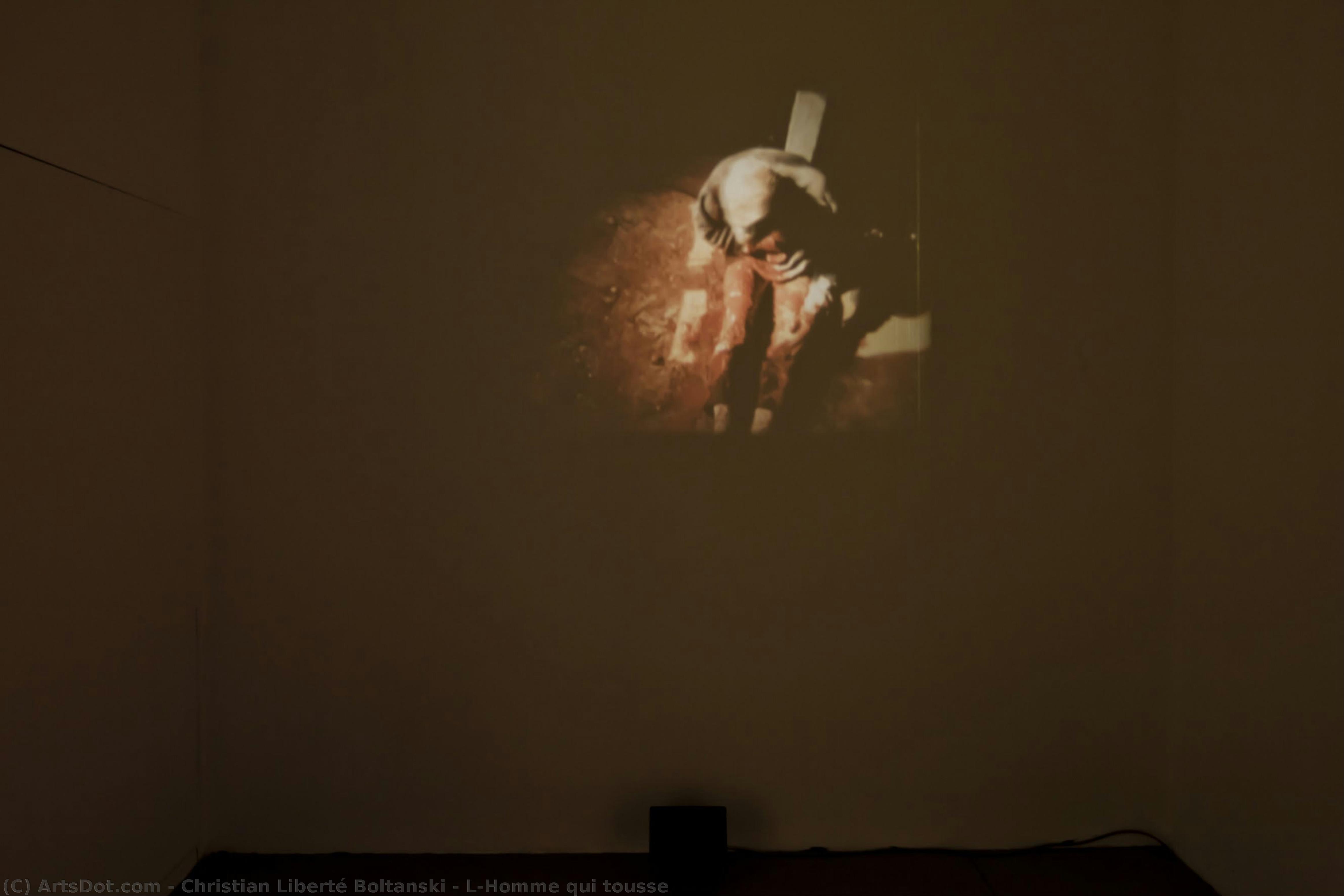
L’Homme qui tousse


 Читать далее
Жикле / Арт-принт
Печать (жикле) или холст музейного качества с быстрыми сроками изготовления и широким выбором вариантов отделки. ( Купить картину ручной работы Перейти к цифровым изображениям)




































Выберите один из наших стандартных размеров, соответствующих оригинальным пропорциям произведения искусства.

Вы можете указать свои собственные размеры, чтобы репродукция идеально подошла под конкретную раму или пространство. Если выбранный вами размер не будет соответствовать пропорциям оригинала, мы либо обрежем произведение, либо дополним изображение зеркальным отражением краев или однотонной заливкой. Перед началом производства вам будет отправлен цифровой макет для утверждения.
Пожалуйста, обратите внимание, что предварительный просмотр на экране не отображает фактическую обрезку или расширение изображения. Только макет точно покажет финальную композицию.
Несмотря на возможность заказа индивидуальных размеров, мы рекомендуем выбирать размер из предопределенного списка, чтобы сохранить оригинальные пропорции.
Доставка по всему миру () за 2 недели вместо стандартных 4/5 недель. (12 Сентябрь)

Бесплатная экспресс-доставка по всему миру

Высококачественный льняной холст

Полное страхование доставки

Гарантия возмещения таможенных пошлин

Гарантия точного соответствия цветов

100-дневная политика возврата (только при обнаружении дефектов)

Гарантия возврата 100% средств

Предложение оптовых скидок
 Вариант со стеклом доступен только для размеров менее 110 см

L’Homme qui tousse
Жикле / Арт-принт
Размер репродукции
-


Итоговая стоимость
$ 62
The Weight of Unspoken Narratives
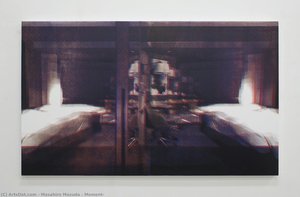
Christian Boltanski’s "L'Homme qui tousse" (The Man Who Coughs), dating from 1969, immediately draws the viewer into a space thick with unspoken history and palpable anxiety. This black and white depiction is not merely a portrait; it is an encounter with absence. The subject, seated on a simple chair with his back turned to us, becomes an enigmatic figure—a vessel for collective memory rather than an individual personality. Boltanski masterfully uses this compositional choice to deny us direct access, forcing our gaze into the space around him, compelling us to project our own histories and anxieties onto his silent posture. The very act of coughing, or the suggestion thereof, imbues the piece with a visceral sense of vulnerability, suggesting a body struggling against unseen pressures.
A Tapestry Woven from Memory and Trauma
To understand this work is to understand Boltanski’s lifelong preoccupation: the weight of what has been lost. Born in Odesa and shaped by the trauma of displacement during World War II, his art became a profound meditation on survival, identity, and the fragility of human existence. "L'Homme qui tousse" belongs to an early period where he was exploring cinematic narratives that grappled with oppression. The monochrome palette strips away the distractions of color, leaving only form, shadow, and the stark emotional resonance of the moment. It speaks in the universal language of endurance—a quiet testament to lives lived under duress.
Symbolism of Silence and Presence
The symbolism within this painting is deeply layered, inviting contemplation rather than offering easy answers. The back turned serves as a powerful metaphor for turning away from painful memories or perhaps for the collective anonymity that can accompany historical trauma. The chair itself suggests waiting—a suspended moment in time where action is deferred. For the collector or admirer of art, this piece offers an unparalleled opportunity to engage with existential themes. It resonates with those who find beauty not in grand pronouncements, but in the quiet dignity of simply enduring.
Integrating Art into Contemporary Spaces
For interior design and curated living spaces, "L'Homme qui tousse" acts as a profound focal point. Its stark, graphic quality lends itself beautifully to minimalist or historically rich settings, providing an intellectual anchor against polished surfaces. A high-quality reproduction allows one to bring this potent dialogue between the individual and history into a modern home. It suggests that true luxury lies not in opulence, but in depth—in the contemplation of shared human experience.
Похожие произведения

Биография художника
Christian Boltanski: A Life Dedicated to Memory
Christian Liberté Boltanski (September 6, 1944 – July 14, 2021) was a profoundly influential French sculptor, photographer, painter, and filmmaker. His work consistently grappled with themes of memory, loss, identity, and the fragility of human existence.
Early Life and Influences
Born in Odesa, Ukrainian SSR (now Ukraine), Boltanski’s early life was marked by displacement and a sense of hidden history. His family fled persecution during World War II, concealing his Jewish heritage to survive. This experience deeply impacted his artistic vision, fostering a lifelong preoccupation with the past and the stories left untold.
He moved to France with his family in 1954. Boltanski initially studied photography but quickly expanded his practice to encompass a wide range of media. Early influences included filmmakers like Alain Resnais and artists exploring narrative and documentation, such as Marcel Duchamp.
Artistic Development & Style
Boltanski’s artistic journey began in the late 1960s with experimental films and photographic series documenting everyday life. He soon moved towards creating large-scale installations that incorporated found objects – photographs, clothing, letters, and personal belongings – to evoke a sense of collective memory and individual loss.
His style is characterized by:
- The use of archival materials and found objects
- A minimalist aesthetic often employing stark lighting and simple arrangements
- An emphasis on the ephemeral nature of time and remembrance
- Recurring motifs such as portraits, shadows, and anonymous figures
He frequently employed a deliberately fragmented and incomplete approach, suggesting the difficulty of fully reconstructing the past.
Major Works & Achievements
Boltanski created numerous impactful works throughout his career. Some notable examples include:
- Reserve of Dead Swiss (1980s): A powerful installation featuring hundreds of photographs of anonymous individuals, exploring themes of anonymity and mortality.
- L’Homme qui tousse (The Man Who Coughs) : An evocative work that uses sound and imagery to create a haunting atmosphere.
- His numerous installations utilizing old photographs, often presented in grid-like arrangements or illuminated boxes.
Boltanski exhibited extensively internationally, with his work featured at prestigious institutions such as the Museum of Modern Art (MoMA) and Centre Pompidou.
Historical Significance & Legacy
Christian Boltanski’s work holds significant importance in contemporary art. He challenged traditional notions of representation and memory, prompting viewers to confront uncomfortable truths about history, loss, and the human condition. His installations paved the way for a new generation of artists exploring similar themes.
His legacy lies in:
- Pioneering the use of archival materials in contemporary art
- Raising awareness about the importance of preserving collective memory
- Creating emotionally resonant works that continue to provoke reflection and dialogue.
Boltanski’s influence extends beyond the visual arts, impacting fields such as literature, film, and cultural studies. He remains a vital figure in understanding the complexities of modern identity and the enduring power of remembrance.
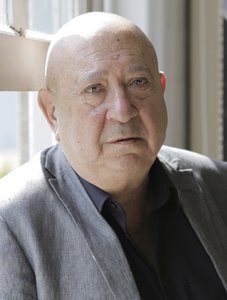
christian liberté boltanski
1944 - 2021 , Ukraine
Основные сведения
- Birth Date: September 6, 1944
- Birth Place: Odesa, Ukrainian SSR
- Death Date: July 14, 2021
- Movement: Conceptual art, Photography
- Name: Christian Boltanski
- Nationality: French
- Notable Works:
- Reserve of Dead Swiss
- L'Homme qui tousse
Похожие статьи
Топ-25 шедевров Венецианской биеннале: искусство для вашего дома от ArtsDot
Откройте для себя 25 шедевров Венецианской биеннале! Узнайте истории великих художников, техники и вдохновение за культовыми работами. Репродукции картин высокого качества от ArtsDot.com – искусство для вашего дома. Explore the full collection online!
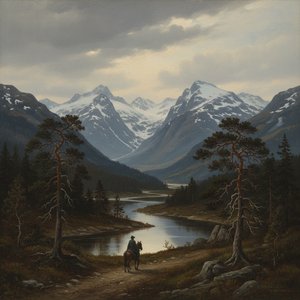
Johan Christian Dahl: Pioneering Norwegian Romantic Landscape Painting
Explore the life & art of Johan Christian Dahl, Norway's first great Romantic painter. Discover his iconic landscapes, cultural impact, and lasting legacy with ArtsDot.
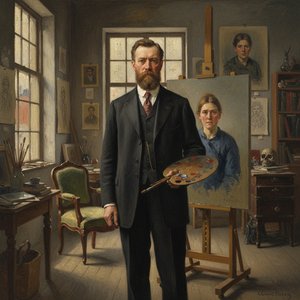
Christian Krohg: A Pioneer of Norwegian Realism & Psychological Portraiture
Explore the life & work of Christian Krohg, a pivotal figure in Norwegian realism. Discover his social commentary, Skagen influences, and lasting impact on Scandinavian art history. Learn more at ArtsDot.

От серебряного экрана к стенам гостиной: Искусство кино в интерьере – создание атмосферы и повествования
Создайте неповторимую атмосферу в доме с помощью кинематографического дизайна! Экспертные советы по выбору стиля, цветовой палитры и артефактов. Вдохновение от классики кино для роскошного интерьера.
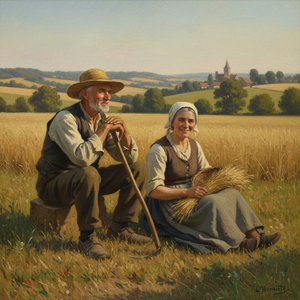
Léon Augustin L'Hermitte: Capturing the Soul of French Rural Life
Discover the captivating realist paintings of Léon Augustin L'Hermitte, masterfully depicting French rural life. Explore his technique, influences & legacy – a cornerstone of 19th-century art.