

 Предпросмотр
 Поделиться
 Поделиться
 Детали произведения

 Скачать
 Похожие работы
 Рентгенография
 Слайд-шоу
 Статистика
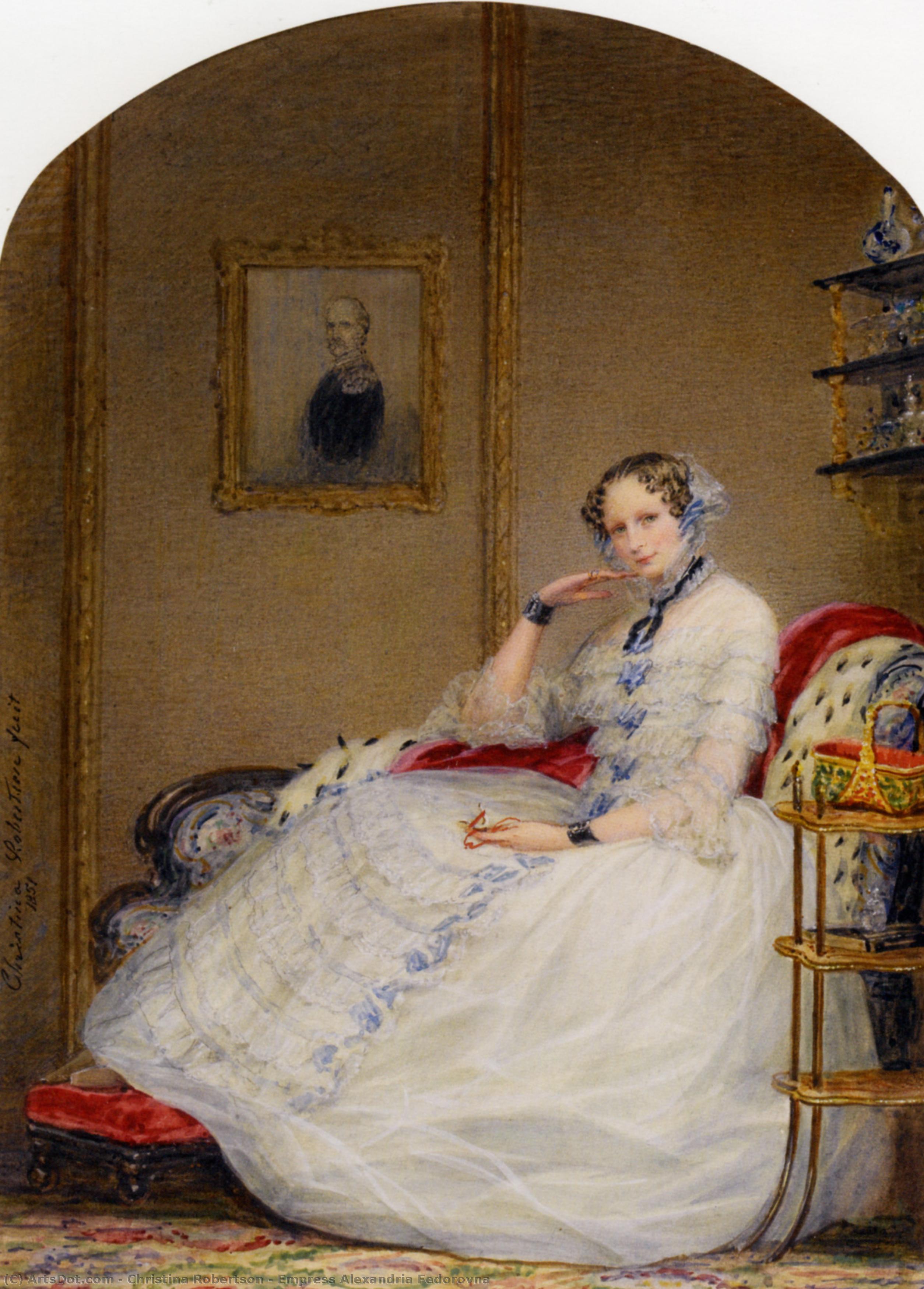
Empress Alexandria Fedorovna
 Watercolor
- WallArt
- 19th Century Miniature Painting
 1851
1851 35.0 x 25.0 cm
 Эрмитаж
 Читать далее
Масляная репродукция ручной работы
Картина маслом на холсте в выбранном вами размере и раме, написанная на заказ нашими художниками. ( Перейти к печати Перейти к цифровым изображениям)




P118B $10

P118H $10

P118W $10

P438Z $10

P508JH $12

P508YH $12

P805H $10

P805Z $10

P919BZ $10

P919G $10

P919XJ $10

P959ZH $10

P968JZ $12

W106C $8

W218G $10

W218JH $8

W218Y $10

W307PJ $10

W316G $10

W316PJ $8

W316Y $10

W398PJ $8

W4111J $10

W500HY $15

W500JH $15

W692G $12

W849H $8

W940BG $15

W953PJ $8




Выберите один из наших стандартных размеров, соответствующих оригинальным пропорциям произведения искусства.

Вы можете указать собственные размеры, чтобы картина идеально вписалась в выбранную раму или пространство. Если выбранный вами размер не соответствует пропорциям оригинала, мы либо обрежем полотно, либо расширим его за счет дополнительных элементов, написанных вручную. Цифровой макет будет отправлен вам на утверждение перед началом производства.
Обратите внимание, что предварительный просмотр на экране не отражает фактическую обрезку или расширение. Только макет точно покажет окончательную композицию.
Хотя доступны индивидуальные размеры, мы рекомендуем выбирать вариант из предопределенного списка, чтобы сохранить исходные пропорции.
После оформления заказа команда ArtsDot.com свяжется с клиентом по электронной почте для уточнения деталей и предоставит предварительный макет
Доставка по всему миру () за 3–4 недели вместо стандартных 5 недель. (11 Сентябрь). Без компромиссов в качестве.

Бесплатная экспресс-доставка по всему миру

Высококачественный льняной холст

Полное страхование доставки

Гарантия возмещения таможенных пошлин

Гарантия точного соответствия цветов

100-дневная политика возврата (только при обнаружении дефектов)

Гарантия возврата 100% средств

Предложение оптовых скидок
 Вариант со стеклом доступен только для размеров менее 110 см

Empress Alexandria Fedorovna
Техника репродукции
Размер репродукции
-


Итоговая стоимость
$ 263
A Glimpse of Aristocracy: Christina Robertson’s ‘Empress Alexandria Fedorovna’
The miniature painting “Empress Alexandria Fedorovna,” executed by the remarkably talented Christina Robertson in 1851, offers a captivating window into the opulent world of late Tsarist Russia. More than just a portrait, it's a meticulously crafted tableau vivant—a frozen moment of regal composure and subtle social commentary. Robertson’s skill lies not merely in her technical proficiency but in her ability to imbue a static image with a palpable sense of atmosphere and character, transporting the viewer into the heart of an aristocratic salon.
The subject herself, Empress Alexandra Fedorovna, is depicted seated against a backdrop that speaks volumes about her status. The richly patterned rug beneath her feet, the intricately carved walls adorned with framed portraits – notably one depicting her husband, Grand Duke Konstantin Pavlovich – and the delicate porcelain figurines on the small table all contribute to an environment of immense wealth and refined taste. The choice of these objects isn’t arbitrary; they are carefully selected symbols of imperial power, lineage, and domestic comfort, reinforcing Alexandra's position as a respected matriarch within the Russian court.
A Masterclass in Miniature Technique
Robertson’s mastery of miniature painting is immediately apparent. The work exemplifies the hallmarks of the genre: painstaking detail, delicate brushwork, and an almost obsessive attention to texture. Watercolor pigments are layered with astonishing precision, creating a remarkable illusion of depth and luminosity. Notice how she captures the subtle sheen of silk on Alexandra's gown, the folds of her drapery rendered with breathtaking realism, and the intricate patterns woven into the rug. The use of soft, flowing lines creates a sense of movement and grace, while carefully placed shadows add volume and dimension to the scene.
The artist’s technique is particularly noteworthy for its restraint. Miniature painting demanded an economy of color and detail; every stroke had to be deliberate and purposeful. Robertson skillfully employs this constraint to create a remarkably vivid and engaging image. The muted palette—dominated by creams, golds, and deep reds—is both elegant and sophisticated, perfectly complementing the Empress’s attire and the luxurious setting.
Historical Context and Artistic Significance
Created during a period of significant social and political change in Russia, “Empress Alexandria Fedorovna” reflects the complex dynamics of the Imperial court. The mid-19th century witnessed a flourishing of artistic patronage under Nicholas I, who sought to establish a distinctly Russian style of art that blended Western European influences with traditional motifs. Robertson’s work exemplifies this trend, showcasing her ability to capture both the formality and elegance expected of an artist working for the Tsar.
Furthermore, Christina Robertson's position as one of the first women to achieve significant recognition within the Royal Scottish Academy is itself a remarkable achievement. Her success in Russia further cemented her place in art history, demonstrating that female artists could thrive even in traditionally male-dominated fields. Her work offers a valuable insight into the lives and aspirations of aristocratic women during this era.
A Portrait of Dignified Grace
Beyond its technical brilliance and historical significance, “Empress Alexandria Fedorovna” possesses a profound emotional resonance. The Empress’s expression is one of quiet dignity and composure—a subtle hint of melancholy perhaps, but ultimately conveying an air of strength and resilience. The painting invites us to contemplate the burdens of leadership, the complexities of social expectations, and the enduring power of grace under pressure.
Reproductions of this exquisite miniature offer a unique opportunity to bring a touch of aristocratic elegance into any setting. Whether displayed in a private collection or incorporated into an interior design scheme, “Empress Alexandria Fedorovna” serves as a timeless reminder of the beauty and sophistication of 19th-century Russian art.
Похожие произведения

Биография художника
Christina Robertson: A Scottish Artist at the Russian Court
Early Life and Training
- Born: December 17, 1796, in Kinghorn, Fife, Scotland (though records indicate Edinburgh).
- Family Background: Robertson’s early life was shaped by her artistic family connections. Her mother was the sister of George Saunders, a miniature painter who became her initial mentor.
- Early Training: She received foundational training from her uncle, George Saunders, in London, mastering the art of miniature painting before expanding into oils and watercolors.
Artistic Development and Early Success
- Establishing a Career: Robertson quickly established herself as a successful portraitist, initially attracting Scottish patrons. Her skill allowed her to surpass her mentor financially.
- Royal Academy Exhibition: By 1823, she was exhibiting at the Royal Academy, gaining recognition within the British art world.
- Pioneering Studio Ownership: In 1828, Robertson opened her own studio in London – a remarkable achievement as one of the first women to do so.
- Royal Scottish Academy Honor: A significant milestone came in 1829 when she became the first woman honorary member of the Royal Scottish Academy.
Move to Russia and Imperial Patronage
- Parisian Connections: During the 1830s, Robertson traveled and worked in Paris, where she encountered members of the Russian court who may have already been familiar with her work through engravings.
- St. Petersburg Invitation: She was invited to St. Petersburg in 1839, partly due to increased demand for portraits following the fire that destroyed parts of the Winter Palace in 1837.
- Imperial Commissions: Robertson executed full-length paintings of Tsar Nicholas I and Empress Alexandra Feodorovna, along with their daughters Maria, Olga, and Alexandra.
- Academy Recognition: In 1841, she became the first (and only) woman to be made an honorary member of the Imperial Academy of Arts.
Life as a Court Painter & Later Years
- Ten Years in Russia: Robertson served as a royal artist for ten years, creating portraits of prominent figures within the Russian imperial family.
- Challenges and Commissions: While some portraits were initially rejected (like those of daughters-in-law), she continued to receive commissions, including one from Grand Duchess Maria Alexandrovna for a portrait of herself and her children, and an updated portrait of Empress Alexandra at the Empress’s request.
- Death and Burial: Christina Robertson died in St. Petersburg on April 30, 1854, and was buried in the Volkovo Cemetery.
Artistic Style and Historical Significance
- Portraiture Focus: Robertson’s work primarily focused on portraiture, characterized by academic precision and a keen ability to capture the likeness and personality of her sitters.
- Legacy & Rediscovery: Though largely forgotten after the Russian Revolution, recent exhibitions have helped revive interest in her life and art. Her portraits provide valuable historical documentation of the Russian Imperial family.
- Unique Position: Robertson’s success as a female artist in both Britain and Russia was exceptional for her time, breaking barriers and paving the way for future generations of women artists.
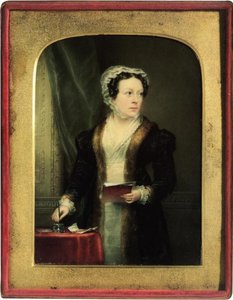
christina robertson
1796 - 1854 , United Kingdom
Основные сведения
- Birth Date: 17 December 1796
- Birth Place: Kinghorn, United Kingdom
- Death Date: 30 April 1854
- Influenced By: George Saunders
- Movement: Academic Art
- Name: Christina Robertson
- Nationality: British
- Notable Works:
- Portrait of Empress Alexandra Fedorovna
- Portraits of the Russian Imperial Family
Похожие статьи

Топ-10 шедевров XIX века: искусство, история и декор от ArtsDot.com
Погрузитесь в мир искусства XIX века! От реализма до импрессионизма – 10 величайших картин, истории художников и вдохновение для вашего интерьера. Репродукции высокого качества на ArtsDot.com. Откройте всю коллекцию онлайн!
Victor Vasnetsov: Myth, Nationalism & the Revival of Russian Fairy Tale Painting
Explore the captivating world of Victor Vasnetsov, a co-founder of Russian folklorist painting. Discover his iconic works, influence on national identity, and lasting legacy in this expert guide.
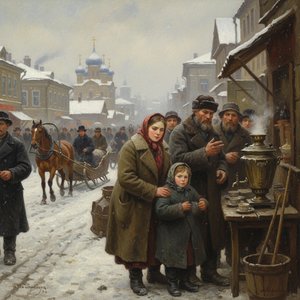
Vladimir Makovsky: Realism, Social Commentary & Russian Life in Late 19th-Century Painting
Explore the captivating world of Vladimir Makovsky, a leading Russian realist painter. Discover his insightful depictions of 19th-century life, social commentary & legacy with ArtsDot.
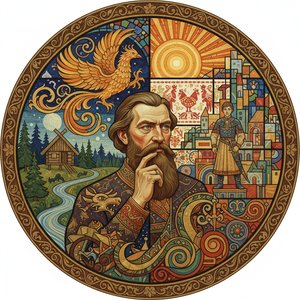
Ivan Bilibin: A Synthesis of Folklore, Modernism & National Identity in Russian Illustration
Explore the enchanting world of Ivan Bilibin, a master Russian illustrator who synthesized folklore, Art Nouveau & national identity. Discover his iconic fairy tale illustrations and legacy with ArtsDot.
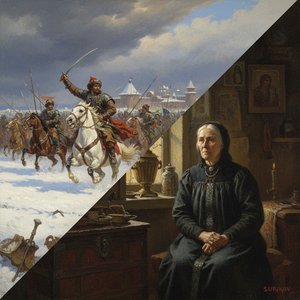
Vasily Surikov: Historical Epic & Psychological Realism in 19th-Century Russian Painting
Explore the powerful historical paintings of Vasily Surikov, a leading figure of Russian Realism. Discover his dramatic compositions, psychological depth & lasting influence on 19th-century art. Learn about collecting Surikov's masterpieces.