

 Предпросмотр
 Поделиться
 Поделиться
 Детали произведения

 Скачать
 Похожие работы
 Рентгенография
 Слайд-шоу
 Статистика
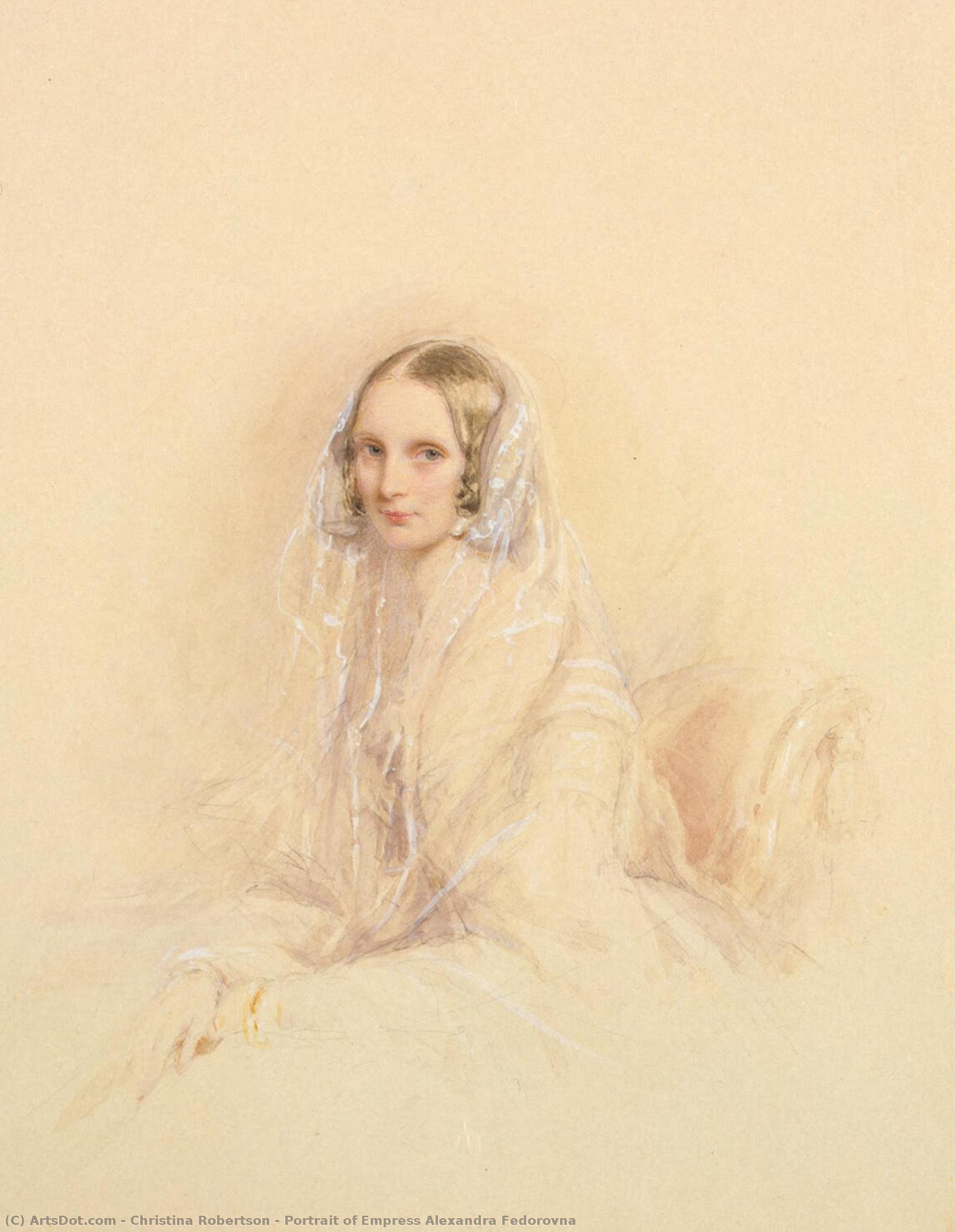
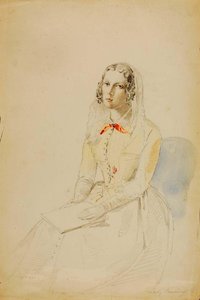
Portrait of Empress Alexandra Fedorovna
 Watercolor
- WallArt
- Academic Realism
 1845
1845- 19th Century
 25.0 x 20.0 cm
 Эрмитаж
 Читать далее
Приобретите цифровое изображение высокого разрешения в улучшенном качестве, которое значительно превосходит онлайн-превью.
Каждый файл тщательно подготавливается нашими специалистами с использованием передовых инструментов и экспертной ручной ретуши. Мы гарантируем исключительную четкость, точную цветопередачу и детальную проработку каждого изображения.
Финальный файл доставляется по электронной почте в течение 72 часов и оптимизирован для немедленного использования в профессиональной среде, при верстке и печати. Это тот же уровень качества, которому доверяют ведущие дизайнерские студии, издательства и галереи.
Цифровое изображение
Скачайте файл высокого разрешения для личного использования, печати и творческих проектов. ( Перейти к печати Купить картину ручной работы)
Включено в каждый заказ цифровых изображений
Гарантия экспертной цифровой доставки
Выбирая ArtsDot.com, вы получаете не просто изображение — вы приобретаете профессионально обработанное цифровое произведение искусства, созданное с безупречной точностью и под защитой гарантии качества. Вот всё, что автоматически входит в ваш заказ:

Мгновенная доставка по e-mail
Ваш цифровой файл в высоком разрешении будет отправлен вам по электронной почте в течение 72 часов после оформления заказа — и сразу станет доступен для использования.

Цифровой файл с ИИ-улучшением
Ваше произведение искусства проходит профессиональную оптимизацию с использованием передовых инструментов ИИ и ручной обработки, что гарантирует максимальную детализацию, четкость и точность цветопередачи.

Бессрочная бесплатная повторная доставка
Случайно удалили или потеряли файл? Не беспокойтесь — мы отправим его вам повторно в любое время и совершенно бесплатно.

Без импортных пошлин — навсегда
Наслаждайтесь вашим произведением искусства мгновенно без таможенных пошлин, сборов или затрат на доставку — цифровые загрузки всегда не облагаются налогом.

Гарантия точности цветопередачи
Мы гарантируем, что ваше цифровое изображение максимально точно передает оригинальные цвета благодаря использованию профессиональных инструментов и систем управления цветом.

Гарантия удовлетворенности 100 дней
Если вы не будете удовлетворены своим цифровым изображением, мы внесем правки или вернем 100% стоимости в течение 100 дней — без лишних вопросов.

100% Гарантия возврата средств
Не удовлетворены покупкой? Получите полный возврат средств в течение 100 дней после получения цифрового файла — без лишних вопросов.

Скидки на оптовые заказы
Купите 3 изображения, сэкономьте 10% — Купите 5, сэкономьте 15% — Купите 10+, сэкономьте 20%. Отличное решение для творческих проектов, галерей и агентств.
Portrait of Empress Alexandra Fedorovna – A Study in Quiet Dignity
Christina Robertson’s “Portrait of Empress Alexandra Fedorovna,” completed circa 1845, stands as a testament to the meticulous observation and refined artistic sensibilities characteristic of Academic painting during its golden age. Executed in watercolor on paper, this intimate depiction captures not merely likeness but also an essence of regal composure—a quality that continues to resonate with viewers today. The artwork resides within the esteemed Hermitage Museum in Saint Petersburg, Russia, offering a tangible connection to imperial Russia’s artistic heritage. ### Artistic Style and Technique – Precision Meets Pastel Elegance Robertson adhered rigorously to the tenets of Academicism, prioritizing anatomical accuracy and masterful rendering of light and shadow—elements meticulously crafted to convey depth and realism. Watercolor, favored for its luminosity and blending capabilities, allowed Robertson to achieve subtle tonal gradations that illuminate Alexandra Fedorovna’s face with a gentle radiance. The artist skillfully employed glazing techniques, layering translucent washes over initial sketches to build up color intensity gradually, resulting in an ethereal quality that distinguishes itself from more expressive styles prevalent at the time. Attention to detail extends beyond mere representation; the folds of Alexandra Fedorovna's dress are rendered with painstaking care, demonstrating a profound understanding of fabric texture and drapery—skills honed through extensive training and experience. ### Historical Context – The Reign of Nicholas I and Artistic Patronage The portrait emerged during the reign of Tsar Nicholas I (1825-1855), a period marked by conservative artistic ideals and fervent royal patronage. Academic painting flourished under his rule, championed as a vehicle for moral instruction and glorification of imperial grandeur. Christina Robertson’s success as a court painter reflects this broader cultural climate—a recognition of her talent within the elite circles of Russian society. Alexandra Fedorovna herself was a figure of considerable influence during Nicholas I's reign, embodying both piety and duty – qualities subtly conveyed through Robertson’s portrayal. The painting serves as a window into the visual culture of Victorian Russia, capturing not only a portrait but also an idealized representation of imperial femininity. ### Symbolism and Emotional Resonance – Contemplation and Graceful Presence Beyond its technical brilliance, “Portrait of Empress Alexandra Fedorovna” possesses a palpable emotional depth. Alexandra Fedorovna’s averted gaze—a deliberate compositional choice—suggests introspection and quiet contemplation—themes frequently explored in portraiture during the Romantic era. The muted pastel palette contributes to an atmosphere of serenity and grace, emphasizing the subject's dignity and inner peace. Robertson skillfully utilizes light to sculpt Alexandra Fedorovna’s face, highlighting her features with subtle shading that conveys both beauty and solemnity. The overall impression is one of dignified repose—a moment frozen in time, encapsulating the essence of imperial femininity and reflecting the artistic conventions of its era. ### Legacy – An Enduring Image of Regal Beauty Robertson's "Portrait of Empress Alexandra Fedorovna" remains a captivating example of Academic painting’s ability to convey both visual precision and psychological nuance. Its enduring appeal lies in its timeless elegance—a testament to Robertson’s mastery of technique and her profound understanding of the human spirit. Reproductions of this artwork continue to inspire admiration for its beauty and offer a glimpse into the artistic sensibilities of Victorian Russia, securing its place as an iconic image within art history.Похожие произведения

Биография художника
Christina Robertson: A Scottish Artist at the Russian Court
Early Life and Training
- Born: December 17, 1796, in Kinghorn, Fife, Scotland (though records indicate Edinburgh).
- Family Background: Robertson’s early life was shaped by her artistic family connections. Her mother was the sister of George Saunders, a miniature painter who became her initial mentor.
- Early Training: She received foundational training from her uncle, George Saunders, in London, mastering the art of miniature painting before expanding into oils and watercolors.
Artistic Development and Early Success
- Establishing a Career: Robertson quickly established herself as a successful portraitist, initially attracting Scottish patrons. Her skill allowed her to surpass her mentor financially.
- Royal Academy Exhibition: By 1823, she was exhibiting at the Royal Academy, gaining recognition within the British art world.
- Pioneering Studio Ownership: In 1828, Robertson opened her own studio in London – a remarkable achievement as one of the first women to do so.
- Royal Scottish Academy Honor: A significant milestone came in 1829 when she became the first woman honorary member of the Royal Scottish Academy.
Move to Russia and Imperial Patronage
- Parisian Connections: During the 1830s, Robertson traveled and worked in Paris, where she encountered members of the Russian court who may have already been familiar with her work through engravings.
- St. Petersburg Invitation: She was invited to St. Petersburg in 1839, partly due to increased demand for portraits following the fire that destroyed parts of the Winter Palace in 1837.
- Imperial Commissions: Robertson executed full-length paintings of Tsar Nicholas I and Empress Alexandra Feodorovna, along with their daughters Maria, Olga, and Alexandra.
- Academy Recognition: In 1841, she became the first (and only) woman to be made an honorary member of the Imperial Academy of Arts.
Life as a Court Painter & Later Years
- Ten Years in Russia: Robertson served as a royal artist for ten years, creating portraits of prominent figures within the Russian imperial family.
- Challenges and Commissions: While some portraits were initially rejected (like those of daughters-in-law), she continued to receive commissions, including one from Grand Duchess Maria Alexandrovna for a portrait of herself and her children, and an updated portrait of Empress Alexandra at the Empress’s request.
- Death and Burial: Christina Robertson died in St. Petersburg on April 30, 1854, and was buried in the Volkovo Cemetery.
Artistic Style and Historical Significance
- Portraiture Focus: Robertson’s work primarily focused on portraiture, characterized by academic precision and a keen ability to capture the likeness and personality of her sitters.
- Legacy & Rediscovery: Though largely forgotten after the Russian Revolution, recent exhibitions have helped revive interest in her life and art. Her portraits provide valuable historical documentation of the Russian Imperial family.
- Unique Position: Robertson’s success as a female artist in both Britain and Russia was exceptional for her time, breaking barriers and paving the way for future generations of women artists.
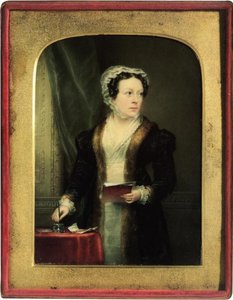
christina robertson
1796 - 1854 , United Kingdom
Основные сведения
- Birth Date: 17 December 1796
- Birth Place: Kinghorn, United Kingdom
- Death Date: 30 April 1854
- Influenced By: George Saunders
- Movement: Academic Art
- Name: Christina Robertson
- Nationality: British
- Notable Works:
- Portrait of Empress Alexandra Fedorovna
- Portraits of the Russian Imperial Family