

 Предпросмотр
 Поделиться
 Поделиться
 Детали произведения

 Скачать
 Похожие работы
 Рентгенография
 Слайд-шоу
 Статистика
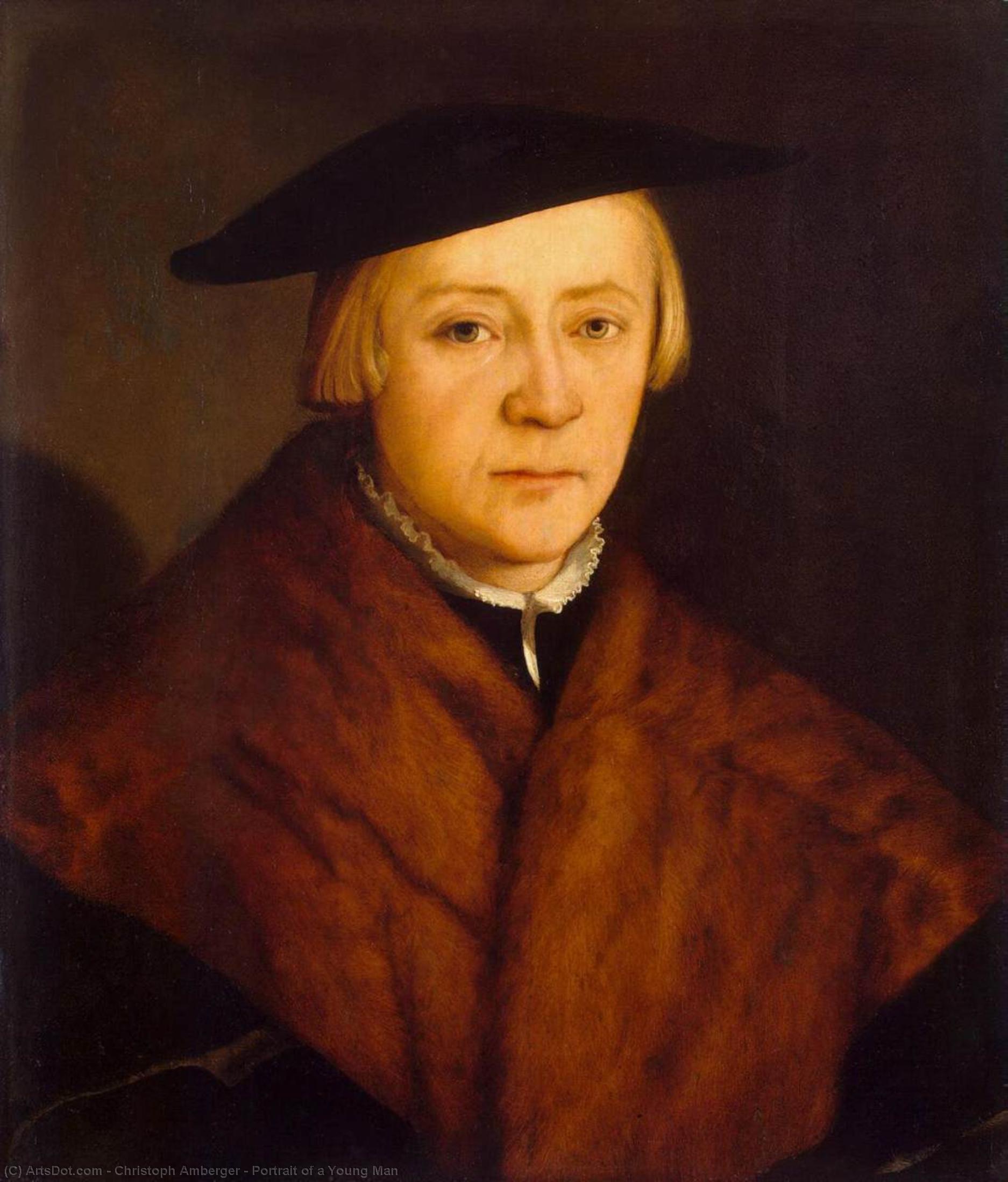
Portrait of a Young Man
 Oil On Canvas
- WallArt
- Renaissance Painting
 Renaissance
 51.0 x 43.0 cm
 Эрмитаж
 Читать далее
Жикле / Арт-принт
Печать (жикле) или холст музейного качества с быстрыми сроками изготовления и широким выбором вариантов отделки. ( Купить картину ручной работы Перейти к цифровым изображениям)




P118B $10

P118H $10

P118W $10

P438Z $10

P508JH $12

P508YH $12

P805H $10

P805Z $10

P919BZ $10

P919G $10

P919XJ $10

P959ZH $10

P968JZ $12

W106C $8

W218G $10

W218JH $8

W218Y $10

W307PJ $10

W316G $10

W316PJ $8

W316Y $10

W398PJ $8

W4111J $10

W500HY $15

W500JH $15

W692G $12

W849H $8

W940BG $15

W953PJ $8




Выберите один из наших стандартных размеров, соответствующих оригинальным пропорциям произведения искусства.

Вы можете указать свои собственные размеры, чтобы репродукция идеально подошла под конкретную раму или пространство. Если выбранный вами размер не будет соответствовать пропорциям оригинала, мы либо обрежем произведение, либо дополним изображение зеркальным отражением краев или однотонной заливкой. Перед началом производства вам будет отправлен цифровой макет для утверждения.
Пожалуйста, обратите внимание, что предварительный просмотр на экране не отображает фактическую обрезку или расширение изображения. Только макет точно покажет финальную композицию.
Несмотря на возможность заказа индивидуальных размеров, мы рекомендуем выбирать размер из предопределенного списка, чтобы сохранить оригинальные пропорции.
Доставка по всему миру () за 2 недели вместо стандартных 4/5 недель. (12 Сентябрь)

Бесплатная экспресс-доставка по всему миру

Высококачественный льняной холст

Полное страхование доставки

Гарантия возмещения таможенных пошлин

Гарантия точного соответствия цветов

100-дневная политика возврата (только при обнаружении дефектов)

Гарантия возврата 100% средств

Предложение оптовых скидок
 Вариант со стеклом доступен только для размеров менее 110 см

Portrait of a Young Man
Жикле / Арт-принт
Размер репродукции
-


Итоговая стоимость
$ 62
The Gaze of Augsburg: A Renaissance Study in Character
To stand before this portrait is to step directly into the vibrant, meticulously ordered world of 16th-century Augsburg. The subject, a young man whose intense gaze seems to pierce through the centuries, embodies the sophisticated realism characteristic of the High Renaissance period. While whispers of Hans Holbein the Younger linger in its history—a lineage that speaks to unparalleled mastery—it is Christoph Amberger’s hand that guides us through this captivating likeness. Notice the exquisite detail in his attire: the deep black hat trimmed with threads of gold, suggesting a status both respectable and artistically inclined. His beard and mustache are rendered with such delicate precision; they do not merely sit upon his face but seem to grow from it, giving weight and character to his thoughtful expression.
Mastery in Technique and Composition
Amberger’s technique here is a testament to the period's dedication to verisimilitude. The paint handling suggests an almost photographic attention to texture—the soft fall of the fabric contrasting with the sharp definition of the gold trim, or the subtle sheen on his dark hair. Beyond the central figure, the composition deepens the narrative. We observe at least two other figures subtly placed in the background; one standing sentinel behind him, another receding further right. These secondary presences are not mere filler; they anchor the scene within a believable domestic or social setting, perhaps near the visible chair. This careful arrangement elevates the piece from a simple portrait to a complex tableau vivant.
Historical Echoes and Humanism
This work resonates with the humanist spirit that permeated Renaissance art. It is less about divine allegory and more about the profound dignity of the individual. Amberger, trained in the shadow of giants like Holbein, channeled that energy into capturing the inner life. The painting speaks to a time when portraiture was becoming a vital tool for documenting identity and social standing. Owning or displaying a reproduction of this piece is not just acquiring art; it is curating a tangible connection to the intellectual and artistic pulse of Augsburg during its golden age.
Emotional Resonance for the Modern Collector
The emotional impact of this portrait lies in its compelling ambiguity. The young man meets the viewer’s eye with an intensity that demands contemplation—what thoughts occupy him? What story does his bearing conceal? For the collector or designer, this piece offers unparalleled depth. It serves as a magnificent focal point for any space, whether it be a formal study demanding intellectual gravitas or a richly decorated salon seeking historical romance. The crisp realism and enduring quality of Amberger’s vision ensure that its narrative power remains undiminished across generations.
Похожие произведения



Биография художника
Christoph Amberger: The Silent Witness of Augsburg’s Renaissance
Christoph Amberger (c. 1505 – 1562) stands as a quietly influential figure within the artistic landscape of Augsburg during the High Renaissance—a painter whose legacy resides not in grand monuments or flamboyant commissions, but in the meticulous detail and humanist spirit captured within his portraits and biblical narratives. Born into a family steeped in craftsmanship—his father a stonemason and grandfather a woodcarver—Amberger’s formative years instilled an appreciation for precision and artistry that would permeate his entire oeuvre. His artistic journey began under the tutelage of Hans Holbein the Younger, arguably Augsburg's most celebrated painter at the time, forging a connection with Holbein’s distinctive style characterized by crisp realism and psychological depth. This mentorship proved pivotal, shaping Amberger’s approach to depicting human subjects—particularly evident in his prolific series illustrating Joseph’s Life, twelve canvases that meticulously recount biblical events with remarkable accuracy and symbolic resonance. These paintings aren't merely representations of scripture; they are carefully constructed visual dialogues exploring themes of faith, virtue, and divine providence. The influence of Holbein’s masterful use of light and shadow—a technique he termed “sfumato”—is palpable in Amberger’s own compositions, subtly blurring contours and creating an atmosphere of contemplative solemnity. Amberger’s artistic activity flourished amidst the burgeoning intellectual and economic dynamism of Augsburg—a city at the epicenter of European trade and patronage. He regularly traveled to Augsburg, engaging with prominent figures like Jakob Fugger, Konrad Peutinger, and Georg von Frundsberg – individuals whose portraits he undertook, securing commissions from wealthy merchants and civic leaders. These portraits are not simply likenesses; they convey a profound understanding of their subjects’ character—revealing their inner lives through subtle gestures and expressions. Amberger skillfully captured the dignity and gravitas of Augsburg's elite, reflecting the humanist ideals that underpinned the city’s cultural prestige. Furthermore, Amberger ventured into Northern Italy between 1525 and 1527, immersing himself in the artistic fervor of Venice and Florence, absorbing influences from Leonardo da Vinci and Michelangelo. This exposure broadened his stylistic horizons and enriched his understanding of humanist ideals—particularly the exploration of human anatomy and emotion as depicted by Michelangelo’s monumental sculptures and frescoes. The Emperor Charles V commissioned several portraits from Amberger, cementing his reputation as a court artist and demonstrating the esteem accorded to Augsburg’s artistic talent. His meticulous technique—primarily employing oil paints—allowed him to achieve unparalleled luminosity and textural nuance, capturing subtle expressions and conveying psychological complexity with remarkable subtlety. Unlike Holbein's bolder brushstrokes, Amberger favored a more restrained palette and refined compositional arrangements, prioritizing clarity of form and harmonious balance. He skillfully rendered the regal bearing of Charles V, emphasizing his stature and projecting an aura of authority—a testament to Amberger’s ability to translate humanist ideals into visual grandeur. Amberger's contribution to Augsburg’s artistic heritage extends beyond his portraits; he was also a prolific fresco painter, adorning churches and civic buildings with scenes from biblical history and religious iconography. His frescoes exemplify the humanist aesthetic prevalent during the period—integrating classical motifs alongside Christian narratives—reflecting the broader cultural currents shaping Renaissance Europe. Christoph Amberger's enduring influence lies in his ability to synthesize Holbein’s realism with Augsburg’s humanist spirit, securing his place as a pivotal artist of the sixteenth century and a silent witness to the grandeur of Augsburg’s renaissance. His most celebrated work remains the “History of Joseph,” twelve canvases that stand as monuments to biblical storytelling—a testament to Amberger's dedication to detail, symbolism, and artistic excellence.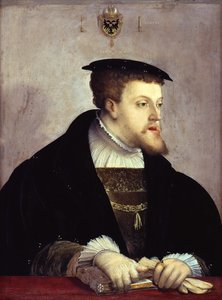
Христоф Амбергер
1505 - 1562 , Германия
Основные сведения
- Artistic Movement Or Style: Renaissance
- Artists Or Movements Influenced By This Artist: Итальянское Возрождение
- Artists Who Influenced This Artist: Хан Хольбеин Младший
- Date Of Birth: c. 1505
- Date Of Death: 1562
- Full Name: Christoph Amberger
- Nationality: German
- Notable Artworks: ['История Иосифа']
- Place Of Birth: Berlin, Germany
Похожие статьи

The Enduring Legacy of Oil on Canvas: Technique, History & Aesthetic Impact
Explore the rich history & techniques of oil painting – from Renaissance masters to Impressionism. Discover pigments, layering methods, and why this timeless medium endures. Expert insights for artists & art enthusiasts.

Oil on Canvas: A Historical & Technical Exploration of a Timeless Artistic Medium
Explore the rich history & enduring techniques of oil painting on canvas. Discover the science behind its longevity, conservation practices, and contemporary relevance. Expert insights for art enthusiasts.

Масляная живопись: История, техника и непреходящее наследие
Узнайте все о масляной живописи: история техники, секреты мастеров и современные тенденции. Погрузитесь в мир искусства с экспертами !
Топ-10 шедевров масляной живописи на доске, изменившие искусство | ArtsDot.com
Откройте для себя 10 легендарных шедевров масляной живописи на доске, изменивших искусство! Узнайте истории Ван Гога, Моне и других великих художников. Репродукции картин премиум-качества для вашего интерьера – ArtsDot.com

The Enduring Power of Painting: A Historical & Contemporary Exploration of Form and Emotion
Explore the rich history & enduring techniques of oil painting with ArtsDot. Discover masterpieces, learn about art collecting, and find authentic handmade reproductions crafted by skilled artists.