

 Предпросмотр
 Поделиться
 Поделиться
 Детали произведения

 Скачать
 Похожие работы
 Рентгенография
 Слайд-шоу
 Статистика
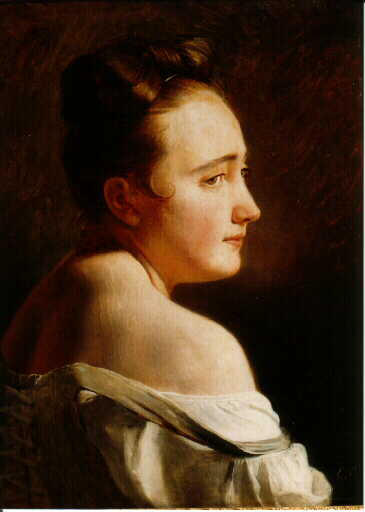
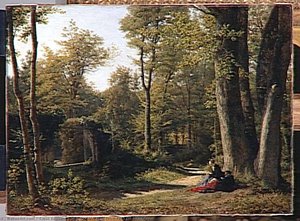
Tête de jeune fille
 Читать далее
Жикле / Арт-принт
Печать (жикле) или холст музейного качества с быстрыми сроками изготовления и широким выбором вариантов отделки. ( Купить картину ручной работы Перейти к цифровым изображениям)




































Выберите один из наших стандартных размеров, соответствующих оригинальным пропорциям произведения искусства.

Вы можете указать свои собственные размеры, чтобы репродукция идеально подошла под конкретную раму или пространство. Если выбранный вами размер не будет соответствовать пропорциям оригинала, мы либо обрежем произведение, либо дополним изображение зеркальным отражением краев или однотонной заливкой. Перед началом производства вам будет отправлен цифровой макет для утверждения.
Пожалуйста, обратите внимание, что предварительный просмотр на экране не отображает фактическую обрезку или расширение изображения. Только макет точно покажет финальную композицию.
Несмотря на возможность заказа индивидуальных размеров, мы рекомендуем выбирать размер из предопределенного списка, чтобы сохранить оригинальные пропорции.
Доставка по всему миру () за 2 недели вместо стандартных 4/5 недель. (12 Сентябрь)

Бесплатная экспресс-доставка по всему миру

Высококачественный льняной холст

Полное страхование доставки

Гарантия возмещения таможенных пошлин

Гарантия точного соответствия цветов

100-дневная политика возврата (только при обнаружении дефектов)

Гарантия возврата 100% средств

Предложение оптовых скидок
 Вариант со стеклом доступен только для размеров менее 110 см

Tête de jeune fille
Жикле / Арт-принт
Размер репродукции
-


Итоговая стоимость
$ 62
Похожие произведения







Биография художника
François Barthélemy Michel Édouard Cibot (1799–1877): A Parisian Landscape Painter Bridging Romanticism and Impressionism
Édouard Cibot, born in Paris in 1799, emerged as a prominent figure within the French artistic landscape of the mid-nineteenth century. His formative years were marked by tutelage under celebrated painters Pierre-Narcisse Guérin and François Picot, establishing him firmly within the Romantic tradition—a movement characterized by emotional intensity and an idealized depiction of nature. This influence would permeate his oeuvre, shaping his stylistic choices and thematic concerns throughout his prolific career.- Early Training & Sacred Art: Cibot’s initial artistic pursuits centered on religious iconography, producing numerous canvases depicting biblical scenes and saints—a testament to the prevailing spiritual fervor of the era. Notable works like ‘Charity,’ housed in St. Leu Church, exemplify his meticulous technique and profound understanding of compositional principles honed during these formative years.
- Transition to Landscape Painting: Around 1863, Cibot decisively shifted his focus towards landscape painting, embracing a style that foreshadowed the burgeoning Impressionist movement. This stylistic evolution reflected a broader cultural shift toward valuing observation and capturing fleeting moments of beauty—a departure from the grand narratives favored by Romanticism.
Notable Works & Artistic Style
Cibot’s artistic style distinguished itself through several key characteristics. He employed a rich palette, utilizing vibrant hues to convey atmospheric conditions and imbue his canvases with palpable emotion. Linear perspective was skillfully deployed to create depth and realism—particularly evident in paintings such as ‘View at Soisy-sur-Ecolle,’ which captures the serene tranquility of the Parisian suburbs. Furthermore, Cibot’s compositions often incorporated dramatic lighting effects, enhancing visual impact and conveying psychological nuance. His meticulous brushwork contributed to textural richness and a sense of immediacy—qualities that resonated with the aesthetic sensibilities of his time.- Iconic Landscapes: Among Cibot's most celebrated landscapes are ‘Chestnut-trees at Aulnay’ and ‘Park at Orsay,’ which showcase his masterful ability to depict natural beauty with sensitivity and precision. These paintings exemplify the Romantic preoccupation with sublime vistas—inspiring awe and contemplation in viewers.
- Dramatic Narratives: Cibot's historical canvases, like ‘Defense of Celesyria by Raymond du Puy’ and ‘The Compromise of Nobles in 1566,’ demonstrate his talent for storytelling through visual imagery. He skillfully utilized chiaroscuro—the interplay of light and shadow—to heighten dramatic tension and convey emotional depth.
Influence & Legacy
Cibot’s artistic endeavors contributed significantly to the development of French landscape painting during the Romantic period, paving the way for Impressionism's emergence. His meticulous technique and expressive style served as inspiration for subsequent generations of artists—solidifying his place within art history. Although Cibot himself never achieved widespread fame during his lifetime, his paintings continue to be admired for their beauty and artistic merit—a testament to his enduring contribution to French cultural heritage.Further Exploration
For a deeper understanding of Édouard Cibot’s life and work, consider visiting these resources:- Wikimedia Commons:Media related to Édouard Cibot
- My Open Museum:Édouard Cibot
cibot edouard
1799 - 1877
Основные сведения
- Artistic Movement Or Style: Romantic
- Artists Or Movements Influenced By This Artist: ['Édouard Manet']
- Artists Who Influenced This Artist:
- Guérin
- Picot
- Date Of Birth: 1799
- Full Name: François Barthélemy Michel Édouard Cibot
- Nationality: French
- Notable Artworks:
- The Loves of the Angels
- Regina Coeli
- St. Theresa
- Place Of Birth: Paris